
Choosing between a suction cup and an adhesive OBU (On-Board Unit) holder is a decision that directly impacts your daily drive, your vehicle’s interior aesthetics, and the long-term security of your electronic toll transponder. The ideal mounting type depends primarily on where you plan to position the device, the material composition of your car’s dashboard, and how often you need to transfer the unit between vehicles. While suction cups offer unmatched flexibility and zero permanent changes to your cabin, adhesive mounts provide a highly stable, low-profile connection that resists the intense thermal stress of a car parked under the tropical sun.
To make the right choice, you must evaluate how each mounting mechanism interacts with your vehicle’s surfaces and local driving conditions. A poorly matched holder can lead to a distracting, fallen device while driving, or even permanent damage to your dashboard’s delicate finishes. By understanding the physical characteristics of both options, you can select a secure, compliant setup that keeps your OBU perfectly positioned.
Understanding Your Car's Surfaces and OBU Requirements
Before selecting a mount, take a close look at your vehicle’s interior layout and the specific physical properties of your OBU. Windshield glass is an ideal surface for many mounts because it is completely flat, non-porous, and rigid. Dashboards, however, present a much wider variety of materials, including textured hard plastics, soft-touch vinyl, synthetic leather, and genuine open-pore leather. Each of these materials reacts differently to physical pressure and chemical bonding agents.
Products mentioned in this guide
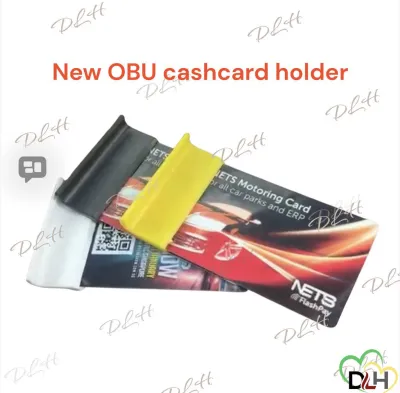
Prices are valid at publication and may change. Please refer to the product page for the latest price.
You must also consider the physical dimensions and weight of your OBU. Modern dual-mode units, such as those used in Singapore, can be heavier and bulkier than older transponder models due to integrated display screens, card slots, and internal electronics. Verify the weight of your device and check the holder’s packaging to ensure its rated load capacity can support your specific unit under the forces of sudden braking or sharp turns.
Finally, consult your vehicle manufacturer’s guidelines regarding dashboard modifications. Some car brands explicitly warn against applying strong chemical adhesives or heavy suction mounts to certain areas of the dashboard. This is particularly true for vehicles equipped with specialized anti-glare coatings or delicate leather wraps that can easily peel, discolor, or warp under physical stress.
Suction Cup OBU Holders: Pros, Cons, and Best Use Cases
Suction cup OBU holders rely on a simple physical principle: creating a partial vacuum between a flexible silicone or rubber cup and a smooth surface. This mounting type is highly effective when applied to non-porous, perfectly flat areas. The windshield is the most common and reliable location for a suction cup, though some holders can also adhere to glossy, polished dashboard trim panels.

The primary advantage of a suction cup mount is its complete reusability and flexibility. If you drive multiple vehicles, use rental cars, or frequently need to remove your OBU for security reasons, a suction cup allows you to detach the entire assembly in seconds. Because it relies on physical air pressure rather than chemical bonding, it leaves absolutely zero sticky residue behind, preserving the pristine condition of your glass or glossy trim.
However, suction cups have distinct limitations, particularly when exposed to extreme cabin heat. When a car is parked in an open-air parking lot under direct sunlight, the air trapped inside the suction cup expands. This expansion weakens the vacuum seal, often causing the holder to detach and fall unexpectedly. Additionally, suction cups cannot maintain a seal on textured or curved dashboard surfaces, as microscopic gaps allow air to enter and break the vacuum instantly.
To keep a suction cup holder functioning reliably, regular maintenance is required. Over time, dust, lint, and microscopic debris accumulate on the flexible cup, preventing a perfect seal. You must periodically clean both the mounting surface and the suction cup itself. Washing the silicone cup with warm water and mild soap, then allowing it to air dry, can often restore its original gripping power.
Adhesive OBU Holders: Pros, Cons, and Best Use Cases
Adhesive OBU holders utilize high-strength, double-sided bonding tapes—often made of acrylic foam—to secure the bracket directly to your vehicle’s interior. This mounting style is designed to conform to the microscopic textures of your dashboard, making it the preferred choice for surfaces where suction cups cannot form a reliable vacuum seal.
The standout advantage of an adhesive mount is its exceptional long-term holding power and stability. Once the adhesive has fully bonded to the surface, it becomes highly resistant to the vibrations of daily driving, sudden cornering, and the intense heat that builds up inside a parked vehicle. Furthermore, adhesive mounts typically feature a much lower profile than suction cup brackets, keeping your dashboard looking clean, uncluttered, and integrated with the car’s original design.
Despite their stability, adhesive mounts come with notable trade-offs. They are essentially semi-permanent installations; removing them requires careful effort and carries a risk of leaving stubborn, sticky residue behind. On delicate dashboard materials, such as soft-touch vinyl or genuine leather, the strong chemical bond can actually tear or discolor the surface during removal. Additionally, once you peel an adhesive mount off, the tape is ruined, requiring a fresh adhesive pad before you can reinstall the holder.
Proper installation also requires patience due to the necessary curing time. Unlike suction cups, which are ready to use instantly, chemical adhesives require time to “wet out” and form a complete bond with the dashboard surface. Most manufacturers recommend waiting up to 24 hours after application before mounting the heavy OBU device. Attaching the unit too quickly is the most common cause of premature adhesive failure.
Key Comparison Factors for Dashboard and Windshield Mounting
Choosing between these two mounting styles requires balancing your daily driving habits against your vehicle’s interior design. To find the right fit, you must evaluate three critical decision pillars: how well the mount holds up under thermal stress, the potential for long-term surface damage, and the ease of installation and adjustment.
Holding Power and Temperature Resistance
The intense heat inside a parked car affects suction cups and adhesive mounts in completely different ways. Suction cups rely on a physical pressure differential that is highly sensitive to temperature shifts. As the cabin heats up, the physical properties of the rubber or silicone cup soften, and the expanding air inside the cup pushes it away from the glass, leading to sudden failure.
Adhesive mounts, on the other hand, rely on chemical adhesion that is generally more stable under thermal stress, provided you use high-quality, automotive-grade tape. However, you must check the manufacturer’s specifications to verify the maximum operating temperature of the adhesive. Cheap, non-automotive adhesives can melt and slide under direct sunlight, leaving a gooey mess on your dashboard.
Direct sunlight exposure also plays a major role. A windshield-mounted suction cup receives the full force of UV radiation, which can degrade and harden the silicone over time, making it brittle and less effective. Dashboard-mounted adhesive units are also exposed to sunlight, but their position lower down on the dash can sometimes offer slight shielding from the windshield’s ceramic frit or tinting.
Residue, Damage, and Reusability
The long-term impact on your vehicle’s resale value is a crucial consideration when choosing a mount. Applying a high-strength adhesive to a premium leather or soft-touch vinyl dashboard carries a significant risk of permanent damage. When it comes time to sell the car or return a leased vehicle, removing the adhesive can peel away the top layer of the dashboard material, resulting in an expensive repair.
Suction cups completely eliminate this risk, making them the safest choice for preserving delicate interior surfaces. They can be reused indefinitely across different vehicles without requiring any replacement parts. In contrast, moving an adhesive mount to a new position or a different car requires a complete re-installation process, including sourcing a new piece of double-sided automotive tape.
If you must remove an adhesive mount, you can minimize the risk of damage by using safe removal techniques. Rather than pulling the mount straight up, use a sawing motion with a piece of dental floss or high-strength fishing line passed underneath the adhesive pad to cut through the foam core. Any remaining residue can then be carefully rolled off with your fingers or treated with a mild, dashboard-safe adhesive remover, always verifying compatibility on an inconspicuous area first.
Installation and Adjustment Flexibility
If you value immediate usability and easy adjustments, suction cup mounts are highly convenient. You simply press the cup against the clean glass, flip the locking lever, and your OBU is ready to go. This allows you to quickly adjust the position of the holder if you find it blocks your view of the road or interferes with your dashcam’s field of view.
Adhesive mounts require a much more meticulous installation process. Because you only get one chance to position the adhesive correctly, you must carefully plan the placement beforehand. Once pressed down, the mount cannot be easily adjusted or moved without ruining the adhesive pad. You must also factor in the mandatory curing period before the mount can support any weight.
Regardless of which mount you choose, safety must be your top priority during installation. You must position the OBU holder so that it does not obstruct your forward field of vision or interfere with your vehicle’s controls. Crucially, consult your vehicle’s owner’s manual to identify the exact deployment zones for all front and side airbags; never place a mount where an expanding airbag could launch the OBU toward a passenger.
How to Choose the Right OBU Holder for Your Vehicle
To finalize your decision, match your specific driving habits, vehicle interior, and mounting preferences against the strengths of each holder type.
Choose a suction cup holder if you plan to mount the OBU directly on your windshield glass, need the flexibility to swap the unit between different cars, or want to protect a delicate leather or soft-touch dashboard from any risk of permanent adhesive damage. This option is ideal for drivers who prioritize reusability and zero-residue removal.
Choose an adhesive holder if you prefer a low-profile, permanent installation on a textured dashboard surface, want maximum resistance to vibrations and cabin heat, and do not plan to move the holder once it is installed. This setup is best for drivers who want a “set-and-forget” solution that remains highly stable even when parked in direct sunlight.
Before making your purchase, always verify the material of your dashboard if you are leaning toward an adhesive option. If the material is unknown or feels highly delicate, stick to a windshield-mounted suction cup to avoid accidental damage. Additionally, check the weight of your OBU against the holder’s rated capacity to ensure a secure, sag-free fit.
Installation and Maintenance Tips for a Secure Fit
To ensure your chosen OBU holder remains securely attached and safe to use, follow these essential installation and maintenance steps.
Begin with thorough surface preparation. The secret to a long-lasting bond or vacuum seal is a perfectly clean, oil-free surface. Clean the mounting area with a lint-free cloth and an appropriate cleaning agent, such as isopropyl alcohol. Always test the cleaner on a small, hidden spot first to ensure it does not discolor or damage your dashboard’s finish. Allow the surface to dry completely before applying the mount.
When positioning the holder, prioritize safety and visibility. Ensure the OBU does not block your primary sightlines or create a blind spot. Keep the unit completely clear of the steering wheel’s range of motion and all airbag deployment paths.
Perform routine checks to prevent unexpected drops. For suction cups, release the lever, clean the glass, and re-engage the vacuum every few months, especially after significant temperature changes. For adhesive mounts, gently wiggle the bracket periodically to check for any lifting or softening of the adhesive edges.
If you notice the suction cup’s silicone has become warped, sticky, or cracked, or if the adhesive tape shows signs of peeling away from the dashboard, stop using the mount immediately. Replace the worn components or the entire holder to prevent your OBU from falling and distracting you while driving.
Frequently Asked Questions (FAQ)
Can I use an adhesive OBU holder on a leather dashboard?
Using strong chemical adhesives on genuine or synthetic leather dashboards is highly discouraged. The adhesive can form a permanent bond with the leather’s protective topcoat, leading to peeling, tearing, or severe discoloration when you attempt to remove the mount. If your vehicle features a leather-wrapped dashboard, opt for a windshield-mounted suction cup holder or check the adhesive manufacturer’s explicit compatibility list for specialized, low-tack alternatives.
Why does my suction cup OBU holder keep falling off the windshield?
Suction cups typically fall off due to microscopic air leaks caused by dust, dirt, or temperature fluctuations. When your car sits in the sun, the air trapped inside the cup expands and escapes; when the cabin cools, a partial vacuum is lost, causing the mount to drop. To resolve this, thoroughly clean both the glass and the suction cup with soapy water, dry them completely, and reapply. If the silicone has warped or hardened from UV exposure, it is time to replace the holder.

Community discussion
Share your experience or ask a question. Comments are reviewed before publication.