
Quick Answer: Matching the Mechanism to Your Driving Habits
Choosing the right car window curtain is not about finding a single “best” product, but matching the attachment mechanism to your vehicle’s design and your daily driving routine. The ideal choice depends on how often you need to adjust the shades, the materials used in your car’s window frames, and the local climate.
- Choose Suction Cup Curtains if you want a highly portable, budget-friendly option (often costing under S$20) for occasional road trips or temporary rear-seat passenger comfort.
- Choose Magnetic Curtains if your vehicle has exposed steel window frames and you want near-instant installation and removal without leaving any residue on the glass.
- Choose Retractable Curtains if you drive daily and want a permanent, roll-away solution that does not require storing loose fabric in the cabin when not in use.
- Choose Static Cling Shades if you prefer a semi-permanent, low-profile barrier that stays flat against the glass and allows the window to roll down without catching.
While maximizing shade is important, safety must always come first. In Singapore, traffic regulations strictly mandate that the driver’s forward and side field of vision must remain completely unobstructed while the vehicle is in motion. Any car window curtain or shade must not block your view of the side mirrors or the road ahead, meaning front-row curtains should only be deployed when parked.
Comparing the 4 Main Car Window Curtain Mechanisms
To find the right balance between sun protection and daily convenience, it helps to understand how each attachment style functions. Each mechanism relies on a different physical principle to stay in place, creating distinct trade-offs in terms of installation effort, durability, and ease of use.
Products mentioned in this guide
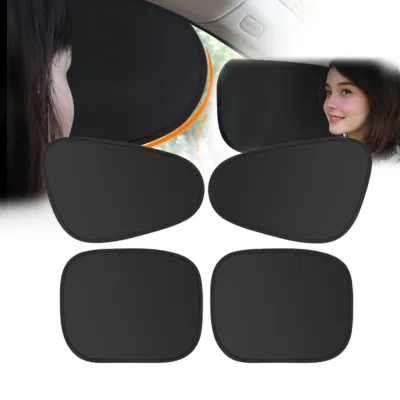
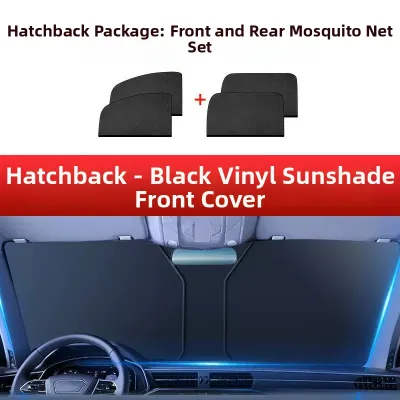
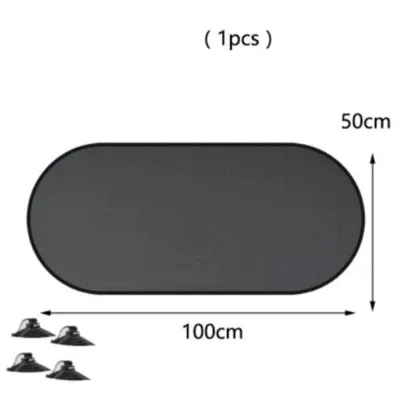
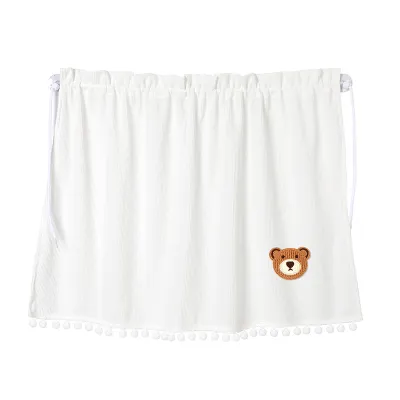
Prices are valid at publication and may change. Please refer to the product page for the latest price.

Suction Cup Curtains
Suction cup curtains rely on a simple vacuum seal to stick directly to the glass surface. This classic design is highly versatile because it can be attached to almost any window regardless of the surrounding frame material. They are easy to install and remove, making them a popular choice for temporary rear-seat shade.
However, grip reliability depends heavily on the condition of both the suction cup and the glass. Dust, grease, and condensation can easily compromise the vacuum seal, causing the curtain to fall unexpectedly. Furthermore, Singapore’s intense tropical sun and high cabin temperatures can heat the glass significantly. This heat causes the air trapped inside the suction cup to expand while softening the plastic cup itself, which often leads to frequent drop-offs during hot afternoons.
Storage is another consideration. While they are easy to pull down, the wire frames or fabric panels can be awkward to fold back into their original compact shape. They often end up tossed onto the back seat or stuffed into door pockets, where they collect dust that further degrades the suction cups’ performance.
Magnetic Curtains
Magnetic curtains utilize small, powerful magnets sewn into the fabric hem to snap directly onto the metal frame surrounding the window. This design offers a clean, custom-fit appearance because the curtain can be shaped to match the exact contours of your specific vehicle model. Because they do not touch the glass, they allow you to roll the window down slightly while keeping the shade intact.
The primary limitation is the material of your car’s window frame. Magnetic curtains require a ferrous metal (steel) frame to function. Many modern vehicles, particularly premium models or electric vehicles, utilize aluminum alloy frames, plastic trim covers, or thick rubber weather stripping that completely covers the metal. If your car’s frame is not magnetic, these curtains cannot be installed.
Additionally, you must pay close attention to how the magnets align with the window’s moving parts. If the magnetic strips are too thick or poorly positioned, they can catch on the rubber weather stripping or the window glass as it slides down into the door pocket. This friction can strain the window regulator motor or damage the rubber seals over time.
Retractable (Roller) Curtains
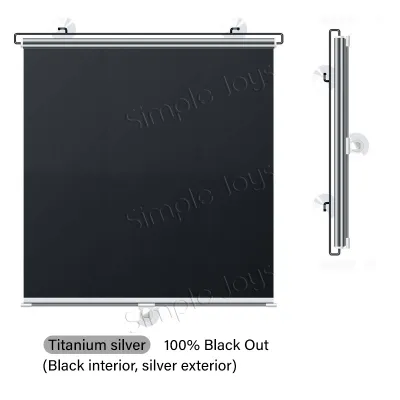
Retractable curtains feature a spring-loaded roller mechanism mounted to either the top or bottom of the door panel. To deploy the shade, you simply pull the fabric out and hook it to the opposite side of the window frame. This semi-permanent setup is highly convenient for daily commuters, allowing you to transition from full shade to an open window in seconds.
The trade-off is a more involved installation process. Most retractable models require mounting brackets that must be secured using strong adhesive tape or, in some cases, small screws drilled directly into the plastic door trim. If the adhesive fails under Singapore’s high cabin heat, the entire roller housing can fall off, potentially scratching the interior door panel.
Over time, mechanical wear is inevitable with roller designs. The internal spring tension can weaken with frequent use, causing the curtain to sag or fail to retract fully. Dust and small debris can also enter the roller housing or the guide tracks, leading to jams that require disassembly to clean and repair.
Static Cling Films and Curtains
Static cling options use electrostatic adhesion to stick directly to the glass without any glue or physical brackets. It is important to distinguish between static cling fabric curtains—which feature a wire frame and a small cling patch—and full static cling window films that cover the entire pane. Both options provide a very low-profile look that does not clutter the car’s interior.
Achieving a reliable bond requires meticulous glass preparation. The window must be thoroughly cleaned and dried to remove all dust, fingerprints, and oily residues. Any tiny speck of dirt left on the glass will create an air bubble, which eventually causes the edges of the film or curtain to peel away.
Because static cling materials are designed to stay flat against the glass, they are not suited for frequent removal. Once you peel a static cling shade off the window, the static charge quickly attracts airborne dust and lint. Reinstalling it requires washing the cling surface with clean water and starting the application process over again, making it a poor choice if you prefer to adjust your shades throughout the day.
Key Decision Factors for Your Car and Usage Habits
Before purchasing a car window curtain, evaluate how your vehicle’s design and your driving habits align with each mechanism. This prevents the frustration of buying an incompatible or tedious shade.
- Window Geometry and Frame Material: Frameless doors, which are common on coupes and modern electric vehicles, have no upper frame to support magnetic curtains. Similarly, highly curved glass or deep window recesses can prevent suction cups from making flat contact, while thick rubber seals can block magnetic attachments.
- Usage Frequency: If you drive daily and frequently carry passengers, a retractable or magnetic curtain offers the quickest deployment. If you only need sun protection during occasional weekend outings, a budget-friendly suction cup model that can be stored in the boot when not needed is often sufficient.
- Storage Constraints: Consider where the curtains will go when they are not in use. Retractable curtains roll away neatly into their housing, leaving your cabin clutter-free. Fabric curtains with suction cups or magnets must be folded and stored, which can take up valuable space in door pockets or glove compartments.
- Legal and Safety Boundaries: Singapore's Land Transport Authority (LTA) maintains strict guidelines regarding driver visibility and window obstructions. Curtains must never block the driver's view of the side mirrors or the road ahead. Using curtains on the front side windows while driving is generally prohibited; they should only be deployed on rear windows or when the vehicle is parked.
How to Verify Compatibility Before You Buy
To avoid returning incompatible products, perform a few quick checks on your vehicle before buying. These steps ensure your chosen curtain mechanism is safe and functional.
First, test your window frames using a standard household magnet. Run the magnet along the upper and side metal frames of your car doors where you plan to mount the curtains. If the magnet does not stick firmly, your vehicle uses aluminum, plastic, or rubber-coated frames, meaning magnetic curtains will not work.
Next, inspect the glass surface itself. Look for factory-installed defroster lines on the rear windscreen or any textured aftermarket tint films. These uneven surfaces create tiny gaps that allow air to enter, which will defeat both suction cups and static cling films. If your glass has these features, a frame-mounted magnetic or retractable curtain is a safer choice.
You must also check for side curtain airbag clearance. Consult your vehicle’s owner’s manual to locate the exact deployment zones for your side airbags. Any mounting brackets, screws, or heavy metal frames associated with retractable or custom-fit curtains must be positioned well clear of these zones to ensure they do not interfere with airbag deployment during an emergency.
Finally, review the return and exchange policies of the online marketplace or retailer. Because car window shapes and dimensions vary widely across different makes, models, and production years, even “universal fit” curtains can sometimes leave gaps or fit too tightly. Choosing a seller that offers hassle-free returns for vehicle accessories provides peace of mind if the fitment is not perfect.
Frequently Asked Questions (FAQ)
Can I use suction cup curtains on windows with aftermarket tint?
Yes, you can use suction cup curtains on windows with aftermarket tint, but you must proceed with caution. High-quality, fully cured tint film can generally withstand the pressure of suction cups, but cheap or newly installed film is at risk of damage. The pulling force exerted when removing a strong suction cup can stretch, bubble, or even peel the tint film away from the glass, especially near the edges. To minimize this risk, always test a small, inconspicuous corner of the window first. When removing the curtain, never pull the fabric directly; instead, slide a fingernail or a plastic card under the release tab of the suction cup to break the vacuum seal gently.
Do magnetic car curtains interfere with power window motors?
The small neodymium or ferrite magnets used in magnetic car curtains are generally too weak to interfere with the internal electric motors, wiring, or electronic sensors of your power windows. However, physical interference is a very real concern. If the magnetic strips or the fabric pockets holding them are bulky, they can catch on the rubber weather stripping or the window glass as it slides down into the door pocket. This added friction can strain the window regulator motor, potentially causing it to overheat or fail prematurely, and can also tear the rubber seals. To prevent this, always ensure the curtain is fully cleared or removed from the window path before operating your power windows.

Community discussion
Share your experience or ask a question. Comments are reviewed before publication.