
Selecting the right car side window sunshade depends heavily on your daily driving patterns, parking conditions, and local climate. In tropical regions like Singapore, where intense sunlight and high humidity are constant challenges, choosing a sunshade requires balancing heat rejection, usability, and legal compliance. Rather than a single universal solution, the three primary types—roll-up, suction cup, and mesh—each serve distinct purposes depending on whether your car is parked or in motion.
Roll-up sunshades excel at reflecting intense radiant heat from parked vehicles, utilizing compact designs that store easily in door bins. Suction cup sunshades provide a highly stable, rigid barrier that fits tightly against the glass, making them a durable choice for stationary cars, provided the glass is kept exceptionally clean. Mesh sunshades, particularly slip-on “sock” styles, offer a unique advantage: they block UV rays and direct glare while allowing you to roll down the windows for natural airflow, which is highly beneficial for cooling down a hot cabin.
When choosing any sunshade, safety must remain the top priority. Any accessory applied to your vehicle’s windows must comply with local traffic regulations. In Singapore, the Land Transport Authority (LTA) maintains strict guidelines regarding driver visibility and window tinting. While the vehicle is in motion, the front side windows must remain completely unobstructed to ensure the driver has a clear, unhindered view of the side mirrors and surrounding traffic.
Products mentioned in this guide
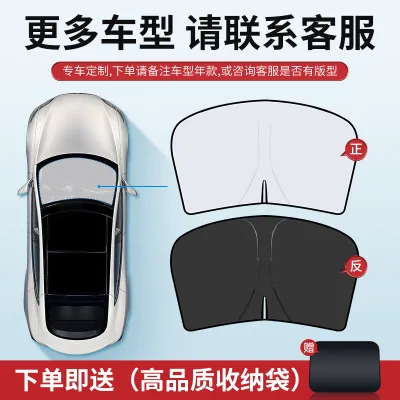
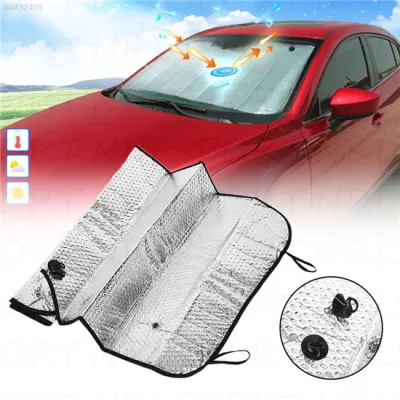
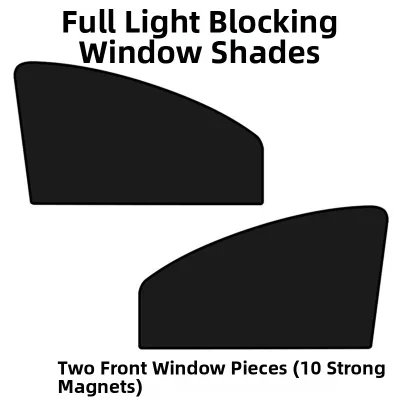
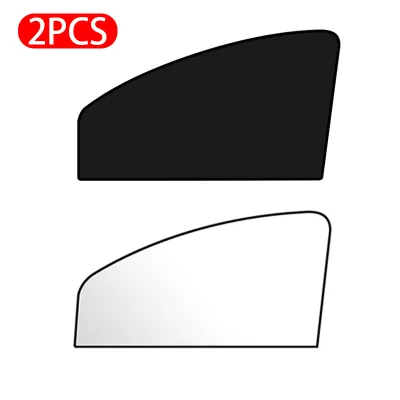
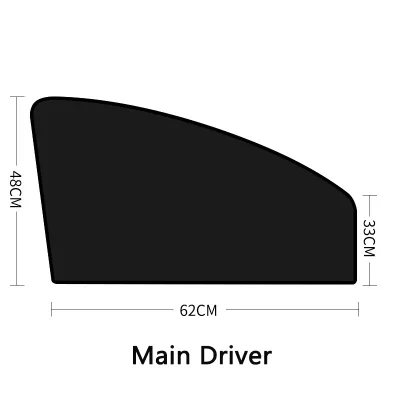
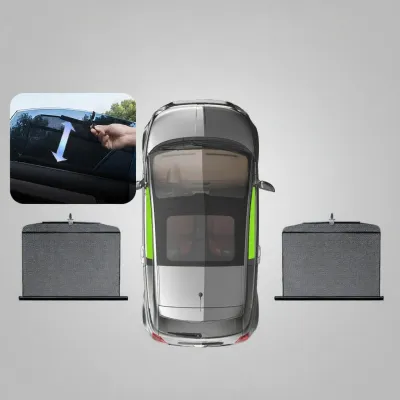
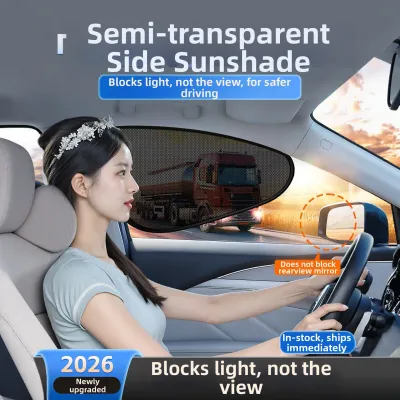
![[SG FREE ] 2Pcs Car Black Window Sunshade Net / Window Front and Rear Side Curtain Cover Automatic Sunshade with Su](https://img.lazcdn.com/g/p/dcbe23efacbb77712a7467e413afd098.jpg_400x400q80.jpg_.webp)
Prices are valid at publication and may change. Please refer to the product page for the latest price.
How Roll-Up, Suction Cup, and Mesh Sunshades Actually Work
Roll-Up Sunshades
Roll-up sunshades feature a mechanical roller system, typically housed in a plastic casing that mounts to the top or bottom of the window frame. The shade material itself is often constructed from a multi-layered material, such as reflective polyethylene foil, aluminized plastic, or densely woven synthetic fabric. When you need shade, you pull the material across the glass and secure it using a small suction cup or a static-cling tab at the opposite end.
The primary benefit of this design is its retractability. When not in use, a spring-loaded internal mechanism retracts the shade back into its housing with a simple button press or tug. This allows you to restore full visibility instantly without removing the entire accessory. When fully retracted, the roll-up shade forms a compact cylinder that fits easily into door pockets or glove compartments, making it highly convenient for daily commuters who frequently transition between shaded and unshaded driving environments.
Suction Cup Sunshades
Suction cup sunshades rely on physical vacuum adhesion to remain fixed to the glass. These shades are generally constructed as rigid or semi-rigid panels. Common materials include corrugated plastic sheets, thick double-sided reflective foil with a bubble-wrap core, or fabric stretched tightly over a flexible steel wire frame. They do not roll or retract; instead, they are designed to cover the specific dimensions of the window panel and are held in place by multiple PVC or silicone suction cups inserted through metal or plastic grommets.
To maintain a secure vacuum seal, these shades require direct, clean contact with the glass surface. Any dust, moisture, or interior glass film residue can cause the suction cups to fail, especially when the vehicle is parked in direct sunlight and the glass temperature rises. Because they are rigid, storing suction cup shades requires folding them—either in half, in an accordion style, or by twisting wire-frame models into a smaller circle. This makes them bulkier to store than roll-ups, often requiring space in the trunk or behind the front seats.
Mesh Sunshades
Mesh sunshades are designed primarily to filter light rather than block it entirely, utilizing a porous, woven synthetic fabric such as polyester or nylon. These shades exist in two main configurations: flat panels that attach to the glass via static cling or suction cups, and slip-on “sock” styles. Static-cling mesh panels use a thin, highly polished vinyl backing that adheres to the glass through molecular attraction, eliminating the need for mechanical fasteners or suction cups.
The slip-on mesh shade, or window sock, represents a completely different approach. Instead of attaching to the glass, it is constructed as a stretchy, double-sided sleeve that slides over the entire upper frame of the car door. This covers both the interior and exterior sides of the window glass. Because the mesh is anchored to the door frame itself rather than the glass, you can roll the window down completely while keeping the shade fully deployed. This unique mechanical separation allows continuous airflow while maintaining shade and insect protection.
Key Comparison Factors for Hot and Sunny Climates
Heat Rejection & UV Protection
When comparing these three options under intense sun, the underlying physics of heat transfer dictate their performance. Solar radiation reaching your vehicle consists of ultraviolet (UV) light, visible light, and near-infrared radiation, which is primarily responsible for heat buildup. Reflective roll-up and suction cup shades work by bouncing this radiant solar energy back through the glass before it can heat up the car’s interior surfaces. This reflective barrier is highly effective at keeping cabin temperatures lower when the vehicle is parked in unshaded areas for extended periods.

In contrast, dark mesh sunshades do not reflect radiant heat; instead, they absorb or block a portion of the incoming visible light and UV rays. While mesh significantly reduces the harsh glare hitting rear passengers and protects sensitive skin, the absorbed heat remains trapped in the fabric, eventually radiating into the cabin. To ensure adequate protection, you should always check the manufacturer’s product label for certified Ultraviolet Protection Factor (UPF) ratings and specific thermal rejection metrics rather than assuming performance based on appearance.
Window Operation & Airflow
The ability to operate your car’s windows while the sunshade is installed is a major differentiator, particularly in humid tropical climates. Roll-up and standard suction cup sunshades are attached directly to the glass or sit flush within the window channel. If you attempt to roll the window down with these shades installed, you risk damaging the window regulator mechanism, peeling off the shade, or jamming the glass inside the door frame. Consequently, these types require the window to remain fully closed at all times.
Slip-on mesh shades completely bypass this limitation. Because the elasticized mesh stretches over the exterior and interior door frame, the window glass can move freely up and down inside the sleeve. This allows you to park your car with the windows cracked open by a few centimeters, encouraging natural convective cooling and preventing heat buildup without exposing the interior to rain, dust, or pests.
Visibility & Driving Safety
Driving safety must be your primary consideration when choosing an accessory that alters your view through the vehicle’s glass. Reflective roll-up and rigid suction cup shades are completely opaque. They block all light and outward visibility, meaning they must never be used on any window that the driver relies on for safe operation while the vehicle is in motion.
Mesh shades offer semi-transparency, but they still degrade outward visibility, especially during heavy rain, twilight, or night driving. In Singapore, the Land Transport Authority (LTA) mandates strict visibility requirements for front side windows to ensure drivers have an unobstructed view of their side mirrors. While mesh shades are generally safe and legal for rear side windows, you must ensure that no sunshade blocks your forward or side-mirror sightlines while driving. During heavy tropical downpours, even rear-passenger mesh shades should be evaluated to ensure they do not unsafely compromise the driver’s overall situational awareness.
Durability & Glass Compatibility
The longevity of a sunshade is heavily influenced by its mounting method and exposure to heat. Suction cups made of standard PVC tend to degrade, harden, and lose their flexibility when subjected to continuous UV exposure and high glass temperatures, leading to frequent falls. Additionally, suction cups can leave unsightly circular residue rings on the glass that require regular cleaning.
If your vehicle has aftermarket window tinting film installed, you must exercise extreme caution. The constant application, removal, and physical pulling force of strong suction cups or high-tack static cling materials can cause the tint film to lift, bubble, or peel at the edges. Slip-on mesh shades avoid this risk entirely, as they make no physical contact with the glass or the interior tint film.
Performance Comparison Matrix
The following table summarizes how each sunshade type performs across key operational and physical dimensions:
| Comparison Dimension | Roll-Up Sunshades | Suction Cup Sunshades | Mesh Sunshades (Slip-On) |
|---|---|---|---|
| Heat Rejection Mechanism | Reflects radiant heat | Reflects radiant heat | Absorbs and blocks glare |
| Window Operation | Must remain fully closed | Must remain fully closed | Can be rolled up or down |
| Outward Visibility | Completely blocked | Completely blocked | Partially obscured |
| Storage Convenience | High (retracts into cylinder) | Low (requires folding/flat storage) | Medium (folds flat, soft fabric) |
| Tint Film Compatibility | Variable (depends on mount) | Risk of film delamination | High (no glass contact) |
Decision Framework: Which Type Fits Your Vehicle?
Choose Roll-Up Sunshades If:
- Your priority is quick deployment in parked cars: You want an accessory that can be pulled down instantly when you park and retracted before you drive off.
- Storage space is limited: You prefer a low-profile design that can remain mounted to the window frame or stored neatly in a door pocket without cluttering the cabin.
- You want cost-effective heat reflection: You need a budget-friendly option (typically ranging from S$10 to S$25) that effectively blocks direct solar radiation.
Choose Suction Cup Sunshades If:
- You require maximum glass coverage: You want a rigid panel that can be positioned precisely to cover the entire surface area of a specific window.
- Your car remains parked outdoors for long periods: You need a heavy-duty, multi-layered reflective barrier that won't sag or droop under prolonged heat exposure.
- You do not mind regular maintenance: You are willing to clean the glass and the suction cups periodically to maintain a strong vacuum seal.
Choose Slip-On Mesh Sunshades If:
- You want to ventilate a parked car: You want to leave your side windows slightly open to let heat escape while keeping the interior shaded and protected from insects.
- You need to shade rear passengers while driving: You want to protect children or pets in the back seat from direct sunlight and UV glare while maintaining some outward visibility.
- Your vehicle has aftermarket window tint: You want to avoid placing any adhesive, static cling, or suction cups directly onto your expensive window film.
Crucial Verification Steps Before Purchase
Before buying any car side window sunshade, verify the exact dimensions of your vehicle’s door frames and glass panels. Do not assume a “universal fit” label will work perfectly on your specific model.
- Check window geometry: Heavily curved or frameless windows (common on coupes and some electric vehicles) cannot accommodate slip-on mesh shades and may prevent rigid suction cup panels from sealing properly.
- Inspect door clearances: Ensure that slip-on mesh shades do not interfere with door seals, weatherstripping, or automatic door-closing mechanisms.
- Test mirror visibility: Confirm that any installed shade does not block your view of the side mirrors from your normal driving position.
Installation, Maintenance, and Crucial Safety Checks
Proper Glass Preparation
To ensure suction cup or static cling sunshades remain securely attached, you must prepare the glass surface thoroughly. Dust, grease, fingerprint oils, and glass cleaner residue can significantly weaken the physical bond or vacuum seal.
- Clean the interior glass surface using a lint-free microfiber cloth and an ammonia-free glass cleaner. Ammonia-based cleaners can degrade aftermarket window tints and leave a slippery film.
- Alternatively, use a 50/50 mixture of distilled water and isopropyl alcohol to strip away stubborn oils and residues.
- Wipe the surface dry completely to prevent moisture from trapping under static cling shades, which can cause unsightly bubbling.
- Clean the suction cups themselves with warm, soapy water to remove any accumulated dust or oils, and allow them to air dry before installation.
Protecting Aftermarket Window Tint
Aftermarket window tint films are applied to the interior surface of your car’s glass and are susceptible to physical damage from high-adhesion accessories.
- Consult your window tint installer's warranty and care guidelines before applying any suction cup or static-cling sunshade.
- Avoid sliding or dragging suction cups across the glass, as this can scratch or tear the thin polyester tint film.
- If you must use suction cups on tinted glass, pull the release tab on the cup gently to break the vacuum seal before removing the shade; never pull the shade frame directly.
Managing Thermal Stress and Heat Trapping
Placing a highly reflective, opaque sunshade directly against the glass can trap a significant amount of thermal energy in the narrow air gap between the shade and the window pane.
- Under intense tropical sunlight, this trapped heat can cause extreme thermal expansion of the glass, potentially stressing the window or damaging the adhesive bond of aftermarket tints.
- If the manufacturer recommends it, leave a slight gap between the shade material and the glass to allow convective airflow, or use shades equipped with small built-in spacers.
Cleaning and Maintaining Mesh Fabric
Slip-on mesh shades are exposed to both interior dust and exterior road grime, exhaust soot, and pollen.
- Wash slip-on mesh shades regularly by hand in cool water with a mild detergent to prevent dirt from transferring to your door upholstery or blowing into the cabin when the window is down.
- Inspect the elastic hem and stitching regularly for signs of wear or fraying.
- Avoid stretching the mesh aggressively over sharp metal door corners or rough plastic trim, as this can puncture or tear the delicate woven fabric.
Road Legality and Safety Boundaries
Operating a vehicle with obstructed windows is a serious safety hazard and a violation of traffic laws in many jurisdictions, including Singapore.
- Front Side Windows: These must remain completely clear of any opaque or heavily tinted shades while the vehicle is in motion to ensure the driver has an unobstructed view of the side mirrors and blind spots.
- Rear Side Windows: While sunshades are generally permitted on rear passenger windows, they must not interfere with the driver's rearward visibility through the rearview mirror.
- Side Airbag Deployment: Ensure that slip-on mesh shades or any frame-mounted sunshades do not block or interfere with the deployment paths of side curtain airbags located in the roofline or pillars.
- Emergency Situations: Ensure that any installed sunshade does not block access to door handles, window switches, or emergency glass-breaking tools.
Frequently Asked Questions (FAQ)
Can I use a suction cup sunshade on a window with aftermarket tint?
Yes, but it carries a significant risk of damaging the film. The suction force and the heat trapped between the shade and the glass can cause the tint film to peel, bubble, or delaminate over time. If you decide to use them, ensure you break the vacuum seal gently using the suction cup’s release tab rather than pulling the shade itself. For tinted windows, non-contact options like slip-on mesh shades are generally a much safer alternative.
Do mesh sunshades block more heat than reflective ones?
No, mesh sunshades generally block less overall heat than reflective foil shades. Reflective materials physically bounce radiant infrared energy away from the vehicle, preventing it from entering the cabin. Mesh shades work by absorbing and diffusing visible light and UV rays, which reduces direct glare on your skin but still allows a portion of the thermal energy to transfer into the car. For maximum heat rejection in a parked car, reflective shades are superior; for glare reduction while driving, mesh is preferred.
Will slip-on mesh sunshades fit all car models?
No, slip-on mesh shades are not universally compatible with every vehicle. While they are made from highly elastic materials, they have physical stretching limits and are designed primarily for standard rectangular or slightly curved door frames. Vehicles with frameless windows (such as many coupes, convertibles, and modern electric cars), extremely large SUV door frames, or highly irregular window geometries will not be able to accommodate slip-on mesh shades securely. Always measure your door frame’s height and width before purchasing.
Community discussion
Share your experience or ask a question. Comments are reviewed before publication.