
Choosing between a stick-on and a clip-on blind spot mirror comes down to your vehicle’s side mirror design, your aesthetic preferences, and how permanently you want to modify your car’s exterior accessories. Stick-on mirrors offer flexible placement and a low-profile look but leave adhesive residue, while clip-on mirrors provide secure, damage-free removal but require a compatible mirror lip. Assessing your vehicle’s specific mirror shape and housing edge is the most reliable way to determine which mounting type will perform safely and effectively on the road.
Assessing Your Side Mirror Design for Compatibility
Before purchasing any car blind spot mirror, inspect the physical structure of your vehicle’s side mirrors. Start by examining the mirror glass itself. Look at the curvature and identify how much flat surface area is available. Stick-on models require a flat section of glass to establish a secure bond, so heavily contoured or highly convex glass can limit your placement options.
Next, examine the outer housing of the side mirror. Feel the edge or lip where the plastic housing meets the glass. If you are considering a clip-on model, this edge must have a defined, accessible lip with a thickness that matches the clip’s specifications. Measure this thickness carefully, as many modern vehicles feature aerodynamic, tapered, or completely frameless mirror housings that lack a physical lip for a mechanical clamp to grip.
Products mentioned in this guide
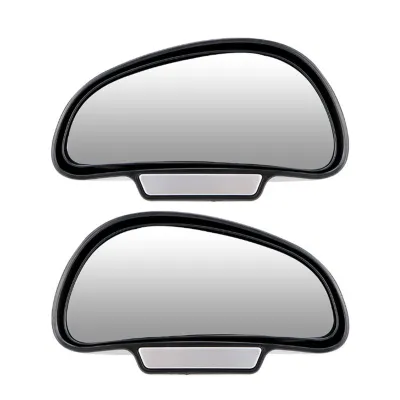
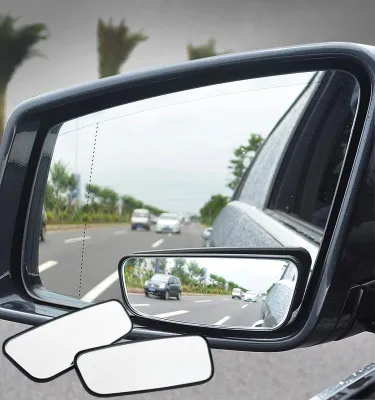
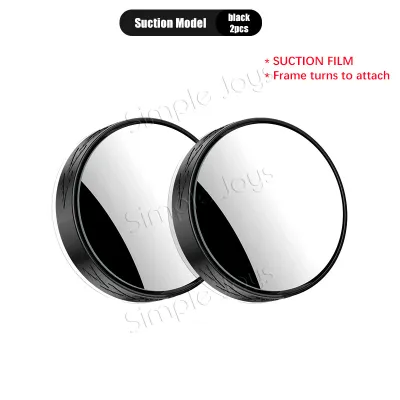
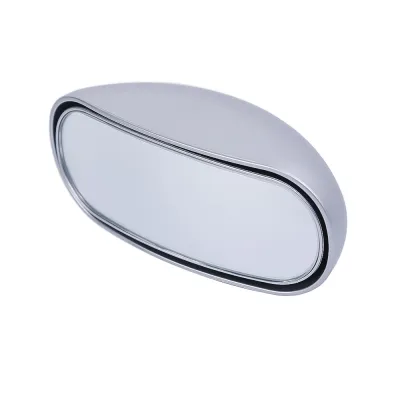
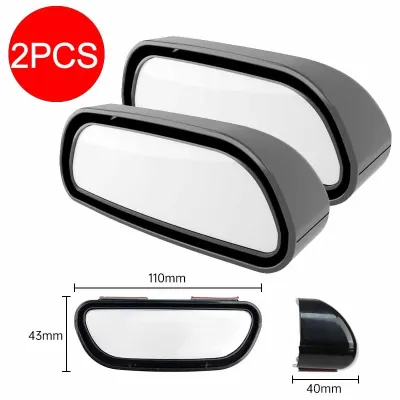
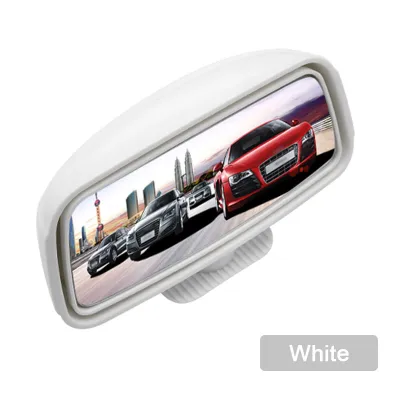
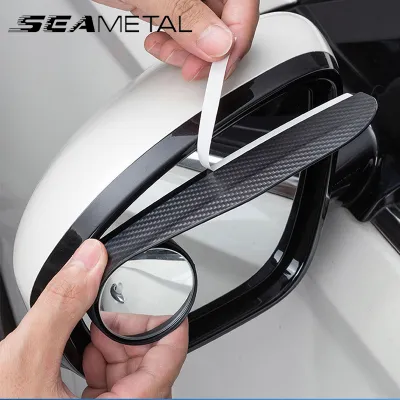
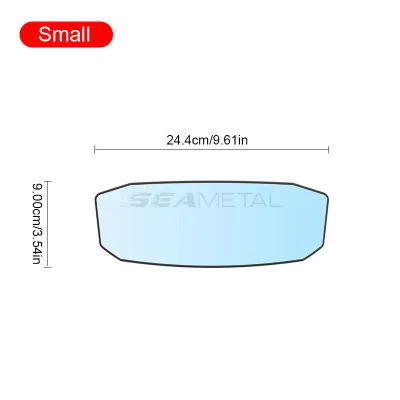
Prices are valid at publication and may change. Please refer to the product page for the latest price.
It is also essential to consult your vehicle owner’s manual to identify any integrated safety systems. Many modern cars feature built-in Blind Spot Monitoring (BSM) systems, which use illuminated indicators on or near the mirror glass. You must ensure that any aftermarket mirror you install does not obstruct these indicators, block built-in cameras, or interfere with auto-dimming heating elements.
Finally, note that frameless side mirrors or those with extremely tight tolerances between the glass and the outer shell typically rule out clip-on options entirely. Attempting to force a mechanical clip into a tight gap can pinch the glass, restrict the motorized adjustment mechanism, or scratch the housing.
Stick-On Blind Spot Mirrors: Adhesive Mounting Explained
Stick-on blind spot mirrors utilize a double-sided adhesive backing to attach directly to your existing side mirror glass. This design provides exceptional placement flexibility. You can position the mirror in the outermost upper or lower corner of your side mirror, depending on where it provides the most useful extension of your field of view without blocking your primary line of sight.

The durability of an adhesive mount depends heavily on the preparation of the glass surface and the quality of the adhesive pad. When installed on a thoroughly cleaned, grease-free surface, high-quality automotive-grade adhesives are designed to withstand diverse weather conditions, including heavy rain, high humidity, and the high-pressure sprays of automated car washes. However, over several years, constant exposure to intense sunlight and temperature fluctuations can gradually degrade the adhesive bond, potentially requiring replacement.
Removing a stick-on mirror requires patience to avoid scratching or cracking the primary mirror glass. The safest method involves using a hair dryer or heat gun on a low setting to gently warm and soften the adhesive backing. Once softened, you can use a piece of dental floss or a plastic trim tool to slice through the adhesive layer. Any remaining sticky residue can be cleaned off using a dedicated adhesive remover, provided you verify that the cleaner is safe for automotive glass and will not degrade the surrounding plastic housing.
For vehicles with frameless side mirrors or highly aerodynamic, curved housings, stick-on mirrors are often the only viable aftermarket option. Because they do not rely on an external frame or lip, they maintain a low-profile, integrated appearance that blends seamlessly with the vehicle’s original styling.
Clip-On Blind Spot Mirrors: Mechanical Mounting Explained
Clip-on blind spot mirrors rely on mechanical clamping mechanisms, such as metal or plastic clips, screws, or spring-tensioned brackets, to secure themselves to the outer edge of the side mirror housing. To achieve a secure hold, the clip must match the thickness and profile of your mirror’s outer lip. If the lip is too thick, the clip will not seat fully; if it is too thin or tapered, the mirror may wobble or slide off under wind pressure.
One of the primary concerns with mechanical mounts is the risk of scratching or gouging the vehicle’s paint or plastic housing during installation and daily use. To mitigate this risk, look for clip-on mirrors that include protective rubber or foam padding on the clamping surfaces. When tightening any screws or clamps, apply pressure gradually and avoid overtightening, which can crack the plastic housing or pinch the mirror glass.
The standout advantage of a clip-on mirror is its ease of repositioning and temporary removal. Because there is no adhesive involved, you can easily adjust the mirror’s position, transfer it to another vehicle, or remove it entirely when selling the car. This makes clip-on mirrors highly popular for drivers who use rental cars, fleet vehicles, or shared family cars.
However, clip-on mirrors face significant limitations on modern vehicle designs. Many contemporary cars feature thick, beveled, or heavily curved mirror edges designed to reduce wind noise. These aerodynamic shapes often lack the flat, parallel surfaces required for a mechanical clip to grip securely, making installation difficult or impossible without modifying the housing.
Direct Comparison: Stick-On vs Clip-On Mirrors
To help you evaluate these two mounting styles, consider how they perform across key practical dimensions. The following comparison highlights the primary trade-offs of each design:
| Feature | Stick-On Mirrors | Clip-On Mirrors |
|---|---|---|
| Installation Ease | Very high; requires simple surface cleaning and pressing into place. | Moderate; requires aligning clips and tightening screws or brackets. |
| Permanence | Semi-permanent; adhesive is designed for long-term attachment. | Temporary; easily removed or transferred to another vehicle. |
| Mirror Compatibility | Universal; fits almost any flat glass surface, including frameless designs. | Limited; requires a defined, compatible outer housing lip. |
| Vibration Resistance | High; adhesive dampens road vibrations effectively. | Variable; depends on clamp tightness and spring tension. |
| Removal Cleanup | Requires heat and adhesive remover to clean residue from glass. | Clean removal; leaves no residue, but may scratch if unpadded. |
Beyond installation, the visual profile of each mount affects your vehicle’s aesthetics and aerodynamics. Stick-on mirrors sit flush against the glass, creating minimal aerodynamic drag and maintaining a clean, factory-like appearance. Clip-on mirrors, by contrast, extend outward or upward from the housing, which can create a more prominent visual profile and slightly increase wind noise at highway speeds.
Long-term durability also differs between the two types. While stick-on mirrors are subject to adhesive degradation from UV exposure and moisture, clip-on mirrors are vulnerable to mechanical wear. Over time, the metal springs or plastic clips can suffer from fatigue, especially if exposed to harsh road salt, vibration, and temperature extremes, which can lead to a loose fit.
Vibration resistance is a critical safety factor when driving at highway speeds. Because stick-on mirrors are bonded directly to the glass, they move in unison with the vehicle’s side mirror, offering a stable, vibration-free image. Clip-on mirrors, depending on the rigidity of their mounting brackets, can sometimes suffer from high-speed flutter or vibration on uneven road surfaces, which can distort the reflected image and make it harder to judge distances.
Decision Framework: Which Mount Should You Choose?
To make your final decision, evaluate your vehicle’s specific physical characteristics and your personal driving habits.
Choose a stick-on mirror if you drive a vehicle with frameless side mirrors, highly aerodynamic housings, or heavily curved glass. This option is also ideal if you prefer a low-profile, integrated look, want a highly stable image at highway speeds, and do not mind performing a bit of cleanup when it comes time to remove or replace the mirror.
Choose a clip-on mirror if your vehicle’s side mirrors have a distinct, flat, and accessible outer lip that can accommodate a mechanical clamp. This style is perfect if you want the flexibility to transfer the mirror between different vehicles, prefer to avoid dealing with sticky adhesive residue, or want a temporary solution that can be removed in seconds.
Before making any purchase, verify whether your car features factory-installed Blind Spot Monitoring (BSM) indicators or other integrated sensors in the side mirrors. You must ensure that the placement of your aftermarket mirror—whether stuck to the glass or clipped to the frame—does not block these critical safety warnings or interfere with the mirror’s motorized adjustment range.
If you are unsure whether an aftermarket mirror will interfere with your vehicle’s advanced driver-assistance systems (ADAS), heated glass elements, or auto-dimming features, stop and consult your vehicle’s manufacturer or a qualified automotive technician before proceeding with the installation.
Frequently Asked Questions (FAQ)
Will stick-on blind spot mirrors damage my side mirror glass?
No, the adhesive backing on stick-on mirrors will not damage standard automotive glass. However, removing them can leave behind a stubborn layer of sticky residue. To prevent scratches, avoid using metal blades or abrasive scrubbers to remove this residue. Instead, use a plastic scraper or a soft cloth dampened with an automotive-safe adhesive remover, and always check the product label to ensure it is safe for use near plastic mirror housings.
Can I use a clip-on blind spot mirror on a convex side mirror?
Clip-on mirrors do not attach to the glass itself, but rather to the outer plastic housing. Therefore, you can use them on a vehicle with convex glass, provided the outer housing has a compatible, flat edge for the clamp to grip. If your side mirror is frameless or has a highly tapered, aerodynamic shell, a clip-on model will not have enough surface area to grip securely, making a stick-on mirror the safer choice.
Do blind spot mirrors replace the need to check over my shoulder?
No, aftermarket blind spot mirrors are designed to enhance your situational awareness and widen your field of view, but they do not completely eliminate all blind zones. They should be used as a supplementary tool alongside your vehicle’s standard mirrors. You must still perform physical shoulder checks and look directly at adjacent lanes before executing any lane changes or turns to ensure maximum safety on the road.

Community discussion
Share your experience or ask a question. Comments are reviewed before publication.