
Choosing between a frameless and a framed car blind spot mirror depends on your vehicle’s existing side mirror design, your aesthetic preferences, and how much reflective surface area you can afford to allocate. Frameless mirrors offer a sleek, edge-to-edge glass surface that blends seamlessly with modern vehicle designs, making them ideal for smaller side mirrors where every millimeter of reflective space counts. Framed mirrors, which often feature adjustable swivel mounts or mechanical clip-on brackets, provide greater flexibility in angle adjustment but occupy a larger physical footprint. Selecting the right design requires balancing visual clarity, aerodynamic stability, and long-term durability under local driving conditions.
Understanding Frameless and Framed Blind Spot Mirrors
To make an informed choice, you must first understand the structural differences between these two primary categories of aftermarket accessories. Frameless blind spot mirrors consist of a piece of convex glass with polished, beveled edges and no outer border. They typically mount directly to the host mirror glass using a high-strength, double-sided adhesive backing. Because they lack a plastic bezel, they present a minimalist profile that mimics original equipment manufacturer (OEM) styling.
In contrast, framed blind spot mirrors feature a protective plastic or metal border surrounding the convex glass. This frame can serve multiple purposes: it protects the glass edges from chipping, houses a swivel joint that allows you to tilt the mirror independently of the host glass, or supports mechanical clips that clamp onto the outer housing of your side mirror. Some framed models use adhesive backings, while others rely entirely on these mechanical tension clips.
Products mentioned in this guide
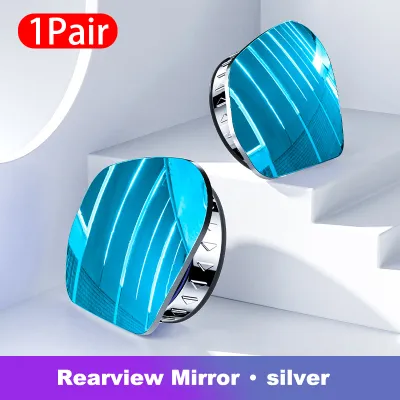
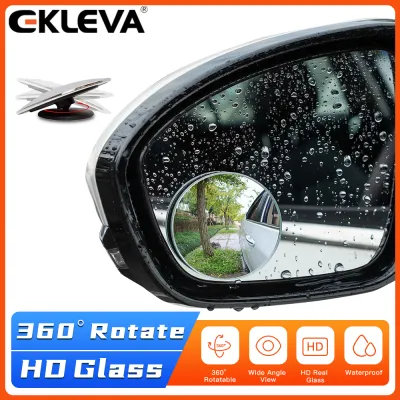
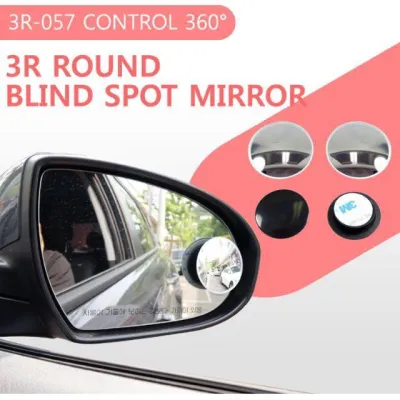
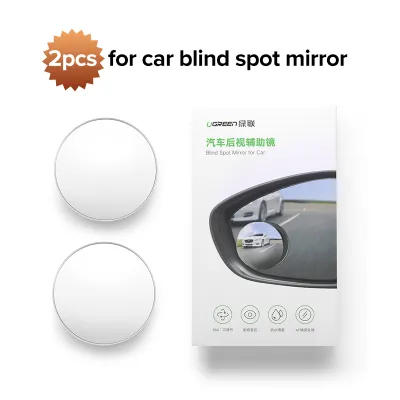
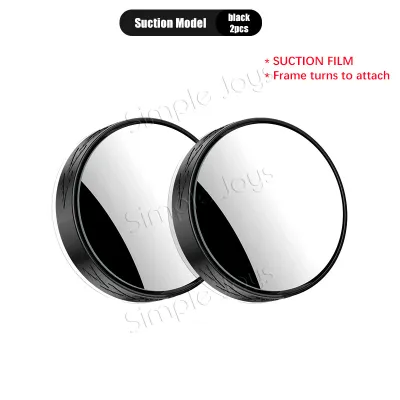
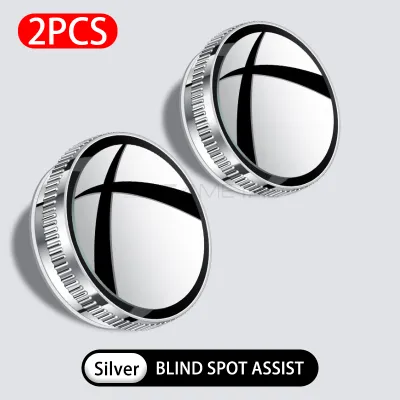
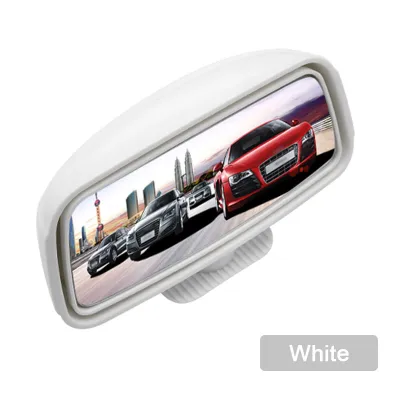
Prices are valid at publication and may change. Please refer to the product page for the latest price.
Compatibility with your vehicle’s side mirrors depends heavily on the shape and curvature of the host glass. Modern cars feature side mirrors with flat, curved, or tapered outer edges designed to optimize aerodynamics. Frameless stick-on mirrors require a flat portion of the host glass for secure adhesive contact; if placed on a highly curved section, the adhesive pad may not bond fully, leading to premature failure. Framed clip-on mirrors, on the other hand, require a sufficient gap between the mirror glass and the outer plastic housing to accommodate the mounting brackets.
Before purchasing any car blind spot mirror, you must measure the total surface area of your host mirror. Adding an aftermarket mirror inevitably blocks a portion of your standard rearward view. If your vehicle has compact side mirrors, a large framed mirror might obstruct too much of your primary view, creating a new hazard. Additionally, you must check for integrated features such as auto-dimming glass, heating elements, or blind-spot monitoring indicator lights embedded in the glass, as covering these features can disable important safety systems.
Visibility, Glare, and Field of View
The primary function of a car blind spot mirror is to expand your lateral field of view, allowing you to spot vehicles in adjacent lanes before initiating a lane change. However, the physical design of the mirror significantly influences how much usable visual information you receive. Framed mirrors, by design, introduce a plastic bezel around the reflective glass. This bezel can measure anywhere from two to five millimeters in thickness, which reduces the active reflective surface area compared to a frameless mirror of the exact same outer dimensions. For drivers of compact cars, this minor reduction in glass area can noticeably limit the detail visible in the blind spot.

The optical curvature of the mirror also plays a critical role in visibility. Most blind spot mirrors use a convex design to compress a wider field of view into a small space, which naturally introduces some visual distortion. Aspheric designs, which feature a dual-curvature glass surface that transitions from flat to highly curved, offer a more natural perspective with less distortion at the outer edges. While both framed and frameless options are available with convex glass, high-quality aspheric glass is more commonly found in premium frameless designs due to the precise manufacturing required for edge-to-edge glass integration.
Night driving introduces another set of visual challenges, particularly regarding headlight glare from trailing vehicles. Frameless mirrors with polished, beveled edges allow light to pass cleanly to the edge of the glass, but they can sometimes create a ring of scattered light along the perimeter when hit by high-intensity headlights. Framed mirrors use their plastic borders to shield the edges of the glass, which can help block peripheral light scattering. However, if the framed mirror is mounted on a swivel base that sits high off the host glass, it may catch and reflect headlights from vehicles in adjacent lanes at unexpected angles, causing temporary distraction.
Aesthetics, Aerodynamics, and Weather Resistance
For many car owners, maintaining the clean, aerodynamic lines of their vehicle is a priority. Frameless blind spot mirrors excel in this regard, offering a low-profile, integrated appearance that looks like a factory-installed feature. Because they sit nearly flush against the host mirror glass, they do not disrupt the visual flow of your vehicle’s exterior. Framed options, particularly those with adjustable swivel mounts or bulky clip-on brackets, tend to stand out significantly, which some drivers find visually disruptive to their vehicle’s styling.
Aerodynamics also affect cabin comfort and fuel efficiency, especially during highway driving on expressways like the PIE or AYE. At higher speeds, any object protruding from the side of your vehicle can generate wind resistance and turbulence. Frameless mirrors, with their slim profiles and beveled edges, allow air to flow smoothly across the mirror face with minimal disruption. Bulky framed mirrors, especially those that sit on raised swivel bases, can catch the wind, creating a localized low-pressure zone that may result in noticeable wind noise or whistling at cruising speeds.
Weather resistance is a critical consideration in tropical climates characterized by intense sunlight, high humidity, and heavy rainfall. Framed mirrors have internal crevices where water, road grime, and soap residue can pool after rain or a car wash. Over time, this trapped moisture can degrade the internal swivel mechanism or lead to corrosion if metal components are present. Frameless mirrors do not have these crevices, allowing water to run off freely. However, the high humidity and intense heat can accelerate the degradation of the double-sided adhesive used to mount frameless mirrors. To prevent adhesive failure, you must verify that the product uses high-grade, weather-resistant acrylic foam tape designed to withstand sustained thermal expansion and moisture exposure.
Installation, Durability, and Maintenance
The longevity and safety of your car blind spot mirror depend heavily on proper installation and ongoing maintenance. For adhesive-based frameless mirrors, surface preparation is the single most important factor determining bond strength. You must thoroughly clean the host mirror glass using isopropyl alcohol to remove all traces of road film, wax, and glass cleaner residue. The adhesive must be applied in dry conditions and allowed to cure—typically for 24 hours—before exposing the vehicle to high speeds, heavy rain, or car washes.
Framed mirrors that utilize mechanical clips offer a different set of installation challenges. While they do not require curing time, you must carefully adjust the tension of the mounting brackets to ensure a secure fit without putting excessive pressure on the host mirror housing or glass. Over-tightening can crack the host glass or damage the internal motorized adjustment gears. Once installed, you must test both types of mirrors for vibration stability. At highway speeds, a vibrating blind spot mirror produces a blurred image, rendering it useless for quick lane checks. If you observe any movement or fluttering, you must stop and secure the mount before continuing your journey.
Long-term maintenance differs significantly between the two designs. Framed mirrors require regular cleaning with a soft brush to clear dirt, salt, and debris from the border crevices, which can otherwise scratch the glass or jam the swivel joint. When cleaning frameless mirrors, you must avoid using harsh chemical solvents or ammonia-based glass cleaners, as these liquids can seep behind the glass and dissolve the adhesive bond over time. Instead, use a mild car shampoo or dedicated automotive glass cleaner applied to a microfiber cloth, wiping gently from the center outward to avoid catching the beveled edges.
Decision Framework: Choosing the Right Mirror for Your Car
To select the ideal blind spot mirror for your vehicle, you should evaluate your specific driving habits, mirror geometry, and aesthetic preferences. Use the following guidelines to narrow down your choices based on practical, observable conditions.
Choose a frameless blind spot mirror if:
- Your vehicle has compact or highly styled side mirrors where maximizing the remaining reflective surface area is critical.
- You prefer a clean, low-profile, OEM-style appearance that blends seamlessly with your car's exterior.
- You primarily drive at highway speeds and want to minimize wind noise and aerodynamic drag.
- You are comfortable with a fixed viewing angle and do not need to adjust the blind spot mirror independently of your main side mirror.
Choose a framed blind spot mirror if:
- Multiple drivers of different heights share the vehicle, requiring frequent adjustments to the blind spot viewing angle via a swivel mount.
- Your side mirrors have a deep outer housing that can securely accommodate mechanical clip-on brackets without interfering with the glass movement.
- You want a physical border that protects the edges of the convex glass from chipping during tight parking maneuvers or washing.
- You prefer a mechanical mounting system over adhesive tapes due to concerns about high-humidity adhesive degradation.
Verify first if your vehicle has:
- Heated Side Mirrors: Ensure that adhesive pads or mechanical clips do not interfere with the heating elements or cause localized thermal stress that could crack the glass.
- Auto-Dimming Glass: Confirm that placing an aftermarket mirror does not cover the light sensors that control the dimming function.
- Integrated Turn Signals or Cameras: Verify that the mounting position does not obstruct built-in LED indicators, blind-spot warning lights, or surround-view cameras located on the underside or face of the side mirror housing.
| Feature | Frameless Mirror | Framed Mirror |
|---|---|---|
| Mounting Method | Double-sided adhesive tape | Adhesive tape or mechanical clips |
| Visual Profile | Low-profile, edge-to-edge glass | Raised profile, plastic/metal bezel |
| Adjustability | Typically fixed (some adhesive swivel options exist) | Highly adjustable via integrated swivel joints |
| Usable Reflective Area | Maximized (no border obstruction) | Slightly reduced by the outer bezel |
| Wind Noise Potential | Minimal due to slim, beveled design | Moderate to high depending on swivel height |
| Maintenance Focus | Adhesive bond checks; avoid harsh solvents | Crevice cleaning; swivel mechanism lubrication |
Frequently Asked Questions (FAQ)
Can I use a blind spot mirror on a heated or auto-dimming side mirror?
You must exercise caution when applying aftermarket accessories to advanced side mirrors. For heated mirrors, thick adhesive pads can act as thermal insulators, reducing the heat transfer to the blind spot mirror glass while potentially causing uneven heat distribution across the host glass. For auto-dimming mirrors, you must ensure the blind spot mirror does not cover any ambient light sensors embedded in the glass. Always consult your vehicle owner’s manual or contact the manufacturer to verify if aftermarket attachments are permitted on your specific mirror model.
Are there legal restrictions on blind spot mirror placement in Singapore?
In Singapore, aftermarket vehicle modifications must comply with Land Transport Authority (LTA) guidelines, which prioritize road safety and driver visibility. Any accessory added to your side mirrors must not obstruct your primary forward or rearward field of view, nor should it protrude excessively beyond the physical width of the vehicle. To maintain compliance and safety, place the blind spot mirror on the outermost lower or upper corner of your host mirror, ensuring you retain a clear, unobstructed view of the main reflective surface for standard lane-monitoring tasks.
How do I safely remove a stick-on blind spot mirror without damaging the housing?
To remove an adhesive-mounted mirror safely, you should soften the adhesive bond first. Use a hair dryer on a low-heat setting to gently warm the blind spot mirror glass, taking care not to overheat the host mirror housing. Once the adhesive is warm and pliable, slide a piece of dental floss or high-strength fishing line behind the blind spot mirror, using a sawing motion to slice through the foam tape. To clean off any remaining residue, apply a mild, automotive-safe adhesive remover to a microfiber cloth, testing it first on an inconspicuous area of the plastic housing to ensure it does not cause discoloration or damage.
Community discussion
Share your experience or ask a question. Comments are reviewed before publication.