
Choosing the best small window sun shield for your car’s side windows depends on whether you prioritize permanent convenience (retractable roller), seamless coverage without residue (static cling mesh), or temporary flexibility (suction cup panel). In tropical climates like Singapore, where intense sunlight and high cabin temperatures are daily realities, selecting the right shade involves balancing ease of use, installation effort, and glass coverage. This comparison evaluates how each type performs on side windows, helping you protect passengers and preserve your vehicle’s interior without compromising safety or visibility.
Identifying Your Side Window Priorities
Before purchasing any interior accessory, it is essential to define your primary constraints and daily driving habits. The frequency with which you operate your side windows is a critical factor. If you regularly roll down your rear windows for fresh air or at carpark gantries, a shade that moves with the glass or retracts instantly will serve you better than one that physically blocks the window’s path.
Passenger visibility and comfort also play a major role in your decision. While a thicker shade offers superior heat rejection, it can significantly reduce outward sightlines, which is a safety concern for the driver checking blind spots. You must weigh the need for shade against the necessity of maintaining clear visibility through your side glass.
Products mentioned in this guide
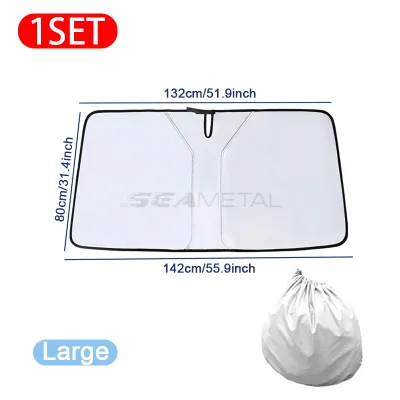
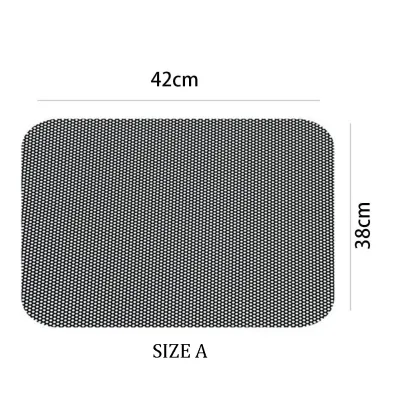
Prices are valid at publication and may change. Please refer to the product page for the latest price.
Aesthetic preferences and your tolerance for permanent fixtures are equally important. Some car owners prefer a clean, integrated look that mimics factory-installed shades, while others prefer temporary options that can be completely removed and stored out of sight when not in use. Your willingness to perform minor modifications or apply semi-permanent mounts to your door panels will guide you toward specific product categories.
Finally, budget considerations and installation effort should align with your expectations. While basic panels are highly affordable and require zero setup, more complex retractable systems may demand precise alignment and mechanical mounting. Understanding these trade-offs beforehand ensures you select a solution that fits both your lifestyle and your vehicle’s cabin design.
Retractable Roller Shades: Permanent Convenience
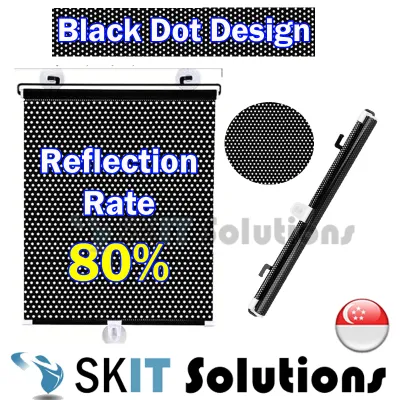
Retractable roller shades offer a highly convenient solution for drivers who want sun protection available at a moment’s notice. These shades typically feature a spring-loaded roller mechanism housed in a slim casing that mounts to either the top or bottom of the door panel. When needed, you simply pull the shade across the glass and secure it with a clip or suction cup; when finished, a quick release retracts the mesh back into its housing.

Evaluating the mechanical reliability of the rolling mechanism is crucial before installation. Over time, exposure to high cabin temperatures can affect the internal spring tension, potentially leading to slower retraction or sagging mesh. Checking the manufacturer’s specifications regarding spring durability and housing materials can help you gauge long-term performance.
Installation requirements vary significantly and require careful physical verification against your vehicle’s door design. Some roller shades clip directly over the top edge of the window glass, while others use adhesive strips or screws to mount to the interior door trim. You must ensure that the housing does not interfere with window switches, door handles, armrests, or the smooth operation of the window glass itself.
Coverage completeness is another important consideration. Because roller shades are rectangular, they rarely match the curved or angled contours of modern side windows perfectly. This design limitation often leaves small triangular gaps at the edges of the glass, allowing some sunlight to penetrate. However, the convenience of a dedicated storage footprint that does not require manual folding or storage space in the seat pockets makes this trade-off acceptable for many drivers.
Static Cling Mesh Screens: Seamless and Residue-Free
Static cling mesh screens provide a modern, low-profile alternative that adheres directly to the inside of your window glass without the need for adhesives, clips, or suction cups. These shades utilize a specialized static formulation on a lightweight vinyl backing, allowing them to stick securely to clean glass surfaces. This design offers a seamless appearance that closely resembles professional window tinting.
Adhesion performance under high cabin temperatures is a common concern for car owners. In hot climates, the air inside a parked vehicle can reach extreme temperatures, which may cause lower-quality static materials to lose their grip and peel away from the glass. Verifying that the cling material is rated for high-temperature stability is an important step before purchasing.
The application process is straightforward but requires proper surface preparation to ensure a reliable bond. The window glass must be thoroughly cleaned and dried to remove any dust, fingerprints, or oily residue that could interfere with the static charge. Once applied, these screens can be easily peeled off, repositioned, and reused multiple times without leaving any sticky residue behind on your glass or aftermarket tint.
Visibility trade-offs must be carefully managed, especially for the driver’s side windows. While static cling mesh screens offer excellent coverage by sitting flush against the glass, the density of the mesh can restrict outward sightlines. It is vital to check that the screen does not obstruct your view of the side mirrors or interfere with your ability to spot pedestrians and cyclists at intersections.
Suction Cup Panels: Flexible and Removable
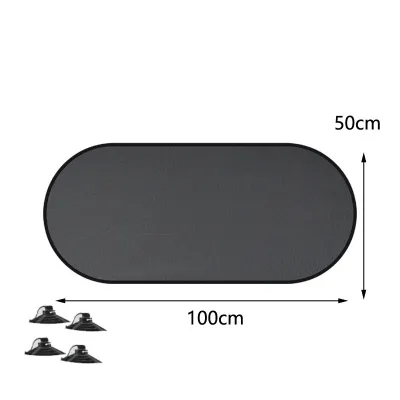
Traditional suction cup panels remain a popular choice due to their simplicity, affordability, and exceptional portability. These shades consist of a flexible wire frame covered in mesh fabric, held against the window glass by one or more rubber suction cups. Because they are not permanently attached to the vehicle, they can be easily transferred between different cars or removed entirely when the weather changes.
Suction reliability is highly dependent on the quality of the cup seals and regular maintenance. Over time, dust, moisture, and temperature fluctuations can cause the suction cups to lose their vacuum seal, resulting in the shade falling off the window. Periodically cleaning the suction cups and the glass surface with mild soapy water helps maintain a strong grip and extends the life of the seals.
Storage convenience is a major benefit of these panels. Most designs feature a flexible steel wire frame that can be twisted and folded down into a fraction of its fully expanded size. This allows you to store the shades easily in seatback pockets, door bins, or under the seats when they are not required, keeping your cabin clutter-free.
However, coverage gaps are a common limitation of suction cup panels. Because these shades come in standard geometric shapes, they rarely conform perfectly to the unique curves and angles of your vehicle’s side windows. The suction cups themselves also require a flat surface, which can limit placement options on highly curved glass or near the window frame, potentially leaving uncovered areas where sunlight can stream through.
Feature Comparison Matrix
To help you make an informed decision, the table below compares the key usability dimensions of retractable roller shades, static cling mesh screens, and suction cup panels.
| Usability Dimension | Retractable Roller Shades | Static Cling Mesh Screens | Suction Cup Panels |
|---|---|---|---|
| Installation Effort | Moderate to High (requires mounting or adhesive) | Low (requires clean glass preparation) | Very Low (press-on suction cups) |
| Daily Ease of Use | High (quick pull-and-release mechanism) | Moderate (must remain in place or be peeled off) | Moderate (must be manually attached or removed) |
| Coverage Quality | Moderate (rectangular shape leaves edge gaps) | High (can be positioned flush against glass) | Moderate (standard shapes leave frame gaps) |
| Durability & Maintenance | Check spring mechanism and mounting clips | Check static backing cleanliness and heat resistance | Check suction cup seals and wire frame flexibility |
Before making a purchase, it is essential to physically verify these features against your specific vehicle’s window dimensions and frame shape. Measuring the height and width of your side glass ensures that the shade you choose will fit within the window frame without overlapping the rubber seals or obstructing the door’s mechanical components.
How to Choose the Right Fit for Your Car
Selecting the right small window sun shield involves matching your daily driving habits with the specific strengths of each shade type. By evaluating how you use your vehicle, you can identify the option that provides the best balance of protection, convenience, and safety.
Choose a retractable roller shade if you prioritize permanent convenience, a clean aesthetic, and frequent daily use. This style is ideal for drivers who want the ability to quickly shade or expose the window without handling loose panels. It is particularly suited for rear passenger windows where children or passengers may want to adjust the light level themselves during a journey.
Choose a static cling mesh screen if you prefer a low-profile, residue-free solution that offers maximum glass coverage. This option is excellent for those who want a semi-permanent shade that looks integrated with the window glass. It is highly recommended for vehicles with flat, standard-shaped side windows where a flush fit is desired without the clutter of suction cups or mechanical rollers.
Choose a suction cup panel if you need a budget-friendly, temporary, and highly flexible solution for occasional trips. This type is perfect for road trips, rental cars, or vehicles that only require sun protection during the hottest hours of the day. Its easy removal and compact storage make it a versatile accessory that can be shared among multiple vehicles.
Regardless of the type you choose, always perform a final check by measuring your window dimensions accurately. Ensure that the installed sun shield does not obstruct the door lock mechanisms, window tracks, or side mirror sightlines. Taking these precautions guarantees a safe, comfortable, and glare-free driving experience.
Frequently Asked Questions (FAQ)
Will a sun shield damage my existing window tint?
The risk of damaging aftermarket window tint depends on the mounting method of the sun shield. Static cling shades and high-quality suction cups generally pose a low risk to cured window film, as they do not use chemical adhesives. However, sliding clips or adhesive-based mounting tracks that attach directly to the glass can scratch or peel the edges of the tint film. Before installing any sun shield, check your tint manufacturer’s care instructions and ensure the film is fully cured—typically requiring several days to a few weeks after installation—to prevent bubbling or peeling.
Do side window shades interfere with rain sensors or cameras?
Most modern vehicles feature advanced driver assistance systems (ADAS) with sensors and cameras mounted near the windshield, but some models also place blind-spot monitoring sensors or cameras near the side mirrors and rear side windows. When installing a small window sun shield, identify these sensor zones and ensure the shade does not block their field of view. Avoid placing opaque or heavy mesh panels over areas of the glass that align with your side mirrors or any integrated camera housings. Trimming static cling sheets or repositioning suction cups can help you maintain clear sightlines for these safety systems.

Community discussion
Share your experience or ask a question. Comments are reviewed before publication.