
Choosing between Shell and Castrol motorcycle oil does not come down to finding a single, universally superior brand. Instead, the right choice depends entirely on how closely a specific oil’s formulation, viscosity, and industry certifications align with your motorcycle manufacturer’s engineering standards. Both brands produce highly regarded lubricants, but their distinct approach to base oils and additive packages means one may suit your specific riding conditions, engine type, and clutch design better than the other.
Understanding Your Motorcycle's Oil Requirements
Before comparing brand names, you must establish your motorcycle’s baseline mechanical needs. Your primary resource is always the owner’s manual, which specifies the required viscosity grade (such as 10W-40 or 15W-50) and the necessary performance standards. Deviating from these manufacturer recommendations can lead to inadequate lubrication, accelerated component wear, or even voided warranties.
Engine cooling designs significantly influence lubrication demands. Air-cooled engines rely heavily on the motor oil to dissipate heat directly from the cylinder walls, exposing the lubricant to extreme thermal stress and requiring exceptional high-temperature stability. In contrast, liquid-cooled engines maintain a more regulated operating temperature via a dedicated radiator system, but still require precise viscosity control to protect internal components during cold starts and prolonged high-speed operation.
Products mentioned in this guide
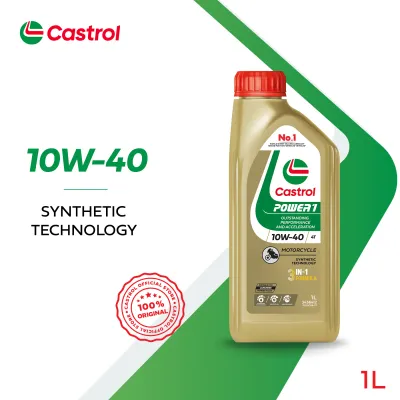
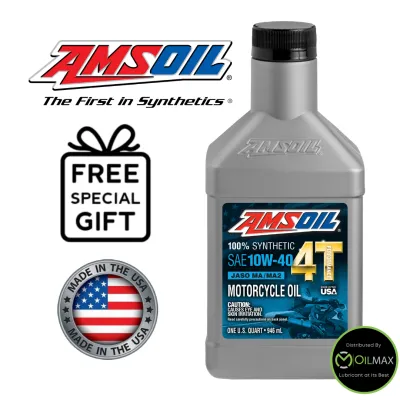
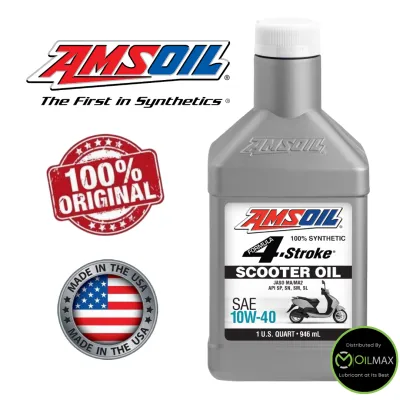
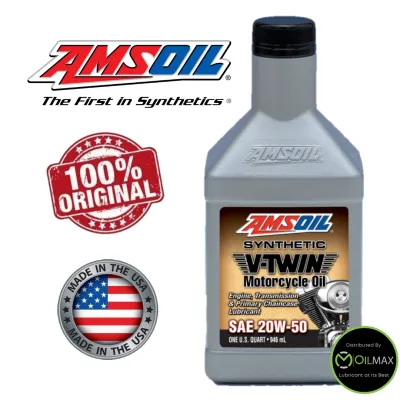
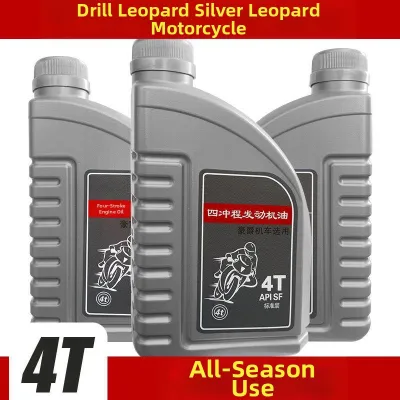
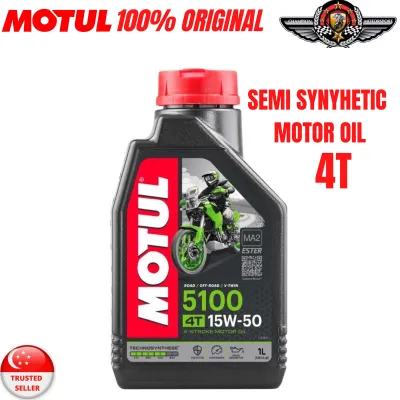
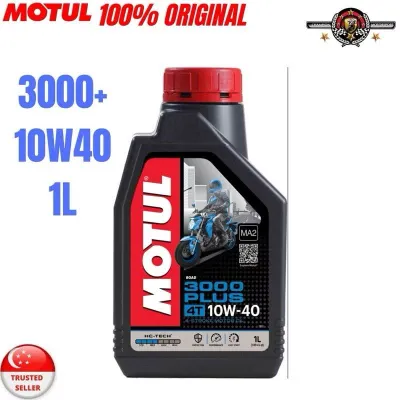
Prices are valid at publication and may change. Please refer to the product page for the latest price.
Riding style and engine configuration also dictate your oil requirements. High-revving sport bikes operate at extreme rotational speeds, demanding an oil that resists mechanical shear and maintains its protective film under intense pressure. Conversely, low-revving, high-torque cruisers place different loads on the engine bearings, requiring robust film strength to prevent metal-on-metal contact. Matching the oil’s specifications to these operational realities is the most critical step in protecting your engine.
Comparing Shell and Castrol Motorcycle Oil Technologies
Shell and Castrol approach engine protection through distinct chemical formulations and manufacturing processes. Shell Advance motorcycle oils frequently highlight gas-to-liquid (GTL) base oil technology. This process converts natural gas into a crystal-clear base oil that is virtually free of the impurities found in crude oil, theoretically offering improved viscosity stability, lower volatility, and reduced oil consumption under high-temperature conditions.

Castrol Power1, on the other hand, emphasizes advanced additive chemistry designed to optimize power delivery and friction characteristics. Their formulations often focus on reducing internal engine friction while simultaneously maintaining the precise level of friction required for wet clutch engagement. This balanced approach aims to provide smooth power transfer and rapid acceleration response without compromising the durability of the clutch plates or gearbox.
Both technological approaches are engineered to address the three critical zones of a motorcycle: the engine, the wet clutch, and the gearbox. In a motorcycle, a single oil reservoir typically lubricates all three areas, meaning the oil must prevent clutch slippage, protect gear teeth from extreme pressure, and keep engine pistons clean. Real-world performance, however, depends less on the brand name and more on selecting the appropriate product tier—mineral, semi-synthetic, or fully synthetic—to match your riding intensity.
Key Specifications to Verify on the Label
To ensure a specific bottle of Shell or Castrol oil is safe for your motorcycle, you must verify several critical standards printed on the label. The most vital certification for motorcycles is the Japanese Automotive Standards Organization (JASO) rating. For motorcycles with a wet clutch system, where the clutch shares the engine oil, you must use an oil rated JASO MA or JASO MA2 to ensure proper clutch grip and prevent slippage. If you ride a modern scooter with a dry clutch and a continuously variable transmission (CVT), you should look for a JASO MB rating, which is formulated for low friction. Using a JASO MB oil in a wet clutch system can cause severe clutch slippage and rapid component failure.
Next, check the American Petroleum Institute (API) service classification, which indicates the oil’s performance level and chemical stability. Ensure the API rating on the bottle (such as SN, SM, or SL) meets or exceeds the minimum standard specified in your owner’s manual. Newer API classifications generally offer better oxidation control and deposit protection, but always verify compatibility with older vintage engines.
Finally, confirm that the oil is explicitly formulated for your engine’s stroke cycle. Four-stroke (4T) and two-stroke (2T) engines have entirely different lubrication mechanisms. Four-stroke oils are designed to circulate continuously through the engine, while two-stroke oils are formulated to mix with fuel and burn during combustion. Using the wrong type will cause catastrophic engine damage.
Evaluating Value and Purchasing Reliability
When comparing the cost-effectiveness of Shell and Castrol, look beyond the initial purchase price and calculate the cost per liter in S$ for your routine maintenance intervals. In Singapore, motorcycle oils are commonly sold in one-liter bottles. While fully synthetic oils carry a higher upfront cost than semi-synthetic or mineral alternatives, they often provide longer service intervals and superior thermal protection, which can translate to better long-term value.
Due to the popularity of both brands, counterfeit lubricants are a persistent risk in the market. Using counterfeit oil can lead to rapid engine degradation, clogged oil passages, and severe mechanical failure. To protect your investment, always purchase your oil from authorized distributors, official brand stores on reputable online marketplaces, or established, trustworthy workshops.
Before opening any bottle, perform a quick visual inspection of the packaging. Genuine Shell and Castrol products feature high-quality label printing, secure tamper-evident seals under the cap, and clearly printed batch codes or holographic security labels. If the seal appears broken, the printing is blurry, or the batch code is missing, do not use the oil and consult the retailer or manufacturer immediately.
Decision Framework: Choosing Between Shell and Castrol
Selecting between these two reputable brands requires a structured approach based on your specific motorcycle and riding habits.
Consider choosing Shell Advance if your manufacturer’s manual aligns closely with their viscosity offerings, or if you prefer the theoretical purity and thermal stability of gas-to-liquid base oil technology. This option is often favored by riders operating in hot, stop-and-go urban traffic where oil evaporation and thermal breakdown are primary concerns.
Consider choosing Castrol Power1 if you prioritize specialized friction-modifier additives designed to enhance clutch response and power transfer. This formulation is highly regarded by riders seeking crisp gear shifts and consistent clutch performance during spirited riding or daily commuting.
Before making your final purchase, always verify your motorcycle’s warranty status. If your bike is still under warranty, you must use an oil that meets the exact OEM specifications and certifications listed in your manual, regardless of brand preference. If you are ever uncertain about the correct JASO or API rating for your specific model, consult a qualified professional mechanic or contact the vehicle manufacturer directly before pouring any new lubricant into your engine.
Frequently Asked Questions (FAQ)
Can I mix Shell and Castrol motorcycle oils in an emergency?
Mixing different brands of motorcycle oil should generally be avoided because each manufacturer uses a proprietary blend of base oils and chemical additives. When you mix different formulations, the additives may interact unpredictably, potentially reducing the oil’s overall effectiveness, shear stability, and anti-wear properties.
However, running an engine with low oil levels poses an immediate risk of catastrophic mechanical failure. In an emergency where your oil level is dangerously low, it is far safer to top up with any clean motorcycle oil of the correct viscosity and JASO rating—even from a different brand—than to ride with insufficient lubrication. Once you reach safety, schedule a complete oil and filter change as soon as possible to restore uniform protection.
How do I know when it is time to change my motorcycle oil?
The most reliable way to determine your oil change interval is to follow the mileage or time limits specified in your motorcycle’s owner’s manual. However, physical indicators can also signal that your oil has degraded and needs replacement. If the oil appears extremely dark or black on the dipstick, emits a strong burnt odor, or contains visible debris, it has reached the end of its service life.
You may also notice changes in your motorcycle’s performance as the oil degrades. Common symptoms include increased engine noise, higher operating temperatures, and rough or clunky gear shifting, which occurs when the oil loses its shear stability. If you frequently ride in severe conditions, such as short trips, dusty environments, or the humid, stop-and-go traffic typical of Singapore, you should inspect your oil regularly and consider changing it more frequently than the standard service interval.

Community discussion
Share your experience or ask a question. Comments are reviewed before publication.