
Choosing between Shell Helix and Castrol Magnatec synthetic engine oil is not a matter of finding a single superior brand, but rather identifying which formulation matches your vehicle manufacturer’s precise technical requirements. In Singapore’s demanding driving environment—characterized by high ambient temperatures and dense, stop-and-go traffic—the performance of any synthetic engine oil depends heavily on its viscosity grade and industry certifications. Before comparing marketing claims, you must verify your car’s specific engine needs to ensure optimal protection and maintain your vehicle warranty.
While both brands offer high-quality lubricants, they utilize different chemical approaches and additive technologies to protect your engine. A mismatch between your vehicle’s requirements and the oil you select can lead to increased wear, reduced fuel efficiency, or even voided manufacturer warranties. Therefore, understanding how to read oil labels and match them to your driving habits is the most critical step in maintaining your vehicle’s longevity.
Understanding Your Vehicle's Oil Requirements
Your vehicle’s owner’s manual is the ultimate authority for selecting a synthetic engine oil. Manufacturers specify requirements using international standards such as the American Petroleum Institute (API) classifications or the European Automobile Manufacturers’ Association (ACEA) sequences. Many modern European, Japanese, and Korean vehicles also require proprietary original equipment manufacturer (OEM) approvals, which are explicitly listed on the back of the oil bottle.
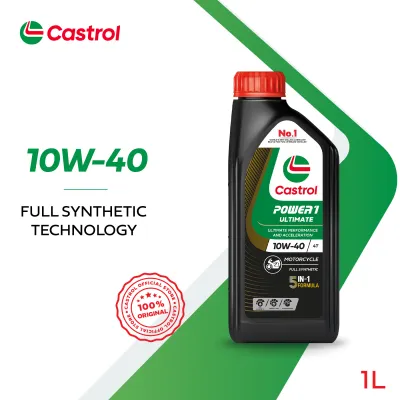
Products mentioned in this guide
![🇸🇬 MOTUL 8100 ECO CLEAN 0W20 100% Synthetic Engine Oil [1L]](https://img.lazcdn.com/g/p/9395615a7ecb7798dbb01b4e8401ff6a.png_400x400q80.png_.webp)
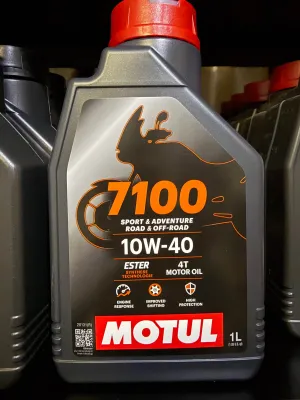
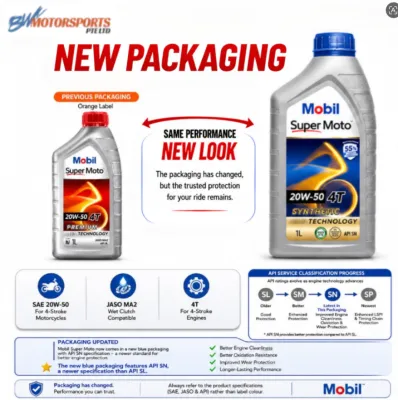
Prices are valid at publication and may change. Please refer to the product page for the latest price.
Viscosity is another critical factor, represented by numbers like 0W-20, 5W-30, or 10W-40. The first number (followed by ‘W’) indicates low-temperature flow, while the second indicates viscosity at operating temperature. In a tropical climate like Singapore, where cold starts are never truly cold, the high-temperature viscosity rating is vital for maintaining a protective oil film under intense engine heat.
Using an oil that does not meet your manufacturer’s exact specifications can lead to accelerated engine wear, increased fuel consumption, or even catastrophic engine failure. No brand reputation or marketing promise can compensate for an incorrect viscosity grade or a missing OEM certification. Always prioritize these technical requirements over brand preference.
Comparing Shell Helix and Castrol Magnatec Formulations
Shell Helix synthetic engine oil is widely recognized for its PurePlus Technology, a process that converts natural gas into a crystal-clear base oil. This gas-to-liquid (GTL) base oil is designed to have fewer impurities than traditional crude-oil bases, which helps maintain engine cleanliness and resist sludge formation over long service intervals.

Castrol Magnatec, on the other hand, focuses its marketing on ‘intelligent molecules’ that are formulated to cling to critical engine parts like a magnet. This technology is designed to address the wear that occurs during the engine warm-up phase, which Castrol asserts accounts for a significant portion of overall engine wear, particularly in vehicles that undergo frequent start-stop cycles.
To evaluate these claims objectively, you should look past the marketing terminology and examine the Technical Data Sheet (TDS) for each product. The TDS provides measurable metrics, such as the pour point, flash point, and viscosity index. Comparing these specifications directly allows you to verify how each oil performs under thermal stress rather than relying on brand-specific slogans.
Evaluating Suitability for Singapore's Driving Conditions
Singapore’s driving conditions are notoriously harsh on motor oils. High ambient humidity and temperatures, combined with prolonged idling in traffic congestion, accelerate oil oxidation and thermal breakdown. When oil oxidizes, it thickens and loses its ability to lubricate effectively, potentially leaving harmful deposits on engine components.
For drivers who spend hours in slow-moving traffic along major expressways, start-stop protection is highly relevant. Frequent idling prevents the engine from reaching its optimal operating temperature efficiently, which can lead to fuel dilution and moisture buildup in the oil. Synthetic engine oil formulated with robust anti-wear additives helps mitigate this risk by maintaining a protective barrier even when the oil flow rate is low.
Another key metric to consider is High-Temperature High-Shear (HTHS) viscosity. This measurement reflects the oil’s resistance to flow under the extreme temperatures and mechanical shearing forces found in modern, tightly toleranced engines. A stable HTHS viscosity ensures that the oil film does not rupture under heavy loads, protecting vital components like bearings and piston rings from direct metal-to-metal contact.
Price, Value, and Authenticity in Singapore
When comparing the cost of Shell Helix and Castrol Magnatec, look at the total cost of ownership rather than just the retail price of a single four-liter bottle. Prices vary depending on the specific product line, viscosity grade, and whether you purchase the oil independently or as part of a servicing package at a local workshop. Generally, both brands occupy a similar premium price tier in the local market.
To calculate long-term value, consider your vehicle’s recommended oil change intervals. High-quality synthetic engine oil can safely support longer intervals than conventional oils, but this must always align with your manufacturer’s guidelines. Extending intervals beyond recommendations to save money can lead to expensive engine repairs that far outweigh any initial savings on oil.
The risk of counterfeit oil is a serious concern that can lead to severe engine damage. To ensure you are getting genuine Shell Helix or Castrol Magnatec, purchase your oil exclusively from authorized distributors, official brand stores on reputable online marketplaces, or established, reputable workshops. Avoid buying from unverified third-party sellers offering prices that seem too good to be true.
How to Make Your Final Decision
To make your final choice, start by filtering both product lines down to the specific formulations that carry your vehicle’s required OEM approvals and viscosity grades. If both Shell Helix and Castrol Magnatec offer a fully compliant oil for your engine, you can then base your decision on your primary driving habits and maintenance priorities.
Choose Shell Helix if your vehicle manual aligns with its specifications and your primary goal is maintaining internal engine cleanliness and preventing sludge buildup over extended highway drives. Choose Castrol Magnatec if your daily commute consists of heavy, stop-and-go city traffic where frequent idling and short trips demand specialized wear protection during warm-up phases.
Ultimately, the best oil is the one that is changed regularly and meets every technical requirement set by your car’s manufacturer. If you are unsure about compatibility or the installation process, consult a qualified automotive professional or refer directly to your vehicle’s official service manual before performing any maintenance.
Frequently Asked Questions (FAQ)
Can I mix Shell Helix and Castrol Magnatec synthetic oils?
While mixing different brands of synthetic engine oil of the same viscosity is generally safe in an emergency, it is not recommended for regular use. Each brand uses a proprietary blend of additives designed to work together. Mixing them can dilute these additive packages, potentially reducing the oil’s overall performance and wear protection. For optimal engine health, perform a complete oil and filter change rather than mixing formulations.
How often should I change synthetic engine oil in Singapore?
In Singapore’s hot climate and congested traffic, most driving falls under the ‘severe service’ category defined by vehicle manufacturers. Severe conditions include frequent short trips under eight kilometers, prolonged idling, and stop-and-go driving. You should follow your manufacturer’s recommended severe maintenance schedule, which typically requires more frequent oil changes—often every 5,000 to 10,000 kilometers—rather than the standard intervals advertised on the oil bottle.

Community discussion
Share your experience or ask a question. Comments are reviewed before publication.