
Finding the ideal front windshield sun shade for your Honda Vezel requires balancing precise physical dimensions with high-performance thermal materials. Because the Vezel features a sweeping windshield angle and a prominent upper console housing safety sensors, a generic, one-size-fits-all shade often falls short, leaving gaps that let heat seep into the cabin. To protect your vehicle’s dashboard, steering wheel, and upholstery from intense tropical heat, you must evaluate shades based on their exact fitment, material composition, and ease of daily storage. This guide outlines how to verify dimensions across different Vezel model generations, decode heat-rejection claims, and select a design that integrates seamlessly with your daily driving routine.
Determining the Correct Size and Fit for Your Windshield
When shopping for a Honda Vezel sun shade, the first decision is choosing between a custom-fit and a universal-fit option. Custom-fit shades are patterned specifically for the Vezel’s exact windshield frame, allowing them to hug the A-pillars and leave a precise cutout for the rearview mirror and sensor assembly. Universal shades, on the other hand, are typically rectangular or oval-shaped wire-ring designs that come in standard sizes. While universal options are widely available on online marketplaces, they often leave significant gaps at the corners or fail to clear the bulky sensor housing of the Honda Sensing system.
To determine the correct size, you must measure your windshield accurately from the inside of the cabin. Use a flexible measuring tape along the interior glass surface rather than measuring from the outside, as the interior trim reduces the usable clearance. Measure the maximum height from the base of the dashboard where it meets the glass up to the top edge near the headliner. Next, measure the width at both the top edge and the bottom edge, as the windshield is trapezoidal and tapers significantly toward the roof. Note the dimensions of the rearview mirror mounting bracket and any camera housings, as these require a split or a cutout in the shade to prevent physical interference.
Products mentioned in this guide
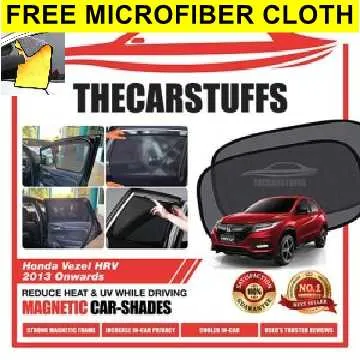
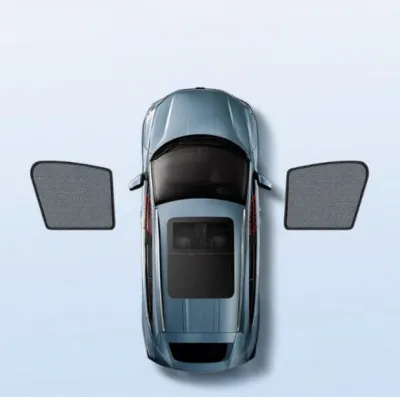
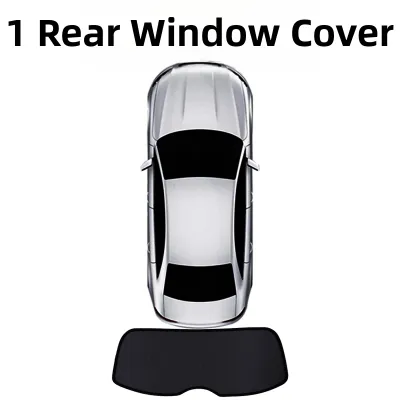
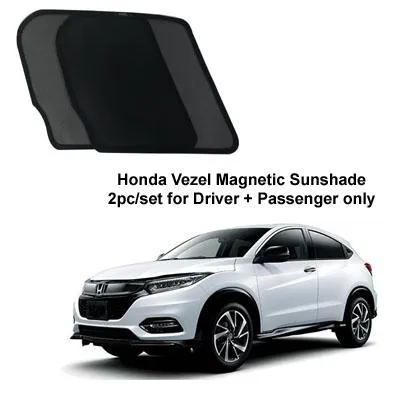
Prices are valid at publication and may change. Please refer to the product page for the latest price.
It is also crucial to check for compatibility with your specific Honda Vezel model year and trim level. The Vezel has evolved across multiple generations, notably the first generation (produced from 2013 to 2021, often designated as the RU series) and the second generation (introduced from 2021 onwards, designated as the RV series). The windshield rake, total surface area, and the size of the safety camera housing differ significantly between these generations. For instance, newer RV-generation models feature a more compact yet wider sensor array near the headliner. Always verify the specific model year and chassis code when reviewing product compatibility lists, rather than assuming a shade labeled generally for the Vezel will fit all model years perfectly.
Additionally, pay attention to the black ceramic frit—the dotted border around the edges of the windshield. This textured area can prevent suction cups or static-cling shades from adhering properly. Tension-fit shades that rely on the vehicle’s sun visors for support are generally much more reliable because they bypass the need to stick directly to the glass surface, ensuring a secure fit regardless of the windshield’s edge texture.
Verifying Heat Rejection and UV Protection Claims
To protect your cabin from intense solar radiation, you must understand how different sun shade materials interact with sunlight. Reflective shades use an outer layer of aluminum foil, metallized polyester film, or silver-coated fabric to bounce solar radiation back through the glass. This prevents the energy from entering the cabin and heating up the interior air. In contrast, absorptive materials, such as dark felt or unprotected foam, absorb the heat and gradually radiate it into the vehicle’s interior. For maximum thermal protection in high-temperature environments, reflective outer layers are highly recommended.

When evaluating product descriptions, look for specific material specifications rather than vague marketing claims. High-quality shades often feature multi-layer construction, combining a highly reflective outer layer, a thermal barrier layer (such as bubble wrap or closed-cell foam), and a soft felt or fabric backing to protect the interior glass from scratches. Check for verified ultraviolet (UV) protection ratings, such as UPF 50+, which indicates that the material blocks over 98 percent of harmful UV radiation. This protection is essential for preventing the Vezel’s synthetic leather dashboard, steering wheel cover, and seat fabrics from fading, cracking, or degrading over time.
Be aware of the limitations of visual thickness versus actual thermal performance. A common misconception is that a thicker sun shade automatically provides better insulation. In reality, thermal performance depends on the quality of the reflective barrier and the efficiency of the internal air pockets or foam layers. A thin, high-density multi-layer shade with a premium reflective coating can easily outperform a bulky, single-layer foam shade. Furthermore, excessively thick shades are harder to fold, take up valuable cabin space, and may put unnecessary pressure on the rearview mirror mount during installation.
Understanding the greenhouse effect inside a parked car highlights why high-quality materials matter. When shortwave solar radiation passes through the windshield, it is absorbed by the dark dashboard and seats, which then re-radiate it as longwave infrared radiation (heat). Because glass is opaque to longwave infrared, this heat becomes trapped inside the cabin, rapidly raising the interior temperature. A high-quality reflective shade blocks this process at the very entry point—the windshield glass—keeping the cabin significantly cooler during extended outdoor parking.
Choosing a Design for Daily Usability and Storage
The physical design of the sun shade directly impacts how easily you can deploy and store it during daily commutes. Accordion-fold shades are rigid and quick to deploy, utilizing built-in creases to fold flat. Roll-up shades are typically made of flexible foam and roll into a cylinder secured by a strap. Umbrella-style shades feature a collapsible metal frame that opens like a traditional umbrella, placing the reflective fabric directly against the glass. While umbrella shades are highly compact when closed, their metal ribs and central shaft require careful handling to avoid scratching the dashboard or striking the infotainment screen.
Another critical factor is the attachment mechanism used to keep the shade in place. Tension-fit shades rely on the natural springiness of their outer wire frame or the stiffness of their material to stay in place, supported by the vehicle’s sun visors. This is generally the safest and cleanest method. Suction cups are common on cheaper universal shades, but they can leave unsightly residue on the glass and lose suction over time due to heat exposure. Static cling shades are rare for front windshields because they are semi-permanent and can obstruct the driver’s view if not completely removed before driving.
Finally, evaluate the folded dimensions of the shade against the available storage spaces in your Honda Vezel. The Vezel’s interior layout offers several storage zones, but space is at a premium, especially if you frequently carry passengers. A folded accordion shade or a rolled-up shade can be bulky, often requiring placement on the rear floorboards or in the boot. If you prefer to keep the cabin clutter-free, a compact, collapsible wire-ring shade that twists into a small circle is highly practical, as it can easily slide into the front door pockets, the glove compartment, or the seatback pockets.
In tight parking spaces, such as multi-storey carparks, deploying a large, rigid accordion shade while sitting in the car can be awkward. A collapsible wire-ring shade can be popped open with minimal elbow room, making it much easier to use without bumping into passengers or the center console. Consider your daily parking environments and passenger habits when deciding which physical design best fits your lifestyle.
Final Verification and Safe Installation Practices
Before finalizing your purchase, verify the seller’s return and exchange policies. Because windshield dimensions and sensor housings vary across different trim levels, there is always a slight risk of fitment issues. Test the fitment immediately upon delivery without removing any protective plastic or tags, ensuring you can return the product if it interferes with your vehicle’s interior components.
When installing the sun shade, pay close attention to the clearance around the rearview mirror, rain sensors, and dashboard cameras. The Honda Vezel is equipped with advanced driver assistance systems, including the Honda Sensing camera mounted behind the rearview mirror. Ensure the shade does not press hard against the camera housing or the rearview mirror stem, as excessive pressure can misalign the camera or loosen the mirror mount. If you have an aftermarket dashboard camera installed, look for a shade with a flexible hook-and-loop strap or a deep cutout that allows the shade to fit behind the camera without blocking or dislodging it.
To install the shade safely, sit in either the driver or front passenger seat. Unfold the shade carefully, avoiding rapid snapping motions that could strike the dashboard, touchscreen, or passengers. Slide the bottom of the shade down to the base of the windshield first, then lift the top section into place, securing it by flipping down both the driver and passenger sun visors. When removing the shade, fold it inward to trap the heat on the reflective side, preventing the hot outer surface from contacting your skin or the vehicle’s leather steering wheel.
Frequently Asked Questions (FAQ)
Will a universal sun shade completely cover the Honda Vezel windshield?
Universal sun shades rarely provide complete coverage for the Honda Vezel. Because the Vezel’s windshield is relatively tall and features a steep rake, standard rectangular universal shades often leave significant gaps at the upper corners or around the rearview mirror. These gaps allow direct sunlight to hit the dashboard, reducing the overall effectiveness of the shade. For complete coverage and optimal heat rejection, a custom-fit shade designed specifically for your Vezel’s model generation is highly recommended.
Can leaving a sun shade on the dashboard cause damage?
Leaving a folded or improperly installed sun shade resting directly on the dashboard under intense sunlight can trap heat and potentially cause damage over time. High-quality shades are designed to be suspended slightly away from the dashboard surface, supported by the sun visors. If a highly reflective shade is pressed flat against the dashboard, the trapped heat can accelerate the degradation of soft-touch plastics, leading to fading, cracking, or a sticky surface. Always ensure the shade is properly secured using the visors rather than letting it rest heavily on the dashboard trim.

Community discussion
Share your experience or ask a question. Comments are reviewed before publication.