
Choosing the right phone holder for your vehicle in Singapore requires balancing convenience against the relentless tropical climate. The intense sun and high humidity create a challenging environment inside a parked car, where cabin temperatures can quickly escalate. When comparing a suction cup mount to an air vent mount, the decision comes down to how you park your vehicle and how you manage your cabin’s airflow. Suction cup mounts provide excellent visibility and flexible placement but are highly susceptible to the extreme heat radiating through the windshield. Conversely, air vent mounts keep your phone cool by placing it directly in the path of the air conditioning, but they subject your car’s delicate vent louvers to constant physical stress and vibration.
To determine which mounting style will hold your phone more securely, you must evaluate your daily driving habits, your vehicle’s interior design, and your typical parking conditions. Neither option offers a flawless, universal solution for every driver. Instead, each mechanism has distinct operational limits that respond differently to thermal expansion, UV exposure, and road vibrations. By understanding these physical dynamics, you can select a mounting method that keeps your device secure without damaging your car’s interior.
Understanding Cabin Heat and Mounting Surfaces
The climate in Singapore presents unique challenges for any aftermarket car accessory. When a vehicle is parked in an open-air carpark under direct sunlight, the windshield acts as a greenhouse, trapping solar radiation and raising the dashboard’s surface temperature significantly higher than the ambient air outside. This localized heat concentration is far more severe than the general ambient temperature inside the cabin. While the air in the back seat might feel warm, the area directly beneath the glass can reach temperatures that degrade plastics, soften adhesives, and cause materials to expand at different rates.
Products mentioned in this guide
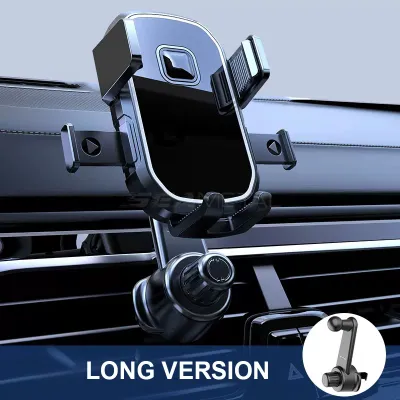
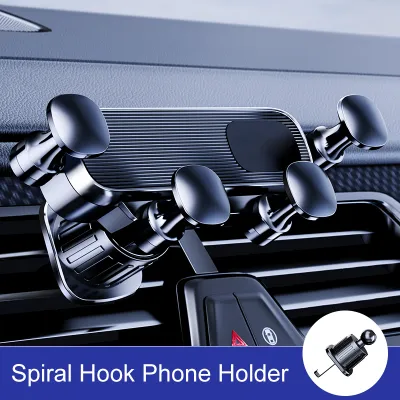
Prices are valid at publication and may change. Please refer to the product page for the latest price.
Thermal expansion is a primary cause of mounting failure. As the plastic and rubber components of a phone mount heat up, they expand, often losing their structural rigidity. At the same time, the glass or textured plastic of your dashboard expands and contracts as the cabin heats up during the day and cools down at night. This constant movement at a microscopic level weakens the bond between the mounting surface and the mount itself. Over time, prolonged ultraviolet (UV) exposure from the tropical sun breaks down the chemical polymers in suction pads and plastic clips, leading to brittleness, discoloration, and eventual mechanical failure.
Several environmental factors can mitigate or exacerbate these thermal effects. Vehicles equipped with high-quality, heat-rejecting window tinting experience lower dashboard surface temperatures, which helps preserve the integrity of suction mounts. Similarly, drivers who consistently park in sheltered basement carparks or shaded multi-storey facilities shield their car interiors from the worst of the afternoon heat. If your daily routine involves parking in unsheltered open lots, the thermal stress on your mounting surfaces will be substantially higher, requiring more frequent inspections of your mounting hardware.
Assessing the Suction Cup Mount in High Temperatures
Suction cup mounts rely on a vacuum seal to remain attached to smooth surfaces like glass or polished dashboard discs. To ensure safe operation, always check the manufacturer’s label or instruction manual for the maximum load limits and recommended operating temperature specifications. Many suction mounts use a combination of a polyurethane gel pad and a mechanical lever to create a tight seal. In high-temperature environments, this gel can soften and become overly sticky, or conversely, dry out and lose its elasticity, which directly compromises the vacuum pressure holding the mount in place.

Regularly observing the suction seal is crucial for preventing sudden mount failure while driving. Look for visual signs of heat-induced degradation, such as the gel pad warping, sliding down the glass, or showing visible air bubbles beneath the surface. If you notice the mount sagging or if the lever feels loose, the vacuum pressure has already begun to dissipate. In Singapore’s heat, a suction cup that has been exposed to direct sunlight for several consecutive days should be checked manually before you mount your phone to prevent the assembly from falling during a journey.
Positioning a suction cup mount also requires careful consideration of safety and visibility. You must identify safe mounting zones that do not obstruct your view of the road or interfere with the deployment paths of your vehicle’s airbags. Avoid placing the mount directly over the passenger-side dashboard airbag cover or along the A-pillars where side-curtain airbags are housed. Additionally, mounting a phone high on the windshield exposes the device to direct solar glare, which can cause your phone to overheat rapidly, dim its screen, or shut down entirely to protect its battery.
Assessing the Air Vent Mount and Clip Grip
Air vent mounts offer an alternative by clipping directly onto the horizontal or vertical slats of your car’s air conditioning vents. Before choosing this method, you must inspect your vehicle’s vent blade thickness and structural integrity. Modern vehicles often feature thin, stylized plastic louvers that may not be designed to support the combined weight of a heavy smartphone and a clamping mount. If the vent blades feel flimsy or show signs of wear, attaching a clip mechanism can crack the plastic or cause the entire vent assembly to sag permanently.
One of the primary advantages of an air vent mount is the direct cooling benefit provided by the vehicle’s air conditioning system. Placing your phone in front of an active AC vent helps dissipate the heat generated by GPS navigation and screen usage, preventing the phone’s internal battery from overheating. However, this benefit must be weighed against the physical restriction of your cabin’s ventilation. Blocking a major air vent can reduce the efficiency of your climate control system, making it harder to cool the cabin quickly on hot afternoons, and may direct cold air away from the passengers.
Furthermore, you must monitor the clip’s grip regularly to prevent the mount from slipping off the vent blade. The combination of constant road vibrations from uneven road surfaces and the rapid temperature fluctuations between a hot parked cabin and a cold, air-conditioned interior can cause the clip’s tensioning mechanism to loosen. Some vent mounts use spring-loaded clamps, while others rely on screw-tightened collars. Over time, the plastic or rubber pads inside these clips can compress or wear down, reducing their friction grip and allowing the mount to slide forward during sudden braking or sharp turns.
Decision Framework: Choosing the Right Mount for Your Routine
To help you decide between these two mounting styles, consider how your daily driving habits and vehicle configuration align with the strengths and weaknesses of each design. Your choice should reflect where you park, how your dashboard is constructed, and how you prefer to manage your phone’s temperature.
Choose the suction cup mount if you primarily park in shaded or indoor carparks, have a smooth, non-porous dashboard surface or prefer windshield mounting, and require your phone to be positioned at eye level for navigation. This style is ideal for drivers who want to keep their air vents completely unobstructed and whose vehicles have robust, flat glass surfaces that are protected by heat-rejecting window films.
Choose the air vent mount if you frequently park in open-air lots exposed to direct sunlight, have a heavily textured or curved dashboard that cannot support a suction pad, and rely on your vehicle’s air conditioning to keep your mobile device cool during long drives. This option is best suited for vehicles with sturdy, thick vent blades and for drivers who prefer a low-profile mounting solution that does not block any portion of the front windshield.
| Evaluation Criteria | Suction Cup Mount | Air Vent Mount |
|---|---|---|
| Primary Mounting Surface | Windshield glass or smooth dashboard discs | Air conditioning vent louvers |
| Heat Exposure Risk | High (direct solar radiation through glass) | Low to Moderate (shaded by dashboard) |
| Phone Cooling Benefit | None (exposed to solar heat and glare) | High (direct airflow from AC system) |
| Vibration Resistance | Moderate (dependent on vacuum seal integrity) | Variable (dependent on clip tension and blade strength) |
| Ideal User Profile | Shaded parking users, smooth dash owners | Open-lot parking users, textured dash owners |
There are specific conditions where neither mounting style is suitable. If your vehicle features a heavily textured, leather-wrapped, or deeply curved dashboard, a suction cup will fail to form a reliable vacuum, and the adhesive gel may leave permanent stains or residue on premium materials. Similarly, if your car has fragile, circular, or motorized vent louvers, an air vent mount should be avoided entirely to prevent costly structural damage to the climate control system. In such cases, alternative mounting solutions, such as cup holder mounts or custom-fit console brackets, should be explored.
Installation Checks and Routine Maintenance
Proper installation and regular maintenance are essential to ensure your phone mount remains secure and does not cause damage to your vehicle’s interior. For suction cup mounts, thorough surface preparation is the most critical step. Begin by cleaning the mounting area on your windshield or dashboard disc with a clean, dry microfiber cloth to remove dust, grease, and fingerprints. Avoid using harsh chemical cleaners or household glass sprays that leave behind a thin residue, as these chemicals can break down the suction cup’s gel pad over time; instead, use a mild isopropyl alcohol wipe if permitted by your vehicle’s material guidelines, and ensure the surface is completely dry before applying the suction pad.
When installing an air vent mount, use proper clipping techniques to distribute the weight of the device evenly across the vent blades. Do not force the clip onto a blade that is too thick, as this can snap the plastic or damage the internal directional linkage of the vent. If your mount features an adjustable support leg or stabilizer, position it firmly against the lower frame of the vent housing to transfer the downward leverage away from the delicate louvers. Ensure the clamping mechanism is secure but not overtightened to the point of crushing the plastic blade.
Establish clear stopping conditions for your mounting hardware to protect your phone and your car. If you observe that a suction cup’s gel pad has become gooey, melted, or permanently deformed from the heat, or if an air vent clip no longer maintains a tight grip despite adjustment, remove the mount immediately. Do not attempt to modify or repair a degraded mount with aftermarket glues or tape, as these can release harmful fumes or cause permanent damage to your dashboard. If you suspect that a mount has caused structural damage to your air vents or left a permanent mark on your dashboard, consult your vehicle’s manufacturer or a qualified automotive interior specialist before attempting any repairs.
Frequently Asked Questions (FAQ)
Can I leave the suction cup mount on the windshield when parked in the sun?
Leaving a suction cup mount attached to your windshield while parked in direct, intense sunlight is not recommended. The extreme heat radiating through the glass can rapidly degrade the vacuum seal and soften the adhesive gel pad, causing the mount to fall off and potentially damage your dashboard or center console. Over time, this constant thermal stress makes the plastic components brittle and shortens the overall lifespan of the accessory. To preserve the mount, check the manufacturer’s guidelines regarding temporary removal and storage in a shaded area, such as the glove compartment, when parking outdoors for extended periods.
Will the air vent mount damage my car's AC louvers over time?
An air vent mount can damage your car’s AC louvers if the mount is overloaded, installed incorrectly, or used on fragile vent designs. The combined weight of a modern smartphone and the mounting bracket, compounded by continuous road vibrations, places significant mechanical stress on thin plastic blades. Over time, this stress can cause the louvers to sag, lose their directional alignment, or crack. To minimize this risk, regularly inspect the vent mechanism for stiffness, sagging, or signs of physical wear, and ensure the mount’s weight is properly supported by a stabilizing leg or distributed across multiple contact points.
Does using a wireless charger with these mounts affect heat retention?
Yes, combining wireless charging with a phone mount increases heat retention. Wireless charging naturally generates operational heat due to energy transfer inefficiencies, which adds to the ambient temperature of your car’s cabin. When a phone is mounted on the windshield under direct sunlight while charging wirelessly, it can quickly reach critical temperatures, triggering thermal safety shutdowns or accelerating battery degradation. If you use a wireless charging mount, it is highly advisable to use an air vent style so that the vehicle’s air conditioning can actively cool the device, or adjust your dashboard vents to direct cool air toward the phone.

Community discussion
Share your experience or ask a question. Comments are reviewed before publication.