
Selecting the right car shield window is a practical decision that directly impacts your daily driving comfort, cabin temperature, and interior preservation. With intense sunlight and high ambient temperatures, protecting your vehicle’s dashboard, steering wheel, and upholstery is essential. However, there is no single design that universally outperforms the others; instead, the right choice hinges on balancing deployment speed, coverage area, and vehicle compatibility. By evaluating how you use your vehicle, where you park, and your tolerance for daily setup routines, you can identify the specific design that integrates seamlessly into your driving habits.
Understanding the Three Main Car Window Shield Designs
Car window shields generally fall into three distinct design categories, each utilizing different physical mechanisms, materials, and mounting styles to block or reflect solar radiation. While some are engineered specifically for the expansive area of the front windshield, others are optimized for the smaller, more vertical side windows. Understanding these fundamental differences in construction and storage footprint is the first step in determining which option suits your vehicle’s layout.
Retractable (Roller) Sun Shades
Retractable sun shades operate on a spring-loaded roller mechanism, similar to traditional household window blinds. These shades are typically constructed from a flexible mesh or thin synthetic fabric that rolls up tightly into a slim metal or plastic housing when not in use. They are commonly mounted using suction cups, brackets, or adhesive strips along the top or bottom of the window frame. This semi-permanent installation means the housing remains attached to the door panel or window glass, allowing you to pull the shade down and hook it into place whenever needed. Because they remain mounted, they require virtually no storage space in your glove compartment or trunk, though the physical housing does remain visible on your interior trim.
Products mentioned in this guide
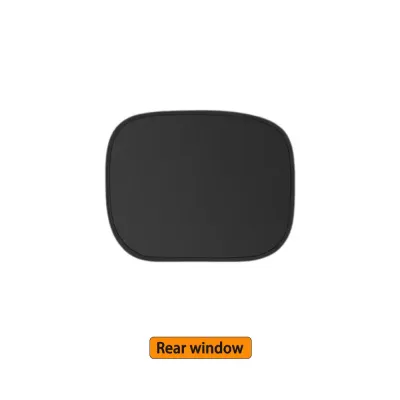
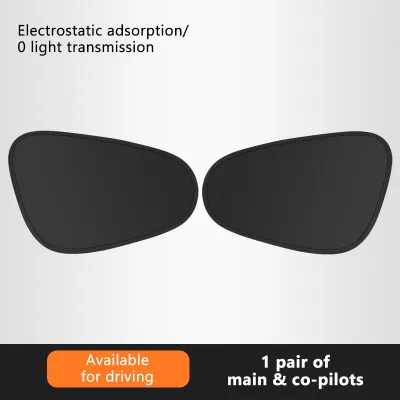
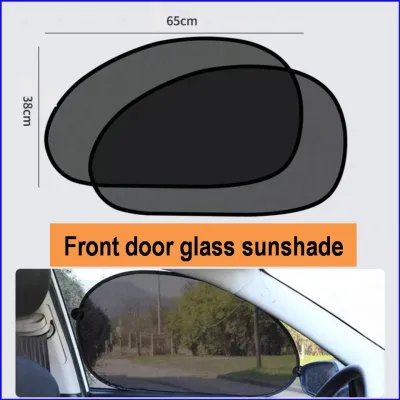
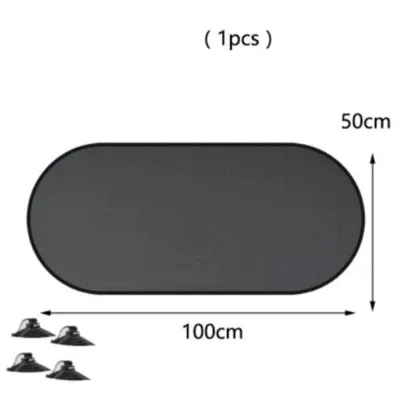
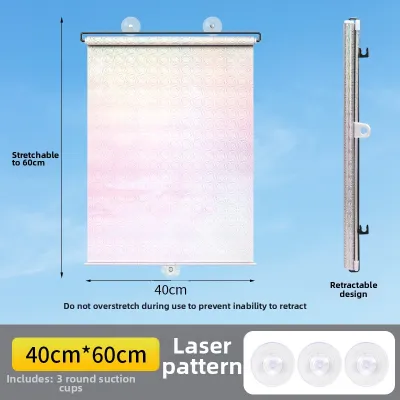
Prices are valid at publication and may change. Please refer to the product page for the latest price.
Foldable (Accordion) Sun Shades
Foldable sun shades, often referred to as accordion or panel shades, are designed primarily for the front windshield and rely on a rigid or semi-rigid structure. These shields are typically constructed from heavy-duty cardboard, layered foam, or bubble-pack materials sandwiched between reflective metallic foil layers. They feature pre-creased panels that fold flat against one another for storage and expand outward to cover the entire windshield during parking. Some variations utilize a flexible wireframe loop that twists and collapses into a circular shape. Because of their rigid nature, foldable shades must be physically removed from the window and stored in the back seat, footwell, or trunk when you are driving.
Static Cling Sun Shades
Static cling sun shades utilize electrostatic adhesion rather than physical adhesives, suction cups, or mechanical brackets to stick to the glass. These shades are made from a lightweight, flexible polyvinyl chloride (PVC) or similar plastic film, often combined with a fine mesh layer to reduce glare while maintaining partial visibility. To apply them, you simply press the smooth plastic side directly against a clean window surface and smooth out any trapped air bubbles. They can be peeled off and repositioned indefinitely without leaving sticky residue behind. When removed, they can be folded or rolled into a highly compact shape that easily fits into seatback pockets or door bins.
Key Comparison Dimensions for Your Decision
When comparing these three designs, several practical trade-offs emerge across daily usability, storage convenience, coverage efficiency, and long-term durability.

Deployment and takedown speed is a primary consideration for daily drivers. Retractable shades offer the fastest deployment for side windows, requiring only a single pull to hook the shade into place. Foldable windshield shades require more physical effort, as you must retrieve the bulky panel from storage, unfold it across the dashboard, and secure it using the sun visors. Static cling shades are the slowest to set up initially because you must align them carefully to avoid air bubbles, though they are highly convenient if left in place on rear passenger windows for extended periods.
Storage requirements inside the cabin vary significantly. Retractable shades excel because they remain mounted to the window frame, eliminating the need to find a storage spot while driving. Static cling shades also require minimal space, as they can be rolled up or folded flat into a seat pocket. Foldable shades are the most demanding, often requiring space in the trunk or across the rear footwell, which can be inconvenient if you frequently carry passengers.
Edge-to-edge coverage is critical for minimizing cabin heat buildup. Foldable shades generally provide the most comprehensive coverage for front windshields, as their rigid panels can be pressed tightly into the corners. Retractable and static cling designs often leave small light gaps along the edges of the window frame due to their standardized rectangular shapes and the physical clearance required for their mounting brackets or film borders.
Long-term durability and wear points also differ. Foldable shades eventually develop soft spots or tears along their pre-creased folding lines. Retractable shades are prone to mechanical wear, such as losing spring tension in the roller mechanism or experiencing suction cup degradation from constant heat exposure. Static cling shades can lose their adhesive properties if the clinging surface accumulates dust or oils, though this can often be restored by washing the film with mild soap and water.
Matching the Shield to Your Driving and Parking Habits
Your choice of car shield window should align closely with your daily routine, parking environments, and passenger needs.
For daily commuters who park in open-air lots with high solar exposure, a robust foldable windshield shade is often the most practical choice. Commuters need a shield that can be deployed quickly upon arrival and packed away just as fast before driving. A high-quality foldable shade blocks direct sunlight from hitting the dashboard and steering wheel, preventing them from becoming too hot to touch.
If your vehicle is frequently parked outdoors for long periods under intense sun, maximizing coverage and heat reflection is paramount. Combining a heavy-duty foldable shade for the front windshield with static cling or retractable shades for the side windows provides a comprehensive barrier against solar heat gain. This multi-shield approach helps protect the entire cabin interior from premature fading and cracking.
Family vehicles carrying young children or pets in the rear seats focus on passenger comfort and visibility. Static cling mesh shades are highly suited for rear side windows because they provide continuous glare protection without blocking the driver’s blind-spot visibility entirely. They also allow you to keep the shades in place permanently, though you must not roll down the windows while the cling shades are attached. If frequent window operation is necessary, retractable shades mounted to the door frame are a safer alternative, as they can be retracted fully before lowering the glass.
Installation, Safety, and Compatibility Checks
Before purchasing any car shield window, it is essential to perform several vehicle-specific safety and compatibility checks to ensure the product does not interfere with your driving or safety systems.
First, verify the location of your vehicle’s airbag deployment zones. Many modern vehicles feature side-curtain airbags stored within the A, B, or C-pillars and along the roofline. Any semi-permanent installation, such as a retractable shade mounted with screws or heavy-duty adhesive near these pillars, must not obstruct the path of a deploying airbag. Consult your vehicle’s owner manual to identify these safety zones before mounting any accessories.
Second, check for clearance around the front windshield area. Modern windshields are often crowded with essential equipment, including rearview mirrors, rain sensors, dashcams, and electronic toll collection units (such as ERP readers). A foldable or retractable windshield shade must have a suitable cutout or flexible section to accommodate these devices without putting pressure on their mounts or blocking their sensors. Measure the dimensions around these units carefully before selecting a shade.
Finally, verify the manufacturer’s product specifications and material safety labels rather than relying on generic marketing claims. Look for verified details regarding UV protection factors (such as UPF ratings) and heat-resistant materials. Avoid products that emit strong chemical odors when exposed to high temperatures, as this can indicate the off-gassing of low-quality plastics or adhesives in the cabin.
How to Choose: A Decision Framework
To finalize your decision, consider this structured framework based on your primary usage requirements:
- Choose Retractable Shades if you want a semi-permanent, highly convenient solution primarily for side windows, and you prefer not to store loose panels in your cabin. This style is ideal for those who want instant shade with a simple pull-and-hook mechanism.
- Choose Foldable Shades if your primary goal is to protect your dashboard and front cabin from direct sunlight during outdoor parking. This design offers the most robust coverage for the front windshield and can be easily stowed in the trunk or rear seat when driving.
- Choose Static Cling Shades if you need a temporary, tool-free solution for side passenger windows that can be easily removed, repositioned, or transferred between vehicles without leaving any adhesive residue.
Before making your purchase, always inspect your vehicle’s windows for specialized features. If you have aftermarket window tinting films installed, check the film manufacturer’s guidelines, as some static cling materials or suction cups can damage or peel the tint film over time. Similarly, avoid applying heavy suction cups directly over rear window defroster lines to prevent damage to the heating elements.
Frequently Asked Questions (FAQ)
Can I use a static cling shield on a heavily tinted window?
It is generally not recommended to apply static cling shields directly onto aftermarket window tinting films without verifying compatibility first. The electrostatic adhesion requires a perfectly smooth, non-porous glass surface to bond effectively. Applying a PVC cling film over an aftermarket polyester tint film can trap heat between the layers, potentially causing the tint film to bubble, peel, or discolor. Always check the instructions provided by both the tint installer and the sun shade manufacturer before application. If in doubt, opt for a retractable shade that mounts to the window frame rather than the glass itself.
How do I clean and maintain a foldable sun shade?
To prolong the life of a foldable sun shade, clean the reflective and fabric surfaces regularly using a soft microfiber cloth dampened with water and a mild, non-abrasive soap. Avoid using harsh chemical cleaners, bleach, or solvents, as these can degrade the reflective metallic coating and weaken the internal structural panels. Allow the shade to air dry completely in a shaded area before folding it for storage. When storing the shade, always follow the original pre-creased folding lines; forcing the panels into incorrect folds can permanently damage the internal structure and reduce its ability to stand upright against the windshield.

Community discussion
Share your experience or ask a question. Comments are reviewed before publication.