
Parking under the intense tropical sun in Singapore can turn your car cabin into a veritable oven within minutes. Choosing the right car windscreen shade is the most effective way to protect your dashboard from UV damage and keep interior temperatures manageable. The ideal choice depends on whether you prioritize absolute coverage, rapid daily deployment, or budget-friendly portability.
Whether you are navigating tight multi-storey car parks or parking in open-air lots, understanding the structural differences between retractable, foldable, and custom-fit shades will help you make the right choice for your daily commute.
Understanding the Three Main Windscreen Shade Designs
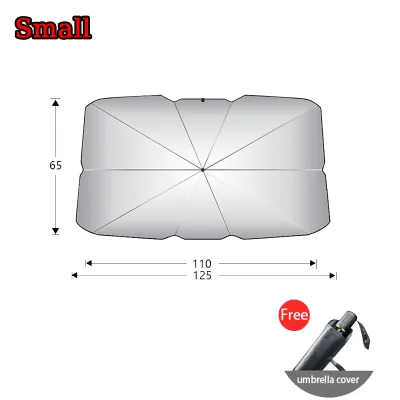
Foldable shades are the most common and accessible option on the market. They typically feature an accordion-style folding pattern or an umbrella-like wire frame that pops open. These generic designs are built to fit broad size categories rather than specific vehicle models, relying on your car’s sun visors to hold them in place.
Products mentioned in this guide
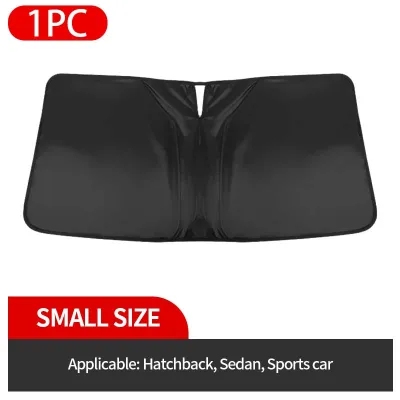
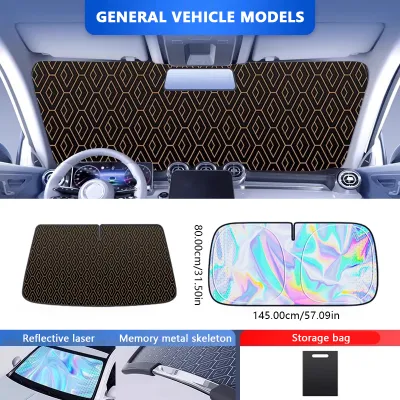
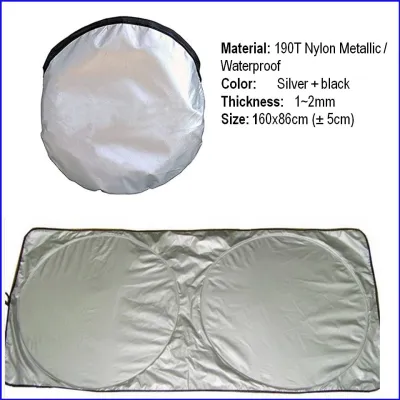
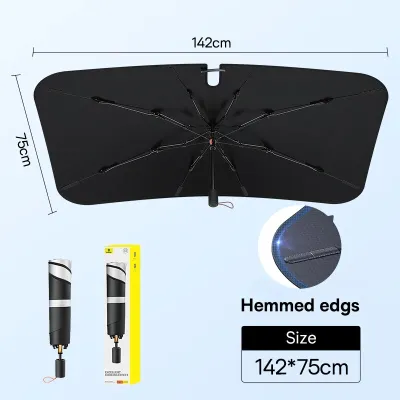
![Car Windshield Sunshade Umbrella UV Protection [ Interior Temperature Reduction Car Foldable Accessories ]](https://img.lazcdn.com/g/p/bdb59b23b0bfe3d7c3fbf73080fa65c3.jpg_400x400q80.jpg_.webp)
Prices are valid at publication and may change. Please refer to the product page for the latest price.
Custom-fit shades are engineered to match the exact dimensions of a specific vehicle’s windscreen. Made from rigid or semi-rigid multi-layered materials, they hold their shape without sagging and wedge securely into the window frame. This tailored design ensures that every corner of the glass is covered, leaving virtually no gaps for sunlight to penetrate.
Retractable shades utilize a spring-loaded roller-blind mechanism. They are semi-permanently mounted to either the passenger-side A-pillar or the bottom of the windscreen using suction cups or adhesive brackets. This allows you to pull the shade across the glass and clip it into place in a single, swift motion whenever you park.
Fit and Sun Coverage: Evaluating Light Blockage
Custom-fit shades offer the most comprehensive coverage because they are tailored to the exact perimeter of your windscreen. This precise engineering minimizes light leakage around the edges and accommodates the central rearview mirror housing. To ensure this level of protection, you must verify your vehicle’s exact model year and trim level, as minor mid-generation updates can alter the windscreen shape.

Foldable shades rely on generic sizing, which often results in a compromised fit. Because they are designed to fit a wide range of vehicles, you may find yourself overlapping excess material or dealing with significant gaps at the corners. The area around the rearview mirror is particularly prone to light leakage, as generic cuts rarely align perfectly with modern sensor housings.
Retractable shades provide consistent coverage across the main body of the glass, but their overall effectiveness depends heavily on the mounting width and the roller’s deployment path. Because the roller mechanism requires fixed mounting points, the shade fabric cannot always reach the extreme corners of the windscreen. You should check the manufacturer’s specifications to identify potential blind spots where sunlight might still penetrate.
Daily Convenience: Installation and Storage Trade-offs
The speed of deployment varies significantly between these three designs. Retractable shades are the fastest to use, requiring a simple pull-and-clip motion that takes only a second. Custom-fit shades require you to unroll or unfold a semi-rigid panel and press it into the window frame, which takes slightly longer but requires no permanent hardware. Foldable shades demand the most physical effort, as you must manually unfold the accordion panels or open the umbrella frame, adjust the sun visors to hold it, and smooth out the edges.
Storage footprint is another critical factor for daily drivers. Retractable shades remain permanently mounted to your windscreen frame, meaning they occupy zero storage space in your cabin but remain visible even when retracted. Custom-fit shades, due to their rigid construction, often roll up into a large cylinder or fold into large panels that must be stored in the trunk or across the rear seats. Foldable shades are highly compact, easily slipping into a seat pocket, the glovebox, or under a seat when not in use.
You must also consider potential obstruction risks within your cabin. A permanently mounted retractable shade must not interfere with your steering wheel adjustment, dashboard controls, or your view of the side mirrors. When deploying any shade, ensure it does not put physical pressure on your rearview mirror or any mounted accessories like dashcams.
Durability and Maintenance: Long-Term Upkeep
The materials used in windscreen shades undergo intense heat and UV exposure, which naturally leads to degradation over time. Reflective foil coatings on cheaper foldable shades can begin to peel, flake, or crease, reducing their reflective efficiency. High-quality custom-fit shades generally use more robust, multi-layered materials that resist warping, but they still require careful handling to avoid permanent creases that compromise their structural integrity.
Mechanical components introduce additional points of failure, particularly in retractable and umbrella-style foldable shades. Retractable rollers rely on internal springs that can lose tension over time, especially when subjected to constant cabin heat, which may cause the shade to sag or fail to retract fully. Umbrella-style shades feature thin metal or fiberglass ribs that can snap if forced, potentially tearing the fabric or scratching your interior.
Cleaning your shade correctly is essential to preserve its reflective properties and mounting hardware. Always follow the manufacturer’s care labels, which typically recommend wiping down the surfaces with a damp microfiber cloth and mild soap. Avoid harsh chemical cleaners that could strip the reflective coating, and regularly inspect suction cups or adhesive mounts to ensure they remain free of dust and oil buildup.
Decision Framework: Matching the Shade to Your Routine
A foldable shade is the most practical choice if you are looking for a low-cost, highly portable solution, often available for under S$20 on local online marketplaces. It is ideal for drivers who only park outdoors occasionally and prefer to keep their cabin completely free of permanently mounted accessories. Its compact storage size makes it easy to tuck away when carrying passengers.
A custom-fit shade is highly recommended if your vehicle is parked outdoors under the sun for extended periods daily. If you want maximum heat reduction and a neat, tailored appearance without altering your car’s interior, the investment in a custom-fit panel is well justified. It provides the most complete barrier against UV rays, protecting your dashboard from cracking.
A retractable shade is best suited for drivers who prioritize ultimate convenience and rapid deployment. If you frequently make short stops and dislike the hassle of folding and storing a loose shade every time you park, a mounted roller system offers unmatched speed. However, you must be comfortable with having the hardware permanently visible on your dashboard or A-pillar.
Before making a final decision, you must verify if your vehicle is equipped with advanced driver-assistance systems (ADAS) or safety cameras mounted near the rearview mirror. Some mounting hardware or rigid shade edges can obstruct these sensors or put pressure on delicate camera housings. Always consult your vehicle’s manual to ensure a shade will not interfere with these critical safety systems.
How to Measure and Verify Compatibility Before Buying
To ensure a proper fit for a generic foldable shade, you must take accurate physical measurements of your windscreen. Measure the maximum horizontal width at both the top and bottom of the glass, as well as the vertical height down the center. Measuring diagonally from corner to corner will also help you cross-reference generic sizing charts provided by manufacturers.
When ordering a custom-fit or vehicle-specific retractable kit, relying on generic measurements is not enough. You must match the exact make, model, year, and trim level of your vehicle. Manufacturers of custom shades design their products around specific dashboard shapes and mirror mounts, so even a minor trim variation can prevent a custom shade from fitting securely.
Carefully review the installation instructions before purchasing any mounted shade system. Determine whether the product requires adhesive pads, clips, or mechanical fasteners, and check if these require any modification to your vehicle’s trim. Consult your car’s owner manual to ensure that mounting hardware does not interfere with side-curtain airbags housed in the A-pillars or any dashboard electronics.
Frequently Asked Questions (FAQ)
Will a generic foldable shade scratch my windshield or dashboard?
Generic foldable shades can occasionally cause minor surface scratches if they feature exposed metal wire frames or rough, unfinished edges. To prevent this, inspect the perimeter of the shade before use and ensure the protective fabric binding is intact. Additionally, dust or sand trapped between the shade and the glass can act as an abrasive under pressure. Always ensure your windscreen is relatively clean, and handle the shade gently around delicate dashboard plastics and leather trim.
Can I install a retractable windscreen shade myself?
Many retractable shades use simple suction cups or adhesive clips that are straightforward to install without professional assistance. However, some advanced roller systems require mounting brackets that clip directly onto the A-pillar trim or dashboard seams. If the installation instructions specify removing trim panels, or if the mounting location is close to your vehicle’s A-pillar airbags, you should stop and consult a qualified professional automotive accessory installer. Improper installation in these areas can compromise airbag deployment or damage sensitive interior wiring.

Community discussion
Share your experience or ask a question. Comments are reviewed before publication.