
Upgrading the interior of a Honda Jazz often begins with the floor boards, where daily wear, dirt, and occasional spills can quickly degrade the factory carpet. Premium full-surround mats are worth the investment for Honda Jazz owners prioritizing long-term durability, exact fitment, and cabin aesthetics, while budget options suffice for short-term ownership or basic spill protection. The true value depends on verifying material composition, pedal clearance, and climate resilience rather than relying on marketing labels. Deciding between these tiers requires looking past promotional buzzwords to evaluate how each option performs under daily driving conditions.
Defining "Full-Surround" for the Honda Jazz
A standard car mat covers only the flat horizontal surfaces of the footwells, leaving the vertical carpeted walls exposed to dirty shoes, moisture, and debris. In contrast, a full-surround car mat wraps upward along the sides of the footwell, covering the dead pedal, the sides of the center console, and the threshold areas near the doors. For the Honda Jazz, which features a highly versatile cabin layout with unique seat-folding mechanisms, this extended coverage is particularly useful for capturing dirt that falls into the deep crevices of the footwells.
When shopping, buyers frequently encounter terms like 3D, 5D, or 7D mats. While these labels are often used interchangeably by manufacturers, they generally refer to the complexity of the molding and the number of material layers. A basic 3D mat typically features raised edges to contain spills, while 5D and 7D options usually incorporate thicker multi-layer synthetic leather or coiled top layers. However, these marketing designations do not guarantee a perfect fit; actual physical dimensions and precise laser-scanning measurements are what determine how well a mat conforms to the floor.
Products mentioned in this guide
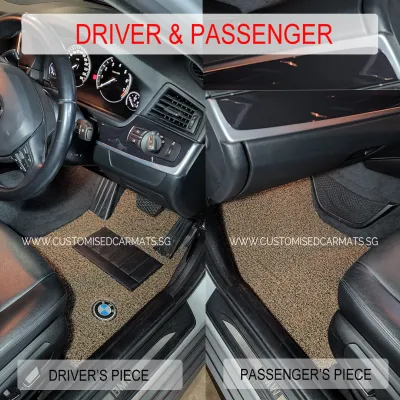
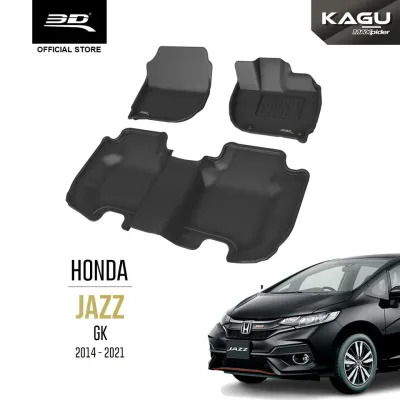

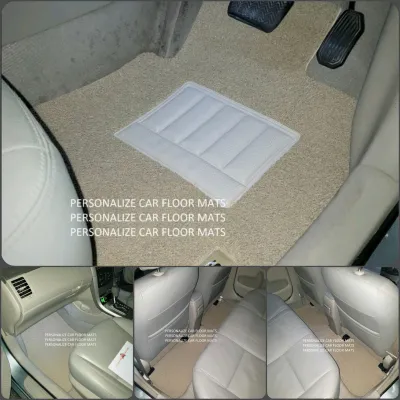
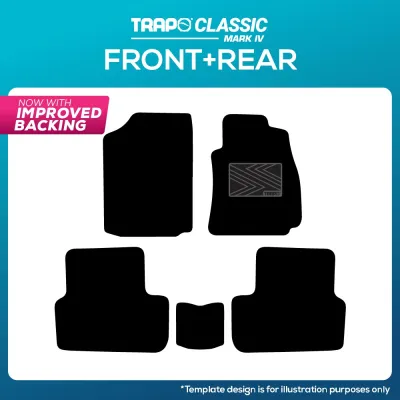
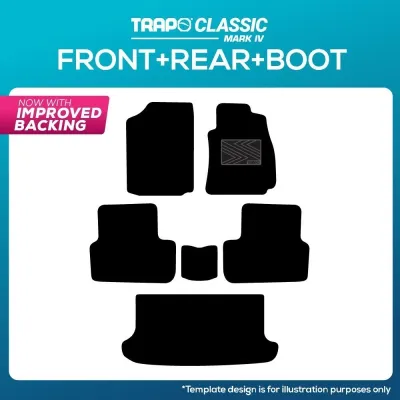
Prices are valid at publication and may change. Please refer to the product page for the latest price.
Because the Honda Jazz has evolved through multiple generations—ranging from the older GD and GE models to the widely driven GK and the newer GR hybrid variants—the floor pan dimensions vary significantly between production years. A mat designed for a GK generation Jazz will not align correctly with the floor anchors or seat rails of a GR model. Before making a purchase, it is essential to verify the exact model year, chassis code, and trim level of your vehicle to ensure the mat matches the specific floor layout.
Material and Build Quality: What You Actually Pay For
The primary differentiator between premium and budget full-surround mats lies in the quality of the materials. Premium mats often utilize advanced Thermoplastic Elastomers (TPE) or high-grade Thermoplastic Rubber (TPR). These materials are highly resilient, odorless, and capable of maintaining their shape even when exposed to extreme cabin temperatures. TPE mats are typically manufactured using injection-molding processes, resulting in a single, solid piece that resists cracking, tearing, and curling at the edges over years of use.

Budget-tier mats, on the other hand, frequently rely on cheaper PVC plastics or low-grade artificial polyurethane (PU) leather stitched over a soft foam core. While these mats may look plush when brand new, the internal foam layers can quickly compress under the driver’s heels, leading to permanent sagging. Furthermore, lower-grade synthetic materials and adhesives often emit strong chemical odors, particularly when the car is parked under the hot sun, which can compromise cabin air quality.
The backing and edge construction also play a critical role in overall longevity. High-end options feature specialized anti-slip backings, such as micro-hook textures or heavy-duty rubber nibs, that grip the factory carpet securely without damaging its fibers. Budget alternatives may use simpler backing materials that allow the mat to slide forward over time. Additionally, premium mats feature heat-sealed edges or heavy-duty double stitching that prevents fraying, whereas budget mats often show loose threads and peeling layers after only a few months of foot traffic.
Fitment and Pedal Clearance: The Safety Check
Vehicle safety must always be the primary consideration when installing any aftermarket interior accessory. A poorly fitting floor mat can slide forward and trap the accelerator or brake pedal, leading to sudden unintended acceleration or a loss of braking efficiency. When installing full-surround mats in your Honda Jazz, you must perform a rigorous safety check to ensure that the material does not interfere with the full travel of any foot pedal.
To conduct this inspection, park the vehicle safely on a flat surface with the engine turned off. Press the accelerator, brake, and clutch pedals completely to the floor one by one, verifying that there is a clear gap between the pedal arm and the edge of the mat. The mat must not pinch, catch, or restrict the smooth return of any pedal. If the mat bunches up near the pedal box or prevents a pedal from reaching its full stop, it is unsafe for road use and must be adjusted or replaced immediately.
Additionally, pay close attention to the dead pedal area on the far left of the driver’s footwell. A quality full-surround mat should cover this area completely and remain perfectly flat without lifting or sliding when you rest your foot on it. The mat must also clear the front seat rails entirely; if the edges of the mat block the seat adjustment tracks, it can damage the adjustment mechanism. Always prioritize mats that utilize the original factory retention clips or floor hooks to lock the driver’s mat firmly in place.
Durability and Long-Term Value Assessment
Evaluating the true cost of car mats requires looking beyond the initial purchase price to calculate the long-term value over your expected vehicle ownership period. In Singapore’s tropical climate, interior accessories are subjected to high humidity, intense UV radiation, and frequent rain. These environmental factors accelerate the degradation of low-quality plastics, glues, and synthetic leathers, causing budget mats to warp, delaminate, or develop persistent musty odors from trapped moisture.
The driver’s heel pad is the most common failure point on any car mat due to the constant friction of driving. Premium mats typically feature reinforced heel plates made of thick rubber, brushed aluminum, or high-density polymers that distribute pressure and resist wear. Budget mats often have thin, stitched-on plastic heel pads that can crack or detach, exposing the underlying foam to water and dirt from your shoes. Once the core layer is compromised, moisture can seep through to the factory carpet, potentially leading to mold growth on the floor pan.
While a premium set of mats may require a higher upfront investment, perhaps ranging from S$150 to S$300 or more, their ability to last five or more years without losing their shape often makes them more cost-effective over time. A budget set costing S$50 might seem attractive initially, but if it needs to be replaced every year due to wear, odor, or safety concerns, the cumulative cost quickly surpasses that of a single high-quality purchase. Furthermore, premium manufacturers often provide clear warranty terms covering structural defects, giving you greater peace of mind.
Decision Framework: Which Tier Fits Your Needs?
Choosing the right tier of full-surround mats depends on your specific driving habits, ownership timeline, and budget constraints. If you plan to keep your Honda Jazz for several years, drive daily in all weather conditions, or frequently carry passengers, investing in a premium set of TPE or high-grade molded mats is highly recommended. The precise fit, superior spill containment, and ease of cleaning will preserve the vehicle’s resale value by keeping the original factory carpets in pristine condition.
Conversely, a budget-friendly option may be entirely practical if you only plan to keep the vehicle for a short period, such as a year or two before upgrading, or if the car is driven infrequently. Budget mats can also serve as a temporary barrier to protect the carpet while you save for a higher-end set. However, even when choosing a budget option, you must never compromise on safety; ensure the mats do not slide and that they clear all pedals completely.
Before finalizing any purchase, always verify the seller’s return and exchange policies. Because full-surround mats rely on precise dimensions, there is always a slight risk of fitment issues due to minor trim variations or manufacturing tolerances. Reading verified customer reviews specifically from other Honda Jazz owners can provide valuable insights into how well a particular brand fits your specific generation of the car.
Installation and Maintenance Basics
Proper installation is essential to ensure both the safety and longevity of your new full-surround mats. Before placing the new mats into your Honda Jazz, you must remove all existing floor mats, including the original factory carpet mats. Stacking new mats on top of old ones is extremely dangerous, as it raises the floor height, compromises the effectiveness of the retention clips, and significantly increases the risk of pedal interference.
Once the footwells are completely empty, vacuum the factory carpet thoroughly to remove all loose dirt, sand, and debris. If there are any existing damp spots or spills, clean them with an authorized carpet cleaner and allow the floor to dry completely before proceeding. Installing a non-porous full-surround mat over wet carpet can trap moisture, leading to mold, mildew, and unpleasant odors inside the cabin.
Carefully position the new mats, starting with the driver’s side, and ensure they align perfectly with the factory floor anchors. Press down firmly along the edges to settle the mat into the contours of the footwell, and lock the retention clips into place. For routine maintenance, always follow the manufacturer’s specific material care label. TPE and rubber mats can usually be wiped down with a damp microfiber cloth or sprayed clean with water and a mild soap, while synthetic leather mats should be cleaned using specialized interior cleaners rather than harsh household detergents that can dry out the material.
Frequently Asked Questions (FAQ)
Do full-surround mats block the Honda Jazz's air conditioning vents?
The Honda Jazz features under-seat air conditioning vents in several of its generations to help circulate cool air to the rear passengers. When purchasing full-surround mats, it is important to check if the rear mat design accounts for these vent locations. High-quality, laser-measured mats are designed with precise cutouts or lower profiles in these specific areas to ensure that airflow remains completely unobstructed. If you notice that a mat covers or restricts a vent, you may need to trim the excess material carefully or opt for a different model that is fully compatible with your vehicle’s trim level.
Can I use budget mats temporarily and upgrade later?
Yes, using budget mats as a temporary solution is a practical way to protect your Honda Jazz’s factory carpet while you research or save for a premium set. However, you must remain vigilant during this temporary period. Check the underside of the budget mats regularly to ensure they are not sliding forward toward the pedals. Additionally, inspect the factory carpet underneath every few weeks to make sure no moisture or dirt has seeped through the budget mat’s seams, which could cause long-term staining or odor issues before you have the chance to upgrade.

Community discussion
Share your experience or ask a question. Comments are reviewed before publication.