
Polishing is the most effective method for physically removing heavy, existing oil film, while ceramic coating offers the strongest long-term prevention against future buildup. Waxing provides a middle ground with moderate hydrophobic protection but requires frequent reapplication. Because these methods serve different primary functions, the best approach often involves combining them—such as using polishing or a dedicated cleaner to strip the oil film first, followed by a ceramic coating or wax to seal the surface and prevent rapid reaccumulation.
When driving through dense urban environments, your vehicle is constantly exposed to a cocktail of airborne pollutants. Over time, these contaminants settle on your windshield and paintwork, forming a stubborn, hazy layer that resists standard washing. This layer, commonly known as car oil film, compromises visibility during heavy downpours and creates a distracting glare under streetlights or oncoming headlights.
Addressing this issue requires a clear understanding of the difference between deep cleaning and surface protection. While a quick car oil film wipe might offer temporary relief for light surface grime, it cannot tackle heavily baked-on contaminants. To restore optical clarity and protect your vehicle’s exterior, you must evaluate the distinct roles of mechanical polishing, traditional waxing, and advanced ceramic coatings.
Products mentioned in this guide
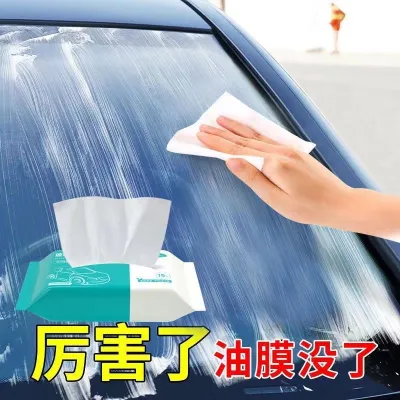
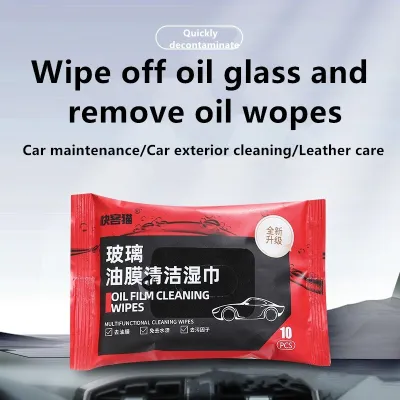
![[✅SG Ready Stock] Glass oil film cleaning brush/Car Glass Oil Film Cleaning Wipes/ Glass Stain Remover/Auto Glass bursh](https://img.lazcdn.com/g/p/6c89f4ac9816953faf2b0af0035d19aa.png_400x400q80.png_.webp)
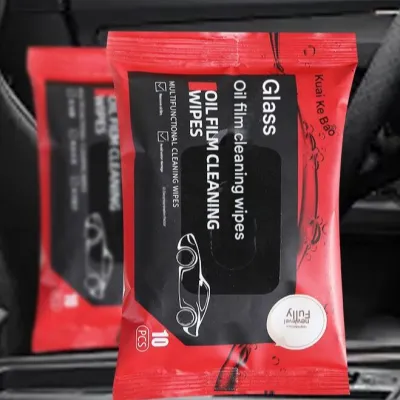
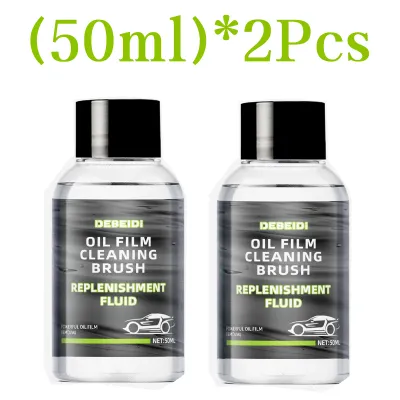
![[SG] Car Windshield Cleaner Windscreen Cleaner Wiper Cleaner Car Glass Oil Film Glass Nano Coating Water Repellent](https://img.lazcdn.com/g/p/a384adf77fb359ea7661ca59466e2b2c.jpg_400x400q80.jpg_.webp)
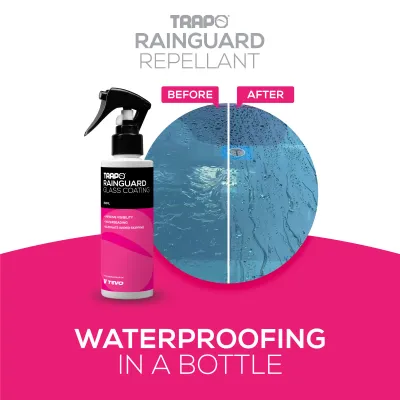
Prices are valid at publication and may change. Please refer to the product page for the latest price.
Understanding Car Oil Film and Treatment Goals
Car oil film is a complex, microscopic layer of road grime, exhaust emissions, unburnt fuel, tree sap, and industrial fallout. As you drive, vehicles ahead of you kick up these oily residues, which are then suspended in the air and deposited onto your car’s glass and painted panels. Under the intense heat of the sun and high ambient humidity, these organic compounds bake and polymerize, forming a highly resilient, hydrophobic bond with the surface.
This bonding mechanism explains why standard car shampoos and basic glass cleaners often glide right over the film without actually removing it. The film is chemically stable and physically stubborn, meaning it requires targeted intervention to break down. To manage this problem effectively, you must separate your maintenance strategy into two distinct phases: stripping the existing buildup and preventing future accumulation.
Stripping requires mechanical abrasion or specialized chemical solvents to sever the bond between the oil film and the substrate. Prevention, on the other hand, involves applying a sacrificial barrier that lowers the surface energy of the glass or paint, making it difficult for new contaminants to cling. Relying solely on a basic car oil film wipe or quick wash only addresses the symptoms of light grime, leaving the underlying, baked-on layers untouched and ready to attract more debris.
Polishing: Physical Removal for Existing Buildup
Polishing stands as a highly effective mechanical solution for stripping away stubborn, deeply embedded oil film. Unlike chemical cleaners that attempt to dissolve contaminants, polishing compounds utilize microscopic abrasives to physically shave away the microscopic peaks of grime. This process levels the surface at a microscopic scale, completely lifting away the polymerized oils, water spots, and road film that standard washing leaves behind.

Because polishing exposes the bare, uncontaminated substrate, it serves as an indispensable preparatory step for any subsequent protective treatment. Whether you plan to apply a traditional wax or a high-tech ceramic coating, the protective product requires a perfectly clean, bare surface to bond correctly. Applying any sealant over an unpolished surface traps the oil film underneath, leading to poor adhesion and premature failure of the protective layer.
However, polishing is strictly a corrective measure and offers zero preventive benefits on its own. Once you polish a surface, it is completely bare and highly vulnerable to rapid re-contamination if left unprotected. Additionally, mechanical polishing requires careful technique and the correct selection of pads and compounds. Using overly aggressive abrasives or applying excessive pressure can scratch delicate glass surfaces or thin out the clear coat on painted panels, making it vital to follow product instructions and verify compatibility before starting.
Waxing: Hydrophobic Barrier and Short-Term Prevention
Waxing is a highly accessible, time-tested method for introducing a temporary hydrophobic barrier to your vehicle’s exterior. Most automotive waxes utilize natural carnauba or synthetic polymers to fill the microscopic pores and imperfections in your paint and glass. By smoothing out these microscopic valleys, wax creates a slick surface that encourages water to bead up and roll off, taking loose contaminants with it.
This hydrophobic action makes routine maintenance significantly easier, as a simple car oil film wipe or gentle wash is often enough to clear away fresh road grime before it can bond. The wax acts as a sacrificial layer; instead of the oil film baking directly onto your clear coat or glass, it sits on top of the wax barrier. This prevents the contaminants from establishing a permanent chemical bond with your vehicle’s actual surfaces.
The primary trade-off with waxing is its limited durability, especially in hot, humid climates with frequent rainfall. Wax is highly sensitive to heat and can be easily stripped away by harsh alkaline detergents used in automatic car washes or heavy road grime. Consequently, maintaining an effective preventive barrier requires regular monitoring and frequent reapplication, typically every few weeks to a couple of months depending on environmental exposure.
Ceramic Coating: Chemical Bonding for Long-Term Resistance
Ceramic coatings represent an advanced option for surface protection, utilizing silicon dioxide (SiO2) or silicon carbide (SiC) formulations to establish a semi-permanent chemical bond with the substrate. Unlike wax, which simply sits on top of the surface, a ceramic coating cures and cross-links with the paint or glass. This chemical reaction creates an incredibly hard, glass-like barrier that is highly hydrophobic and oleophobic.
This dual resistance is particularly effective against car oil film, as the oleophobic properties actively repel oil-based contaminants. Because the coating dramatically lowers the surface energy, road grime, exhaust soot, and oily residues struggle to find a foothold. When you drive in the rain, the high surface tension causes water to sweep across the surface, naturally washing away light oil film and making manual wiping much less frequent and far easier.
The critical caveat to ceramic coatings is the absolute necessity of flawless surface preparation. Because the coating forms a semi-permanent, transparent layer, any existing oil film, water spots, or micro-scratches left on the surface will be sealed underneath. This not only ruins the optical clarity of your glass but also prevents the coating from bonding uniformly, leading to rapid degradation and spotty performance. Thorough polishing and chemical decontamination are non-negotiable prerequisites before application.
Decision Framework: Which Method Fits Your Needs?
Choosing the right approach depends heavily on your vehicle’s current condition, your budget, and how much time you want to spend on maintenance. If your windshield is currently covered in a thick, hazy layer of road grime that smears when your wipers run, your immediate priority is physical removal. In this scenario, you must start with polishing or a dedicated glass abrasive compound to restore a clean slate.
Once the surface is clean, you can select your preventive strategy based on your lifestyle and maintenance preferences. If you prefer a low-cost, highly accessible DIY routine and do not mind spending an afternoon every month detailing your car, waxing is an excellent choice. However, if you want a long-term solution that offers high resistance to tropical downpours and heavy urban traffic, investing the time or money into a ceramic coating is a highly effective path.
| Method | Removal Power | Prevention Strength | Durability | Required Skill Level |
|---|---|---|---|---|
| Polishing | Excellent (Physical Stripping) | None (Leaves Surface Bare) | Temporary (No Protection) | Moderate to High (Requires Technique) |
| Waxing | None (Do Not Apply Over Film) | Moderate (Hydrophobic Barrier) | Low (Requires Frequent Reapplication) | Low (Highly DIY-Friendly) |
| Ceramic Coating | None (Do Not Apply Over Film) | Excellent (Hydrophobic & Oleophobic) | High (Long-Lasting Barrier) | High (Requires Meticulous Prep) |
When deciding between a DIY application and professional detailing, consider the surface you are treating. While waxing painted panels is straightforward for beginners, applying ceramic coatings—especially on front windshields—requires a dust-free environment, precise leveling, and proper curing times. If you are uncomfortable using a dual-action polisher or applying semi-permanent coatings to your primary line of sight, seeking a professional detailer ensures a streak-free, safe finish.
Frequently Asked Questions (FAQ)
Can I apply wax or ceramic coating directly over existing oil film?
No, you should never apply wax or a ceramic coating directly over an existing oil film. Doing so traps the oily contaminants between the protective layer and the substrate, which severely compromises the bonding process. This trapped film will cause the wax or coating to fail prematurely, resulting in a hazy, smeary finish that worsens night-time glare and reduces windshield wiper efficiency. Always thoroughly polish or chemically strip the surface to ensure it is completely clean before applying any protective barrier.
Is a dedicated glass oil film remover better than paint polish for windshields?
Yes, a dedicated glass oil film remover is generally superior and safer for windshields than standard paint polish. Glass is significantly harder than the clear coat on your paintwork, meaning paint polishes may not have the specific abrasive profile needed to cut through stubborn glass contaminants effectively. Furthermore, some paint polishes contain silicone fillers or gloss enhancers that can leave a greasy residue on glass, causing wiper chatter and smearing. Always check product labels to ensure the compound is specifically formulated and approved for automotive glass.
How do I know when to reapply wax to maintain oil film prevention?
You can determine when to reapply wax by closely observing how water behaves on the surface of your vehicle. When the wax is fresh and active, water will bead up into tight, uniform droplets and roll off easily when the vehicle is in motion. As the wax degrades due to heat, road grime, and washing, these beads will flatten out, and water will begin to sheet or pool on the surface. A loss of surface slickness and an increase in wiper smearing are clear indicators that the protective barrier has worn thin and requires reapplication.

Community discussion
Share your experience or ask a question. Comments are reviewed before publication.