
When you spot a fresh scratch on your car’s glossy paintwork, your immediate instinct is to find a quick fix to restore its pristine look. While car waxes and ceramic coatings are highly popular for enhancing shine and protecting your vehicle from the elements, they cannot physically remove scratches. To truly eliminate a scratch, you must use a dedicated car polish or cutting compound. Understanding the fundamental differences between these products—and how they interact with your car’s paint layers—is essential to choosing the right solution and avoiding costly mistakes.
Assessing Scratch Depth: The Fingernail Test
Before purchasing any car scratch remover or detailing product, you must determine the severity of the damage. Modern automotive paint consists of three distinct layers applied over the metal or plastic body panel. The bottom layer is the primer, which bonds directly to the panel and provides corrosion resistance. Above the primer lies the base coat, which contains the actual color pigment of your vehicle. Finally, the clear coat is a thick, transparent protective layer applied over the base coat to shield it from ultraviolet (UV) rays, environmental fallout, and minor physical contact.
To assess how deep a scratch has penetrated, you can perform a simple, reliable diagnostic known as the fingernail test. Gently run your fingernail perpendicular across the scratch. If your nail glides smoothly over the defect without catching, the scratch is superficial and resides entirely within the upper portion of the clear coat. However, if your fingernail distinctly catches or drops into a groove, the scratch has penetrated deeper into the clear coat, potentially reaching the color coat or primer underneath.
Products mentioned in this guide
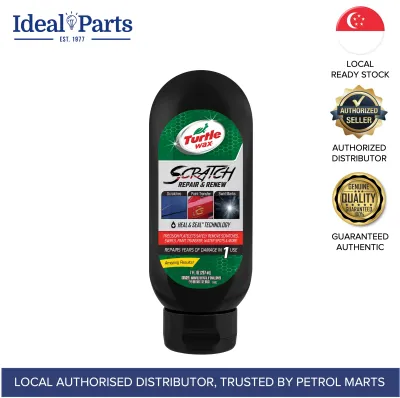
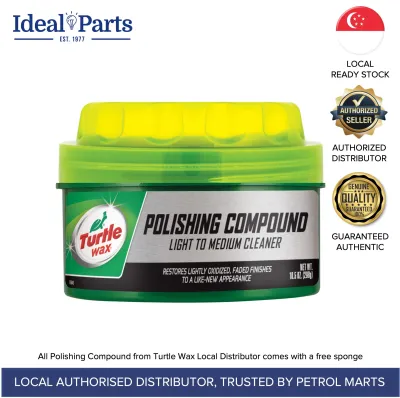
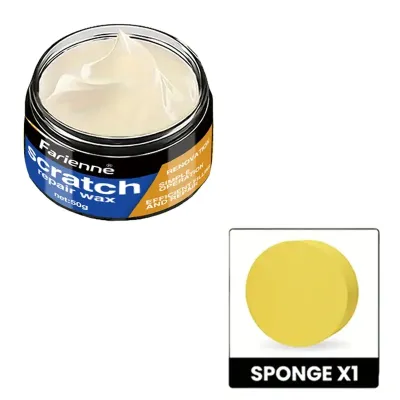
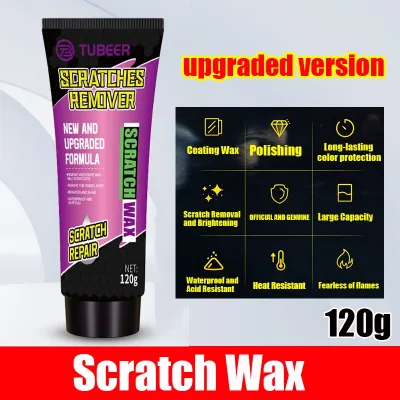
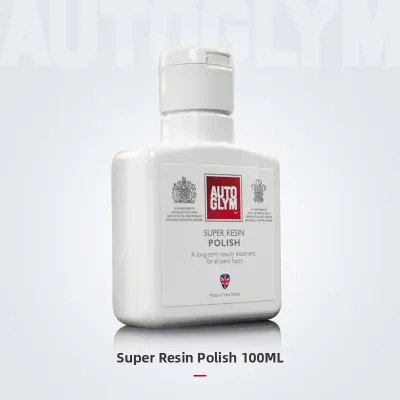
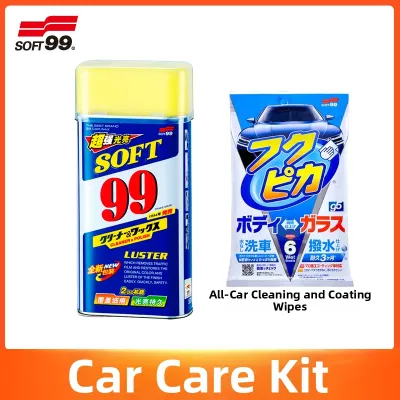
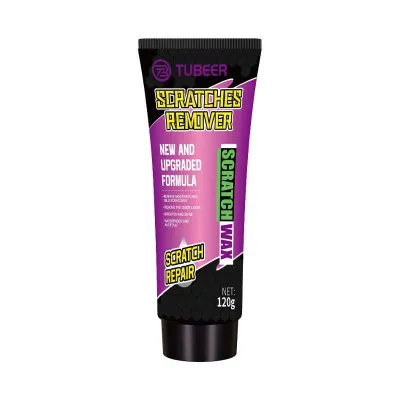
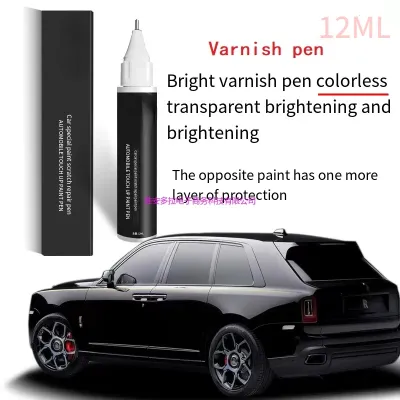
Prices are valid at publication and may change. Please refer to the product page for the latest price.
Visual inspection under proper lighting is also crucial for an accurate assessment. Park your vehicle under direct sunlight or use a bright, focused LED flashlight—such as the light on your mobile phone—while inspecting the paint in a shaded area or a multi-storey car park. If the scratch appears white or grey and does not change color when wet, it is likely a clear coat defect. If you can see a dark grey, black, or metallic color at the bottom of the groove, the scratch has completely bypassed the clear coat and base coat, exposing the primer or bare metal.
The Role of Wax and Ceramic Coatings: Filling and Hiding
Car waxes, synthetic paint sealants, and ceramic coatings are designed primarily for protection and gloss enhancement, not correction. When applied to a vehicle’s surface, these products lay down a thin, sacrificial barrier over the clear coat. If your paint has very fine micro-scratches, wash marring, or light spiderweb swirls, these protective products can temporarily hide them by filling in the microscopic valleys of the scratches.

Natural carnauba waxes and synthetic polymer sealants have relatively soft, malleable structures. When you spread them over the paint, they settle into minor clear coat imperfections. Once buffed off, they leave behind a flat, level surface that reflects light more uniformly. This optical trick makes light swirls virtually invisible to the naked eye. However, this effect is highly temporary. Under harsh tropical conditions, characterized by intense UV exposure and heavy downpours, these waxes and sealants degrade rapidly, typically washing away within a few weeks to a few months, which reveals the original scratches once again.
Ceramic coatings, which utilize liquid silicon dioxide (SiO2) or titanium dioxide formulations, offer a more durable variation of this filling effect. As the coating cures, it forms a semi-permanent, glass-like layer over the clear coat. Because of its high refractive index, a ceramic coating significantly enhances the paint’s depth and gloss, masking minor wash marring by leveling out the surface texture. Despite their durability, ceramic coatings do not physically alter the clear coat beneath them. They do not abrade, cut, or permanently level the paint. If you apply a ceramic coating over moderate or deep scratches, the coating will simply seal those defects underneath its hardened glass layer, making them permanent until the coating is mechanically polished off.
Polish as the True Car Scratch Remover: Leveling the Clear Coat
Unlike waxes and coatings, car polish is a subtractive, corrective medium. It is the only true method for permanently removing scratches from a vehicle’s paintwork. Polishing works by using microscopic abrasives suspended in a liquid or cream base to physically shave down the surrounding clear coat. By leveling the clear coat until it matches the depth of the bottom of the scratch, the sharp edges of the defect are rounded off or completely removed, making the scratch invisible because light can no longer catch on its edges.
The paint correction process generally relies on two categories of abrasive products: cutting compounds and finishing polishes. Cutting compounds contain larger, more aggressive abrasive particles designed to quickly remove deeper clear coat defects, heavy oxidation, and severe water spots. Because compounds leave behind a slightly hazy or micro-marred finish, they must always be followed by a finishing polish. Finishing polishes utilize ultra-fine abrasives to refine the paint surface, removing the compounding haze and restoring absolute optical clarity and depth.
While polishing is highly effective, it carries an inherent trade-off that requires careful consideration. Every time you polish your vehicle, you remove a microscopic layer of the clear coat. Modern factory clear coats are incredibly thin, often measuring only about 35 to 50 microns thick—roughly the thickness of a single post-it note. Over-polishing, using overly aggressive compounds, or applying excessive pressure can permanently thin the clear coat. Once the clear coat is depleted, the underlying base coat is left completely unprotected, leading to rapid paint fading, clear coat peeling, and costly respraying bills.
Decision Matrix: Matching the Solution to the Scratch
To achieve the best results without damaging your vehicle’s paint, you must match your detailing approach to the specific condition of the scratch. Attempting to polish out a scratch that is too deep will only thin your clear coat unnecessarily, while simply waxing a moderate scratch will yield disappointing, short-lived results.
For Scenario A, which involves light swirls, spiderwebbing, and minor water spots, the paint correction process is straightforward. Begin by thoroughly washing and decontaminating the paint using a clay bar to remove bonded contaminants. Next, apply a fine finishing polish using a dual-action polisher or a microfiber applicator pad to gently level the micro-swirls. Once the paint is clear and smooth, seal the surface with a high-quality wax or ceramic coating to protect the refined finish.
For Scenario B, where your fingernail catches slightly on the clear coat but does not reach the color layer, a multi-step correction is required. Start with a mild cutting compound or a dedicated car scratch remover to level the clear coat down to the depth of the scratch. Work in small sections with moderate pressure, checking your progress frequently. Once the scratch is gone, follow up with a finishing polish to restore the gloss, and finish by applying a protective wax or sealant.
For Scenario C, where your fingernail catches deeply or you can visually identify that the base color or primer is missing, you must halt any DIY polishing attempts. Polishing will not restore missing paint; it will only strip away the remaining clear coat around the damage. This scenario requires professional intervention, such as precision touch-up paint application, wet sanding, or a complete panel respray at a certified body shop.
| Scratch Type & Depth | Visual Indicators | Required Action | Appropriate Product Category |
|---|---|---|---|
| Light Swirls / Wash Marring | Visible only under direct light; fingernail does not catch | Wash, clay bar, fine polish, and protect | Finishing polish, followed by wax or ceramic coating |
| Moderate Clear Coat Scratch | Fingernail catches slightly; scratch disappears when wet | Compound, polish, and protect | Cutting compound, finishing polish, and sealant |
| Deep Scratch / Paint-Deep | Fingernail catches deeply; primer or bare metal is visible | Stop DIY polishing; seek professional repair | Touch-up paint, wet sanding, or professional respray |
Safety Boundaries: When to Stop DIY and Consult a Professional
Working on automotive paint requires patience, the right tools, and a clear understanding of your limits. One of the greatest risks of DIY paint correction is “burning through” the clear coat. This occurs when excessive heat or friction from a rotary polisher, aggressive compound, or heavy cutting pad strips away the clear coat entirely, exposing the dull base coat underneath. This damage is irreversible and cannot be polished out; the only remedy is a professional respray of the entire panel.
Particular caution must be exercised when working near sharp body lines, panel edges, and plastic bumpers. The paint on these areas is naturally thinner due to the manufacturing process, and machine polishers apply concentrated pressure on raised edges, making them highly susceptible to instant burn-through. If you do not own a paint depth gauge to measure the remaining clear coat, or if you lack experience with machine polishers, it is always safer to start with the least aggressive product and pad combination.
Deep scratches that expose the grey primer or bare metal present a structural threat to your vehicle. Without the protective clear coat and base coat, moisture can easily reach the underlying steel or aluminum, leading to rust and corrosion that spreads beneath the surrounding paint. Attempting to polish these areas will only accelerate the damage. For these deep defects, consult a certified professional detailer or a reputable automotive body shop. These professionals possess the specialized tools, color-matching technology, and controlled environments necessary to perform seamless paint repairs and restore your vehicle’s structural integrity.
Frequently Asked Questions (FAQ)
Can household items like toothpaste effectively remove car scratches?
No, you should avoid using toothpaste to treat car scratches. While toothpaste does contain mild abrasives designed to clean teeth, these particles are not graded or engineered for automotive clear coats. Using toothpaste can cause uneven abrasion, leaving behind a hazy, dull patch of micro-marring on your paintwork. Correcting this damage requires professional polishing compounds, meaning a temporary household shortcut will ultimately result in more work and expense.
Will a ceramic coating prevent future car scratches?
A ceramic coating will not prevent physical scratches, stone chips, or key marks. While ceramic coatings offer exceptional chemical resistance, hydrophobic self-cleaning properties, and protection against UV rays, they cure into an incredibly thin layer that cannot absorb heavy physical impacts. To protect your vehicle’s paint from physical abrasions, road debris, and parking lot scrapes, you should consider installing a high-quality paint protection film (PPF), which is a thick, self-healing polyurethane barrier designed specifically for impact resistance.
Community discussion
Share your experience or ask a question. Comments are reviewed before publication.