
Choosing the right car seat cleaner depends on balancing cleaning power with material safety. A pH-neutral cleaner is the safest choice for routine maintenance and delicate surfaces like genuine leather, synthetic leather, and Alcantara, as it preserves factory coatings and dyes. In contrast, an alkaline cleaner is highly effective for breaking down tough, organic stains, grease, and heavy dirt on durable cloth upholstery, but it carries a higher risk of drying out or damaging sensitive materials if used incorrectly.
In hot and humid climates, car interiors are frequently exposed to sweat, body oils, and high cabin temperatures, which can accelerate the breakdown of seat materials. Selecting an incompatible formulation can lead to premature cracking of leather or permanent discoloration of fabrics. Understanding how these chemical formulations interact with your specific upholstery is essential to maintaining your vehicle’s cabin value and comfort.
How pH Levels Affect Cleaning Power and Material Safety
The pH scale measures how acidic or alkaline a water-based solution is, ranging from 0 to 14, with 7 being completely neutral. In automotive detailing, interior cleaners generally fall into either the pH-neutral range (around 6 to 8) or the alkaline range (typically 8 to 11). Understanding where a product sits on this scale helps you anticipate how it will interact with both the dirt on your seats and the underlying material.
Products mentioned in this guide
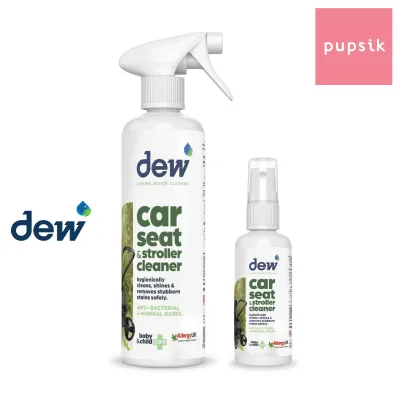
![[2-Pack] Dew Car Seat & Stroller Cleaner - 500Ml](https://img.lazcdn.com/g/p/fe5d285d183e3f6aec2b1829497e3527.png_400x400q80.png_.webp)

Prices are valid at publication and may change. Please refer to the product page for the latest price.
Alkaline cleaners are formulated with basic chemical agents that excel at emulsifying organic soils. Most common cabin contaminants—such as body oils, sweat, food spills, and grease—are naturally acidic. Alkaline solutions neutralize these acidic compounds, breaking down their molecular structure so they can be easily wiped away. This makes them highly efficient for heavy-duty cleaning tasks where stubborn grime has bonded with fabric fibers.
However, this aggressive cleaning action comes with trade-offs regarding material preservation. Modern car seats, especially those upholstered in leather or treated fabrics, come from the factory with thin protective coatings. These topcoats are designed to resist UV rays, minor abrasion, and moisture. Highly alkaline solutions can chemically degrade these delicate coatings over time, stripping away the essential oils in leather and leaving the surface vulnerable to cracking.
Using extreme pH levels on sensitive interior surfaces is generally avoided by professional detailers because the damage is often cumulative and irreversible. While a single application of a strong alkaline cleaner might make a dirty leather seat look clean, it can secretly weaken the material’s structural integrity. Over time, repeated exposure leads to fading, stiffness, and premature wear, which is why matching the chemical strength to the specific material is a fundamental rule of car care.
pH-Neutral Cleaners: Best for Routine Care and Sensitive Materials
For regular maintenance and light cleaning, a pH-neutral car seat cleaner is the safest and most reliable tool in your detailing kit. These formulas are specifically engineered to lift light surface dust, fresh spills, and minor smudges without altering the chemical balance of the upholstery. They are highly forgiving, making them excellent for weekly or bi-weekly wipe-downs where deep chemical extraction is unnecessary.

Sensitive materials require the gentle touch that only a pH-neutral formula can provide. Genuine leather, synthetic leather (such as vinyl or polyurethane-based alternatives), Alcantara, and delicate microfibers are highly susceptible to chemical damage. Leather, in particular, is an organic material that relies on a delicate balance of moisture and natural oils; pH-neutral cleaners clean the surface without stripping these vital conditioners, ensuring the leather remains soft and supple.
The primary benefit of a neutral formulation is its ability to preserve factory-applied protectants and dyes. Many modern car seats feature specialized matte finishes and color coatings that can easily bleed or become shiny when exposed to harsh chemicals. A pH-neutral cleaner maintains these original textures and colors, ensuring your cabin retains its factory-fresh appearance without leaving behind white chemical residues or sticky films.
Despite their safety advantages, pH-neutral cleaners do have clear limitations when dealing with severe neglect. Because they lack the aggressive chemical action of alkaline agents, they may require more physical effort to achieve results on tough stains. You may need to use soft-bristled detailing brushes to agitate the cleaner, allow for longer dwell times, or perform multiple cleaning passes to lift deeply embedded dirt from fabric pores.
Alkaline Cleaners: Best for Deep Stains and Durable Fabrics
When routine cleaning is no longer sufficient to lift years of ground-in dirt, stepping up to an alkaline car seat cleaner becomes necessary. These powerful formulations are designed for heavy-duty restoration work, particularly in high-traffic vehicles or family cars that endure frequent spills. They are the go-to choice for removing stubborn, oily residues that neutral cleaners cannot dissolve.
Alkaline cleaners are highly effective on durable cloth fabrics and heavy-duty synthetic materials commonly found in standard car interiors. These woven fabrics can trap dirt deep within their fibers, making surface wiping ineffective. The alkaline agents penetrate deep into the weave, lifting complex organic stains, coffee spills, mud, and grease to the surface where they can be extracted or blotted away.
The speed and efficiency of alkaline formulas make them a favorite for deep-cleaning projects. They rapidly break down tough grime, reducing the need for excessive scrubbing which can sometimes fray or pill delicate fabric fibers. This chemical efficiency is particularly useful when cleaning large areas of fabric upholstery, saving time and physical effort during a major interior detail.
However, the strength of alkaline cleaners introduces significant risks if they are misapplied. If left on a surface for too long, allowed to dry, or used in excessive concentrations, alkaline solutions can strip away protective fabric sealants and dry out leather surfaces. On colored fabrics, high alkalinity can cause dye transfer or permanent color fading, leaving unsightly light patches that ruin the uniform look of your seats.
Material Compatibility Checklist and Safety Boundaries
Before applying any chemical cleaner to your car seats, it is critical to establish a clear safety protocol to prevent accidental damage. Upholstery repairs can be incredibly costly, often requiring complete panel replacements if a chemical burn or dye discoloration occurs. Following a systematic verification process ensures you choose the right product and application method for your specific vehicle.
Your first step should always be to locate and consult your vehicle manufacturer’s owner’s manual. The interior care section provides specific guidelines on what chemical types are safe for your upholstery and highlights any strict warnings against certain ingredients. Some modern vehicles feature specialized synthetic materials that look like leather but require completely different care protocols, making manufacturer documentation invaluable.
Regardless of what the product label promises, always perform a spot test in an inconspicuous area before cleaning visible sections of the seat. The lower side of the seat cushion, the back of a headrest, or the fabric tucked near the seat rails are ideal locations for testing. Apply a small amount of the cleaner, let it sit for the recommended dwell time, agitate gently, and wipe it clean. Inspect the area under good lighting for any signs of color bleeding, texture changes, or fading.
Certain sensitive materials require specialized handling alongside strict chemical limits. For instance, Alcantara and suede should never be saturated with liquid or scrubbed with stiff brushes, as this can permanently ruin the soft nap of the material. Instead, use a dry-foam application method with a dedicated soft horsehair brush, keeping the chemical exposure as minimal and neutral as possible.
Knowing when to stop is just as important as knowing how to clean. If you encounter a stain that does not budge after two safe attempts with a pH-neutral cleaner, or if your spot test on a fabric reveals color transfer, halt the process immediately. Continuing to apply stronger chemicals or increasing scrubbing pressure will likely damage the material. In these scenarios, consulting a professional automotive detailer who possesses specialized extraction machinery and advanced stain-removal agents is the safest path forward.
| Material Category | Recommended pH Range | Spot-Test Priority | Key Cleaning Tool |
|---|---|---|---|
| Genuine Leather | pH-Neutral (6.0 – 8.0) | High (check for dye transfer) | Soft microfiber cloth / Horsehair brush |
| Synthetic Leather (Vinyl/PU) | pH-Neutral to Mildly Alkaline (6.0 – 8.5) | Medium (check for gloss changes) | Microfiber applicator pad |
| Durable Cloth / Polyester | Mildly Alkaline to Alkaline (7.0 – 10.0) | Medium (check for color fading) | Medium-stiff upholstery brush |
| Alcantara / Suede | Strictly pH-Neutral (6.5 – 7.5) | Very High (check for nap matting) | Ultra-soft brush / Dry foam |
Final Decision Guide: Matching the Formula to Your Seats
To make the right choice for your vehicle, you must weigh the current condition of your seats against the sensitivity of their materials. There is no single formula that excels in every scenario, so maintaining a clear decision framework will help you keep your cabin clean without risking chemical damage.
You should choose a pH-neutral car seat cleaner if your primary goal is regular upkeep and preservation. This is the correct path if your vehicle is equipped with genuine leather, synthetic leather, or delicate Alcantara upholstery. Using a neutral formula ensures that you maintain the factory matte finish, protect the delicate dyes, and preserve any conditioning treatments without stripping the material’s natural defenses.
You should step up to an alkaline car seat cleaner if you are tackling deep-seated dirt, grease, or organic stains on durable cloth seats. This formulation is ideal for periodic deep cleans where you need to lift heavy grime from woven fabrics. When using an alkaline product, always ensure you rinse or wipe the area thoroughly with clean water afterward to neutralize any remaining residue, and consider reapplying a fabric protector once the seats are completely dry.
Always verify the material specifications first if your vehicle features aftermarket seat covers, custom upholstery, or specialized stain-resistant coatings. Some aftermarket treatments can react unpredictably with alkaline cleaners, leading to spotty finishes or peeling. When in doubt, default to a mild, pH-neutral solution and test it thoroughly before proceeding with the full cleaning process.
Finally, recognize that neither formulation may be suitable if your seats suffer from severe physical damage, deep mold infestation, or unidentified chemical stains. Attempting to resolve these issues with off-the-shelf cleaners can worsen the damage or spread the contamination. In such cases, seeking professional detailing services with specialized thermal extraction equipment is the most effective way to restore your vehicle’s interior safely.

Community discussion
Share your experience or ask a question. Comments are reviewed before publication.