
Choosing between a front windshield sun shade and side window sun shades for your Nissan Serena C28 depends on whether your primary goal is to lower parked cabin temperatures or to protect rear passengers from glare and UV rays while driving. While a front windshield shade is highly effective at preventing the dashboard from turning into a heat radiator when parked, side window shades are indispensable for passenger comfort during family trips. Understanding how these two options perform in a large multi-purpose vehicle (MPV) will help you make the right decision for your daily drive.
The Nissan Serena C28 is celebrated for its expansive glasshouse, offering panoramic visibility that makes the cabin feel incredibly spacious. However, this massive surface area of glass also acts as a greenhouse, letting in substantial solar radiation. In tropical climates like Singapore, where the sun shines intensely year-round, this large glass area leads to rapid solar heat gain and high UV exposure.
It is helpful to distinguish between blocking direct solar radiation and filtering UV rays. Direct solar radiation carries infrared heat, which quickly warms up the physical surfaces inside your car, such as the steering wheel, seats, and dashboard. UV rays, on the other hand, are invisible but carry high energy that can cause skin damage and accelerate the aging of your vehicle’s interior materials.
Products mentioned in this guide
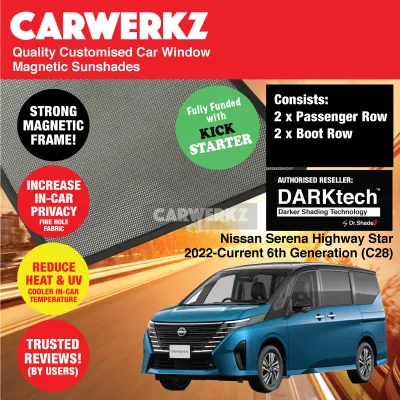
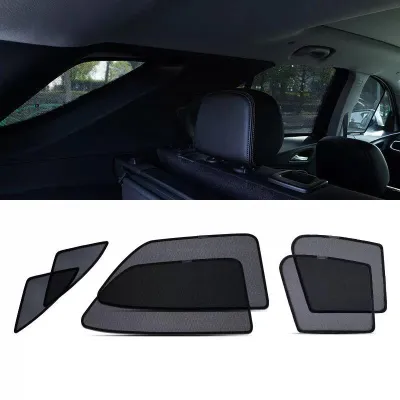
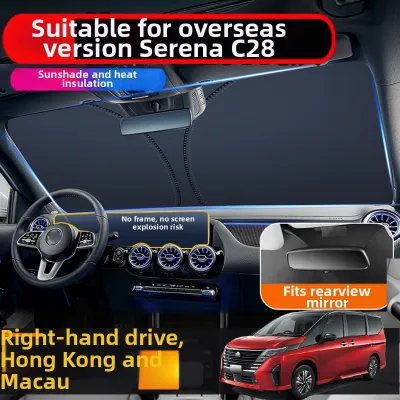
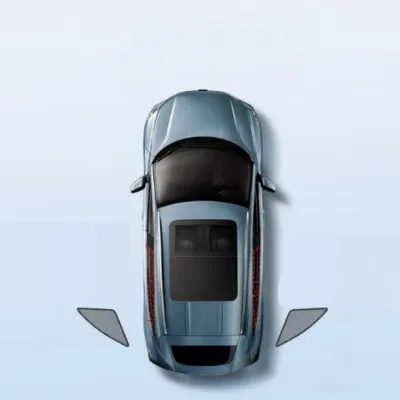
Prices are valid at publication and may change. Please refer to the product page for the latest price.
Rear passengers, especially young children in child seats, are highly susceptible to side-window glare and heat. Meanwhile, the driver needs a clear, glare-free view of the side mirrors without obstruction. Balancing these needs requires a targeted approach to sun protection inside the cabin.
Front Windshield Shades: Heat and Dashboard Protection
The front windshield of the Serena C28 is exceptionally deep and steeply raked. When parked under direct sunlight, this massive glass pane allows solar energy to bake the expansive dashboard, steering wheel, and front seats. Over time, this intense heat and UV exposure can cause the dashboard materials to degrade, fade, or even crack.
Using a dedicated front windshield shade blocks these rays before they reach the interior surfaces. This keeps the steering wheel touch-safe and reduces the load on your air conditioning system when you return to the vehicle. By preventing the dashboard from absorbing heat, you also protect the sensitive digital instrument clusters and infotainment screens mounted on the front console.
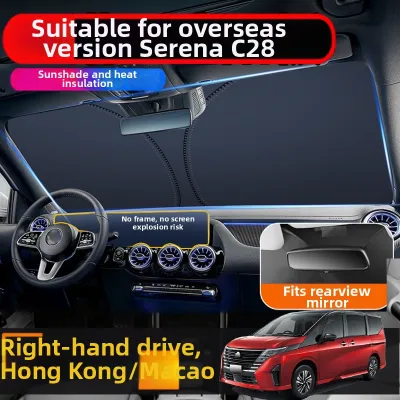
Because of the C28’s unique windshield geometry, generic “one-size-fits-all” shades rarely provide adequate coverage. The shade must accommodate the prominent rearview mirror assembly and the integrated Advanced Driver Assistance Systems (ADAS) sensor housing mounted at the top of the glass. A poorly fitting shade can press against these sensitive camera housings, potentially misaligning the safety sensors or leaving large gaps that let heat pour in.
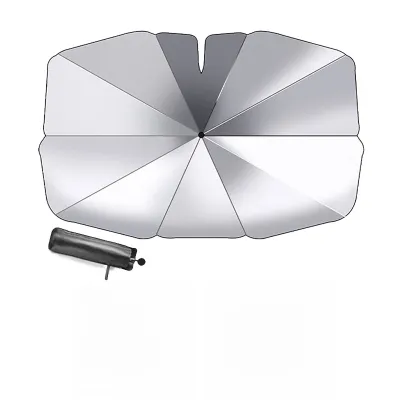
When selecting a front shade, consider how easily you can store and deploy it. Folding accordion-style shades made of thick reflective material offer excellent heat rejection but can be bulky to stow in the Serena’s front cabin. Umbrella-style folding shades are highly compact and quick to open, but you must verify that the central support rod does not scratch or put pressure on the C28’s large central touchscreen.
Side Window Shades: Passenger Comfort and UV Blocking
Side window shades primarily serve to enhance passenger comfort on the move. While they do not prevent the overall cabin temperature from rising as dramatically as a front shade does when parked, they are highly effective at blocking direct sunlight from hitting passengers’ faces and skin. This is particularly crucial for families with infants or toddlers seated in the second and third rows of the Serena C28.

There are several installation types available for side windows, each with distinct practical implications:
- Static Cling Shades: These apply directly to the glass using static electricity. They are easy to install but can peel off over time due to humidity and rarely cover the entire window frame.
- Suction Cup Shades: These are simple to mount but can leave unsightly rings on the glass and may lose suction in high heat.
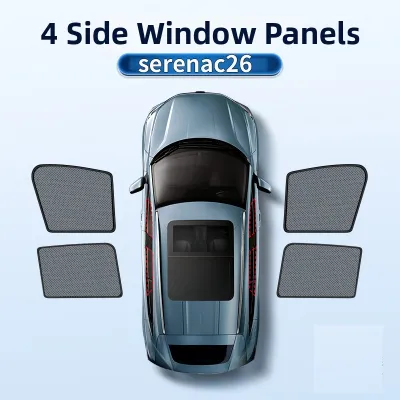
- Magnetic Frame Shades: These snap onto the metal window frame, offering a clean look and full coverage. However, you must verify if the C28's door frames have exposed metal or are covered in plastic trim before purchasing.
- Custom-Fit Mesh Sleeves: These slide over the entire door frame or fit snugly into the window channel. These allow you to roll down the window for ventilation while keeping the shade in place.
Any side shade you choose must be checked to ensure it does not interfere with the power window safety sensors or the smooth operation of the sliding doors. The Serena C28’s dual sliding doors operate on precise tracks, and any shade that protrudes too far could catch on the door frame during opening or closing.
Driver visibility is paramount. Any shade installed on the front-row side windows must comply with local traffic laws and must not obstruct the driver’s view of the side mirrors. Rear side shades should still allow sufficient outward visibility for safe lane changes and blind-spot checks.
Front vs Side Window Shades: Feature Comparison
To help you decide which option fits your daily routine, it is useful to compare how front windshield shades and side window shades perform across key categories.
| Feature | Front Windshield Shades | Side Window Shades |
|---|---|---|
| Primary Purpose | Parked heat reduction & dashboard protection | Passenger comfort & glare reduction on the move |
| Heat Reduction Potential | High (blocks the largest entry point for solar heat) | Moderate (reduces localized heat for passengers) |
| UV Protection | High for front cabin electronics and seats | High for rear passengers and child seats |
| Privacy Enhancement | Low (only blocks view from the front when parked) | High (screens passengers from outside view while driving) |
| Ease of Daily Use | Must be removed and stored before driving | Can remain installed during transit (rear windows only) |
| Fitment Requirement | Must clear ADAS sensor housing and rearview mirror | Must not interfere with power windows or sliding doors |
| Driving Impact | Cannot be used while driving | Front-row shades must not block side mirror sightlines |
From an aesthetic standpoint, custom-fit magnetic or mesh shades look integrated and premium, matching the Serena’s modern interior design. In contrast, generic suction-cup shades can look cluttered and may sag over time. Front shades must be removed entirely before driving, while side shades can often remain installed, provided they do not block the driver’s critical sightlines.
How to Choose the Right Sun Shade Setup for Your C28
To determine the best approach for your vehicle, consider your typical driving patterns and parking situations.
Choose front windshield shades if:
- You frequently park your Serena C28 in open-air car parks under direct sunlight.
- Your primary goal is to protect your dashboard, steering wheel, and front cabin electronics from heat degradation.
- You want to reduce the initial cabin temperature and ease the load on your air conditioning system when starting your journey.
Choose side window shades if:
- Your primary concern is passenger comfort during transit, especially for children or elderly passengers in the rear seats.
- You want to reduce glare on rear entertainment screens or mobile devices during daytime trips.
- You want to enhance rear-cabin privacy without permanently tinting your windows darker.
Consider a combined setup if:
- You want the most comprehensive heat and UV defense for your family MPV. Using a high-quality front shade while parked, combined with custom-fit magnetic mesh shades on the rear sliding doors and third-row windows, provides complete protection.
Before purchasing any sun shade, verify the product labels for material specifications. Look for multi-layer reflective construction for front shades or certified UV-blocking ratings (such as UPF 50+) for side mesh shades. Ensure the manufacturer explicitly guarantees fitment for the Nissan Serena C28 generation to avoid interference with the ADAS camera housing.
Finally, always check local traffic regulations regarding window accessories. In Singapore, the Land Transport Authority (LTA) enforces strict rules regarding window tinting and obstructions. Front windshields and front side windows must allow a high percentage of light transmission, and temporary or permanent shades must never compromise the driver’s field of vision while the vehicle is in motion.
Frequently Asked Questions (FAQ)
Can I use a generic sun shade for the Serena C28 windshield?
Generic shades are highly discouraged for the Serena C28. The C28 features an exceptionally large, deep windshield with a complex sensor housing behind the rearview mirror for its driver assist systems. A generic shade will either be too small, leaving massive gaps that let heat in, or too rigid to fit around the sensor cluster, risking damage to the delicate camera housing or rearview mirror mount. Opting for a custom-cut shade designed specifically for the C28 ensures complete coverage and safe clearance.
Do side window shades affect the Serena C28's power windows or sliding doors?
This depends entirely on the mounting style. Magnetic shades that attach to the metal frame of the door do not interfere with the glass movement, allowing you to operate the power windows freely. However, shades that clip into the window weatherstripping or slide over the door frame must be checked carefully. If a shade adds too much thickness to the window channel, it can trigger the power window’s anti-pinch safety mechanism, causing the glass to roll back down. Additionally, ensure that any shade installed on the sliding doors does not protrude outward, as this could catch on the C28’s sliding door tracks or damage the power sliding mechanism.

Community discussion
Share your experience or ask a question. Comments are reviewed before publication.