
Choosing between a chain paste and a chain lube spray depends entirely on your riding environment, maintenance habits, and chain type. There is no universal winner; pastes generally offer higher adhesion and less fling, making them suitable for wet conditions and long tours, while sprays provide faster application and deeper penetration for quick, routine maintenance. Before purchasing, you must verify that your chosen product is explicitly compatible with your chain’s seal type and aligns with your motorcycle manufacturer’s guidelines.
Maintaining a motorcycle drive chain is one of the most frequent and critical tasks a rider faces. A dry or poorly lubricated chain increases friction, accelerates wear on the sprockets, and can eventually lead to catastrophic chain failure while riding. Selecting the right product, such as a dedicated motul chain paste or a high-performance aerosol spray, ensures your drivetrain operates smoothly and safely.
Understanding the Core Differences in Application and Texture
To make an informed decision, you must first understand how these two types of lubricants differ in their physical composition and how they behave once applied to the chain. Chain paste is a highly viscous, thick compound designed for manual application. It typically comes in a squeeze tube and is applied using an integrated brush applicator or a separate detailing brush. This thick consistency allows you to place the lubricant exactly where it is needed—primarily on the inner rollers and beneath the side plates—without wasting product on surrounding components.
Products mentioned in this guide
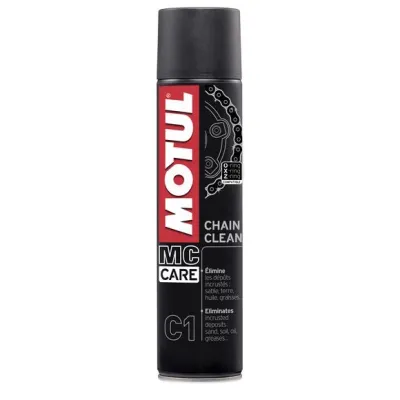
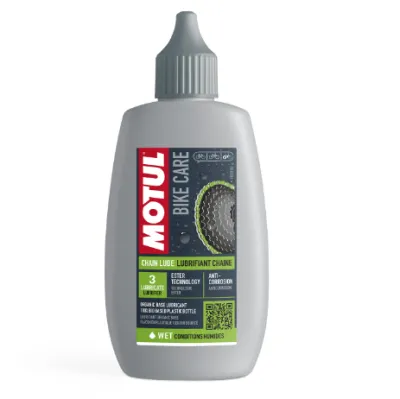
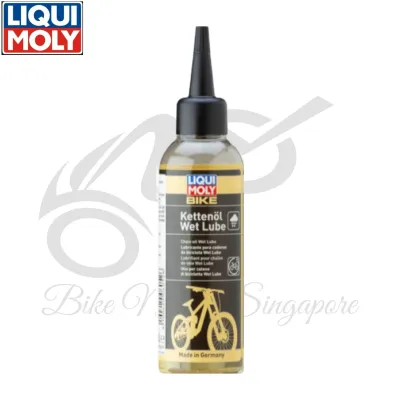
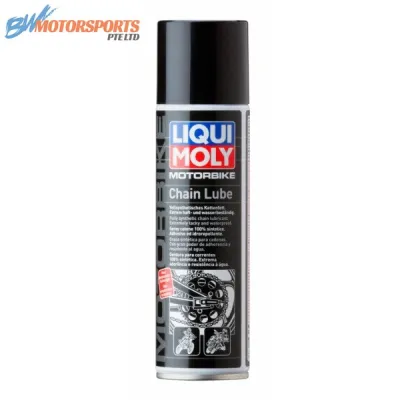
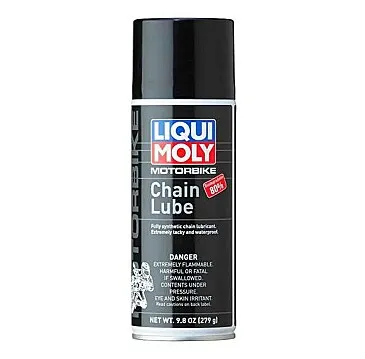
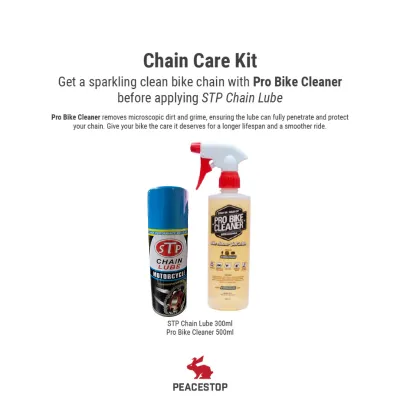
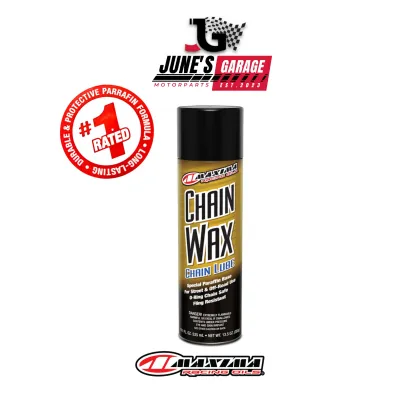
Prices are valid at publication and may change. Please refer to the product page for the latest price.
Because paste does not rely on highly volatile carrier solvents to the same extent as sprays, it does not require a lengthy drying or curing time before you can ride. The high viscosity ensures that the lubricant clings tenaciously to the metal surfaces, resisting the centrifugal forces generated at high speeds. This characteristic drastically reduces fling-off, which is the tendency of chain lubricants to spray onto your rear wheel rim, swingarm, and rear braking components.
In contrast, chain lube spray is an aerosol-based product that exits the nozzle as a thin, pressurized liquid. This low initial viscosity is a deliberate design feature; it allows the lubricant to penetrate deep into the microscopic clearances between the chain pins, bushings, and rollers. Once the spray has penetrated these tight spaces, the carrier solvents evaporate over a period of 10 to 30 minutes, leaving behind a tacky, protective lubricating film.
However, the pressurized delivery of aerosol sprays introduces a risk of overspray. If you are not careful, the fine mist can easily drift onto your rear brake rotor, brake pads, or the tread of your rear tire. Any lubricant contamination on these braking and traction surfaces poses an immediate safety hazard. Riders using sprays must use protective shields, such as a piece of cardboard placed behind the chain, to contain the mist during application.
Regardless of whether you choose a paste or a spray, you must verify that the product is explicitly safe for your specific chain type. Modern motorcycles typically use sealed chains containing rubber O-rings, X-rings, or Z-rings that seal factory-packed grease inside the chain pivots. Using a lubricant or cleaner containing harsh solvents can cause these rubber seals to swell, crack, or degrade, allowing the internal grease to escape and leading to rapid chain failure. Always check the product label for explicit compatibility with sealed chains.
Evaluating Your Riding Environment and Maintenance Routine
Your typical riding conditions and personal maintenance habits should heavily influence your choice of lubricant. For riders operating in wet, humid, or tropical environments—such as the frequent, heavy downpours experienced in tropical regions—water resistance is a primary concern. Rain and road spray can quickly wash away lighter lubricants, leaving the chain vulnerable to rust and friction. Chain paste excels in these conditions because its thick, water-resistant barrier is highly resistant to being washed off by water kicked up from the road.

Conversely, the sticky nature of chain paste presents a trade-off when it comes to dust and dirt. If you frequently ride on unpaved roads, dusty paths, or through construction zones, a highly tacky paste will act like a magnet for road grit. This grit mixes with the paste to form an abrasive grinding compound that can rapidly wear down your sprockets and damage the rubber chain seals. In dry, dusty environments, a fast-drying, non-sticky chain spray or a dry-film lubricant is often a more suitable choice, as it attracts far less debris.
Your willingness to spend time on maintenance is another crucial factor. Applying a chain paste is a deliberate, hands-on process. You must apply the paste link by link, working it into the rollers with a brush. While this method is highly precise and virtually eliminates mess, it can take ten to fifteen minutes to complete. For riders who prefer a quick, low-effort maintenance routine, this process might feel tedious.
A chain lube spray offers unmatched convenience and speed. With the motorcycle secured on a stand, you can apply a continuous stream of spray to the entire length of the chain in less than a minute. This speed makes sprays highly popular for daily commuters who need to perform quick touch-ups after a wet ride. However, you must factor in the necessary curing time; riding immediately after spraying can cause the uncured lubricant to fling off instantly, leaving your chain dry and your rear wheel covered in grease.
Key Specifications to Verify Before Purchasing
Before purchasing any chain lubricant, you must perform a few quick checks to ensure compatibility and safety. First, consult your motorcycle’s owner’s manual. Manufacturers often specify the recommended type of lubricant, such as a heavy gear oil or a specialized chain lubricant, and may explicitly warn against using certain chemical bases. For example, some manufacturers advise against lubricants containing heavy concentrations of polytetrafluoroethylene (PTFE) or specific penetrating solvents for certain chain models.
Next, inspect the product packaging for industry-standard certifications and clear compatibility labels. Look for phrases like “O-Ring, X-Ring, and Z-Ring Compatible” or “Safe for all sealed chains.” If a product does not explicitly state that it is safe for sealed chains, do not use it on an O-ring or X-ring chain. Using an incompatible product can ruin an expensive chain set in a short period.
Additionally, pay attention to the storage requirements of your chosen product. Aerosol cans are pressurized vessels and must be stored in a cool, dry place away from direct sunlight and heat sources. In warm climates, storing aerosol cans in a hot metal shed or the trunk of a car can lead to dangerous pressure buildup. Chain pastes, while not pressurized, can also suffer from chemical separation if exposed to extreme heat over long periods, which reduces their effectiveness.
Safe Application Procedures and Maintenance Boundaries
Performing chain maintenance requires strict adherence to safety protocols to prevent severe physical injury and mechanical damage. Before you begin applying any lubricant, conduct a thorough visual inspection of the chain. Look for signs of uneven wear, tight spots where links do not pivot freely, cracked rollers, or missing rubber seals. If you detect any of these issues, lubricating the chain will not resolve the underlying structural weakness; the chain must be replaced.
When you are ready to apply the lubricant, you must secure the motorcycle properly. Place the bike on a stable paddock stand, center stand, or lift to elevate the rear wheel off the ground. Ensure the motorcycle is on flat, level concrete. Under no circumstances should you start the engine or put the motorcycle in gear to spin the rear wheel while cleaning or lubricating the chain manually. This is an incredibly dangerous practice that has caused countless riders to lose fingers when their hands or cleaning cloths were drawn into the rotating rear sprocket. Always rotate the rear wheel manually by hand, turning it in the direction of normal wheel rotation.
Begin by thoroughly cleaning the chain using a dedicated, seal-safe chain cleaner and a soft-bristled chain brush. Remove all old grease, road grime, and grit. Wipe the chain completely dry with a clean, lint-free microfiber cloth. Applying new lubricant over a dirty chain simply traps abrasive grit against the metal surfaces, accelerating wear rather than preventing it.
Once the chain is clean and dry, apply the lubricant to the inside run of the chain—the side facing the sprockets—as it passes along the bottom of the swingarm. If using a paste like motul chain paste, squeeze a small amount onto the brush and spread it evenly along the inner rollers and the edges of the side plates where the rubber seals are located. If using a spray, aim the nozzle at the inner rollers and side plates while slowly rotating the wheel by hand. Allow the lubricant to sit for the manufacturer-recommended curing time before riding.
If during your inspection or application you discover that the chain has stretched beyond its service limit, or if you notice severe rust that has pitted the metal links, stop immediately. Do not attempt to ride the motorcycle. A compromised chain can snap under acceleration, potentially locking up the rear wheel or punching through the engine crankcase. In these situations, or if you are uncomfortable adjusting chain tension yourself, seek the assistance of a qualified professional motorcycle mechanic.
Decision Framework: Which Lubricant Should You Choose?
To simplify your purchasing decision, you can use a straightforward framework based on your riding profile and maintenance preferences.
You should choose a chain paste if you:
- Frequently ride in wet, rainy, or highly humid tropical climates where water wash-off is a constant issue.
- Prioritize keeping your motorcycle's rear wheel, swingarm, and bodywork clean and free of flung-off grease.
- Prefer a highly precise, controlled application process and do not mind spending a few extra minutes brushing the lubricant onto individual links.
- Have limited storage space and prefer a compact, non-pressurized tube that is easy to pack for long-distance touring.
You should choose a chain lube spray if you:
- Value speed and convenience, wanting to complete your chain maintenance in under a minute.
- Ride primarily in dry, paved, or clean environments where dust and grit accumulation are minimal.
- Require deep, rapid penetration into the internal rollers and pins of a highly active chain.
- Are diligent about using protective shields during application to prevent overspray on your braking components and tires.
Before making your final selection, always cross-reference your choice with your motorcycle’s manual to ensure compliance with any manufacturer-specific chemical restrictions or maintenance guidelines.
Frequently Asked Questions (FAQ)
Can I mix chain paste and chain lube spray on the same chain?
You should avoid mixing chain paste and chain lube spray on your motorcycle chain. Different lubricant formulations use specific chemical bases, thickeners, and carrier solvents that may not be compatible with one another. When mixed, the solvents in a spray lubricant can dissolve the binding agents in a chain paste, causing the mixture to break down into an ineffective, sticky sludge. This sludge will fail to lubricate the chain properly and will rapidly attract abrasive road dirt. If you decide to switch from a spray to a paste, or vice versa, always perform a complete chain cleaning and degreasing first to remove all traces of the old lubricant.
How do I know if my current chain lubricant is failing?
You can identify a failing chain lubricant through several clear visual and auditory signs during your pre-ride inspections. Visually, a chain that lacks adequate lubrication will show dry, shiny metal rollers, and you may begin to see light brown surface rust forming on the side plates or link pins. You might also notice a heavy buildup of dry, black crust or excessive grease flung across your rear wheel and swingarm, indicating the lubricant has migrated off the chain. Auditorially, a dry chain will produce a noticeable mechanical squeaking, rattling, or dry grinding noise, especially when pushing the motorcycle by hand or during low-speed acceleration.

Community discussion
Share your experience or ask a question. Comments are reviewed before publication.