
To build a complete motorcycle chain maintenance kit around your choice of chain lube motorcycle products, you need more than just a single aerosol can. A truly effective maintenance setup requires a dedicated, seal-safe chemical degreaser, a multi-sided mechanical scrubbing brush, specialized detail tools, a precision applicator pad, and a stable lifting platform like a rear paddock stand. In Singapore’s tropical climate, characterized by high humidity and sudden rain showers, road grime, salt, and moisture accumulate rapidly on your drivetrain. Neglecting these elements or simply spraying new lubricant over old dirt will accelerate wear and lead to costly repairs. Before using any cleaning or lubrication product, always refer to your motorcycle manufacturer’s manual and the specific product labels for compatibility, safety guidelines, and authorized use cases.
Why Motorcycle Chain Lube Needs a Supporting Cast
A motorcycle chain operates under extreme tension, high rotational speeds, and constant exposure to the elements. The primary goals of chain maintenance are reducing friction, preventing rust, and extending the life of both the chain and the sprockets. However, many riders make the critical mistake of applying fresh chain lube directly onto a dirty chain. This practice does far more harm than good.
When you ride, your chain picks up road dust, sand, and tiny debris. If you spray new lubricant over this dirty layer, the wet lube binds with the debris, creating an abrasive paste. This paste acts like liquid sandpaper, grinding away at the metal rollers, side plates, and sprocket teeth every time you twist the throttle. Over time, this accelerates wear, causes the chain to stretch unevenly, and ruins the sprocket profile.
Products mentioned in this guide
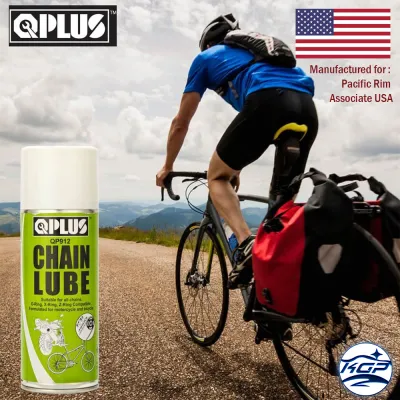
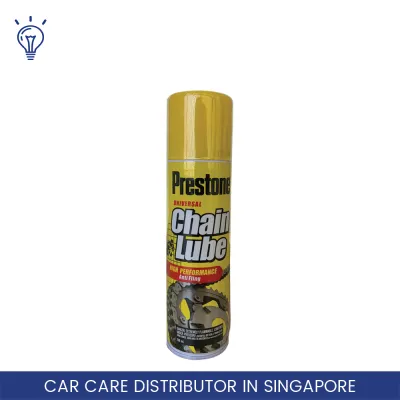
![[SG Stock] Muc-Off Dry Chain Lube 4oz/ 120ml original premium quality Local stock Fast Delivery](https://img.lazcdn.com/g/ff/kf/S6e13eb5fdb5a4fd2923c96fe9d6cd848U.jpg_400x400q80.jpg_.webp)
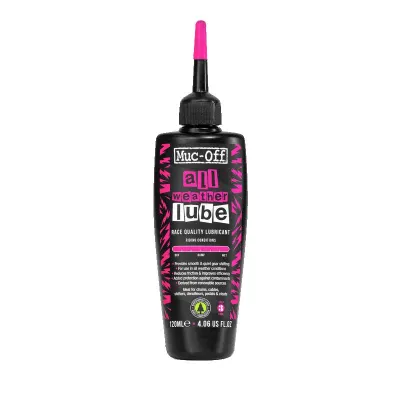
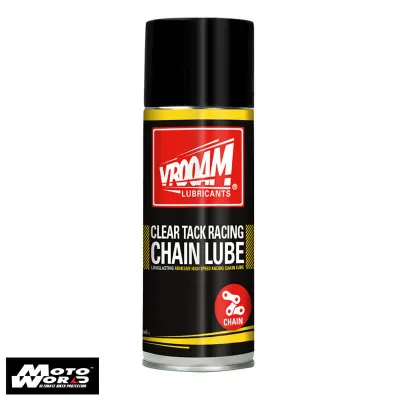
Prices are valid at publication and may change. Please refer to the product page for the latest price.
To prevent this, a complete maintenance kit must address the three essential phases of drivetrain care: chemical degreasing to break down old, contaminated grease; mechanical scrubbing to physically lift stubborn road grime; and precise lubrication to seal and protect the moving parts. Only by executing these steps in sequence can you ensure your chain operates safely and efficiently.
Choosing the Right Degreasers to Prep Your Chain
Before you can apply fresh lubricant, you must strip away the old, dirty grease. This requires a chemical degreaser that is powerful enough to dissolve stubborn road grime but gentle enough to preserve the delicate components of your chain.

Dedicated Chain Cleaners vs. General Solvents
Modern motorcycle chains are typically sealed, utilizing rubber O-rings, X-rings, or Z-rings to lock factory grease inside the internal pin and bushing assembly. These rubber seals are highly sensitive to harsh chemicals. Dedicated motorcycle chain cleaners are specifically formulated to dissolve heavy grease and road grime while remaining completely safe for rubber compounds.
In contrast, general household solvents or unverified chemicals like petrol, gasoline, or aggressive chlorinated brake cleaners pose a severe risk. These harsh solvents can swell, crack, degrade, or completely dry out the rubber seals. Once the seals are compromised, the essential factory grease escapes, water enters the internal links, and the chain will suffer rapid, catastrophic failure. Always check the product label to verify that the degreaser is explicitly rated as safe for O-ring and X-ring chains before application.
Water-Based vs. Solvent-Based Formulas
When selecting a degreaser, you will generally choose between solvent-based and water-based formulas. Solvent-based cleaners are highly effective at cutting through heavy grime, old chain wax, and thick grease buildup quickly. They dissolve contaminants on contact, but they require excellent ventilation and careful handling to avoid contact with painted surfaces or tires.
Water-based or biodegradable degreasers offer an eco-friendly alternative that is easier to rinse off and generally safer to use in confined spaces. However, because they lack the aggressive dissolving power of petroleum solvents, water-based options typically require slightly more mechanical agitation and longer dwell times to break down stubborn dirt. For riders in Singapore who perform maintenance in shared HDB multi-storey car parks, water-based formulas are often preferred due to their lower odor and easier cleanup.
Selecting Brushes and Scrubbers for Effective Cleaning
Chemicals alone cannot remove all the packed-on road grime and grit. You need the right mechanical tools to agitate the degreaser and lift the dirt from the chain’s crevices.
3-Sided Chain Cleaning Brushes
A specialized 3-sided chain cleaning brush is one of the most valuable additions to your maintenance kit. Unlike standard household brushes, these tools feature a U-shaped head with three distinct bristle planes. This design allows you to clean the top, bottom, and sides of the chain simultaneously, drastically reducing maintenance time and ensuring even scrubbing coverage across all surfaces.
When choosing a brush, pay close attention to bristle stiffness. Stiff nylon bristles are highly recommended because they provide enough abrasive force to clear away grime without damaging the chain. You must strictly avoid hard metal or steel wire brushes. Metal bristles will scratch the chain’s protective plating, invite rust, and easily puncture or shred the delicate rubber O-rings, ruining the chain instantly.
Detail Brushes and Grunge Tools
While a 3-sided brush handles the main chain run, it cannot reach every tight space. Narrow, stiff-bristled detail brushes, such as double-ended nylon utility brushes, are essential for cleaning sprocket teeth, the master link, and the tight gaps around the link pins.
Additionally, specialized plastic “grunge tools” or plastic scrapers are highly effective for digging out packed grease, mud, and road debris from the rollers and the area behind the front sprocket cover. These plastic tools allow you to scrape away heavy buildup without risking any metal-on-metal damage or compromising the rubber seals.
Applicators and Stands for Precision Lubrication
Once the chain is clean and dry, the final step is applying the lubricant. To do this efficiently and safely, you need tools that ensure precise application and stable bike positioning.
Chain Lube Applicator Pads
Applying aerosol chain lube directly from the can often results in significant overspray. This overspray can coat your rear tire, swingarm, and—most dangerously—your rear brake rotor and pads, creating a severe safety hazard. To prevent this, consider adding a chain lube applicator pad or a specialized guide tool to your kit.
These devices typically feature foam pads or plastic guides that wrap around the chain, transferring the lubricant directly to the rollers and O-rings. By containing the spray, these applicators minimize aerosol overspray, keep your rear wheel and brake components clean, and reduce product waste, ensuring that every drop of lube goes exactly where it is needed.
Rear Paddock Stands and Wheel Chocks
To clean and lubricate a chain thoroughly, you must be able to rotate the rear wheel freely. A rear paddock stand or a robust factory center stand is an indispensable tool for this process. It lifts the rear wheel off the ground, allowing you to rotate the drivetrain smoothly by hand.
Before lifting your motorcycle, always perform critical safety checks. Ensure the paddock stand is compatible with your bike’s swingarm or swingarm spools (bobbins), and verify that the spools are securely tightened to the manufacturer’s torque specifications. The stand must be placed on flat, level, and solid ground to prevent the bike from tipping over during the scrubbing phase, which requires physical force.
The Maintenance Routine: Layering Cleaners and Chain Lube Motorcycle Products
To get the best results from your maintenance kit, you must follow a logical, sequential workflow that allows each product to perform its role effectively. Always verify your vehicle model, chain specifications, and paddock stand compatibility from your motorcycle’s official documentation before starting.
- Preparation: Warm the chain slightly by taking your motorcycle for a short 5-to-10-minute ride. This warms the metal and softens old grease, making it much easier to remove. Secure the bike upright on your rear paddock stand or center stand on a flat surface. Place a drip tray, oil pan, or thick cardboard directly under the lower chain run to catch dirty runoff and protect your driveway or garage floor.
- Chemical Application: Shake your chain cleaner well. Spray the degreaser evenly along the lower chain run while rotating the rear wheel slowly and manually by hand. Ensure the entire chain is thoroughly coated. Allow the cleaner to dwell for the duration specified on the product label—typically 3 to 5 minutes—so it can dissolve the grease, but do not let it dry out completely on the chain.
- Mechanical Agitation: Take your 3-sided brush and scrub the main length of the chain. Rotate the wheel manually in small increments to work your way around the entire loop. Use your narrow detail brush to clean the rear sprocket teeth, the front sprocket area, and the gaps around the link plates. Always keep your fingers clear of the sprocket teeth and chain interface to avoid pinch injuries.
- Rinsing and Drying: Wipe away the dissolved grime and dirty cleaner residue using a clean, lint-free microfiber cloth. If you used a water-based or biodegradable cleaner, rinse the chain gently with a low-pressure stream of water. In Singapore's humid climate, moisture trapped inside the chain links can rapidly cause flash rusting. You must ensure the chain is 100% dry before applying lubricant. Use a dry microfiber cloth to thoroughly wipe down the chain, and let it air-dry completely.
- Precision Lubrication: Shake your chain lube motorcycle canister thoroughly. Apply the lubricant to the inside of the lower chain run (the side facing upward, running along the top of the lower swingarm section) while rotating the wheel slowly by hand. Targeting the inside of the chain ensures that as you ride, centrifugal force pushes the lubricant outward into the rollers and rubber seals rather than flinging it off. Focus the spray on the gaps between the inner and outer plates where the O-rings are located. Wipe off any excess lube with a clean cloth to prevent sling. Allow the carrier solvents to evaporate and the lube to cure (typically 15 to 30 minutes, or as directed by the manufacturer) before riding.
Compatibility Warnings: What Not to Mix or Use
To protect your motorcycle’s drivetrain and ensure your personal safety, avoid these common maintenance mistakes and incompatible pairings:
- Moisture Trapping: Never apply chain lube over a damp chain. If you mix solvent-based degreasers or water-based cleaners with lubricant without letting the chain dry completely, you will trap moisture inside the rollers, leading to internal rust and stiff links.
- High-Pressure Washers: Never use a high-pressure jet wash directly on your motorcycle chain. The intense pressure will force water past the rubber O-rings, washing out the critical factory grease sealed inside the pins and rollers, which cannot be replaced.
- Over-Lubrication: Avoid applying excessive amounts of chain lube. Over-lubricating does not provide extra protection; instead, it flings off onto your rear wheel and attracts road grit, forming an abrasive grinding paste that accelerates sprocket wear.
- Abrasive Metal Tools: Never use steel wool, metal scrapers, or brass wire brushes on your chain. These harsh materials will permanently score the metal surfaces, strip away protective anti-corrosion coatings, and tear the delicate rubber seals.
- Engine-Powered Rotation: Never start your motorcycle's engine and put it in gear to spin the rear wheel while cleaning or lubricating the chain. This dangerous shortcut has caused severe finger amputations and hand injuries. Always rotate the wheel manually by hand. If you are unsure about any part of this maintenance process, consult a qualified professional mechanic.
Frequently Asked Questions (FAQ)
Can I use standard WD-40 as a chain cleaner and lubricant?
Standard WD-40 is primarily a solvent and water displacer, not a dedicated high-load lubricant. While it can cautiously be used to clean a chain (if verified safe for your chain’s rubber seals), it strips away necessary lubrication. It must be completely wiped off and followed by a dedicated motorcycle chain lube.
How often should I use the full cleaning kit versus just re-lubing?
Apply a fresh coat of lube every 300 to 500 km, or immediately after riding in heavy rain (especially common in Singapore’s tropical downpours). A full degreasing and scrubbing routine with the complete kit is typically recommended every 1,000 to 2,000 km, or whenever you notice visible grime, sand, or thick black buildup.
Is a paddock stand strictly necessary for chain maintenance?
While a paddock stand is the safest and most efficient tool for rotating the wheel, a factory-fitted center stand works perfectly. If your bike has neither, you can use a portable wheel roller tool, or as a last resort, roll the bike forward in small increments on its side stand, though this makes the cleaning process much more tedious and less thorough.
Community discussion
Share your experience or ask a question. Comments are reviewed before publication.