
Selecting the ideal fully synthetic 10W-50 motorcycle oil for your machine is not a matter of finding a single, universally superior product. Instead, the right choice depends on your motorcycle manufacturer’s exact specifications, your typical riding environment, and your maintenance habits. While Motul 7100, Shell Advance Ultra, and Castrol Power 1 all meet the baseline requirements for high-performance four-stroke engines, they utilize distinct base oil technologies and additive packages designed for different operational priorities.
To make an informed decision, you must look beyond brand popularity and evaluate how each oil’s formulation aligns with your engine’s mechanical design. A high-performance sportbike ridden on open roads or tracks has different lubrication demands than a commuter motorcycle navigating dense, hot urban traffic. By understanding the technical characteristics of these three prominent oils, you can select the formulation that best supports your engine’s longevity and performance.
This guide provides a structured approach to verifying your motorcycle’s requirements, comparing the manufacturer-claimed technologies of Motul, Shell, and Castrol, and applying a practical decision framework. Rather than relying on subjective reviews, you will learn how to read oil labels, verify critical industry certifications, and establish a maintenance routine that keeps your engine protected under all riding conditions.
Products mentioned in this guide
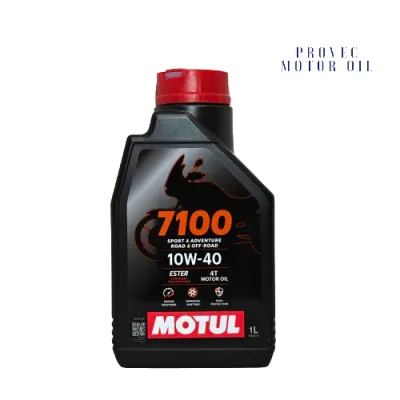
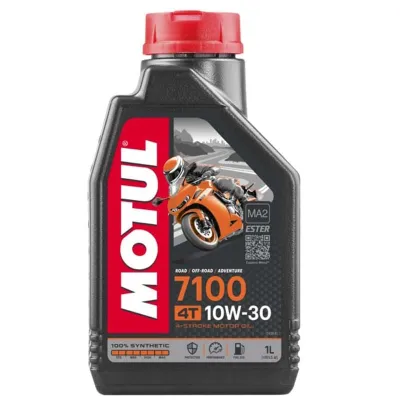
![🇸🇬 MOTUL 7100 4T 10W40 10W50 15W50 100% Synthetic Ester Engine Oil Motorcycle Oil [1L]](https://img.lazcdn.com/g/p/00450279a13a350708397ff343c39c19.png_400x400q80.png_.webp)
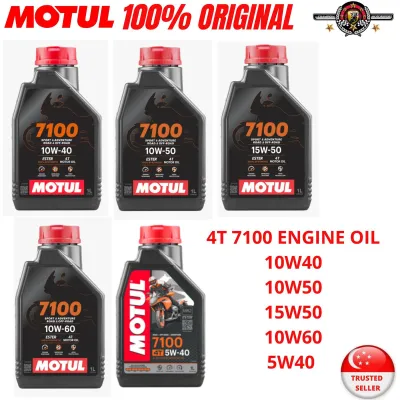
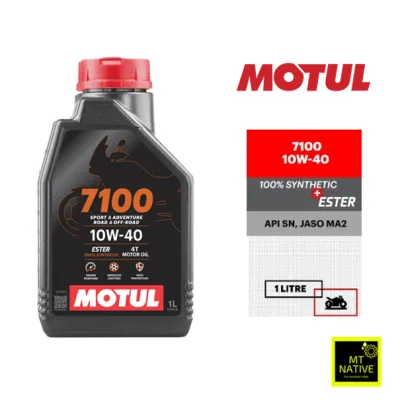
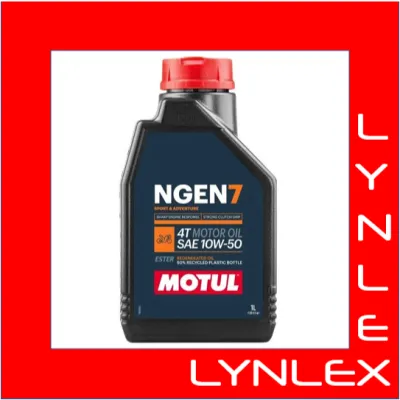
Prices are valid at publication and may change. Please refer to the product page for the latest price.
Understanding 10W-50 Viscosity and Your Motorcycle's Needs
Before comparing specific brands, you must confirm whether a 10W-50 viscosity grade is appropriate for your motorcycle. The “10W” rating indicates the oil’s low-temperature flow characteristics, with lower numbers flowing more easily in cold conditions. The “50” rating represents the oil’s kinematic viscosity at operating temperature, indicating its resistance to thinning when the engine is fully warmed up.
Always consult your motorcycle’s owner’s manual to verify the manufacturer’s recommended viscosity chart. Manufacturers specify viscosity ranges based on ambient temperature thresholds and internal engine clearances. Using an oil that deviates from these recommendations can compromise engine protection and performance.
A 10W-50 viscosity grade is typically beneficial in environments characterized by high ambient temperatures, such as tropical climates, or during demanding riding scenarios like sustained high-RPM operation. It is also frequently specified for air-cooled engines or older powerplants with wider internal clearances, where a thicker oil film helps maintain oil pressure and seal combustion chambers.
However, using a 10W-50 oil in an engine designed for a thinner grade, such as 10W-30 or 5W-40, carries distinct mechanical risks. A thicker oil increases internal drag, which can lead to sluggish throttle response, reduced fuel efficiency, and higher operating temperatures. Furthermore, during cold starts, a thicker oil takes longer to circulate to critical top-end components, potentially accelerating wear before the engine reaches operating temperature.
Additionally, many modern motorcycles utilize a wet clutch system, where the engine oil also lubricates the clutch plates. If the oil’s viscosity is too high or if it contains inappropriate friction modifiers, you may experience clutch slippage or stiff gear shifts. Verifying your engine’s compatibility with the 10W-50 grade is therefore the essential first step before purchasing any lubricant.
Comparing Core Technologies: Ester, Gas-to-Liquid, and Trizone
Each of the three major brands employs a distinct proprietary technology to differentiate its fully synthetic 10W-50 formulation. Understanding these manufacturer claims allows you to evaluate how each oil is designed to perform under various operational stresses. However, it is important to remember that these technologies represent design philosophies; real-world protection always depends on regular maintenance and proper oil levels.

Motul 7100 is widely recognized for its utilization of Ester technology. Esters are synthetic base stocks derived from organic acids and alcohols, known for their high polar attraction to metal surfaces. Motul claims that this polarity allows the oil to form a persistent, protective film over engine components, even when the engine is turned off. This is intended to minimize wear during cold starts and provide exceptional shear stability and film strength under extreme high-temperature and high-RPM conditions, making it a popular choice for performance-oriented riders.
Shell Advance Ultra takes a different approach by utilizing PurePlus technology, which is a patented gas-to-liquid process. This technology converts natural gas into a crystal-clear base oil that is virtually free of the impurities commonly found in crude oil. Shell claims that this highly pure base oil, combined with their active cleansing additive package, offers superior resistance to thermal breakdown and sludge formation. The primary intended benefits are exceptional engine cleanliness, consistent viscosity retention over the entire drain interval, and reduced oil consumption.
Castrol Power 1 features Trizone technology, which is engineered to address the unique demands of modern four-stroke motorcycles where a single oil must lubricate three distinct areas: the engine, the gearbox, and the wet clutch. Castrol claims that this balanced formulation optimizes friction characteristics to prevent clutch slippage while simultaneously providing robust wear protection for the gears and thermal stability for the engine pistons. This holistic approach aims to deliver smooth power transfer and reliable protection across all three critical zones during daily riding.
While these proprietary technologies offer distinct theoretical advantages, they do not replace the need for physical monitoring. No additive package can indefinitely protect an engine if the oil is allowed to degrade or run low. To ensure your engine receives the intended benefits of these advanced formulations, you must combine your product choice with diligent maintenance practices.
How to Verify Certifications and Manufacturer Specifications
To ensure that any 10W-50 oil is safe and compatible with your motorcycle, you must learn to read and verify the technical certifications printed on the product label. Relying solely on brand names or marketing claims can lead to using an incompatible product that could damage your engine or transmission.
The most critical certification for motorcycles with wet clutches is the JASO (Japanese Automotive Standards Organization) standard. Look for the JASO MA or JASO MA2 designation on the back of the bottle. JASO MA2 indicates a higher friction formulation specifically designed to prevent clutch slippage in high-torque motorcycles, ensuring precise power transfer. Avoid oils labeled JASO MB, as these are low-friction lubricants intended strictly for scooters with dry clutches and can cause severe clutch slippage in standard motorcycles.
Next, check the API (American Petroleum Institute) service category, which rates the oil’s performance level for gasoline engines. This is typically represented by a two-letter code, such as SN, SM, or SL. Ensure that the oil you select meets or exceeds the minimum API category specified in your motorcycle’s owner’s manual. Modern standards like API SN offer improved deposit control and seal compatibility compared to older standards.
Finally, because premium motorcycle oils are high-value products, counterfeit lubricants are a persistent risk in the market, particularly when purchasing from unverified sellers on online marketplaces. Always inspect the physical packaging carefully before use. Check for intact security seals under the cap, clear and professional label printing, and a stamped batch number and production date on the bottle. Purchasing your oil from authorized distributors or reputable local retailers is the most effective way to guarantee product authenticity.
Decision Framework: Which 10W-50 Oil Should You Choose?
Selecting the right oil from these three options requires matching their specific characteristics to your riding habits, motorcycle type, and budget. By applying a conditional framework, you can identify the product that offers the most practical value for your specific circumstances.
Consider choosing Motul 7100 if your riding profile involves aggressive riding, frequent high-RPM operation, or track days, and your budget accommodates a premium price point. The high-temperature film strength and shear stability associated with its Ester formulation are designed to withstand the extreme thermal stresses of performance riding. If you ride a high-performance sportbike or frequently push your engine to its limits, the potential protection benefits of this premium oil may justify the higher cost.
Opt for Shell Advance Ultra if your primary concern is maintaining engine cleanliness and preventing sludge during heavy stop-and-go commuting in hot urban environments. The gas-to-liquid base oil is highly resistant to thermal degradation, making it well-suited for riders who face daily traffic congestion where engine temperatures can rise rapidly. Additionally, Shell Advance Ultra is often widely available at competitive prices, making it an excellent choice for high-mileage daily commuters seeking reliable protection and value.
Select Castrol Power 1 if you are looking for a balanced, versatile formulation that supports a mix of daily commuting and weekend touring. Its Trizone technology is engineered to provide consistent, reliable protection across the engine, gearbox, and clutch without prioritizing one area at the expense of another. This makes it a highly dependable option for riders of standard, cruiser, or adventure motorcycles who value a globally recognized brand with consistent retail availability.
Before making your final purchase, always verify your motorcycle’s warranty requirements. Some manufacturers mandate the use of specific OEM-branded lubricants or require service to be performed at authorized centers to keep the warranty intact. If your bike is still under warranty, ensure that using an aftermarket oil like Motul, Shell, or Castrol complies fully with the manufacturer’s terms.
Frequently Asked Questions (FAQ)
Can I mix Motul, Shell, and Castrol 10W-50 oils in an emergency?
Yes, you can mix these oils in an emergency if your engine’s oil level is critically low and running dry would cause immediate mechanical failure. It is far better to top up your engine with a different brand of fully synthetic 10W-50 oil than to operate the vehicle with insufficient lubrication. However, because each brand utilizes a unique proprietary additive package, mixing them will dilute the specific chemical balance and performance characteristics of each oil. To restore optimal protection and ensure consistent clutch and gearbox operation, you should perform a complete oil and filter change as soon as possible after the emergency top-up.
How do I determine the correct oil change interval for these fully synthetic oils?
The correct oil change interval is determined primarily by your motorcycle manufacturer’s recommendations, which you can find in your owner’s manual. This specified interval represents the absolute maximum limit under ideal operating conditions and should not be exceeded, regardless of any extended-drain claims made by oil manufacturers. If you frequently ride in severe conditions—such as heavy stop-and-go traffic, dusty environments, high ambient heat, or short trips where the engine does not reach full operating temperature—you should shorten the interval significantly. Regularly inspect your oil level and condition using the engine’s sight glass or dipstick, looking for dark discoloration, a burnt smell, or a gritty texture, which indicate that the oil has degraded and needs immediate replacement.

Community discussion
Share your experience or ask a question. Comments are reviewed before publication.