
Motorcycle engine oil viscosity grades, such as 10W-40 or 15W-50, indicate how easily the oil flows at specific temperature extremes. These numbers are not arbitrary codes; they represent standardized ratings established by the Society of Automotive Engineers (SAE) to help riders select the correct level of engine protection. Understanding these numbers ensures your engine receives proper lubrication during cold starts and remains protected under intense operating heat. Choosing the correct specification is vital for maintaining engine health, optimizing fuel efficiency, and ensuring smooth gear shifts.
Decoding the Viscosity Numbers: What the "W" and the Second Digit Mean
The alphanumeric code on a bottle of motorcycle oil represents its multi-grade viscosity rating, which describes how the fluid behaves under different thermal conditions. The letter “W” stands for Winter, and the number preceding it indicates the oil’s low-temperature flow characteristics and cold-start pumpability. A lower number, such as 5W or 10W, means the oil remains highly fluid in cold environments, allowing the oil pump to distribute it rapidly throughout the engine immediately after ignition. This rapid distribution is critical because the majority of engine wear occurs during the first few seconds of a cold start when components lack a protective oil film.
The second number in the sequence, such as 30, 40, or 50, represents the oil’s kinematic viscosity and film strength at normal engine operating temperatures, standardized at 100°C. A higher second number indicates a thicker, more robust oil film that resists thinning when subjected to extreme heat and mechanical shear. This film acts as a physical barrier, preventing direct metal-on-metal contact between fast-moving internal components like pistons, cylinder walls, and valve trains under heavy loads.
Products mentioned in this guide
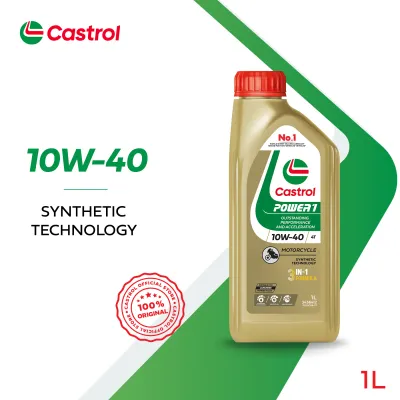
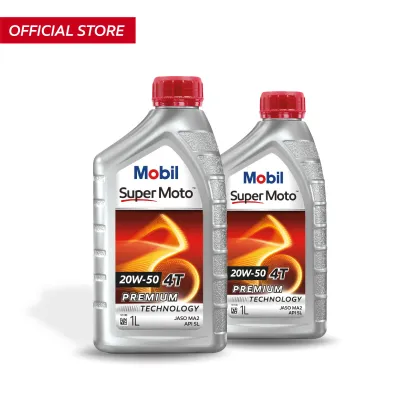
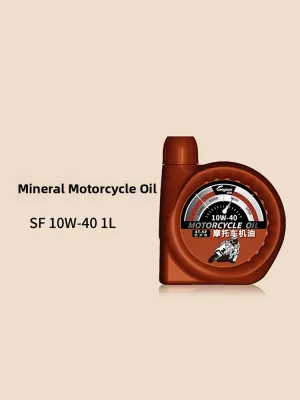
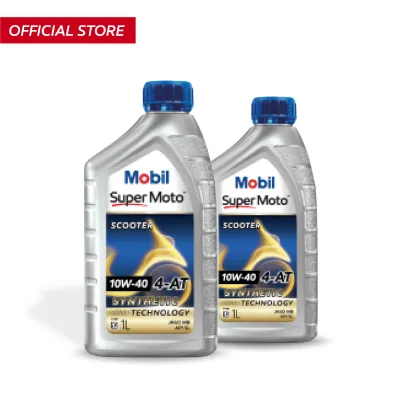
Prices are valid at publication and may change. Please refer to the product page for the latest price.
It is important to recognize that these numbers are relative viscosity grades measured under standardized laboratory conditions, rather than absolute temperature thresholds. A 10W-40 oil does not freeze at exactly 10 degrees or break down at exactly 40 degrees. Instead, the rating system provides a standardized scale to compare how different oils behave under extreme thermal stress, helping you match the oil’s flow characteristics to your engine’s design.
Why Motorcycle Oil Requirements Differ from Car Oil
Motorcycle engines operate under significantly different mechanical and thermal stresses than passenger car engines, which dictates entirely different oil formulations. Most motorcycle engines run at much higher RPMs and operating temperatures, which subjects the oil to intense shearing forces that can rapidly break down the molecular structure of standard automotive lubricants. To combat this, moto engine oils are formulated with robust shear-stable polymers that maintain their viscosity and film strength even under extreme heat and high-speed operation.

Furthermore, the vast majority of motorcycles utilize a wet-clutch system, where a single oil reservoir lubricates the engine, transmission, and clutch plates simultaneously. Passenger car oils are frequently formulated with friction modifiers designed to reduce internal drag and maximize fuel economy. If used in a motorcycle, these friction-reducing additives will coat the clutch plates, causing them to slip, which leads to power loss, overheating, and premature clutch failure. Motorcycle-specific oils are carefully balanced to provide excellent lubrication for the engine gears while maintaining the precise level of friction required for positive clutch engagement.
Because of these unique demands, you must look for motorcycle-specific certification marks on the product label alongside the viscosity grade. The Japanese Automotive Standards Organization (JASO) standards are the industry benchmark; look for JASO MA or MA2 ratings for wet-clutch motorcycles, which guarantee the oil has been tested to prevent clutch slippage. Scooters with automatic transmissions and dry clutches typically require JASO MB oils, which feature lower friction characteristics.
How to Find the Correct Viscosity Grade for Your Motorcycle
Finding the correct viscosity grade begins with your motorcycle’s owner’s manual, which is the single most authoritative source for your vehicle’s requirements. Manufacturers design engine clearances, oil pump tolerances, and cooling systems around specific oil characteristics, and using an unapproved viscosity can compromise oil pressure and accelerate component wear. Always verify your specific vehicle model, year, and engine configuration in the documentation before purchasing any fluid.
Most owner’s manuals include an ambient temperature chart that guides you in selecting the ideal viscosity based on your local climate. In tropical environments with consistently high ambient temperatures, such as Singapore, you generally do not require an oil with an ultra-low winter rating like 5W. Instead, the manufacturer’s chart might direct you toward a slightly higher cold-start viscosity or a more robust high-temperature grade, like 10W-40 or 15W-50, to ensure the oil film remains stable under constant heat. Conversely, if you ride in colder climates, a lower winter rating is essential to prevent sluggish oil flow during startup.
For older motorcycles or engines with high mileage, internal clearances may have widened due to natural wear over time. In these scenarios, it is wise to consult a qualified mechanic before changing your oil grade. A professional can evaluate whether a slight adjustment to a higher operating viscosity is appropriate to help maintain optimal oil pressure, or if mechanical repairs are required to address the wear.
Common Mistakes to Avoid When Selecting Moto Engine Oils
A common misconception among riders is that a higher viscosity number always translates to superior engine protection. In reality, using an oil that is excessively thick for your engine’s design can restrict flow, increase internal drag, and reduce fuel efficiency. Thicker oil also moves more slowly through tight passages, which can actually raise operating temperatures and cause wet-clutch slippage or sluggish clutch engagement.
Another critical mistake is arbitrarily mixing different viscosity grades or combining mineral and synthetic base oils. While modern oils are generally miscible in emergencies, mixing different formulations can disrupt the carefully balanced additive packages, potentially reducing the oil’s overall effectiveness and protection level.
Furthermore, using a higher viscosity oil does not extend your oil change interval. The rate at which oil degrades and accumulates contaminants is determined by engine design, fuel combustion byproducts, and riding conditions, not by how thick the oil is. Always adhere to the service intervals specified in your owner’s manual, regardless of the viscosity grade you choose.
Frequently Asked Questions (FAQ)
Can I use a different viscosity grade if my exact grade is unavailable?
Using an alternative viscosity grade should only be treated as a temporary emergency measure. If you must top up your engine with a different grade, consult your owner’s manual first to see if the manufacturer lists any acceptable alternative viscosity ranges for your current ambient temperatures. Once you reach a service point, it is highly recommended to drain the temporary mixture and refill the crankcase with the exact viscosity grade specified by the manufacturer to restore optimal protection.
Does a thicker oil fix engine knocking or oil consumption issues?
While switching to a thicker oil can sometimes temporarily reduce oil consumption or quieten minor engine knocking by sealing slightly worn internal clearances, it is not a permanent fix. This adjustment merely masks the symptoms of underlying mechanical wear, such as worn piston rings, degraded valve stem seals, or damaged bearings. Relying on thicker oil to solve these issues can lead to more severe engine damage over time, so it is always best to seek professional diagnostic services to address the root cause.

Community discussion
Share your experience or ask a question. Comments are reviewed before publication.