
The numbers printed on a motorcycle engine oil bottle represent its viscosity grade, which measures the oil’s resistance to flow at specific temperatures. Selecting the correct viscosity ensures that your engine components receive immediate lubrication during cold starts and maintain a strong, protective barrier under extreme operating heat. Using an incorrect grade can lead to accelerated engine wear, poor fuel efficiency, or even clutch slippage.
Understanding these ratings allows you to make an informed decision that aligns with your riding habits and local climate. By matching the oil’s characteristics to your motorcycle’s mechanical design, you protect your investment and ensure reliable performance.
Decoding the Viscosity Numbers on Motorcycle Oil
The Society of Automotive Engineers (SAE) establishes the standard numerical scale used to classify engine oil viscosity. On a typical bottle of multi-grade motorcycle engine oil, you will see a designation such as 10W-40. This alphanumeric code tells you how the oil behaves under different thermal conditions.
Products mentioned in this guide
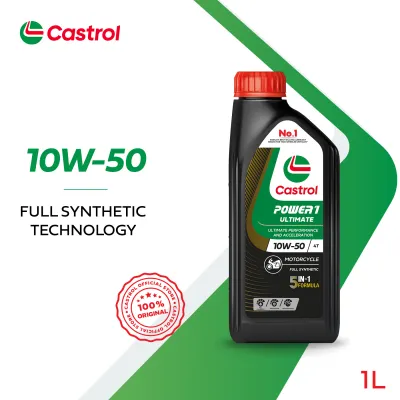
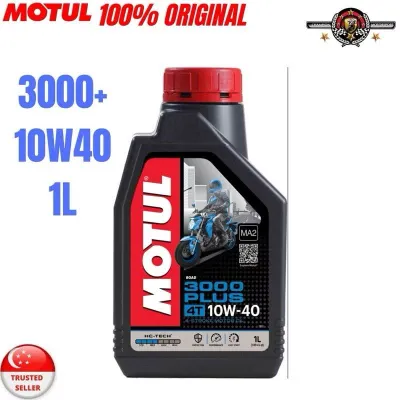
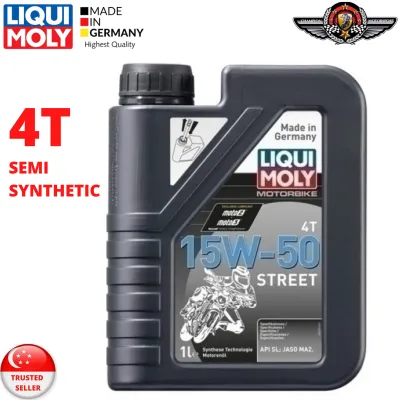
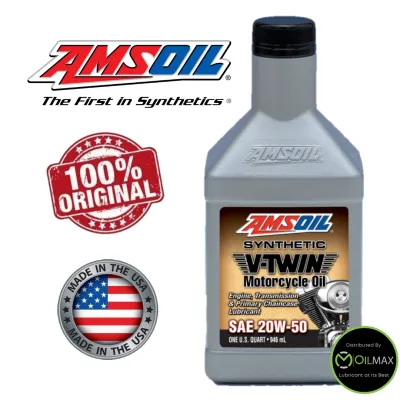
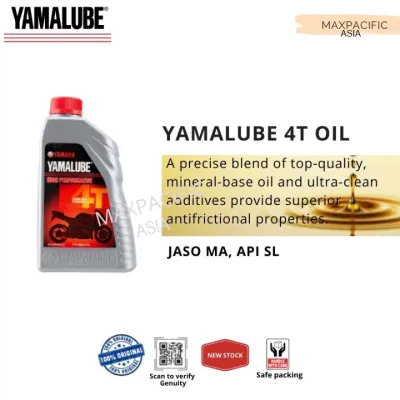
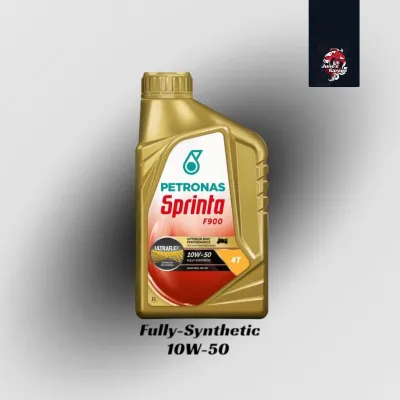
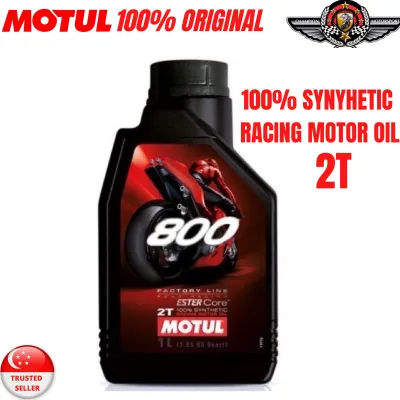
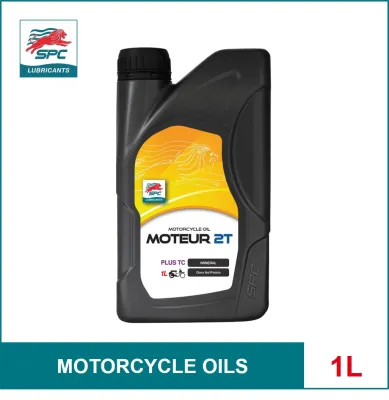
Prices are valid at publication and may change. Please refer to the product page for the latest price.
The first part of the code, consisting of a number followed by the letter “W,” indicates the oil’s low-temperature flow characteristics. The “W” stands for Winter. A lower number before the “W”—such as 5W or 10W—means the oil remains more fluid in cold temperatures. This fluid state allows the oil pump to circulate the lubricant quickly to critical engine parts immediately after startup, minimizing dry friction and wear.
The second number, such as 30, 40, or 50, represents the oil’s viscosity at normal engine operating temperatures, measured at 100°C. A higher second number indicates a thicker, more viscous oil film at high temperatures. This thickness is crucial for maintaining a protective cushion between moving parts under heavy loads and high thermal stress.
Modern motorcycles almost exclusively use multi-grade oils rather than single-grade (monograde) oils. Single-grade oils are formulated to meet only one viscosity specification, making them unsuitable for engines that experience wide temperature swings from startup to full operation. Multi-grade oils utilize specialized polymer additives called viscosity index improvers, allowing the oil to flow like a thin oil when cold while retaining the protective properties of a thicker oil when hot.
How to Choose the Right Viscosity for Your Motorcycle
The primary and most authoritative source for selecting the correct viscosity is your motorcycle’s owner’s manual. Manufacturers design engines with precise internal clearances and oil pump capacities, and they specify a range of approved viscosity grades based on these engineering tolerances. Deviating from these recommendations without a clear mechanical reason can compromise engine protection.

Ambient temperature plays a significant role in determining which approved viscosity grade is best for your riding environment. In tropical climates like Singapore, where ambient temperatures remain consistently warm throughout the year, the low-temperature “W” rating is less critical because the engine never experiences freezing starts. Instead, riders must focus on the high-temperature rating. An oil with a higher hot viscosity, such as 10W-40 or 15W-50, helps ensure the oil film does not thin out excessively during prolonged idling in traffic or high-speed highway cruising.
For high-mileage or older motorcycles with worn engine components, internal clearances may have widened over time. In these specific cases, some riders transition to a slightly thicker oil within the manufacturer’s approved limits to help seal piston rings and reduce oil consumption. However, this adjustment has strict limits. If your engine is experiencing severe wear, mechanical noise, or blue exhaust smoke, switching to a thicker oil is a temporary mask rather than a fix; you should stop and consult a qualified mechanic for a proper inspection.
Understanding Oil Standards and Certifications
Viscosity is only one part of the selection process; you must also verify that the oil meets specific industry standards. Unlike passenger cars, most motorcycles use a unitized construction where a single oil reservoir lubricates the engine, the gearbox, and the wet clutch system. This unique design requires specialized oil formulations.
The Japanese Automotive Standards Organization (JASO) developed specific standards to address the needs of motorcycle wet clutches. When examining an oil bottle, look for the JASO MA, MA1, or MA2 certification. These ratings indicate that the oil has been tested and proven to provide the necessary friction levels to prevent wet clutch slippage under load. JASO MA2 offers the highest friction performance and is highly recommended for modern, high-torque motorcycles. Conversely, JASO MB oils are designed for automatic scooters with dry clutches and must never be used in wet clutch systems.
The American Petroleum Institute (API) also rates oils based on their chemical performance and wear protection, using two-letter codes like SN or SP. While these ratings are useful, you must ensure the oil does not contain friction modifiers. Many modern car oils carrying API certifications are labeled as “Energy Conserving” or “Resource Conserving” on the API service symbol. These oils contain friction-reducing additives that will cause a motorcycle’s wet clutch to slip, glaze, and eventually fail.
Common Mistakes When Selecting Motorcycle Oil
One frequent error is mixing different viscosity grades or base oil types, such as blending a mineral oil with a full synthetic oil. While modern oils are generally compatible in emergency top-up situations, mixing them dilutes the specific additive packages and alters the intended viscosity profile. For optimal protection, perform a complete oil and filter flush when changing brands or oil types.
Another common misconception is that a higher viscosity always provides better protection, or that a lower viscosity is always preferable for fuel economy. Using an oil that is too thick for your engine’s design increases internal drag, raises operating temperatures, and slows down oil circulation during startup. Conversely, using an oil that is too thin can lead to a ruptured oil film under load, causing direct metal-on-metal contact and rapid component wear.
Finally, never assume that any high-quality automotive oil is suitable for your motorcycle. Always verify that the product label explicitly states it is formulated for motorcycle use. Motorcycle engines run at higher revolutions, operate at higher temperatures, and subject the oil to intense shearing forces within the transmission gears, requiring robust shear stability that standard car oils cannot provide.
Frequently Asked Questions (FAQ)
Can I use car engine oil in my motorcycle?
No, you should avoid using standard car engine oil in a motorcycle with a wet clutch. Car oils often contain friction modifiers designed to maximize fuel economy by reducing friction. In a motorcycle, these additives coat the clutch plates, causing them to slip, lose power transmission, and wear out prematurely. Always use motorcycle-specific oil that carries the JASO MA or MA2 certification.
Is it safe to switch from mineral to synthetic oil?
Yes, it is generally safe to switch from mineral to synthetic oil, provided you choose the viscosity grade recommended by your manufacturer. Synthetic oils offer superior thermal stability, better shear resistance, and longer service life. However, in older engines with high mileage and worn seals, synthetic oil’s high detergency may clean away old carbon deposits that were keeping worn seals from leaking, occasionally revealing pre-existing seal wear.

Community discussion
Share your experience or ask a question. Comments are reviewed before publication.