
Choosing the right seat support cushion depends entirely on balancing your body’s ergonomic needs with your vehicle’s cabin environment. There is no single material that suits every driver; instead, memory foam, gel, and mesh each serve distinct purposes. Memory foam excels at custom contouring and deep pressure relief, gel offers robust weight distribution with a cooler initial feel, and mesh provides unparalleled ventilation and rigid postural alignment. To find the ideal balance of comfort and support, you must evaluate how these materials interact with your daily driving habits, local climate, and vehicle safety systems.
Identifying Your Ergonomic Needs and Vehicle Constraints
Before purchasing a seat support cushion, it is essential to analyze where your body experiences the most strain during a drive. Drivers frequently encounter discomfort in specific zones, such as the lower back (lumbar region), the tailbone (coccyx), or the thighs. For instance, sharp pressure on the tailbone often requires a cushion with a rear cutout, whereas general lower back stiffness might call for a contoured lumbar roll or a supportive base that tilts the pelvis slightly forward. Consider your typical driving duration as well; a short commute of fifteen minutes demands different support characteristics than a multi-hour journey or a long shift behind the wheel where muscle fatigue progressively worsens.
Beyond personal comfort, you must verify how a cushion interacts with your vehicle’s built-in seat features. Many modern cars are equipped with integrated seat heaters, ventilated seats, or side-impact airbags embedded within the seat structure itself. Placing a thick, dense cushion on a ventilated seat can completely block airflow, rendering the cooling feature useless. More critically, any cushion or cover must not interfere with the deployment paths of side-impact airbags. Check your vehicle’s owner’s manual to identify where these safety systems are located before adding any aftermarket accessories.
Products mentioned in this guide
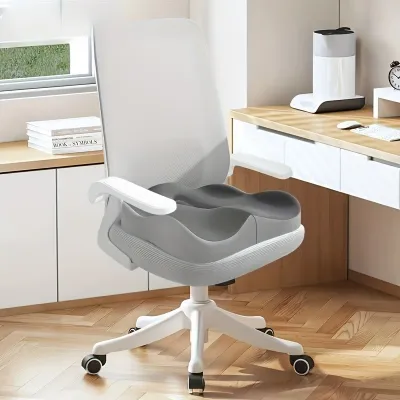
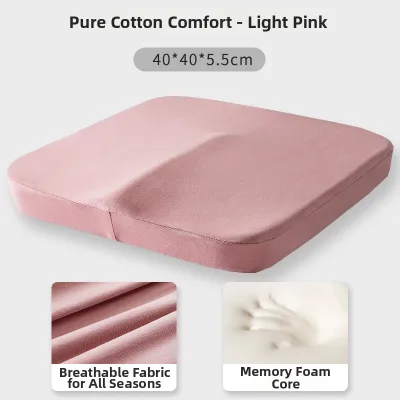
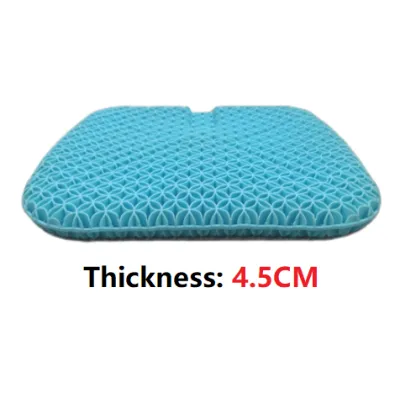
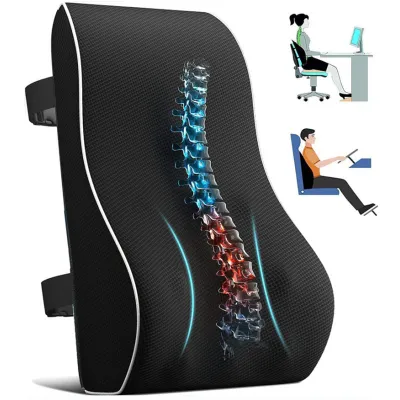
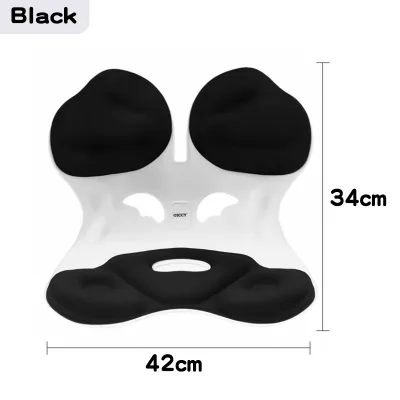
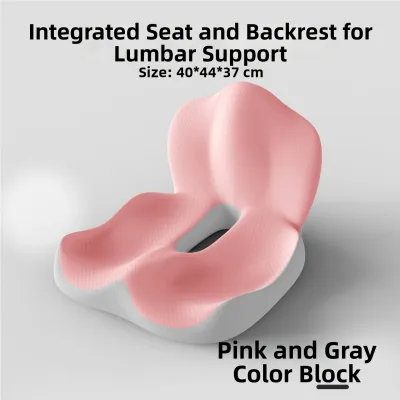
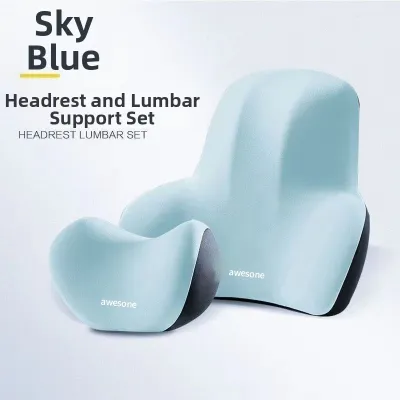
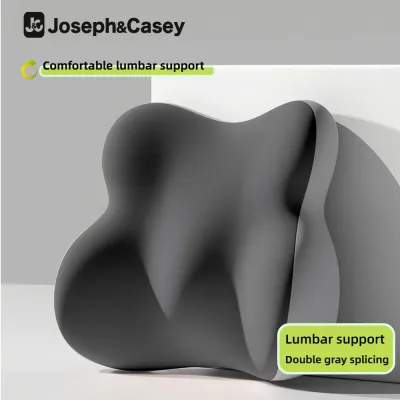
Prices are valid at publication and may change. Please refer to the product page for the latest price.
Finally, examine the existing shape of your car seats. Deeply contoured sports seats with aggressive side bolsters may not accommodate wide, flat cushions comfortably. A cushion that is too wide will ride up on the bolsters, creating an unstable, tilted seating surface that compromises your posture. Conversely, flat, unbolstered seats might benefit from a highly contoured cushion that adds the lateral support the seat itself lacks.
Material Breakdown: Characteristics and Trade-offs
Understanding the physical properties of memory foam, gel, and mesh allows you to match their performance profiles to your specific driving environment. Each material behaves differently under body heat, pressure, and physical wear, making it crucial to weigh their individual trade-offs before deciding.

Memory Foam Seat Cushions
Memory foam, or viscoelastic polyurethane foam, is highly regarded for its ability to conform precisely to your body shape. When you sit on a memory foam seat support cushion, your body heat and weight soften the material, allowing it to distribute your weight evenly across the surface and minimize high-pressure hot spots. The density of the foam determines its overall firmness and support level; higher-density foams offer more structural integrity and longevity, whereas lower-density options feel softer but may bottom out quickly under sustained weight.
A primary consideration with memory foam is its tendency to retain heat. Because the material is dense and conforms closely to your body, it restricts airflow, which can lead to a warm, sweaty seating surface during long drives in warm climates. To mitigate this, some manufacturers incorporate ventilation holes or open-cell structures, though these modifications can alter the foam’s overall support profile. Over time, memory foam will gradually compress and lose its original resilience, requiring replacement once it no longer rebounds to its original shape.
Gel Seat Cushions
Gel seat cushions typically feature a solid gel layer or a molded, open-honeycomb grid structure made from elastic gel polymers. This design aims to distribute pressure dynamically by buckling and shifting under localized weight, which helps alleviate pressure on the tailbone and sit bones. The open-grid design inherently allows for better heat dissipation compared to solid memory foam, as air can circulate through the empty spaces within the grid, providing a cooler seating experience.
However, gel cushions are generally heavier and have a firmer, more rubbery feel than foam alternatives. This added weight makes them less convenient to carry between your car, office, or home, though it does help keep the cushion firmly in place on the car seat. When selecting a gel cushion, it is vital to inspect the outer encasement material. The protective cover must be durable enough to prevent the gel grid from tearing or stretching out of shape, and it should be easily removable for washing to maintain hygiene.
Mesh Seat Cushions
Mesh seat cushions rely on a tensioned, breathable fabric stretched tightly over a rigid metal or plastic frame. This construction prioritizes maximum airflow, making it an exceptional choice for hot, humid environments where cabin heat buildup is a constant issue. Because your body is suspended on the tensioned mesh rather than sinking into a dense material, there is virtually no heat retention, allowing your back and thighs to stay cool throughout the drive.
The support profile of a mesh cushion is distinctly firm and structural. It does not contour to your body like memory foam; instead, it forces your spine into a pre-determined, upright posture. This rigid support is highly beneficial for drivers who struggle with slouching, but it may feel uncomfortable or restrictive for those who prefer a plush, cushioned feel. When shopping for a mesh cushion, always check the manufacturer’s specified weight limits and frame materials to ensure the tensioned fabric will not sag or collapse under your weight over time.
Key Comparison Dimensions for Daily Driving
To make an informed choice, you must compare how these three materials perform across the practical demands of daily driving. The first dimension is pressure distribution and postural alignment. Memory foam excels during long-distance driving because it slowly adapts to your micro-movements, reducing muscle fatigue by cradling your body. However, for short, frequent commutes where you constantly enter and exit the vehicle, the slow recovery time of memory foam can feel cumbersome. Gel cushions offer immediate pressure relief without the “sinking” sensation, making them highly versatile for mixed driving conditions. Mesh cushions, with their rigid frames, are excellent for maintaining strict posture on short trips but can cause pressure points on very long journeys if the frame presses against your thighs or hips.
Temperature regulation is another critical factor, particularly in tropical climates like Singapore, where parked cars quickly turn into ovens. Memory foam cushions can exacerbate sweating unless they are paired with a highly breathable cover or active cabin air conditioning. Gel cushions offer a cool initial touch, but over an extended drive, solid gel will eventually warm up to match your body temperature. Mesh cushions remain the undisputed leader in temperature control, as the open space behind the mesh allows cabin air to circulate freely, preventing moisture buildup entirely.
Finally, stability and slip resistance are vital for maintaining a safe driving position. A cushion that slides around when you brake, accelerate, or turn corners forces your muscles to constantly compensate, leading to fatigue and distraction. Memory foam and gel cushions often feature non-slip rubberized backings or adjustable straps that secure them to the seat frame. Mesh cushions, due to their rigid frames, must be carefully fitted to the seat contours and secured tightly to prevent them from shifting during sudden maneuvers.
Decision Framework: Choosing Your Seat Support Cushion
To select the right seat support cushion, apply this conditional decision framework based on your driving habits, physical needs, and vehicle setup:
- Choose Memory Foam if: You require customized, deep pressure relief for chronic tailbone or lower back pain, prefer a soft and contouring feel, and drive a vehicle with effective air conditioning or ventilated seats to counteract heat retention.
- Choose Gel if: You want a balance of pressure relief and cooling, prefer a firmer and more responsive seating surface, do not mind a heavier accessory, and need a durable cushion that maintains its shape under heavy daily use.
- Choose Mesh if: Maximum airflow and breathability are your absolute priorities, you drive in hot climates without constant air conditioning, and you prefer a rigid, structured support system that actively prevents slouching.
Before finalizing your purchase, always verify your vehicle’s specific layout. Ensure the cushion’s dimensions do not block side-impact airbag deployment zones, cover seatbelt buckles, or obstruct access to electronic seat adjustment controls. If your vehicle has highly specialized ergonomic seats with active bolsters, a smaller, targeted lumbar support cushion may be safer and more effective than a full-seat model.
Installation, Safety, and Maintenance Checks
Proper installation is critical to ensure your seat support cushion does not compromise your safety on the road. When placing the cushion, consult your vehicle’s owner’s manual to confirm that the straps or the cushion body do not block the deployment paths of seat-mounted airbags. The cushion must never obstruct access to the seatbelt buckle or interfere with your ability to reach and operate the pedals and steering wheel safely.
Always verify that the cushion’s non-slip backing is functioning correctly. If the cushion slides forward during hard braking, it can alter your driving posture instantly, potentially reducing your control over the vehicle. For maintenance, choose a cushion with a removable, machine-washable cover. Regularly cleaning the cover prevents the buildup of sweat, dirt, and bacteria, preserving both the hygiene of your cabin and the integrity of the underlying cushion material.
Frequently Asked Questions (FAQ)
Will a seat cushion affect my driving position or pedal reach?
Yes, adding a seat support cushion will inevitably alter your driving position by raising your seating height. This change can affect your eye level relative to the windshield, your reach to the steering wheel, and the angle at which your feet interact with the pedals. Before driving on public roads, always adjust your seat height, steering column, and mirrors to accommodate the new cushion. Ensure you can fully depress the brake and accelerator pedals comfortably without straining.
Can I use these cushions on leather or synthetic vehicle seats?
Yes, but you must take extra precautions to prevent slipping and material damage. Smooth leather and synthetic vinyl seats offer very little natural friction, which can cause cushions without adequate grip to slide easily. Look for cushions with silicone-dotted, non-slip bases designed specifically for leather surfaces. Avoid using low-quality rubber backings that might react chemically with the leather finish or leave permanent stains under high cabin temperatures.

Community discussion
Share your experience or ask a question. Comments are reviewed before publication.