
Choosing the right microfiber cloth for car detailing depends entirely on matching the weave, weight, and design to the specific task at hand. Using the wrong cloth can lead to unsightly swirls on your paintwork, lint on your glass, or scratches on delicate interior screens. By understanding how different structures—such as waffle weaves, plush piles, twist-loops, and specialty options like a turtle cleaning cloth—interact with automotive surfaces, you can achieve a clean, scratch-free finish while protecting your vehicle’s delicate surfaces.
Understanding Microfiber Weaves and Designs
Microfiber is not a uniform material. Its performance is determined by its weave, pile height, and weight, which is measured in grams per square meter (GSM). Generally, GSM indicates the density of the cloth. Lower GSM cloths (typically 200 to 300) are thinner and firmer, making them highly suitable for glass and utility tasks. Medium GSM cloths (300 to 400) offer a balance of softness and scrubbing ability, while high GSM cloths (above 400) feature long, plush loops designed to cushion the paint during delicate tasks.
The weave structure further refines the cloth’s purpose. Waffle weave cloths feature a distinct grid pattern that creates pockets to trap water, making them highly efficient for glass and drying. Plush cloths have long, open fibers that gently lift and hold loose particles away from delicate surfaces. Twist-loop weaves utilize tightly twisted bundles of fiber to maximize water absorption during the drying phase. Edgeless options, which lack stitched borders, are cut with lasers or heat to eliminate hard edges that could scratch soft clear coats.
Products mentioned in this guide
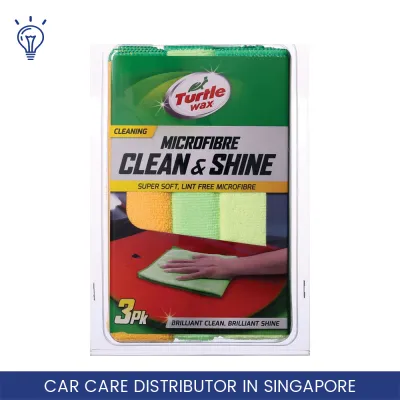
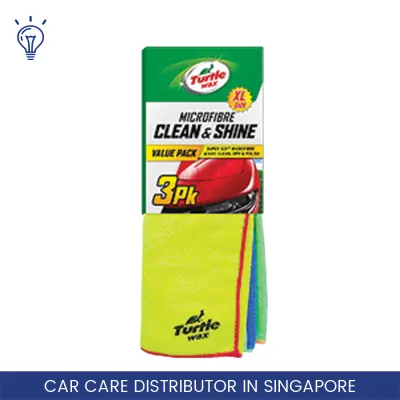
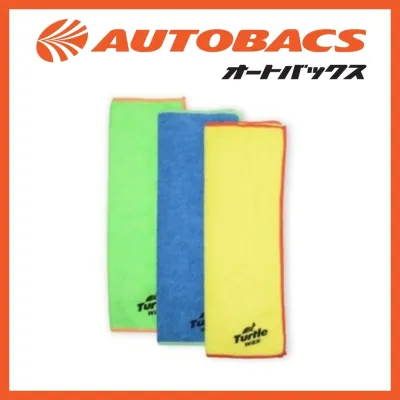
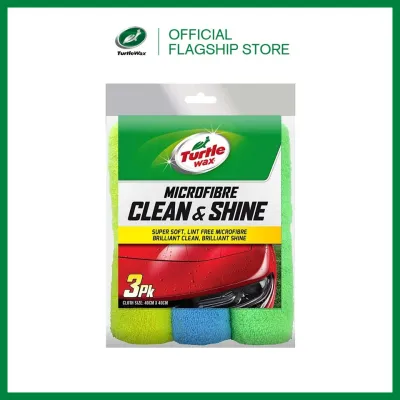
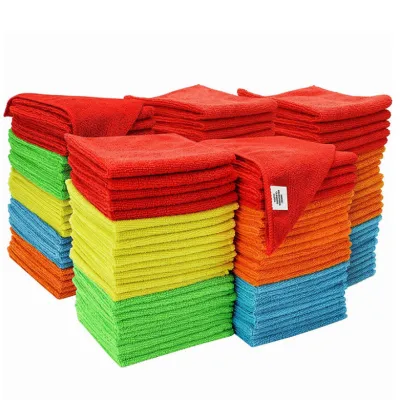
Prices are valid at publication and may change. Please refer to the product page for the latest price.
Specialty designs, such as a turtle cleaning cloth, often feature unique textures, shapes, or branded configurations. These items, including those shaped like a turtle shell or featuring dual-sided textures, are typically engineered for specific ergonomic advantages. For instance, a textured turtle cleaning cloth might combine a scrubbing side for stubborn grime with a soft, absorbent side for final wiping, allowing detailers to switch tasks without changing tools.
Matching Cloths to Exterior Washing and Drying Tasks
Drying a vehicle requires a cloth that can absorb several times its weight in water without dragging abrasive particles across the paint. Twist-loop and waffle weave cloths are the industry standards for this task. The unique structure of a twist-loop towel allows it to glide over wet clear coats, pulling moisture into its core without creating surface tension or leaving streaks. Waffle weaves work similarly, using their recessed pockets to lift water away from the surface, reducing the need for repetitive wiping.

For the washing phase, especially when performing waterless or rinseless washes, plush, high-pile cloths are essential. The long fibers of a high-pile cloth provide a physical cushion, drawing dirt and road grit deep into the fabric and away from the paint surface. This minimizes the risk of grinding contaminants back into the clear coat, which is a primary cause of swirl marks.
Before applying any cloth to your vehicle’s exterior, always check the manufacturer’s instructions to ensure compatibility with modern clear coats. Additionally, establish a strict boundary between different areas of the vehicle. Never use the same cloth on your wheels, tires, or exhaust tips as you do on your painted panels. Road grime, brake dust, and metallic particles from wheels are highly abrasive and will permanently damage your paintwork if cross-contaminated.
Selecting Cloths for Polishing, Waxing, and Paint Correction
Polishing and waxing demand the highest level of surface safety, as any friction can mar a freshly corrected finish. When buffing off compounds, polishes, or waxes, edgeless designs are highly recommended over hemmed or banded options. Even soft silk or microfiber borders can occasionally trap abrasive residue or exert uneven pressure, leading to micro-marring. An edgeless cloth distributes pressure evenly across its entire surface, ensuring a uniform finish.
Linting is another critical concern during final wipe-downs. To prevent fine fibers from ruining a fresh coat of wax or sealant, verify the “lint-free” claims on the product packaging before use. You can perform a quick pre-use check by wiping the cloth against a clean piece of dark glass in bright light; if it leaves behind tiny fibers, reserve that cloth for less sensitive tasks.
To maintain safety throughout the detailing process, implement a strict color-coding or dedicated-use system. Assign specific colors to specific tasks—for example, blue for polish removal, yellow for wax buffing, and green for final quick detailing. This visual system prevents a cloth contaminated with heavy polishing compounds from accidentally being used for a delicate final wipe-down, preserving your hard work.
Interior Detailing and Delicate Surface Wiping
The interior of a modern vehicle contains a complex mix of materials, including textured plastics, soft leather, polished wood trim, and sensitive electronic displays. For general dashboard and console cleaning, short-pile or tight waffle weave cloths are ideal. Their low profile prevents them from snagging on textured plastics, switches, or seams, while still providing enough surface area to trap dust and debris.
Sensitive surfaces like infotainment screens, instrument clusters, and untreated leather require extreme care. Always check the vehicle manufacturer’s manual and the cloth’s product label before cleaning. Many modern screens feature anti-reflective or oleophobic coatings that can be easily scratched or stripped by aggressive fibers or incorrect cleaning agents. For these areas, a dry or slightly damp ultra-low-pile glass cloth is typically the safest choice.
This is also where specialty shaped or textured options, such as a turtle cleaning cloth, excel. The unique contours, pointed edges, or specialized mitt designs of these cloths allow them to reach deep into tight spaces like air vents, cup holders, and the crevices around the gear selector. Using a tool designed for tight spaces prevents you from having to force a bulky towel into areas where it might damage delicate switches or trim pieces.
Care, Maintenance, and When to Replace Your Cloths
To preserve the electrostatic charge and split-fiber structure of microfiber, proper laundering is essential. Always wash your microfiber cloths separately from other household laundry to prevent them from linting or picking up cotton fibers. Use a dedicated microfiber wash or a mild, liquid detergent without dyes or perfumes. Crucially, never use fabric softeners or dryer sheets, as these products coat the fibers in a water-repellent layer, destroying the cloth’s absorbency. Check the care labels for specific temperature limits, and always dry them on low heat or air-dry them to prevent the synthetic fibers from melting.
Over time, even high-quality microfiber will degrade. Inspect your cloths regularly for visual and tactile signs of wear. Hardened fibers, a scratchy texture, or a noticeable loss of water absorbency indicate that the fibers have melted or become clogged with dried product. Additionally, feel the cloth for embedded debris like tiny twigs, seeds, or metal shavings that cannot be washed out.
Establish a clear downgrading system to protect your vehicle’s paint. Once a cloth shows signs of wear or has been dropped on the garage floor, immediately retire it from paint-safe tasks. Downgrade these older or contaminated cloths to lower-risk duties, such as cleaning engine bays, door jambs, wheels, or general garage spills.
Frequently Asked Questions (FAQ)
Can I use the same microfiber cloth for both the interior and exterior?
It is highly discouraged to use the same microfiber cloth for both interior and exterior cleaning. Exterior cloths accumulate highly abrasive road grime, brake dust, and environmental fallout that can remain trapped in the fibers even after washing, risking severe scratches if introduced to delicate interior plastics or screens. Conversely, interior cleaners and dressings can transfer to the exterior, causing streaking or interfering with paint sealants. To prevent this, establish a clear color-coding system or store your interior and exterior cloths in separate, labeled containers.
Does a higher GSM always mean a better microfiber cloth?
No, a higher GSM (grams per square meter) does not make a cloth universally better; it simply makes it thicker and more absorbent. While a high GSM cloth (such as 500+) is excellent for drying paint or buffing off quick detailers, it is often too bulky and clumsy for cleaning tight interior crevices, wiping glass, or removing heavy wax residue. For tasks like glass cleaning or interior wiping, a lower GSM cloth with a specialized weave (like a flat-weave or waffle-weave) provides much better control and a streak-free finish.

Community discussion
Share your experience or ask a question. Comments are reviewed before publication.