
Selecting the right van window cover is essential for managing heat, ensuring privacy, and protecting your vehicle’s interior. In Singapore’s tropical climate, where intense sunlight and high humidity are constant, the right attachment type can prevent your cabin from turning into an oven. The ideal choice depends on whether your van has exposed steel frames, how often you need to remove the covers, and your tolerance for light gaps.
Each attachment method—magnetic, suction cup, and custom-fit—comes with distinct physical requirements and operational trade-offs. Understanding these differences before purchasing ensures your covers stay securely in place without damaging your vehicle’s glass, paint, or interior trim. By evaluating your vehicle’s specific construction and your daily usage patterns, you can select a solution that remains reliable over years of travel.
How Magnetic, Suction Cup, and Custom-Fit Covers Work
Magnetic window covers utilize small, powerful magnets sewn directly into the hem of the fabric. These magnets are designed to snap onto the exposed metal surrounding your vehicle’s window frames. For this system to function, your van must have exposed, ferrous steel frames. If your vehicle features aluminum body panels, fiberglass high-tops, or extensive plastic interior molding covering the metal frame, magnetic covers will not have a surface to adhere to.
Products mentioned in this guide
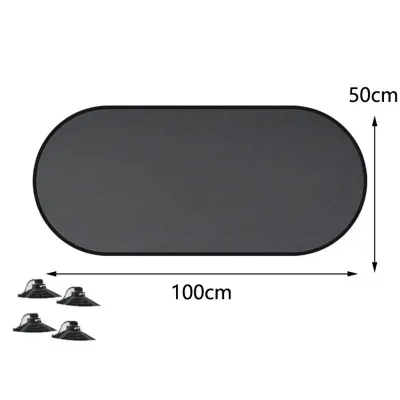
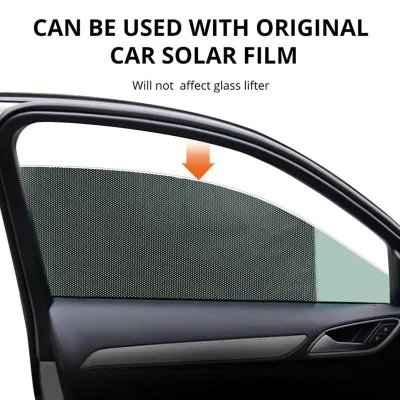
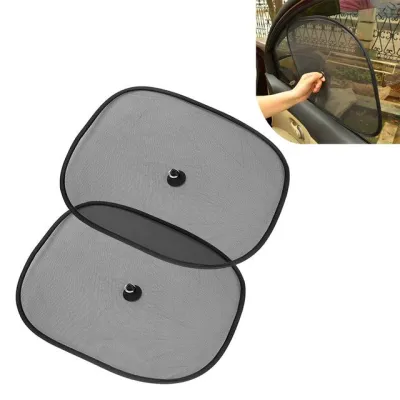
Prices are valid at publication and may change. Please refer to the product page for the latest price.
Suction cup covers rely on atmospheric pressure to stick directly to the glass surface. When you press the flexible cup against the window, you force the air out, creating a vacuum seal. This method requires a perfectly smooth, clean, and non-porous surface to maintain its grip. Glass curvature, sudden temperature fluctuations, and microscopic dirt or dust particles can compromise this vacuum, causing the cups to lose suction and fall.
Custom-fit covers, often referred to as friction-fit or press-fit covers, are engineered to match the exact dimensions of your specific van model’s window openings. Instead of relying on magnets or suction, they use rigid or semi-rigid materials that wedge tightly into the window frame. They stay in place by pressing against the rubber seals, window tracks, or plastic interior trim, requiring precise manufacturing to prevent sagging.
Comparing Attachment Types Across Key Decision Dimensions
If you use your van daily for work or quick deliveries, setup speed is a major factor. Magnetic covers are exceptionally fast to install and remove, often taking only a few seconds per window as they self-align to the metal frame. Suction cups require more deliberate effort, as you must press each cup individually and occasionally re-clean the glass to ensure a firm grip. Custom-fit covers fall in the middle; while they do not require aligning individual fasteners, wedging them into the exact window contours can take some maneuvering, especially for larger windshields.

For those using their vans for camping, mobile offices, or secure tool storage, complete light blockage is crucial. Magnetic covers generally offer excellent coverage, but small light leaks can occur if the magnets are spaced too far apart or if the fabric puckers between attachment points. Suction cups often leave small circular gaps around the cup itself, and because they sit slightly away from the frame, light can bleed around the outer edges. Custom-fit covers typically provide the most complete blackout effect, as their rigid edges press flush against the window frame, leaving virtually no gaps for light to enter or escape.
Protecting your van’s interior and exterior surfaces is vital for maintaining its resale value. Magnetic covers can pose a risk if dust or grit becomes trapped between the magnet and the painted metal frame; repeated installation and removal can grind this debris into the paint, leading to fine scratches or rust over time. Suction cups are generally safe for glass but can leave unsightly circular residue marks that require regular cleaning, and they can potentially damage aftermarket window films. Custom-fit covers, while safe for glass, rely on friction and can gradually wear down or scuff soft plastic interior trim or delicate rubber window seals if they are inserted and removed repeatedly with force.
Space is at a premium inside any van. Magnetic and suction cup covers are typically made from flexible, lightweight fabrics that can be folded, rolled, or stuffed into compact storage bags when not in use. In contrast, custom-fit covers often utilize stiff, insulated core materials to maintain their shape. This rigidity means they cannot be folded tightly and must be stored flat or in large rolls, which can take up significant space in your cargo area or behind the seats.
Which Van Window Cover Should You Choose?
Your choice should align with your van’s physical build and how you use the vehicle.
Choose Magnetic if your van has exposed steel window frames and you prioritize rapid daily setup. This option is ideal for drivers who frequently move between locations and need to deploy or pack away their shades multiple times a day without hassle.
Choose Suction Cup if you have a standard glass-only window setup with plastic trim covering the metal frame, or if you need a budget-friendly, universal-fit option for occasional use. This type is highly adaptable across different vehicles, provided you are willing to maintain clean glass surfaces.
Choose Custom-Fit if you require maximum thermal insulation, complete light blockage, and plan to leave the covers installed for extended periods. This is the premium choice for dedicated camper conversions or vans carrying temperature-sensitive cargo, assuming a model-specific version is available for your vehicle.
Before making a final decision, verify if your van has aftermarket window tinting, integrated heated glass elements (such as rear defroster lines), or non-standard window seals. These modifications can severely interfere with suction cup adhesion, scratch delicate films, or prevent custom-fit covers from seating properly in the window tracks.
Pre-Purchase Checks and Safe Usage Guidelines
Before purchasing any magnetic window cover, perform a simple household magnet test. Take a refrigerator magnet and test it against all areas of your van’s window frames where you intend to mount the cover. This step ensures the frame is made of ferrous steel and is not aluminum, plastic-clad, or heavily filled with body compound.
If you are considering suction cup covers, check your vehicle manual and any aftermarket window tint documentation. Many tint manufacturers warn against applying suction cups directly to tinted film, as the vacuum and physical pull can cause the film to bubble, peel, or delaminate.
Safety on the road is paramount. Never drive with window covers installed on the windshield, front side windows, or any glass area that obstructs your direct line of sight or view of the side mirrors. Ensure that no cover blocks essential safety sensors, dash cameras, or automatic rain sensors mounted near the rearview mirror.
Monitor your vehicle’s interior surfaces regularly. If you notice signs of window regulator strain, permanent scuffing on the interior trim, or damage to the rubber seals, stop using that specific attachment method immediately. Consult a professional vehicle accessory installer to explore alternative mounting solutions that protect your van’s structural integrity.
Frequently Asked Questions (FAQ)
Can I use magnetic window covers on a van with aluminum body panels?
No, magnetic window covers will not adhere directly to aluminum body panels or aluminum window frames, as aluminum is a non-ferrous metal. If your van features an aluminum build, you will need to look for alternative attachment methods. Suction cup covers or custom-fit friction covers are excellent alternatives that do not rely on magnetic properties to stay secure.
Will suction cups damage my van's window tint?
Suction cups can potentially damage aftermarket window tint, especially if the film is recently installed, low-quality, or poorly bonded to the glass. The pulling force of the suction cup can stretch the film, leading to bubbles or peeling. To prevent damage, check the care guidelines provided by your tint installer, and test a single suction cup in an inconspicuous corner of the window before committing to full, long-term use.

Community discussion
Share your experience or ask a question. Comments are reviewed before publication.