
Quick Answer: Which Material Provides the Best Seat Support?
Choosing the right car seat cover material is not about finding a single universal winner, but rather matching a material’s physical properties to your specific ergonomic needs. If you require firm, rigid surface retention that resists sagging over long journeys, leather or high-grade synthetic leather is highly effective. For drivers seeking a flexible, adaptive interface that closely mirrors the original contours of the car seat, woven fabric offers excellent pressure distribution. Meanwhile, breathable mesh provides tension-based suspension support, which is particularly beneficial for maintaining posture while minimizing heat buildup.
It is crucial to recognize that any seat cover only modifies the surface interface between your body and the seat. The baseline structural support of your vehicle’s seating is entirely dictated by the condition of the underlying polyurethane foam. If your original seat cushions have collapsed, sagged, or lost their density, installing a new seat cover will not restore that lost structural integrity. You must address the underlying foam condition before expecting a cover to deliver its full ergonomic benefits.
What Defines True Seat Support in Car Seat Covers?
To evaluate how different seat cover materials perform, you must first understand the distinct components of automotive seat support. True support is a combination of structural stability, cushioning retention, and ergonomic pressure distribution. Structural stability refers to the material’s ability to resist stretching and sagging under body weight, keeping your pelvis and spine properly aligned. Cushioning retention is how well the cover allows the underlying seat foam to compress and rebound naturally, preserving the engineered density of the original seat. Ergonomic pressure distribution involves how the cover spreads your body weight across the seat surface to eliminate localized pressure points, particularly along the thighs and lower back.
Products mentioned in this guide
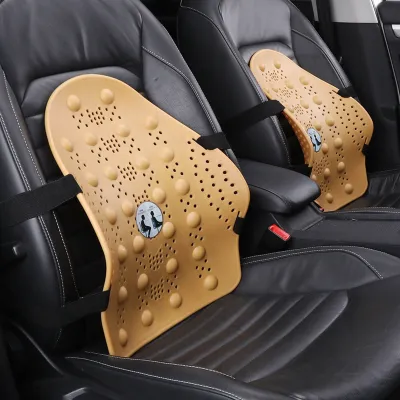
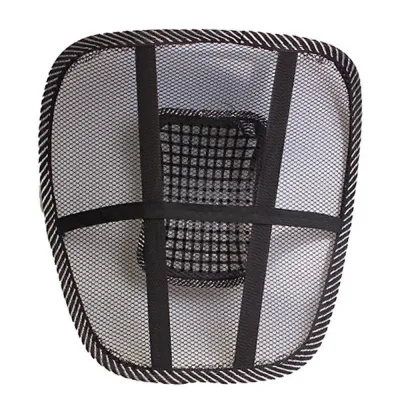
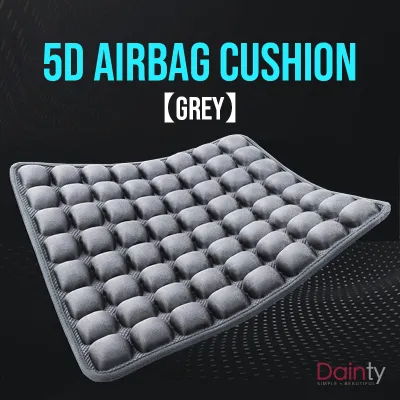
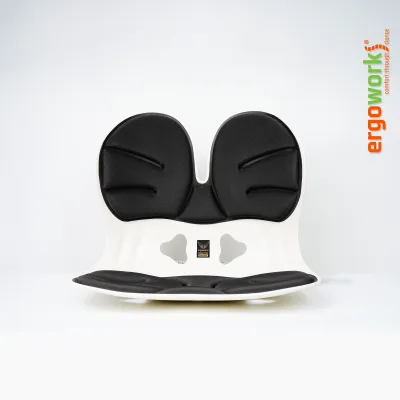
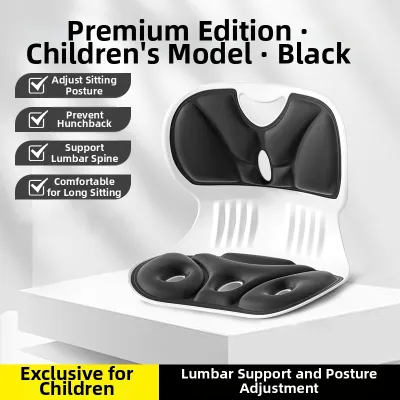
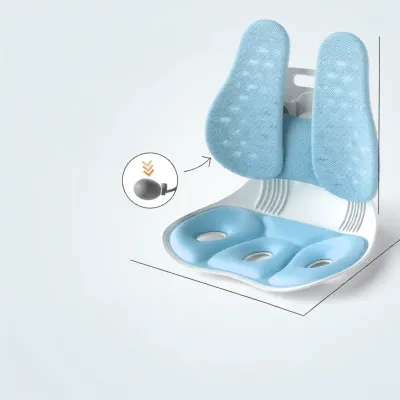
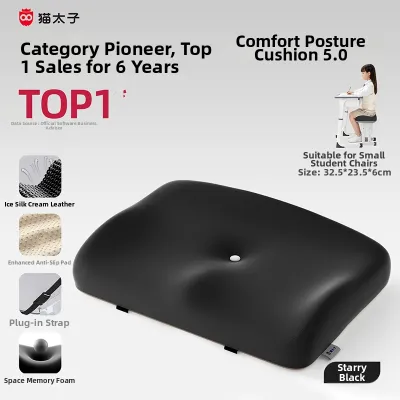
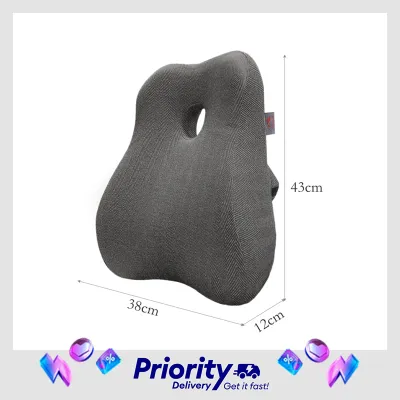
Prices are valid at publication and may change. Please refer to the product page for the latest price.

The physical construction of the seat cover plays a decisive role in how these forces are transferred. A cover’s overall thickness, the density of its weave, and the presence of integrated backing layers all act as a filter between you and the seat. For instance, a cover with a thick, low-density foam backing might feel soft initially, but it can mask the supportive contours of the seat’s side bolsters. Conversely, a thin, highly dense material will transfer the firm support of the underlying foam directly to your body, but it may offer less surface-level pressure relief. Understanding these dynamics helps you look past aesthetic appeal and focus on how a material behaves under load.
Leather Seat Covers: Structural Support and Cushioning
Leather and premium synthetic alternatives (such as polyurethane or vinyl-based leatherette) are renowned for their high tensile strength and structural rigidity. Because these materials do not stretch easily, they create a firm, taut surface that actively resists sagging over years of use. This inherent stiffness provides excellent lateral support, helping to keep your body centered within the seat’s side bolsters during cornering. For drivers who prefer a firm, highly stable seating surface that maintains its shape under heavy daily use, leather offers a robust solution that prevents the body from sinking too deeply into the cushion.
However, this structural rigidity comes with a distinct break-in period. When first installed, a leather seat cover can feel somewhat stiff and unyielding, occasionally reducing the immediate contouring effect of the underlying seat foam. Over time, high-quality leather gradually conforms to your specific body shape and the seat’s contours, creating a personalized fit. It is also important to consider how environmental factors influence this material. In Singapore’s hot and humid tropical climate, leather covers can absorb and retain significant ambient heat when parked in direct sunlight. This heat retention can cause the material to feel temporarily stiffer and less comfortable until the cabin cools down, which may affect your perceived comfort during the initial minutes of a drive.
Fabric Seat Covers: Flexibility and Ergonomic Comfort
Woven fabric seat covers, including materials like polyester, jacquard, and canvas, offer a highly flexible and adaptive interface. Unlike the rigid surface of leather, fabric possesses natural elasticity that allows it to stretch and flex dynamically as you shift your weight. This flexibility means the cover can mirror the precise ergonomic contours of your vehicle’s original seat design without adding artificial surface stiffness. If your car already has highly supportive, well-contoured seats, a fabric cover is an excellent way to protect the material while preserving the exact feel and pressure distribution engineered by the manufacturer.
Many fabric seat covers feature multi-layer constructions, often incorporating a thin layer of foam backing or quilted padding. This additional layering can provide localized pressure relief, softening the interface for drivers who find their original seats too firm. However, this flexibility also introduces trade-offs in long-term structural support. Over extended periods of use, woven fabrics are susceptible to material fatigue and stretching. As the fibers loosen, the cover may begin to sag or bunch up, reducing its ability to hold you firmly in place and potentially requiring manual adjustment to maintain proper alignment.
Breathable Mesh Seat Covers: Airflow and Tension Support
Mesh seat covers utilize a completely different support mechanism compared to traditional padded options. Instead of relying on a solid layer of material backed by foam, mesh covers feature a tightly woven, open-grid pattern that provides support through surface tension and suspension. When you sit on a high-tension mesh cover, the material distributes your weight evenly across the entire surface by stretching tautly, similar to an ergonomic office chair. This suspension effect can help promote upright posture alignment by preventing your pelvis from tilting backward, without heavily compressing the underlying seat foam.
The primary ergonomic advantage of mesh is its exceptional breathability. In a tropical environment like Singapore, heat buildup and perspiration can lead to physical discomfort, which indirectly causes drivers to shift and slouch, compromising their posture. By allowing continuous airflow between your body and the seat, mesh covers help maintain a neutral temperature, reducing fatigue and discomfort during long commutes. However, mesh does have limitations in shock absorption. Because it lacks thick, dense padding, it cannot absorb sharp road vibrations or impacts as effectively as leather or foam-backed fabric, meaning you will rely more heavily on your vehicle’s suspension and original seat foam to cushion the ride.
Material Comparison and Decision Framework
To help you determine which material aligns best with your driving habits and comfort preferences, the table below compares Leather, Fabric, and Mesh across key performance dimensions.
| Material Type | Surface Firmness | Ergonomic Contouring | Durability of Support | Climate Comfort (Airflow) |
|---|---|---|---|---|
| Leather / Synthetic | High (Firm) | Moderate (Requires break-in) | High (Resists sagging) | Low (Retains heat) |
| Woven Fabric | Moderate (Adaptive) | High (Mirrors seat shape) | Moderate (May stretch) | Moderate (Breathable weave) |
| Breathable Mesh | High (Tension-based) | Moderate (Suspension fit) | Moderate to High | High (Maximum airflow) |
When making your final decision, use the following conditional framework to guide your purchase:
- Choose Leather or Synthetic Leather if your primary goal is long-term durability, firm lateral support, and a stable surface that resists sagging, and you do not mind a brief break-in period or the need to manage cabin heat.
- Choose Woven Fabric if you want to preserve the exact ergonomic contours of your existing seat, prefer a softer and more adaptive surface interface, and want immediate pressure relief without a break-in period.
- Choose Breathable Mesh if you prioritize maximum airflow to combat tropical heat, prefer tension-based posture support, and want to minimize physical fatigue caused by heat buildup during long drives.
Before purchasing any seat cover, always conduct a physical inspection of your original seat foam. Press firmly into the center of the cushion and the side bolsters; if the foam feels soft, crumbly, or fails to spring back immediately, the underlying structure has degraded. In such cases, installing a new cover—regardless of material—will not resolve the lack of support, and you should consider professional seat restoration or foam replacement first.
Fitment, Safety, and Airbag Compatibility Checks
When selecting and installing any aftermarket seat cover, safety must always take precedence over aesthetic or comfort preferences. Modern vehicles are equipped with side-impact airbags integrated directly into the outer edges of the front seatbacks. Installing a standard, non-compatible seat cover over these areas can block, delay, or dangerously alter the deployment path of the airbag during a collision, rendering a critical safety system useless. You must verify that any seat cover you purchase is explicitly certified as side-airbag compatible, featuring specialized breakaway stitching or precise physical cutouts designed to open instantly under the force of an deploying airbag.
Beyond airbag safety, the physical fitment of the cover directly impacts its ergonomic support and driving safety. A loose-fitting cover, or one secured with weak, slipping straps, can slide across the seat surface when you enter, exit, or corner. This movement not only compromises the intended ergonomic alignment of the cover but can also create a dangerous distraction or cause you to slip while operating the pedals. Ensure the cover is designed specifically for your vehicle’s exact make, model, and seat configuration (including split-folding designs and integrated headrests). Always consult your vehicle’s owner manual and the seat cover manufacturer’s detailed installation instructions to ensure all mounting straps, hooks, and anchors are securely fastened without obstructing seat adjustment controls or seatbelt pre-tensioners.
Frequently Asked Questions (FAQ)
Do thicker seat covers always provide better support?
No, excessive thickness does not automatically equate to superior ergonomic support. While a thick, heavily padded seat cover may feel soft and comfortable during a brief touch test, low-density decorative padding tends to compress completely under body weight within minutes, offering little to no long-term pressure relief. Furthermore, an overly thick cover can alter the engineered geometry of your seat, pushing your body forward and away from the built-in lumbar support and side bolsters. For genuine support, look for covers that utilize thin, high-density materials or targeted ergonomic inserts rather than uniform, bulky padding.
Can seat covers affect the deployment of side airbags?
Yes, installing a seat cover that is not specifically designed and certified for side-airbag compatibility can severely obstruct airbag deployment. Standard seat covers without specialized breakaway seams can trap the airbag inside the seatback, preventing it from protecting the occupant during a side-impact collision. Always check the product specifications and labels for certified airbag compatibility matching your exact vehicle model and year, and ensure the cover is installed precisely according to the manufacturer’s safety guidelines.

Community discussion
Share your experience or ask a question. Comments are reviewed before publication.