
Quick Answer: Which Material Provides the Best Pressure Relief?
When you spend hours navigating daily traffic along the Pan Island Expressway or sitting in peak-hour congestion, seating comfort is not a luxury—it is a physical necessity. Many drivers turn to aftermarket seat covers hoping to alleviate lower back stiffness, tailbone pain, or thigh numbness. However, before investing in new interior accessories, it is essential to understand what these materials can and cannot do for your body.
To answer the core question directly: while breathable mesh offers the absolute best temperature regulation and surface comfort in hot, tropical climates, no thin seat cover alone can provide significant ergonomic pressure relief. True structural support and pressure distribution rely almost entirely on the underlying foam padding of your vehicle’s seats or a dedicated ergonomic insert. The seat cover material primarily dictates surface friction, heat retention, and moisture management, which heavily influence how comfortable that underlying support feels during a long drive.
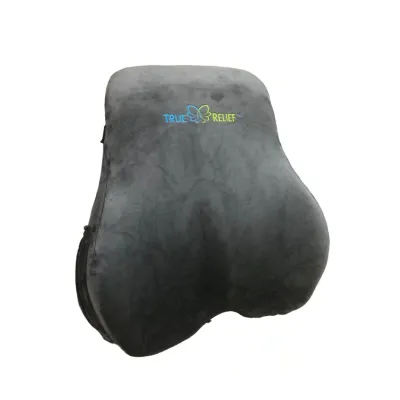
Each primary material serves a distinct purpose depending on your driving environment and physical needs. Breathable mesh excels at cooling and moisture dissipation, making it highly effective at reducing the perceived discomfort of trapped heat. Fabric covers provide a balanced, non-slip grip that stabilizes your posture and prevents muscle fatigue from sliding. Leather and synthetic leather offer a firm, highly durable surface that supports posture but requires active climate control to remain comfortable. To achieve genuine physical relief from deep muscular or skeletal strain, drivers often pair their chosen cover material with a specialized true relief cushion designed specifically for anatomical support.
Products mentioned in this guide
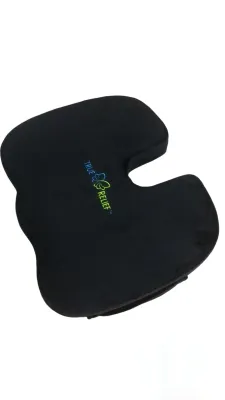
![[DRM ONLINE] Official Distributor | True Relief Ortho-Back & Lumbar Support Cushion (Set of 2) (Charcoal Grey) UP$121.80](https://img.lazcdn.com/g/p/6caec58adaa4bf8ad6b6aa43a6dde438.jpg_400x400q80.jpg_.webp)
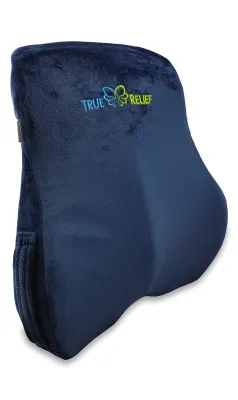
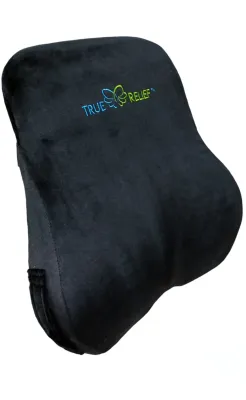
Prices are valid at publication and may change. Please refer to the product page for the latest price.
How Seat Cover Materials Influence Comfort and Pressure Distribution
To understand how seat covers affect physical well-being, it is helpful to distinguish between macro-pressure distribution and microclimate comfort. Macro-pressure distribution refers to how your body weight is spread across the seat surface. When you sit, your sitting bones bear the brunt of your weight, creating concentrated pressure points. Standard automotive seat foam is engineered to compress and distribute this load, but as seats age, this foam degrades. Because aftermarket seat covers are relatively thin, they do not possess the depth or material density required to redistribute skeletal weight.

Surface friction is another critical, yet frequently overlooked, factor in seating ergonomics. When a seat cover has high surface friction, it can grab your clothing as you shift positions, creating localized shear stress on your skin and underlying tissues. Over a long commute, this constant pulling can lead to localized irritation and discomfort. Conversely, extremely low-friction materials, such as smooth leather or vinyl, can cause you to slide forward during sudden braking or lean sideways when cornering. To counteract this sliding, your core, back, and leg muscles must constantly contract to keep your body stabilized in the seat. This continuous, low-grade muscle tension eventually leads to fatigue, cramping, and an increased perception of pressure along the lower back and thighs.
Furthermore, the microclimate—the temperature and humidity levels between your body and the seat—plays a massive role in how you perceive pressure. In a hot and humid climate, any material that traps body heat causes rapid sweat accumulation. As moisture builds up, the skin softens and becomes significantly more sensitive to friction and pressure. Trapped heat also increases localized blood flow, which can amplify the sensation of throbbing or aching in pre-existing sore spots. Therefore, a seat cover that promotes airflow does not physically alter the mechanical pressure on your bones, but it dramatically reduces the physiological triggers that make that pressure feel unbearable.
Material Breakdown: Comfort Profiles of Mesh, Fabric, and Leather
Breathable Mesh: Maximum Airflow and Cooling
Breathable mesh seat covers are specifically engineered to address the thermal challenges of driving in tropical environments. Constructed with an open-weave pattern, these covers allow air to circulate freely behind your back and beneath your thighs. This constant ventilation helps dissipate body heat and evaporate moisture, keeping your skin dry and comfortable even during midday drives. By preventing the buildup of heat and sweat, mesh covers eliminate the swampy, humid microclimate that often exacerbates physical fatigue on long journeys.
However, because mesh covers are designed primarily for ventilation, they are typically very thin and offer virtually no additional cushioning. If your car’s original seats are worn out, hard, or poorly contoured, a mesh cover will do nothing to soften the ride; it will simply transfer the firm shape of the underlying seat directly to your body. To resolve deep physical discomfort, you will need to place a supportive true relief cushion underneath or over the mesh cover to establish a proper ergonomic foundation.
Additionally, mesh materials can have a slightly abrasive texture depending on the quality of the weave. While this texture is rarely noticeable through thick clothing, it can feel rough or scratchy against bare skin, such as when wearing shorts or light summer wear. The open-weave design also means that small particles, dust, and liquid spills can pass straight through the cover and settle into the original seat fabric below, requiring regular vacuuming to keep the cabin clean.
Fabric: Balanced Friction and Temperature
Fabric seat covers represent a highly versatile middle ground for daily commuters who want a balance of comfort, stability, and moderate temperature regulation. Unlike slick leather or highly textured mesh, fabric offers an optimal level of surface grip. This natural friction keeps your body securely planted in the seat, minimizing the lateral sliding that occurs during sharp turns or sudden stops. By reducing the need for constant muscular micro-adjustments, fabric covers help prevent the deep lower back fatigue that accumulates over hours of driving.
The comfort profile of fabric is highly dependent on the specific weave, thickness, and material composition. Thicker woven fabrics, such as neoprene or heavy-duty canvas, can add a subtle layer of surface softness that takes the edge off a hard seat. However, this added thickness comes with a trade-off: denser fabrics tend to retain more heat and moisture than mesh. During a hot afternoon, a thick fabric cover can gradually trap body heat, leading to a warmer seating surface over time, though it still remains significantly cooler than non-perforated leather.
For daily driving, fabric covers are highly practical because they do not become scalding hot when the vehicle is parked in direct sunlight. They provide a soft, welcoming surface immediately upon entry. The primary drawback of fabric is its susceptibility to staining and odor absorption. Spilled coffee, sweat, and dirt can easily penetrate the fibers, requiring periodic removal and machine washing or specialized upholstery cleaning to maintain a fresh interior environment.
Leather and Synthetic Leather: Firm Support and Durability
Leather and synthetic leather (such as polyurethane or vinyl) seat covers are widely favored for their premium aesthetic, exceptional durability, and ease of maintenance. From an ergonomic standpoint, leather provides a firm, structured surface that can assist in maintaining an upright, disciplined driving posture. Unlike soft fabrics that allow the pelvis to tilt backward, the natural tautness of leather helps support the spine’s natural curvature, provided the underlying seat foam is still in good condition.
However, leather presents distinct thermal challenges in tropical climates. Because leather is a dense, non-porous material, it acts as a heat sink. When a car is parked outdoors, leather seats absorb solar radiation rapidly, reaching temperatures that can be painful to touch upon re-entry. Even with the air conditioning running, a standard leather cover will block airflow, trapping body heat and sweat against your back and thighs. This lack of breathability can quickly lead to discomfort, making the seat feel sticky and hot, which intensifies the perception of pressure points during extended drives.
To mitigate these thermal issues, many modern synthetic and genuine leather covers feature perforated panels that allow some heat to escape. However, unless your vehicle is equipped with active seat ventilation systems that blow cool air through these perforations, the cooling effect remains limited. Furthermore, the low surface friction of smooth leather means you may experience minor sliding during spirited driving. This requires your core muscles to work slightly harder to keep you centered, which can offset some of the postural benefits of the firm material.
Comparing the Materials Across Key Daily Driving Dimensions
To help you evaluate which material best aligns with your driving habits and physical comfort requirements, the table below summarizes how mesh, fabric, and leather perform across key comfort and practical metrics.
| Material | Airflow & Cooling | Surface Friction & Grip | Heat Retention | Maintenance & Cleaning |
|---|---|---|---|---|
| Breathable Mesh | Excellent (Maximum ventilation) | Moderate (Prevents sliding, can feel textured) | Very Low (Does not trap heat) | Moderate (Requires vacuuming underneath) |
| Fabric | Moderate (Acceptable air exchange) | High (Excellent stability and body hold) | Moderate (Can warm up on long drives) | High (Prone to stains; requires washing) |
| Leather / Synthetic | Low (Unless actively ventilated) | Low (Slick surface; prone to minor sliding) | High (Absorbs and retains cabin heat) | Low (Easy to wipe clean; spill-resistant) |
When reviewing these dimensions, it is important to match the material properties to your primary source of discomfort. For example, if your main complaint is back sweat and a stifling cabin temperature, prioritizing airflow with a mesh cover will yield the greatest improvement in daily comfort. Conversely, if you find yourself constantly sliding out of position and experiencing shoulder or neck tension from bracing yourself, the superior grip of a high-quality fabric cover will provide better postural stability. If your priority is a clean cabin that is easy to wipe down after family trips or outdoor activities, leather remains the most practical choice, provided you are willing to manage its thermal properties.
The Role of the Underlying Cushion in True Pressure Relief
If you are experiencing persistent tailbone pain, sciatica, or lower back fatigue, it is critical to recognize that changing your seat cover material alone will not resolve these issues. Deep physical discomfort is caused by the compression of nerves, blood vessels, and soft tissues under the weight of your skeletal system. Because seat covers are designed to protect the original upholstery and alter surface characteristics, they lack the depth, contouring, and mechanical properties required to lift and support your anatomy.
To achieve genuine pressure relief, you must look beneath the surface and pair your chosen seat cover with a dedicated true relief cushion. These ergonomic inserts are engineered with specialized materials—such as high-density memory foam, medical-grade column gel, or fluid-like polymer grids—that actively contour to your body shape. A high-quality true relief cushion works by redistributing your body weight away from sensitive areas, such as the coccyx and sciatic nerve, and spreading it evenly across the thighs and buttocks. By raising your seating position slightly and providing targeted support, these cushions help maintain the natural lumbar curve of your spine, reducing muscle strain and joint compression.
When combining an aftermarket seat cover with an ergonomic cushion, practical compatibility is key to ensuring both comfort and safety. First, ensure that the seat cover does not bunch up or create tight folds under the cushion, as these folds can create hard ridges that actually increase localized pressure points. Second, verify that the combined height of the cushion and the seat cover does not compromise your driving posture. Raising your seating position too high can alter your line of sight, reduce headroom, and interfere with your ability to reach the pedals comfortably or clear the steering wheel.
Most importantly, you must prioritize vehicle safety when installing any aftermarket seating accessories. Many modern vehicles are equipped with side-impact airbags integrated directly into the outer bolsters of the front seats. Before purchasing or installing a seat cover, you must consult your vehicle’s owner’s manual to verify the precise location of these airbags. If your seats contain integrated airbags, you must ensure that any seat cover you install is explicitly certified as airbag-compatible, featuring specialized, low-tensile stitching designed to break open instantly upon deployment. Furthermore, ensure that a separate seat cushion does not block the deployment path of these safety systems or interfere with the seatbelt pretensioners.
Decision Framework: Choosing the Right Seat Cover for Your Needs
To make an informed decision that addresses your specific comfort requirements, use the following condition-based framework to guide your purchase:
- Choose Breathable Mesh if: Your primary driving discomfort is back sweat, humidity, and heat buildup, and you already possess a supportive seat or plan to use a separate ergonomic cushion for structural pressure relief.
- Choose Fabric if: You seek a balanced, budget-friendly option that offers excellent body grip to prevent sliding, provides moderate temperature control, and delivers a softer, more cushioned surface feel for mixed driving conditions.
- Choose Leather or Synthetic Leather if: You prioritize a premium aesthetic, outstanding durability, and effortless cleanup of spills, and you primarily drive in a consistently air-conditioned environment where heat absorption is minimized.
Verify first if: Before finalizing any purchase, always check your vehicle’s manufacturer documentation to confirm whether your seats contain integrated side-impact airbags. If they do, verify that the seat cover you select features certified airbag-safe seams. Additionally, measure your cabin’s headroom and steering wheel clearance to ensure that adding any thick seat covers or supportive cushions will not compromise your physical control of the vehicle or your safety on the road.
Frequently Asked Questions (FAQ)
Do mesh seat covers provide enough padding for long drives?
No, mesh seat covers are designed primarily to facilitate airflow and ventilation, meaning they are typically very thin and offer virtually no structural padding. While they are highly effective at keeping you cool and dry, they cannot redistribute your body weight or relieve deep pressure points on long journeys. If you suffer from tailbone pain or lower back fatigue during extended drives, you should pair a breathable mesh cover with a dedicated ergonomic support cushion to achieve the necessary physical relief.
Can I use a memory foam cushion under a leather seat cover?
Yes, you can place a memory foam cushion under a seat cover, but you must take specific precautions regarding stability and safety. Because leather and synthetic leather have relatively smooth, low-friction surfaces, a loose cushion placed underneath or on top of a leather cover may slide out of place during cornering or braking. To prevent this, choose a cushion equipped with a high-grip, non-slip backing or adjustable security straps. Additionally, always verify that the combined thickness of the cushion and cover does not obstruct side-impact airbags or negatively alter your driving posture and control.

Community discussion
Share your experience or ask a question. Comments are reviewed before publication.