
Selecting the ideal car seat cover requires balancing comfort, durability, and safety. There is no single material that outperforms the others in every category. Instead, the best choice depends on your daily driving environment, how much time you want to spend on maintenance, and who regularly rides in your vehicle. Mesh excels at keeping you cool in humid climates, fabric offers a soft, temperature-neutral feel at an accessible price point, and leather provides a premium aesthetic with straightforward spill cleanup.
Understanding Your Driving Environment and Needs
Before comparing material specifications, evaluate your typical driving patterns and cabin conditions. A daily commute consisting of short city trips demands different characteristics than frequent long-distance journeys where physical fatigue becomes a factor. In tropical regions like Singapore, high humidity and intense solar heat can rapidly turn a parked car into an oven, making heat dissipation a primary concern. If your vehicle is frequently parked outdoors without shade, the interior surfaces will absorb significant thermal energy, directly affecting your comfort upon entry.
Passenger profiles also dictate the most practical material choice. If you regularly transport young children, pets, or sports gear, your seats are highly vulnerable to spills, mud, and physical abrasions. Pet claws can easily snag loose woven fabrics, while sugary drinks can permanently stain untreated materials. Conversely, a vehicle used primarily for solo business commutes can prioritize aesthetics and premium textures over heavy-duty stain resistance.
Products mentioned in this guide
![[SG stock] Car Seat Cover PU Leather Interior Protector Mats Cushion 5 Seaters Chair Seatcover Pad for SUV Sedan Truck](https://img.lazcdn.com/g/p/16fa8d3bfacbc3e18b5e305dff109412.jpg_400x400q80.jpg_.webp)
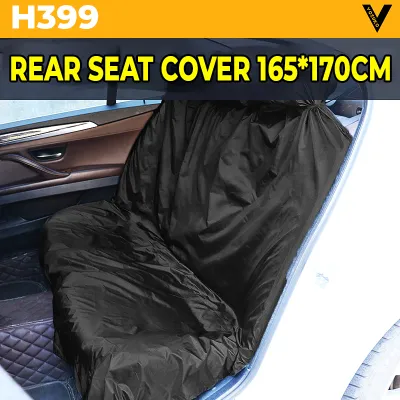
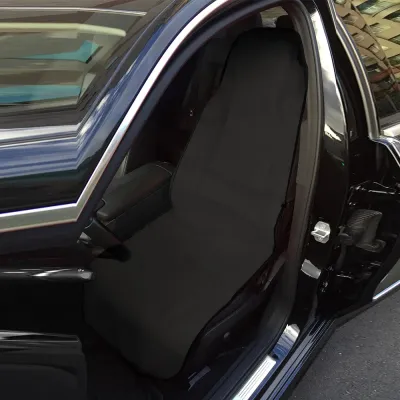
Prices are valid at publication and may change. Please refer to the product page for the latest price.
Comparing Comfort and Temperature Regulation
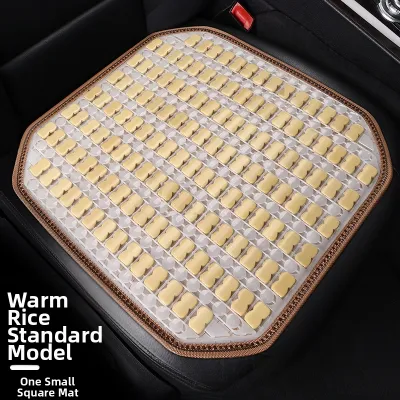
Temperature regulation is a critical factor in driver comfort, particularly during warm afternoons. Mesh seat covers feature an open-weave design that promotes continuous airflow between your body and the seat cushion. This ventilation helps prevent perspiration and keeps the seating surface cool, even after the car has been parked in direct sunlight. Fabric covers also perform well in temperature regulation, as they do not retain heat or cold excessively, providing a neutral, comfortable feel the moment you sit down.

Leather and synthetic leather covers present a different set of thermal characteristics. While they offer a smooth, luxurious texture and excellent initial cushioning, they tend to absorb and retain ambient heat. On hot days, a leather surface can become uncomfortably warm to the touch and may cause perspiration due to limited breathability. If your vehicle features factory-installed heated or ventilated seats, you must verify that the aftermarket seat cover is specifically designed to allow heat or airflow to pass through without damaging the heating elements or restricting the ventilation system.
Evaluating Durability and Wear Resistance
The lifespan of a seat cover depends heavily on its material composition and construction quality. When shopping, inspect the product labels for specific performance ratings, such as resistance to friction, tearing, and ultraviolet (UV) fading. High-quality fabric covers often utilize heavy-duty polyester or canvas weaves that resist tearing, though lower-grade fabrics may suffer from pilling—the formation of small fiber balls—in high-friction areas like the side bolsters.
Leather options vary significantly in durability between genuine hides and synthetic alternatives like polyurethane (PU) or polyvinyl chloride (PVC). Genuine leather offers exceptional longevity and develops a natural patina over time, but it requires regular conditioning to prevent drying and cracking under intense UV exposure. Synthetic leather is highly resistant to moisture and fading, but lower-quality versions can peel or crack prematurely along seam lines. Always examine the physical build quality, looking for high stitching density, reinforced double seams, and a thick, non-slip backing material that prevents the cover from sliding against the original upholstery.
Maintenance Requirements and Cleaning Routines
Keeping your car interior clean requires a maintenance routine tailored to your chosen material. Leather and synthetic leather are highly spill-resistant, allowing you to wipe away liquids, dirt, and mud with a damp microfiber cloth before they can penetrate the surface. For routine care, leather requires occasional vacuuming of the seams followed by the application of a dedicated, label-authorized leather cleaner and conditioner to maintain its flexibility and protective coating.
Fabric and mesh covers require a more active cleaning approach because their porous structures easily absorb liquids and trap dust, pet hair, and food crumbs. Regular vacuuming with a brush attachment is essential to prevent dirt from grinding into the fibers. For spills, you must act quickly using a mild upholstery cleaner approved by the manufacturer, as liquids can seep deep into the underlying foam padding. Some fabric and mesh covers are machine-washable, but you must always consult the care label instructions regarding water temperature, gentle cycles, and air-drying requirements to avoid shrinking or warping the cover.
Installation, Fit, and Safety Compatibility
Before purchasing any aftermarket seat cover, you must verify its compatibility with your vehicle’s safety systems, particularly side-impact airbags embedded within the seatbacks. Installing a non-compatible cover can restrict or completely block airbag deployment during a collision, posing a severe safety risk. Look for clear manufacturer certification labels indicating that the cover features specialized breakaway stitching or open-side designs engineered to allow proper airbag deployment.
Beyond safety systems, the cover must fit securely to prevent sliding, which can distract the driver or interfere with pedal operation. Check the mounting mechanism, ensuring the straps, hooks, and chucks align with your seat’s anchor points and do not obstruct manual or power seat adjustment controls. If your vehicle has specialized headrests, integrated armrests, or split-folding rear seats, verify that the cover design accommodates these specific configurations. If the installation process involves complex tensioning straps or seat disassembly, consider seeking qualified professional installation to ensure a safe and perfect fit.
Price Tiers and Value Considerations
The initial cost of seat covers generally aligns with the complexity of the material and manufacturing process. Genuine leather sits at the top of the price hierarchy, representing a premium investment that can enhance the vehicle’s resale value if properly maintained. Synthetic leather offers a mid-range alternative, delivering a similar aesthetic and easy maintenance at a more accessible price point. Standard fabric and mesh covers are typically the most budget-friendly options, offering practical protection without a significant financial commitment.
When evaluating value, consider the expected lifespan of the cover alongside the initial purchase price. A low-cost cover that requires replacement after a year of heavy use may ultimately cost more than a durable, mid-range option backed by a solid manufacturer warranty. Review the warranty terms and return policies carefully, paying attention to coverage for seam separation, color fading, and material degradation. Additionally, factor in any potential professional installation fees if the cover design requires specialized tools or expertise to fit securely.
Final Decision Framework: Which Seat Cover Fits You?
To make your final selection, match your primary driving priorities to the unique strengths of each material:
- Choose Leather or Synthetic Leather if you prioritize a premium, upscale cabin appearance, require effortless cleanup of liquid spills and dirt, and are willing to perform regular conditioning to protect the material from UV damage.
- Choose Fabric if you want a balanced, budget-friendly option that remains temperature-neutral in all weather conditions, prefer a soft and cushioned seating texture, and do not mind vacuuming regularly to manage dust and debris.
- Choose Mesh if you drive frequently in hot, humid climates, prioritize maximum airflow to prevent perspiration during long trips, and want a lightweight, breathable cover that is easy to remove and clean.
- Verify first if your vehicle has seat-mounted side airbags, active ventilation or heating systems, or unique seat geometries. Always consult your vehicle owner's manual and the seat cover manufacturer's compatibility guide before making a final purchase.

Community discussion
Share your experience or ask a question. Comments are reviewed before publication.