
Selecting the right car seat cover is one of the most practical upgrades you can make for your vehicle’s interior. Whether you want to protect your original upholstery from daily wear, refresh a aging cabin, or improve your driving comfort during long commutes, the material you choose plays a decisive role. The three most common options—leather, fabric, and breathable mesh—each offer distinct advantages and trade-offs in terms of durability, temperature control, and maintenance.
This guide breaks down how these materials perform under real-world driving conditions, particularly in warm, humid climates where cabin heat is a constant factor. By understanding the unique characteristics of each option, you can make an informed decision that aligns with your lifestyle, budget, and safety requirements.
Quick Answer: Which Material Suits Your Driving Lifestyle?
The ideal seat cover material depends on your local climate, your willingness to perform regular maintenance, and how you use your vehicle daily. In tropical climates like Singapore, where intense sunlight and high humidity can quickly turn a parked car into an oven, heat management and moisture resistance are critical considerations.
Products mentioned in this guide
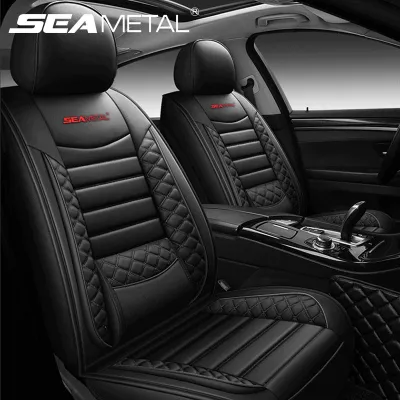
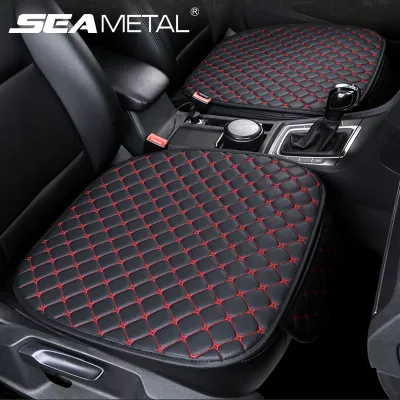
![[SG stock] Car Seat Cover PU Leather Interior Protector Mats Cushion 5 Seaters Chair Seatcover Pad for SUV Sedan Truck](https://img.lazcdn.com/g/p/b14fc2d13251d1235315b5f39912a158.jpg_400x400q80.jpg_.webp)
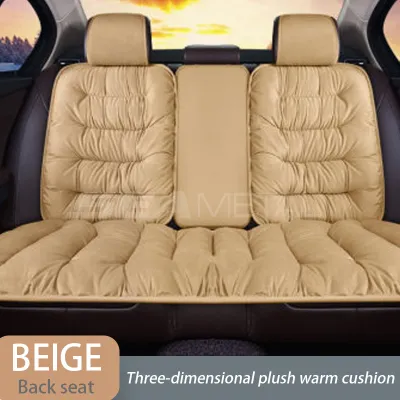
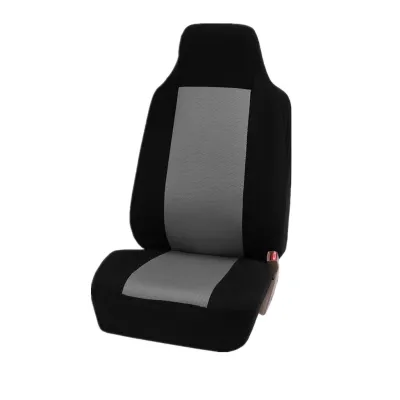
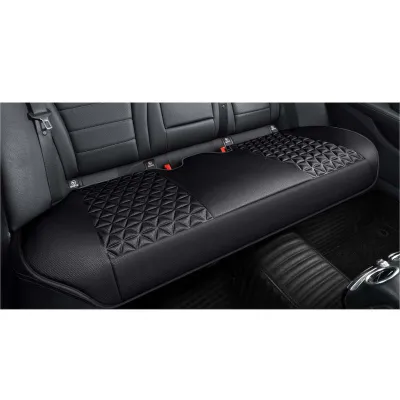
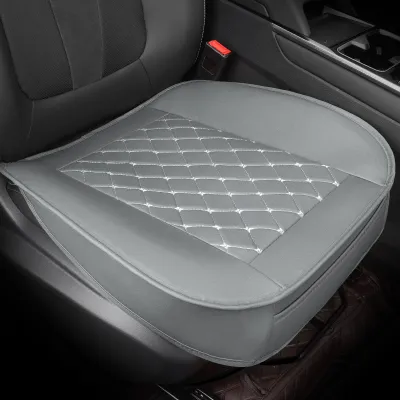
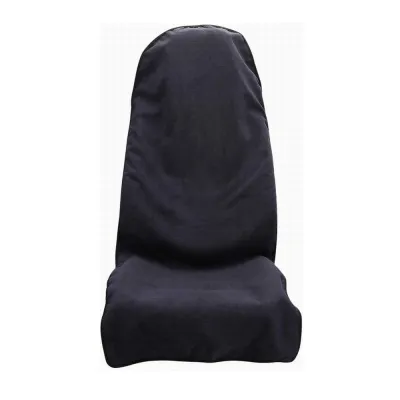
Prices are valid at publication and may change. Please refer to the product page for the latest price.
For drivers seeking a premium aesthetic that is easy to wipe clean after spills, leather or high-quality synthetic leather is often the preferred choice. If you prioritize a soft, temperature-neutral surface that fits a modest budget, traditional fabric covers offer excellent everyday practicality. For those who experience long hours behind the wheel and require active airflow to prevent sweat buildup, breathable mesh covers provide targeted cooling and ergonomic support.
Before making any purchase, it is vital to verify that the seat covers are fully compatible with your specific vehicle model, especially regarding side-impact airbag safety and built-in seat sensors. Always check the manufacturer’s documentation to ensure a precise fit that does not compromise your vehicle’s safety systems.
Leather Car Seat Covers: Durability and Premium Feel
Leather seat covers, whether made from genuine hides or synthetic alternatives, instantly elevate the visual appeal of any car interior. They provide a sleek, tailored look that closely mimics factory-installed luxury upholstery. Beyond aesthetics, the primary practical benefit of leather is its liquid resistance; spilled coffee, water, or food can be wiped away immediately with a damp cloth, preventing stains from setting into the underlying foam.

However, maintaining this premium look requires consistent care. You must check the product labels for specific UV protection and conditioning requirements. Without regular application of authorized leather conditioners, prolonged exposure to harsh sunlight can cause the material to dry out, fade, and eventually crack. Synthetic options like Polyurethane (PU) or Polyvinyl Chloride (PVC) are often more resistant to moisture and require less conditioning than genuine leather, but they may lack the natural breathability and soft texture of real hide.
Heat retention is a notable drawback for leather in sunny climates. When a car is parked in the open, leather seats absorb heat rapidly and can become uncomfortably hot to the touch. To mitigate this, look for perforated leather options, which feature tiny punctures across the seating surface to allow minimal air exchange and reduce heat buildup against your body.
When shopping, always inspect the product tags to clarify whether you are buying genuine leather, PU leather, or PVC. Genuine leather offers superior longevity and a natural scent but comes at a higher price point, whereas synthetic alternatives provide excellent spill protection and easier cleaning at a more accessible cost.
Fabric Car Seat Covers: Comfort and Everyday Practicality
Fabric seat covers are a highly popular choice for daily commuters and families who prioritize comfort and straightforward utility. Unlike leather, woven fabrics do not retain extreme heat or cold, meaning they maintain a relatively neutral, comfortable temperature even after your vehicle has been parked under the sun for hours. This makes sliding into the driver’s seat a much more pleasant experience on hot afternoons.
On the downside, standard fabrics are highly susceptible to liquid stains, dirt accumulation, and odor absorption. A spilled drink or wet swimwear can quickly soak through the cover, requiring prompt spot cleaning to prevent permanent staining or mold growth. If you have pets or frequently transport young children, fabric covers will require more frequent vacuuming and deep cleaning to manage pet dander, hair, and crumbs.
To personalize your cabin, fabric covers offer the widest variety of patterns, textures, and colors. You can choose from heavy-duty canvas for rugged protection, soft jacquard for a classic look, or stretch polyester for a snug, budget-friendly fit.
Before purchasing, check the product care labels to see if the covers are machine-washable or if they have been treated with factory-applied stain-resistant coatings. Opting for covers that can be easily removed and tossed into a washing machine simplifies long-term maintenance significantly.
Breathable Mesh Car Seat Covers: Cooling and Active Support
Breathable mesh seat covers are engineered specifically to combat heat and perspiration. Utilizing a specialized 3D spacer fabric structure, these covers feature a dual-layer mesh separated by micro-filaments. This design creates a permanent air gap that allows continuous ventilation between your body and the seat, significantly reducing sweat buildup during long drives in humid weather.
Unlike leather and fabric, which typically wrap around the entire seat structure, mesh is frequently utilized for targeted support overlays. Many mesh products are designed as ergonomic inserts or backrest attachments that secure over your existing seats to provide lumbar relief and enhanced airflow where you need it most. This makes them an excellent, non-invasive option for drivers who want to improve comfort without committing to a full upholstery overhaul.
While highly effective for cooling, mesh materials require careful handling. The open-weave structure is susceptible to snagging on sharp objects such as pet claws, keys, or heavy hook-and-loop fasteners. Before buying, inspect the weave density; a tighter, multi-layered mesh generally offers better durability and resistance to tearing than a loose, single-layer design.
Additionally, you must verify that the mesh cover does not interfere with your seat’s built-in adjustments, manual levers, or integrated heating and ventilation systems. Because mesh overlays often rely on elastic straps and tension hooks, ensuring they align correctly with your seat frame is crucial for maintaining full seat functionality.
Direct Comparison: Evaluating the Three Materials
Choosing the right material involves weighing several competing factors. While leather excels in spill resistance and style, it falls short in temperature regulation. Fabric offers excellent initial comfort and affordability but demands quick action when spills occur. Mesh provides unmatched cooling performance but is more vulnerable to physical damage and offers limited aesthetic variety.
To help you compare these trade-offs directly, the matrix below outlines how each material performs across key decision dimensions:
Material Comparison Matrix: Leather vs Fabric vs Mesh
| Dimension | Leather (Genuine / Synthetic) | Fabric (Woven / Canvas) | Breathable Mesh (3D Spacer) |
|---|---|---|---|
| Spill & Stain Resistance | High (Wipes clean easily) | Low (Absorbs liquids quickly) | Moderate (Liquids pass through) |
| Temperature Regulation | Low (Retains heat in the sun) | Moderate (Stays temperature-neutral) | High (Promotes active airflow) |
| Maintenance Effort | Moderate (Requires wiping & conditioning) | High (Requires vacuuming & washing) | Low (Requires occasional shaking/vacuuming) |
| Snag & Tear Resistance | High (Durable against friction) | Moderate (Can pill or wear thin) | Low (Prone to snagging on sharp objects) |
| Typical Cost Range | Medium to High | Low to Medium | Low to Medium |
| Primary Aesthetic | Premium, luxury, or sporty | Casual, varied, or utilitarian | Technical, sporty, or functional |
When evaluating longevity, remember that the actual lifespan of any seat cover depends heavily on your specific usage patterns, sun exposure, and adherence to care instructions, rather than the material name alone. A well-maintained synthetic leather cover can easily outlast a neglected genuine leather cover, just as a heavy-duty canvas fabric cover can withstand rugged use better than a delicate, lightweight mesh overlay.
Pre-Purchase Checks: Fit, Safety, and Compatibility
Before purchasing any car seat cover, you must perform several critical checks to ensure the product is safe, legal, and fully compatible with your vehicle. Never assume a cover will fit based solely on a generic category term like “sedan” or “SUV.”
First and foremost is side-airbag compatibility. Many modern vehicles feature side airbags embedded within the outer bolsters of the front seats. If you install a seat cover that blocks these deployment zones, the airbag may fail to deploy correctly in an accident, posing a severe safety risk. Look for explicit manufacturer labels indicating “airbag compatible” or “side-airbag safe.” These covers are engineered with specialized, low-tension stitching or open side panels designed to break away instantly upon airbag deployment.
Second, decide between universal-fit and custom-fit covers. Universal covers are designed to stretch over a wide range of seat shapes and are generally more affordable, but they may bunch up, slide around, or leave loose fabric. Custom-fit covers are patterned specifically for your vehicle’s exact make, model, and year. While more expensive, they provide a tight, seamless fit that looks like original upholstery and stays securely in place during entry and exit.
Third, inspect your seats for integrated features. Ensure the covers do not obstruct:
- Seatbelt buckles and mounting points
- ISOFIX child seat anchors in the rear seats
- Manual or electronic seat adjustment controls
- Built-in seat occupancy sensors that control airbag deployment and seatbelt reminders
- Factory-installed seat heating or cooling ventilation paths
If you are unsure about sensor interference, airbag deployment paths, or how to safely route mounting straps around electrical wiring under the seat, consult your vehicle’s owner manual or seek assistance from a qualified professional installer before proceeding.
Final Decision Guide: Matching Material to Your Needs
To finalize your decision, match your daily driving habits and vehicle requirements to the profiles below.
Choose Leather Seat Covers if:
- You want a premium, upscale look that enhances your car's resale value.
- You frequently travel with pets or children and need a surface that can be wiped clean of spills and mud instantly.
- You are willing to perform periodic cleaning and conditioning to protect the material from UV damage.
Choose Fabric Seat Covers if:
- You want a cost-effective, comfortable solution that does not get hot when parked in the sun.
- You prefer a soft, cozy seating surface and enjoy having a wide variety of colors or patterns to choose from.
- You want the convenience of removable, machine-washable covers for straightforward sanitation.
Choose Breathable Mesh Seat Covers if:
- You live in a hot, humid climate and suffer from back sweat or discomfort during long drives.
- You want targeted ergonomic support or a simple, breathable overlay rather than a full upholstery replacement.
- You do not carry pets or sharp cargo that could easily snag the open-weave fabric.
Verify first if:
- Your vehicle has advanced driver-assistance sensors or occupancy sensors built directly into the seat cushions, as thick covers may affect sensor sensitivity.
- You or your passengers have severe dust mite allergies; in this case, leather or easily washable synthetic materials are generally preferred over deep-pile fabrics that trap allergens.
Before completing your purchase on any online marketplace or at a local automotive accessory shop, take a moment to review the seller’s return policy and warranty terms. Because precise fit is essential for both safety and appearance, having the option to exchange or return the product if it does not align perfectly with your seat configuration provides valuable peace of mind.
Frequently Asked Questions (FAQ)
Can I install side-airbag compatible seat covers myself?
Yes, many custom-fit and universal seat covers designed for side-airbag compatibility are suitable for self-installation. However, you must follow the manufacturer’s exact routing instructions for all straps, hooks, and tensioning systems. The designated airbag deployment seam—usually marked with a tag on the side of the cover—must never be altered, stitched over, covered with straps, or blocked in any way. If the installation instructions require you to remove the seat from the vehicle, or if you are unsure how to route straps safely around under-seat electrical wiring and sensors, it is highly recommended to seek professional installation to ensure your safety systems remain fully functional.
Do breathable mesh covers work with heated or ventilated seats?
Thick, heavily padded, or non-perforated seat covers can significantly block the heat transfer from heated seats and completely obstruct the airflow from ventilated seats. If your vehicle is equipped with these climate functions, you should check the mesh cover’s product specifications for explicit compatibility with factory heating and cooling elements. Lightweight, single-layer mesh overlays generally allow heat and air to pass through much better than dense fabric or solid leather. After installing any new cover, test your seat’s heating and ventilation functions immediately at a low setting to ensure the airflow is not restricted and that the cover material does not overheat.
Community discussion
Share your experience or ask a question. Comments are reviewed before publication.