
A car’s interior is a highly personal space, but it is also a practical environment subjected to daily wear, high temperatures, and unexpected spills. Selecting the right car seats cover is not just about aesthetics; it directly influences your daily driving comfort, the preservation of your vehicle’s resale value, and even your safety. The ideal material depends entirely on your specific climate, budget, and lifestyle demands.
Quick Answer: Which Seat Cover Material Should You Choose?
There is no single “best” material for every driver, as the right choice depends on your local climate, budget, and daily usage patterns. For those seeking a premium feel, a luxury aesthetic, and effortless cleanup of liquid spills, high-quality genuine or synthetic leather is the premier choice. It elevates the cabin’s appearance and resists stains, though it requires a higher initial investment and can absorb significant heat when parked in the sun.
If everyday comfort, temperature neutrality, and affordability are your primary goals, fabric covers (such as polyester, cotton, or neoprene blends) are highly suitable. They remain comfortable in varying weather conditions and offer a softer seating surface, though they require more effort to clean when stained.
Products mentioned in this guide
![[SG stock] Car Seat Cover PU Leather Interior Protector Mats Cushion 5 Seaters Chair Seatcover Pad for SUV Sedan Truck](https://img.lazcdn.com/g/p/9f61771676365ac6e3abbde05ab5c72f.jpg_400x400q80.jpg_.webp)
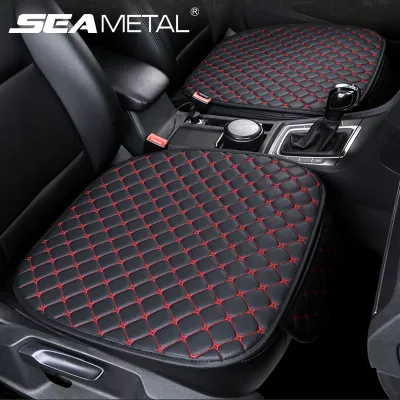
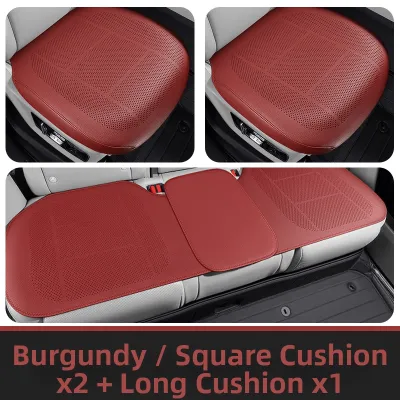
Prices are valid at publication and may change. Please refer to the product page for the latest price.
For drivers prioritizing maximum breathability and physical cooling, mesh is the outstanding option. Its open-weave design allows continuous airflow, preventing back sweat during long drives in warm, humid climates. However, mesh offers less cushioning and is more susceptible to snagging on sharp objects.
Key Factors to Consider Before Buying Car Seat Covers
Selecting the right material requires evaluating several practical variables that impact your daily driving experience. Climate is one of the most critical factors, particularly in regions like Singapore, where year-round high temperatures and humidity levels exceeding 80% are common. In such environments, a vehicle parked outdoors acts as a heat trap, causing cabin surfaces to reach high temperatures. The material you choose determines whether your seats remain sticky and hot or cool and breathable when you step inside.

Daily usage scenarios also dictate your material needs. Commuters who spend hours in stop-and-go traffic require ergonomic comfort and breathability. Families transporting young children or pets must prioritize durability and spill resistance, as juice boxes, muddy shoes, and pet claws can quickly degrade unprotected upholstery. If you frequently carry sports gear or damp items, water resistance becomes a major consideration.
Safety must remain your absolute priority when choosing any aftermarket interior accessory. Modern vehicles are equipped with sophisticated safety systems, including seat-mounted side-impact airbags (SRS). You must verify that any seat cover you consider is explicitly certified as compatible with side-impact airbags. These covers feature specialized, low-tension stitching along the outer seams designed to break instantly upon airbag deployment.
Additionally, ensure the covers do not obstruct seat belt buckles, integrated seat adjustment controls, or ISOFIX anchors for child safety seats. Always consult your vehicle’s owner manual and the seat cover manufacturer’s installation guidelines before purchasing or fitting any aftermarket product.
Leather Seat Covers: Pros, Cons, and Ideal Use Cases
Leather and premium synthetic leather (such as polyurethane or PVC leatherette) have long been associated with luxury and durability. They offer a tailored, upscale look that can instantly modernize an older cabin or protect a new car’s factory upholstery.
Advantages and Disadvantages
Aesthetic and Durability Leather covers provide an elegant, factory-fitted appearance that enhances the overall cabin aesthetic. They are highly durable and highly resistant to friction, meaning they will not easily fray or wear thin from daily entry and exit.
Spill Resistance One of the most significant advantages of leather is its liquid resistance. If coffee, soda, or water is spilled, the liquid pools on the surface rather than soaking into the cushion, allowing you to wipe it away cleanly with a microfiber cloth.
Thermal Performance On the downside, leather is highly conductive and lacks natural breathability. In hot climates, leather seats absorb solar radiation rapidly, becoming uncomfortably hot to the touch. Without active cabin cooling or ventilated seats, they can cause a sticky, sweaty feeling against your skin during longer drives.
Maintenance Demands Leather requires consistent, specialized maintenance to preserve its texture and prevent damage. Over time, exposure to UV rays and body oils can cause genuine leather to dry out, stiffen, and crack. To prevent this, you must regularly apply manufacturer-approved, pH-balanced leather cleaners and conditioners.
Best Suited For
Leather seat covers are ideal for drivers who prioritize a premium interior aesthetic and want to maintain a high resale value for their vehicle. They are highly recommended for parents of young children and rideshare drivers, as the ability to quickly wipe away spills, mud, and debris saves significant cleaning time. This material is best suited for those who typically park in shaded, indoor, or sheltered parking structures, which mitigates the issue of extreme heat buildup.
Fabric Seat Covers: Pros, Cons, and Ideal Use Cases
Fabric seat covers encompass a wide variety of materials, ranging from lightweight polyester weaves to heavy-duty canvas and water-resistant neoprene. They represent a highly versatile and accessible option for the everyday motorist.
Advantages and Disadvantages
Temperature Regulation Fabric covers excel at maintaining a neutral temperature. Unlike leather, they do not become excessively hot when exposed to direct sunlight, nor do they feel cold and clammy in air-conditioned environments. This makes them highly comfortable to sit on immediately upon entering a hot vehicle.
Affordability and Variety Fabric options are generally much more budget-friendly than premium leather. They are available in a vast array of colors, patterns, and textures, allowing you to customize your cabin’s style to your exact preferences. Specialized fabrics like neoprene offer excellent stretch and a snug, form-fitting look.
Stain and Odor Absorption Because fabric is porous, it readily absorbs liquids, sweat, and odors. A spilled drink will quickly soak into the material, potentially reaching the original seat foam beneath if not protected by a water-resistant backing. Once absorbed, stains can be difficult to remove, requiring specialized upholstery shampoo or deep-cleaning extractors.
Wear and Fading Under heavy, daily use, standard fabric covers can show signs of wear faster than leather. Abrasive friction from denim, zippers, and keys can cause pilling, snagging, or thinning of the material. Additionally, prolonged exposure to strong UV rays can cause the colors of dyed fabrics to fade over time.
Best Suited For
Fabric seat covers are ideal for daily commuters who want a soft, comfortable, and temperature-neutral seating surface without spending a fortune. They are highly practical for budget-conscious drivers who want to protect their original seats from general wear and tear. Fabric is also an excellent option for those who prefer a non-slippery surface that holds them securely in place during cornering.
Mesh Seat Covers: Pros, Cons, and Ideal Use Cases
Mesh seat covers, particularly those utilizing 3D spacer mesh technology, are designed with a primary focus on ventilation and thermal comfort. They feature an open, porous structure that separates the driver from the solid seat back.
Advantages and Disadvantages
Unmatched Breathability The defining benefit of mesh is its superior airflow. The multi-layered, open-weave design creates a physical air gap between your body and the seat cushion. This allows heat and moisture to dissipate continuously, effectively eliminating the common problem of a sweaty back during long drives in humid conditions.
Lightweight and Quick-Drying Mesh covers are exceptionally lightweight and easy to handle. If they become wet from rain, sweat, or washing, they dry much faster than heavy fabrics or neoprene, reducing the risk of mold, mildew, and musty odors developing inside the cabin.
Reduced Cushioning Because mesh is designed to be thin and highly porous to maximize airflow, it offers very little additional padding. If your vehicle’s original seats are firm or uncomfortable, a mesh cover will do little to improve cushioning or lumbar support.
Debris Trapping and Snagging The open pores of mesh material can act as a trap for fine debris, such as sand, food crumbs, and pet hair. Once these particles lodge inside the mesh layers, they can be difficult to remove with a standard vacuum cleaner. Furthermore, the loose weave is highly susceptible to snagging on sharp objects, Velcro, or pet claws, which can quickly pull the threads and ruin the cover’s appearance.
Best Suited For
Mesh seat covers are highly suited for drivers operating in hot, tropical, and humid environments who prioritize physical cooling over luxury styling. They are excellent for active individuals who frequently drive home from outdoor sports, gym sessions, or beach outings, as well as drivers who do not travel with pets or carry sharp cargo that could damage the open-weave fabric.
Material Comparison: Leather vs Fabric vs Mesh
To help you visualize how these three materials compare across key ownership dimensions, the table below outlines their general performance characteristics. Keep in mind that specific product quality, thickness, and performance will vary depending on the manufacturer and price tier.
| Material | Breathability | Ease of Cleaning | Durability Against Spills | Comfort in High Heat | Relative Cost |
|---|---|---|---|---|---|
| Leather / Synthetic | Low | High | High | Low | High |
| Fabric (Polyester/Neoprene) | Medium | Medium | Low to Medium | High | Low to Medium |
| Mesh (3D Spacer Mesh) | High | Medium | Low | High | Low |
When interpreting this comparison, consider how these factors interact with your daily routine. For example, while leather scores low on comfort in high heat due to thermal absorption, its high score in ease of cleaning makes it highly practical for those with young children. Conversely, while mesh provides unmatched breathability in hot climates, its low resistance to liquid spills means you must remain cautious with drinks inside the vehicle.
How to Choose the Right Seat Cover for Your Lifestyle
To finalize your decision, align your choice with your primary daily needs and vehicle specifications. Use this practical framework to guide your purchase:
Choose Leather if:
- You want an upscale, premium cabin aesthetic.
- You frequently transport children or passengers who might spill liquids.
- You want a material that can be quickly wiped clean with minimal effort.
- You primarily park in shaded or indoor garages.
- You are willing to invest more upfront and perform regular material conditioning.
Choose Fabric if:
- You want everyday comfort and a soft, non-slippery seating surface.
- You want to avoid seats that get uncomfortably hot in the sun.
- You are looking for a highly budget-friendly protection option.
- You want a wide selection of colors and patterns to match your style.
Choose Mesh if:
- Your absolute top priority is preventing back sweat and staying cool.
- You drive frequently during the hottest parts of the day.
- You do not carry pets or sharp items that could snag the open weave.
- You want a lightweight cover that dries rapidly if exposed to moisture.
Verify first if: Before purchasing any seat cover, pause to verify your vehicle’s specific configurations. If your car features integrated side-impact airbags inside the seat backrests, you must select covers explicitly labeled as airbag-compatible. If your vehicle has active seat heating or ventilation systems, thick leather or heavy fabric covers may severely block the airflow or heat transfer, whereas mesh or thin, perforated materials will preserve these functions. Always check your vehicle manufacturer’s guidelines regarding aftermarket seat accessories.
Installation and Maintenance Tips for Longevity
Proper installation and consistent care are essential to maximize the lifespan of your seat covers and protect your vehicle’s original upholstery. Always read and follow the specific care and installation instructions provided by the seat cover manufacturer to avoid damaging the materials or voiding warranties.
For leather and synthetic leather covers, wipe away any liquid spills immediately using a clean, damp microfiber cloth. Avoid using harsh household detergents or abrasive scrubbers, which can strip the protective topcoat of the leather. Every few months, apply a dedicated, manufacturer-approved leather conditioner to keep the material supple and prevent UV-induced cracking. Ensure the seats are completely dry before driving.
For fabric covers, perform regular vacuuming using an upholstery brush attachment to remove abrasive dust, dirt, and pet dander that can wear down the fibers. Treat stains promptly using a mild upholstery cleaner, testing it first on a small, hidden area of the cover to ensure colorfastness. If the covers are machine washable, use a gentle cycle with cold water and air-dry them completely before reinstallation to prevent shrinkage.
For mesh covers, shake them out regularly to dislodge loose crumbs and debris trapped within the open weave. Vacuum the surface thoroughly, using a high-suction setting to draw out particles from the deeper layers. If washing is required, follow the product label instructions carefully, as hand washing or gentle machine washing in a mesh laundry bag is typically recommended to prevent the fabric from snagging on the washing machine agitator. Ensure the covers are entirely dry before fitting them back onto your seats to prevent mold growth.

Community discussion
Share your experience or ask a question. Comments are reviewed before publication.