
Choosing the right seat belt cushion is a practical way to improve daily driving comfort, especially during long commutes. The ideal material depends on your priorities: leather offers a premium look and effortless cleaning, fabric provides a soft, traditional feel, while breathable mesh excels at temperature regulation in humid climates. By understanding how these materials perform, you can select an accessory that enhances comfort without compromising safety.
While a seat belt is essential for road safety, the standard nylon webbing can sometimes chafe against the neck or collarbone. A dedicated cushion acts as a protective barrier, distributing pressure more evenly across your shoulder. However, because this accessory directly interacts with your vehicle’s primary restraint system, choosing the right material requires careful consideration of both comfort and safety.
Safety and Compatibility Checks Before You Choose
Before purchasing any aftermarket interior accessory, it is crucial to establish a clear safety boundary. A seat belt is a highly engineered safety system designed to save lives; any modification must not interfere with its primary function. Adding a cushion must never compromise the seat belt’s emergency locking mechanism, pretensioners, or overall restraint geometry.
Products mentioned in this guide
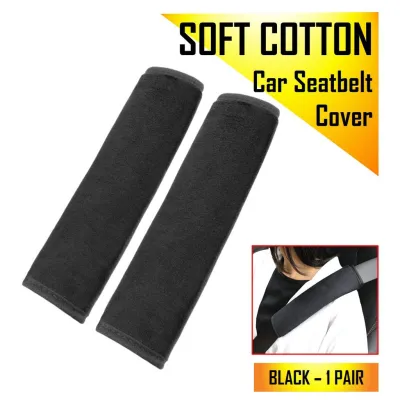
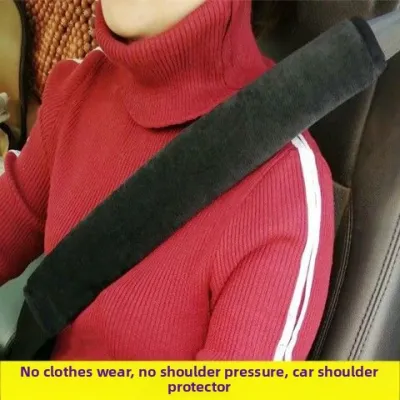
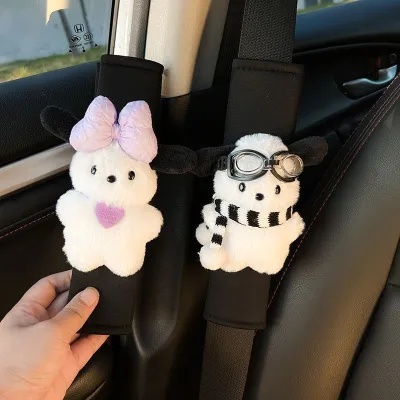
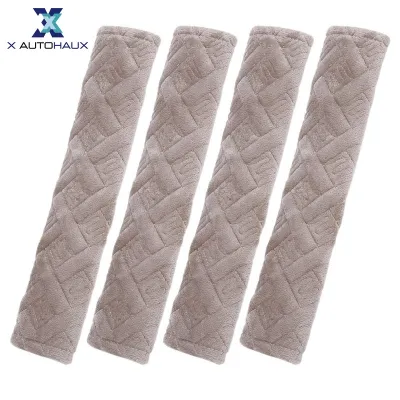
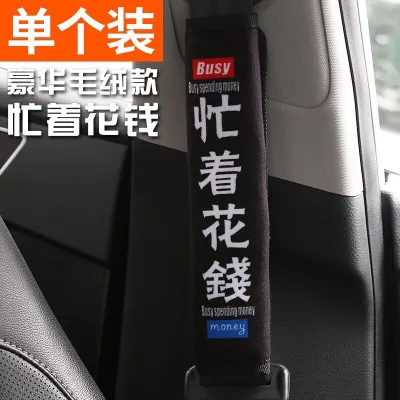
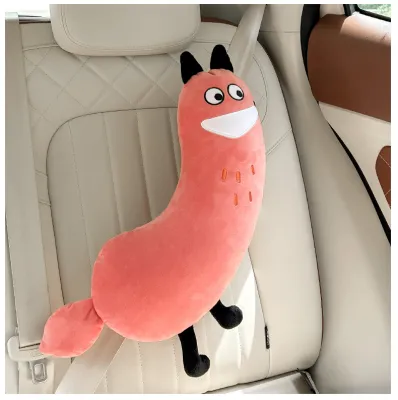
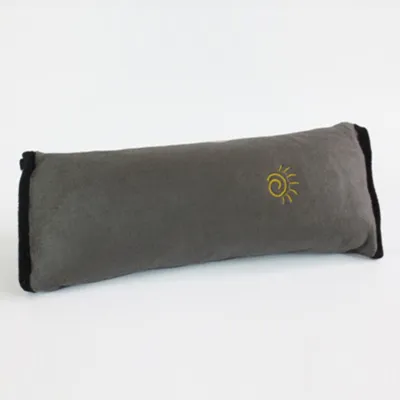
Prices are valid at publication and may change. Please refer to the product page for the latest price.
To ensure compatibility, check your vehicle owner’s manual for any specific restrictions regarding aftermarket seat belt accessories. Some manufacturers advise against adding sleeves or pads that could alter the belt’s deployment path. When installing a cushion, verify that it does not cover the latch plate, buckle, or retractor mechanism. The belt must slide freely through the cushion without binding.
Furthermore, avoid excessively thick pads that alter the belt’s intended path across your chest. A cushion that is too thick can introduce artificial slack, delaying the seat belt’s locking response during sudden braking. If the belt fails to retract smoothly, or if the cushion blocks the buckle, stop using it immediately and consult a qualified professional.
Evaluating Leather, Fabric, and Mesh for Daily Driving
Selecting the right material involves balancing tactile feel, temperature regulation, and long-term durability under typical driving conditions. Each textile responds differently to cabin heat, humidity, and daily wear, making it important to assess how they interact with your skin and clothing during daily commutes.

Leather and Faux Leather Cushions
Leather and synthetic faux leather cushions are popular for drivers seeking a premium look that matches a vehicle’s leather upholstery. These materials offer a smooth texture that glides easily against clothing, reducing the risk of fabric pilling on delicate garments. One of their primary advantages is their resistance to absorbing liquids, sweat, or odors, making them highly hygienic and easy to maintain.
However, leather is highly sensitive to temperature extremes. In hot climates, or when a vehicle is parked in direct sunlight, these cushions can retain significant heat. This heat retention can make the material uncomfortably hot to the touch and may cause a sticky sensation against bare skin during long drives.
To maintain leather cushions, regular care is necessary. Check the manufacturer’s instructions for approved cleaning methods, which typically involve wiping the surface with a damp microfiber cloth or using specialized leather wipes. Avoid harsh household detergents, which can strip the material’s natural oils and lead to premature cracking.
Fabric and Cotton-Blend Cushions
Fabric and cotton-blend cushions offer a soft, familiar feel that prioritizes immediate tactile comfort. These woven textiles are highly effective at cushioning the neck against the firm edge of nylon webbing, virtually eliminating the risk of friction burns. Because they are soft and pliable, they conform easily to the shape of your body, providing a consistent barrier that feels natural against bare skin.
In terms of temperature regulation, fabric cushions do not retain heat in the same way leather does, meaning they will not feel scorching hot even after your car has been parked in the sun. However, woven fabrics are naturally porous and tend to absorb moisture, sweat, and body oils. Over time, this absorption can lead to staining and the buildup of unpleasant odors if the cushion is not cleaned regularly.
When maintaining fabric cushions, check the care labels for specific washing instructions. While many cotton-blend options are machine washable, others may require hand washing or air drying to prevent shrinkage or fraying along the seams. Ensure the cushion is completely dry before reinstallation to prevent mold.
Breathable Mesh Cushions
Breathable mesh cushions utilize an open-weave, multi-layered design specifically engineered to promote maximum airflow. This structure allows heat and moisture to dissipate rapidly, making mesh an exceptional choice for reducing sweat buildup during long drives in hot and humid conditions. By keeping a thin layer of air moving between your shoulder and the seat belt, mesh helps maintain a cool, dry contact point.
In addition to temperature control, mesh cushions typically feature a lightweight, low-profile design. This minimizes unnecessary bulk on your shoulder, allowing the seat belt to feel less intrusive while still providing adequate padding. The springy nature of 3D mesh fabrics offers consistent pressure relief without requiring thick, heavy foam inserts.
Despite these benefits, the textured surface of open-weave mesh has some distinct drawbacks. The rougher texture can occasionally snag on delicate clothing fibers or jewelry, potentially causing pilling on fine fabrics. Additionally, the open pockets in the weave tend to trap dust and lint over time, requiring you to shake out or vacuum the cushion periodically.
Material Comparison at a Glance
To help you quickly evaluate your options, the following table summarizes the observable characteristics, maintenance needs, and ideal driving environments for each seat belt cushion material.
| Material Type | Tactile Texture | Temperature Feel | Cleaning Method | Best Suited For |
|---|---|---|---|---|
| Leather / Faux Leather | Smooth, firm, premium | Retains heat; can feel sticky in hot weather | Wipe clean with damp cloth or leather wipes | Shaded parking, premium interiors, easy maintenance |
| Fabric / Cotton-Blend | Soft, plush, traditional | Neutral; does not get hot but absorbs sweat | Machine or hand wash according to care label | Sensitive skin, daily commuting, maximum softness |
| Breathable Mesh | Textured, springy, light | Cool; promotes continuous airflow | Shake out dust; hand wash and air dry | Hot and humid climates, long drives, sweat reduction |
How to Choose the Right Material for Your Needs
Selecting the best seat belt cushion requires a conditional decision framework tailored to your daily driving habits, local climate, and personal comfort preferences. No single material is universally superior; instead, the right choice depends on how you balance aesthetics, maintenance, and thermal comfort.
Choose a leather or faux leather cushion if your vehicle is frequently parked in shaded areas, such as multi-storey car parks, and you prioritize a sleek, premium aesthetic that matches your car’s interior. Leather is also the ideal choice if you want a low-maintenance accessory that can be quickly wiped clean after a spill, without the need for laundering.
Opt for a fabric or cotton-blend cushion if your primary goal is to eliminate neck chafing with a soft, plush barrier. This material is highly suited for drivers with sensitive skin who prefer a traditional, cozy feel and do not mind periodically removing the cushion to wash it.
Select a breathable mesh cushion if you frequently drive in hot, humid conditions and find yourself prone to shoulder or chest sweat during long commutes. The superior ventilation of mesh makes it highly practical for active drivers or those who frequently park in open, sun-exposed areas.
Before finalizing your choice, verify the specific application. If you are purchasing a cushion for a child’s booster seat, ensure the pad is specifically certified or approved for child restraints, as standard adult cushions may alter the critical geometry of the belt across a child’s smaller frame.
Installation and Care Guidelines
Proper installation and ongoing maintenance are vital to ensure your seat belt cushion remains comfortable without compromising safety. Always position the cushion strictly on the upper diagonal shoulder strap, ensuring it sits comfortably across your collarbone and chest. It must remain entirely clear of the lower lap belt, the latch plate, the buckle, and the retractor mechanism located on the vehicle pillar.
When cleaning the cushion, protect the structural integrity of your vehicle’s safety components. Avoid using harsh chemical solvents, bleach, or highly abrasive cleaners on the cushion while it is attached to the belt. These substances can transfer to the underlying nylon seat belt webbing, potentially degrading the high-tensile fibers and weakening the belt’s strength. Always remove the cushion from the belt entirely before performing any deep cleaning.
Finally, establish a routine of regular inspections. Every few weeks, check both the cushion and the seat belt for any signs of wear, such as fraying edges, loose stitching, or slipping fasteners. Ensure the seat belt still retracts smoothly and completely when the buckle is released.
Frequently Asked Questions (FAQ)
Do seat belt cushions affect the seat belt's emergency locking?
Yes, improperly designed or poorly positioned seat belt cushions can interfere with the belt’s emergency locking and retraction systems. If a cushion is excessively thick, heavy, or bulky, it can prevent the seat belt from retracting fully and snugly against your body, creating artificial slack. In a sudden stop or collision, this extra slack must be taken up before the belt can lock, which can delay the restraint system’s effectiveness and increase the risk of injury. To prevent this, always choose a low-profile cushion and ensure it never covers or obstructs the retractor mechanism or the buckle.
Which material is best for preventing neck irritation?
For preventing direct neck irritation, fabric and cotton-blend cushions generally offer the best performance due to their soft, plush texture and ability to cushion the firm, abrasive edge of nylon webbing. However, if you prefer a material that glides smoothly without catching on your skin or clothing, a high-quality leather cushion is also highly effective. When choosing any cushion to prevent chafing, inspect the product carefully for exposed seams, stiff hook-and-loop fasteners, or rough edges that could rub against your neck and cause irritation during your drive.

Community discussion
Share your experience or ask a question. Comments are reviewed before publication.