
Quick Answer: Which Seat Back Cushion Material Fits Your Needs?
Finding the right seat back cushion is essential for maintaining comfortable posture and preventing fatigue during long drives. The ideal material depends heavily on your daily driving environment, maintenance preferences, and aesthetic goals.
If you prioritize a premium look, easy wipe-down cleaning, and do not mind initial temperature adjustments when entering a hot car, leather is an excellent choice. For those who prefer a soft, cozy texture, consistent year-round temperature, and a wide variety of colors or patterns, fabric cushions offer the most versatility. If maximum airflow and preventing back sweat are your primary concerns—especially in warm, humid climates—breathable mesh is the superior option.
Before making any purchase, always verify if your vehicle seats feature built-in heating, ventilation, or side airbags, as aftermarket cushions can sometimes block or interfere with these integrated systems.
Products mentioned in this guide
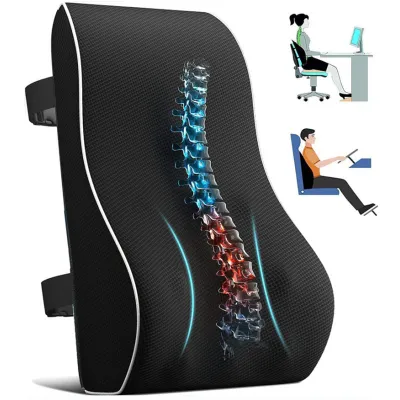
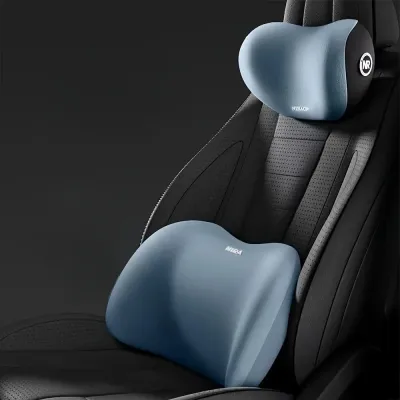
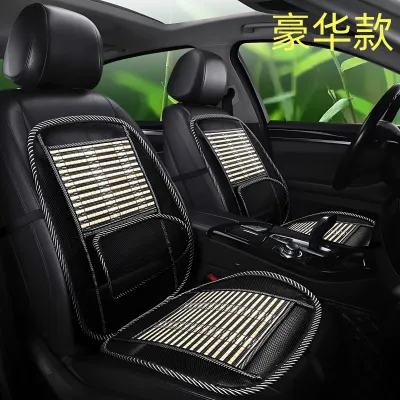
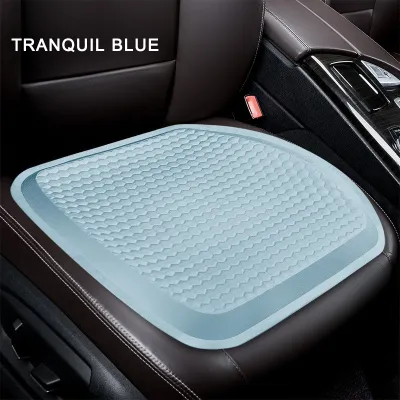
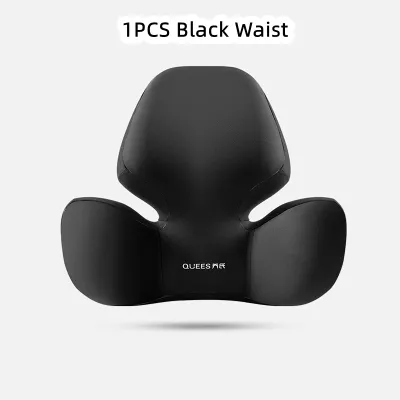
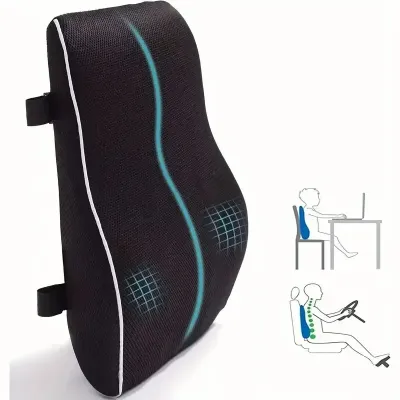
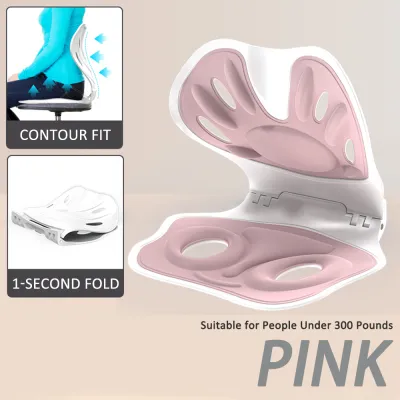
Prices are valid at publication and may change. Please refer to the product page for the latest price.
Comfort and Breathability: How Each Material Feels
The tactile sensation of your seat back cushion directly influences how fatigued you feel after an hour behind the wheel. Leather cushions provide a smooth, substantial feel that many drivers associate with luxury. However, leather is highly conductive when it comes to temperature. In tropical climates or during hot afternoons, a car parked in the sun will cause a leather cushion to absorb and retain intense heat, making it uncomfortable until the cabin air conditioning fully cools the interior. Perforated leather options mitigate this slightly by allowing minimal air movement, but they still lack active ventilation.

Fabric cushions offer a highly stable, neutral temperature profile. They do not become excessively hot in the sun, nor do they feel freezing cold on chilly mornings. The soft, woven texture provides immediate comfort without requiring a cooling-off period. However, fabric is naturally insulating. Over extended journeys, thick fabric weaves tend to trap your body heat against the seat back, which can eventually lead to a warm, stuffy sensation during long commutes.
Mesh cushions are engineered specifically to address heat retention. Utilizing an open-weave, suspended design, mesh allows air to circulate freely between your back and the seat structure. This continuous airflow is highly effective at preventing perspiration and keeping your clothing dry, making it a popular choice for drivers in humid regions.
Before choosing a thick, heavily padded cushion, evaluate your vehicle’s existing climate control setup. If your car is equipped with active seat ventilation, a dense leather or thick fabric cushion will block the airflow entirely, rendering your vehicle’s built-in luxury features useless. In such cases, a highly breathable mesh cushion or a thin, perforated alternative is necessary to preserve the seat’s original cooling functions.
Durability, Maintenance, and Daily Cleaning
A seat back cushion is subjected to constant friction, body weight, and potential spills, making durability and ease of cleaning critical selection factors. Leather is exceptionally durable and naturally resistant to liquid spills. If you accidentally spill coffee or water, a quick wipe with a damp microfiber cloth is usually all that is required to restore the surface. However, leather requires periodic maintenance to preserve its flexibility. Without occasional application of a dedicated leather conditioner, the material can dry out, crack, or peel over time, particularly when exposed to direct sunlight through the car windows.
Fabric cushions are highly susceptible to absorbing liquids, sweat, and environmental odors. If a spill occurs, the liquid quickly penetrates the fibers, which can lead to deep-seated stains and persistent musty smells if not treated immediately. Cleaning fabric requires regular vacuuming to remove dust and pet hair, along with the occasional use of specialized upholstery cleaners or fabric shampoos. Some fabric cushions feature removable, machine-washable covers, which greatly simplifies long-term maintenance.
Mesh cushions are highly resilient against liquid absorption because the synthetic fibers do not easily soak up moisture. However, the open-weave structure presents a different cleaning challenge. The tiny gaps in the mesh grid can easily trap dust, crumbs, hair, and small debris over time. To clean a mesh cushion, you will need to shake it out vigorously, use compressed air to blow out trapped particles, or vacuum it thoroughly using a brush attachment.
Regardless of the material you select, always consult the manufacturer’s care label before applying any chemical cleaners. Using the wrong solvent can degrade synthetic mesh fibers, strip the protective coating off leather, or cause dyed fabrics to bleed and discolor.
Aesthetics and Matching Your Car Interior
Visual integration is key to ensuring your aftermarket seat back cushion does not look out of place inside your cabin. Leather cushions are unmatched when it comes to creating a cohesive, premium look. If your vehicle already features a leather interior, matching the cushion’s color and texture can create an “OEM-plus” aesthetic, making the cushion look like an original part of the car’s design. This makes leather highly suitable for executive sedans, luxury SUVs, and professional transport vehicles.
Fabric cushions provide the greatest design flexibility. They are available in an extensive range of colors, patterns, and textures, allowing you to either match your existing cloth seats or introduce a bold, sporty accent to the cabin. Whether you want a subtle charcoal weave to blend in or a vibrant pattern to personalize your space, fabric offers the most creative freedom.
Mesh cushions lean heavily toward a utilitarian, functional, or sporty appearance. The technical look of stretched mesh and plastic or metal framing fits well in modern commuter cars, utility vans, or sports-themed interiors. However, a highly technical mesh cushion can easily clash with the classic elegance of a luxury wood-and-leather cabin.
When selecting dyed fabrics or colored leather, consider the color fastness of the material. Intense sunlight streaming through the windshield can cause cheap dyes to fade rapidly. Furthermore, ensure that the backing material of the cushion—especially if it features non-slip rubber dots—will not react chemically with your original seats and cause permanent discoloration or damage.
Final Decision Framework: Match Material to Your Driving Profile
To make the final choice, evaluate your daily driving habits against these common profiles:
- Daily Commuters in Warm Climates: If you spend hours in slow-moving traffic under high humidity, prioritize a mesh seat back cushion. The superior ventilation will keep you dry and comfortable, preventing the dreaded "sweaty back" syndrome before you arrive at the office.
- Families and Pet Owners: If your back seat frequently hosts children, pets, or sports gear, leather or treated, stain-resistant fabric is the most practical choice. The ability to quickly wipe away mud, spilled juice, and pet hair saves significant cleaning time.
- Long-Distance Drivers: For those who spend entire days on the highway, ergonomic support is paramount. Look for a high-density foam cushion wrapped in a breathable fabric or a high-tension mesh that provides both structural lumbar support and consistent temperature regulation over several hours.
- Safety and Compatibility Check: Before finalizing your purchase, ensure the cushion's mounting straps do not obstruct the deployment zones of your seat's side-impact airbags. Never route straps in a way that interferes with seatbelt buckles or the seat's manual adjustment levers. If you are unsure about airbag locations, consult your vehicle's owner manual.
Whether you are looking at budget-friendly mesh options around S$20 or investing in premium ergonomic leather supports that cost upwards of S$100, matching the material to your lifestyle ensures long-term satisfaction.
Frequently Asked Questions (FAQ)
Will a seat back cushion interfere with my car's side airbags?
Yes, a poorly designed or improperly installed seat back cushion can seriously interfere with the deployment of side-impact airbags. Many modern vehicles feature side airbags housed directly inside the outer bolsters of the front seatbacks. If a cushion uses thick, wrap-around sleeves or wide elastic bands that cover these outer edges, it can delay or completely block the airbag from inflating during a collision. Always consult your vehicle’s owner manual to locate the exact airbag deployment zones. When shopping, choose cushions that utilize thin, targeted straps rather than full-seat covers, or look for models explicitly certified as airbag-compatible.
How do I secure a seat back cushion so it doesn't slide down?
To prevent a seat back cushion from shifting or sliding down during entry and exit, look for models equipped with robust, adjustable strapping systems. High-quality cushions typically feature a combination of vertical and horizontal straps with durable buckles, along with non-slip silicone backing on the rear surface. When installing, route the straps carefully through the gap between the seat cushion and the backrest, and secure them around the headrest posts or the seat frame. Avoid over-tightening elastic bands, as this can cause them to lose elasticity prematurely or pinch the original upholstery. Mesh cushions often rely on high-tension spring frames and simple hooks, whereas fabric and leather cushions generally utilize adjustable nylon straps.

Community discussion
Share your experience or ask a question. Comments are reviewed before publication.