
Selecting the ideal car seat headrest cover requires balancing daily driving comfort, interior styling, and long-term maintenance. In a tropical climate characterized by year-round high temperatures and humidity, the material resting against your neck and head plays a significant role in your overall driving experience. The optimal choice is not universal; rather, it depends on where you park, how much effort you wish to dedicate to cleaning, and the design of your existing seats.
To find the right fit, you must evaluate how different materials handle heat, moisture, and wear. Mesh covers excel at facilitating continuous airflow, making them highly suitable for vehicles parked in open, sun-exposed lots. Fabric covers offer a soft, cushioned feel that absorbs light sweat, though they require regular washing to stay fresh. Leather and synthetic alternatives provide a sleek, premium appearance and are incredibly easy to wipe clean, though they tend to retain heat when exposed to direct sunlight. Understanding these distinct characteristics will help you choose a cover that enhances both your comfort and your car’s interior.
Understanding Leather, Fabric, and Mesh Materials
Every headrest cover material is engineered differently, resulting in unique physical properties, texture profiles, and maintenance requirements. Before purchasing, it is helpful to look closely at how these materials are manufactured and how they behave under daily use.
Products mentioned in this guide
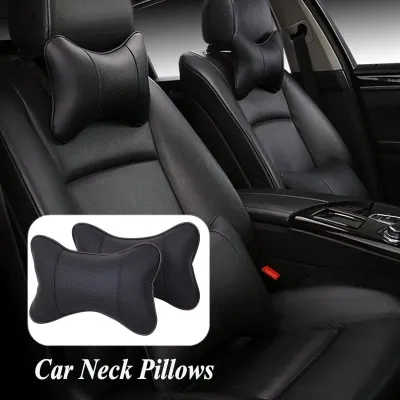
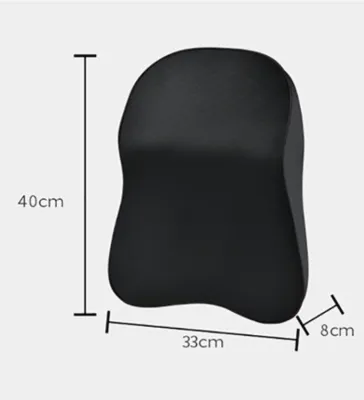
![[SG STOCK]Memory Foam Car Neck Pillow – Ergonomic Headrest & Back Cushion Support for Auto Seat Neck Head & Waist Protection](https://img.lazcdn.com/g/p/2e1ec806723b87902d2b5a3a2b3099be.png_400x400q80.png_.webp)
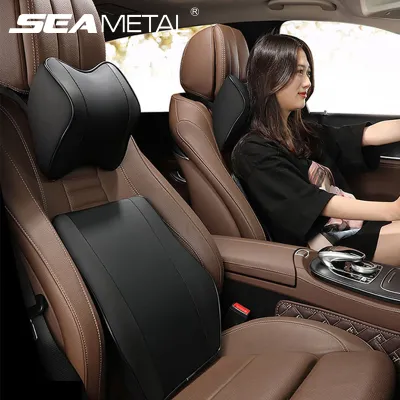
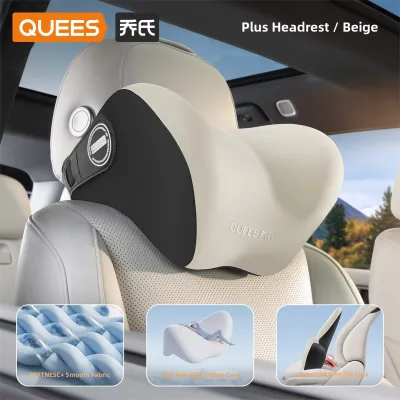
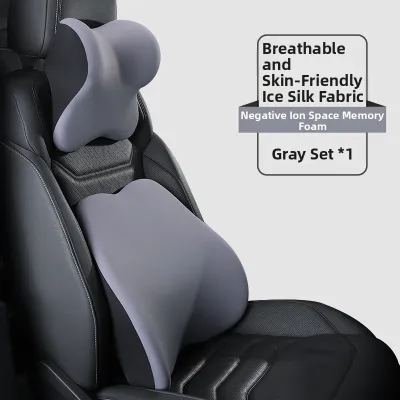
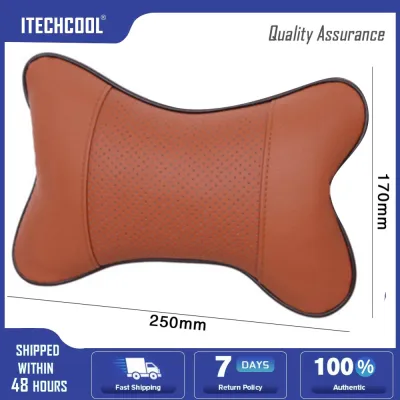
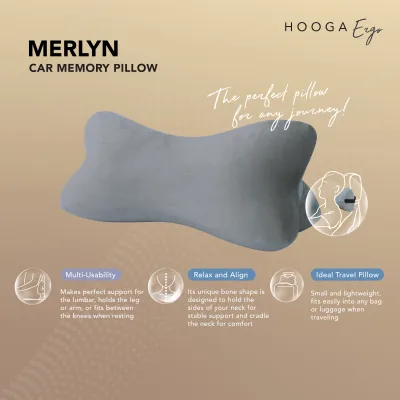
Prices are valid at publication and may change. Please refer to the product page for the latest price.
Leather and Synthetic Leather (PU/PVC)
Leather headrest covers generally fall into two categories: genuine animal hide or synthetic alternatives like Polyurethane (PU) and Polyvinyl Chloride (PVC). Genuine leather offers natural durability and a distinct texture, but it requires periodic conditioning to prevent drying and cracking in warm climates. Synthetic leather, often referred to as faux leather or leatherette, is engineered to mimic the look and feel of genuine hide at a more accessible price point. Both options feature a non-porous surface that prevents liquids, sweat, and hair oils from penetrating the underlying cushion.
This protective barrier makes leather exceptionally easy to maintain, as most surface dirt can be cleared with a simple wipe. However, the lack of porosity means that solid, non-perforated leather covers do not allow air to circulate. When a vehicle is parked in direct sunlight, the material absorbs infrared radiation, causing the surface temperature to rise significantly. Upon entering the vehicle, you may find the headrest uncomfortably hot to the touch until the air conditioning cools the cabin.
When shopping for leather or synthetic options, always check the product specifications for UV-resistant treatments. These chemical stabilizers help protect the polymers from breaking down under intense sunlight, reducing the risk of premature peeling or fading. Additionally, look for perforated leather designs, which feature tiny punctures across the surface to slightly improve heat dissipation and reduce skin stickiness.
Fabric and Cloth Blends
Fabric headrest covers are typically woven from polyester, nylon, cotton, or a blend of synthetic and natural fibers. These materials are favored for their soft tactile feel, providing a plush, cushioned surface that feels immediately comfortable against the skin. Unlike leather, fabric does not get excessively hot or cold when exposed to temperature extremes, offering a neutral and welcoming feel the moment you sit in your car.
Because fabric is naturally porous, it can absorb light perspiration and oils from your hair and neck during long drives. While this absorption prevents moisture from pooling on your skin, it means the fibers will gradually accumulate sweat, dust, and microscopic skin cells over time. If left uncleaned, untreated fabrics can develop unpleasant odors and become a breeding ground for bacteria, particularly in humid environments where moisture evaporates slowly.
To mitigate these maintenance challenges, many modern fabric covers are treated with stain-resistant coatings that repel liquids temporarily, allowing you to blot away spills before they sink in. When selecting a fabric cover, prioritize designs that are easily removable and carry machine-washable labels. Regular washing ensures the headrest remains hygienic and free of musty smells.
Breathable Mesh
Mesh headrest covers are constructed using an open-weave pattern, often utilizing synthetic fibers like polyester or nylon. Many high-quality options feature a 3D spacer mesh structure, which consists of two layers of fabric separated by a micro-filament joint layer. This unique three-dimensional design creates a physical air gap that allows air to flow freely in all directions, preventing heat and moisture from becoming trapped against your head.
This continuous ventilation makes mesh highly effective at regulating temperature, especially during midday drives when solar heat gain is at its peak. By allowing body heat to escape, mesh minimizes neck sweat and keeps you feeling dry. However, because the material is designed for airflow rather than plushness, it can feel slightly textured or rough against bare skin compared to smooth leather or soft velour. Drivers who prefer a highly cushioned, sink-in feel may find mesh to be firmer than expected.
Additionally, the open-weave structure that makes mesh so breathable also makes it prone to trapping fine debris. Dust, pet hair, and small crumbs can slip into the tiny pores of the mesh, making surface wiping ineffective. Cleaning mesh covers typically requires a vacuum cleaner with a brush attachment or a firm shaking to dislodge embedded particles from the weave.
Evaluating Comfort, Durability, and Interior Compatibility
Choosing the right material requires evaluating how these covers perform under real-world driving conditions, particularly regarding climate adaptability, wear resistance, and visual integration with your car’s existing cabin design.

Comfort and Climate Adaptability
In tropical regions where high humidity and intense sunshine are daily realities, thermal comfort is a primary consideration for any car accessory. A vehicle parked outdoors in an open lot can quickly become a greenhouse, with interior surfaces absorbing immense heat. Under these conditions, a solid leather headrest cover will retain heat and feel sticky against the back of your neck, requiring you to run the air conditioning for several minutes before the surface becomes comfortable.
Fabric covers provide a more stable baseline temperature, as they do not absorb heat as intensely as leather. However, in high-humidity environments, fabric can sometimes feel slightly damp if the vehicle’s cabin has been exposed to ambient moisture overnight. Once you begin driving, the fabric will absorb neck sweat, which may feel uncomfortable on longer journeys if the air conditioning is not set to a low temperature.
Mesh excels in these specific climate challenges by facilitating passive cooling. Even before the car’s climate control system fully lowers the cabin temperature, the open structure of a mesh cover allows air to pass through, helping to dry any initial perspiration. If you frequently park in uncovered areas or find yourself sweating during your commute, mesh provides the most immediate relief from heat buildup.
Durability, Stains, and Maintenance
Long-term durability and ease of cleaning vary significantly across the three material types. Leather is highly resilient against physical wear and is virtually immune to liquid stains if spills are addressed promptly. For families with young children, pet owners, or drivers who frequently consume drinks in the vehicle, leather offers unmatched convenience. A quick wipe with a damp microfiber cloth is usually all that is needed to restore its appearance.
Fabric covers require a more active maintenance routine to preserve their appearance and hygiene. Because sweat and hair products transfer directly onto the cloth, the cover must be removed and washed periodically to prevent staining and fabric degradation. Over time, friction from your head can also cause lower-quality fabrics to pill or fray, particularly along the seams.
Mesh covers are highly durable and resistant to tearing, but they present a unique cleaning challenge due to their porous nature. While they do not stain as easily as light-colored fabrics, they act as a filter for airborne dust and hair. To maintain a mesh cover, you must regularly vacuum the material or use a soft-bristled brush to sweep out debris from the micro-cavities. Always consult the manufacturer’s care instructions before applying any liquid cleaners, as harsh chemicals can degrade the synthetic fibers.
Aesthetics and Seat Cover Compatibility
Your headrest covers should complement the overall aesthetic of your vehicle’s cabin rather than looking like an afterthought. Leather covers naturally align with premium, luxury, or factory leather interiors, creating a cohesive and sophisticated look. If your car has leather seats, adding a matching leather headrest cover preserves the clean lines and uniform texture of the cabin.
Fabric covers are highly versatile and suit casual, utilitarian, or older cloth interiors. They are available in a wide variety of colors and patterns, allowing you to add a subtle accent or match the original seat upholstery closely. Mesh covers, on the other hand, convey a sporty, modern, or high-tech aesthetic, often matching well with performance-oriented interiors or vehicles equipped with sporty seat designs.
Beyond visual style, you must consider the attachment mechanism of the cover. Most aftermarket headrest covers secure using elastic bands, zippers, or hook-and-loop (velcro) straps. A poorly designed attachment can cause the cover to slip, bunch up, or look excessively bulky. Ensure the cover’s mounting style is compatible with your headrest’s shape and can be fastened tightly to prevent movement while driving.
Quick Comparison Matrix
This comparison matrix provides a quick reference to help you evaluate the core performance characteristics of each material side by side.
| Material | Heat Retention (When Parked) | Breathability | Cleaning Ease | Tactile Feel | Best Suited For |
|---|---|---|---|---|---|
| Leather & Synthetic | High | Low | Easy (Wipe clean) | Smooth & Firm | Premium interiors, shaded parking, families seeking spill protection |
| Fabric & Cloth | Medium | Medium | Moderate (Requires washing) | Soft & Cushioned | Drivers seeking plush comfort, budget-conscious commuters |
| Breathable Mesh | Low | High | Moderate (Requires vacuuming) | Textured & Springy | Hot/humid climates, outdoor parking, maximum airflow |
How to Choose Based on Your Driving Habits
To make your final decision, consider your daily driving routine, typical parking environments, and personal comfort preferences. Use this conditional framework to identify the material that aligns with your lifestyle:
- Choose Mesh if: You frequently park your vehicle in outdoor, sun-exposed lots, prioritize maximum airflow to prevent sweating, and prefer a sporty aesthetic. Mesh is highly effective at keeping your head and neck cool in hot, humid climates.
- Choose Fabric if: You prefer a soft, highly cushioned surface, want a material that feels temperature-neutral upon entering the car, and do not mind removing the cover periodically for machine washing.
- Choose Leather if: Your car has a premium leather interior that you want to match, you require quick wipe-clean maintenance to handle spills, and you primarily park in shaded, indoor, or multi-story car parks.
- Verify first if: Your vehicle features non-standard headrest shapes, integrated monitors, or active safety systems. Always check your vehicle's documentation to ensure the cover's dimensions and mounting straps will fit securely without obstructing any built-in features.
Installing and Maintaining Your Headrest Covers
Proper installation is essential to ensure your headrest covers look neat, remain secure, and do not interfere with your driving comfort or safety. To install a standard slip-on cover, begin by raising the headrest slightly to expose the metal mounting posts. Align the cover over the top of the headrest, slide it down evenly to avoid stretching the seams, and secure any bottom straps, zippers, or velcro fasteners snugly around the base.
Before attempting to remove your headrests entirely for installation, consult your vehicle’s owner’s manual. Many modern vehicles are equipped with active head restraints or integrated electrical wiring for entertainment screens and safety sensors. Attempting to force a headrest off its tracks without following the manufacturer’s specified release procedure can damage these sensitive electronic systems or compromise your vehicle’s safety mechanisms.
For ongoing maintenance, follow a routine tailored to your chosen material. Wipe leather covers weekly with a damp microfiber cloth and apply a dedicated leather conditioner every few months to keep the material supple. Vacuum fabric and mesh covers regularly using a upholstery brush attachment to prevent dust buildup, and wash removable fabric covers according to their care labels to keep your cabin smelling fresh.
Frequently Asked Questions (FAQ)
Can headrest covers interfere with active head restraints or airbags?
Yes, poorly fitted, rigid, or excessively bulky aftermarket headrest covers can interfere with critical safety systems. Many modern vehicles feature active head restraints (AHR) designed to move forward automatically during a rear-end collision to cradle the head and reduce the risk of whiplash. If a cover is too tight, lacks stretch, or wraps around the mechanical components at the base of the headrest, it can restrict this safety movement.
Additionally, some vehicles have side-curtain airbags or seat-integrated airbags that deploy near the upper seat area. To maintain optimal safety, always consult your vehicle’s owner’s manual before installing any aftermarket accessories. Choose slim, flexible, and properly sized covers that wrap snugly around the cushion without blocking the mounting posts, adjustment buttons, or any visible safety sensors and deployment paths.

Community discussion
Share your experience or ask a question. Comments are reviewed before publication.