
Quick Guide: Which Material Fits Your Driving Needs?
Navigating daily commutes or long drives can quickly turn from a routine task into a physically taxing experience when your car seat lacks proper lumbar support. Over time, inadequate posture support leads to lower back fatigue, muscle tension, and general discomfort behind the wheel. Introducing an aftermarket back cushion is one of the most straightforward ways to upgrade your driving ergonomics, but the sheer variety of materials can make the choice surprisingly complex.
To find the right fit for your daily drive, your selection should align with your cabin’s climate, your maintenance habits, and your aesthetic preferences. Here is a quick, conditional framework to help you decide:
- Choose Breathable Mesh if your priority is maximum airflow, cooling, and preventing sweat buildup during long drives in warm weather.
- Choose Fabric if you prefer a soft, cozy texture, temperature neutrality, and a wide variety of patterns to match a casual interior.
- Choose Leather (or premium PU leather) if you want a sleek, formal look, easy wipe-clean maintenance, and a smooth surface feel.
Ultimately, the ideal material is not a one-size-fits-all solution. It depends heavily on how you manage your car’s climate control, how much effort you want to dedicate to cleaning, and the visual style you want to project.
Products mentioned in this guide
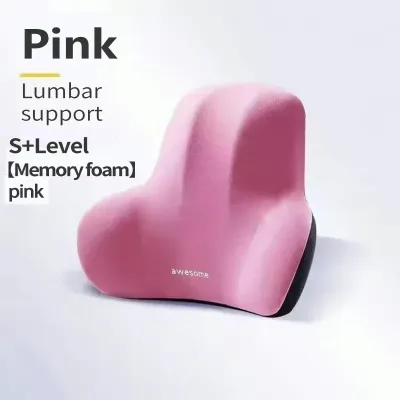
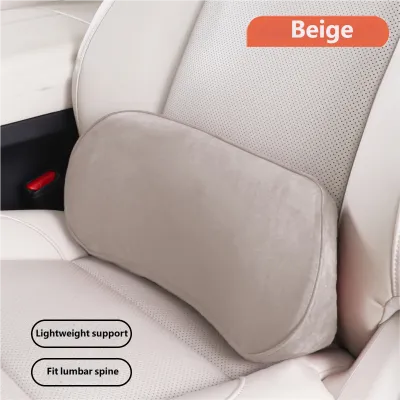
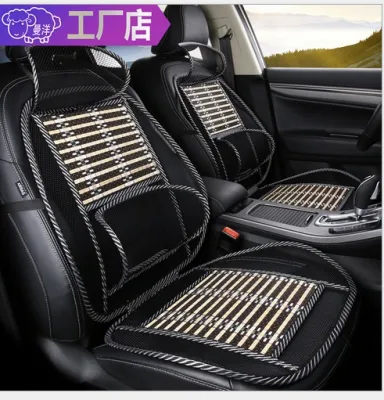
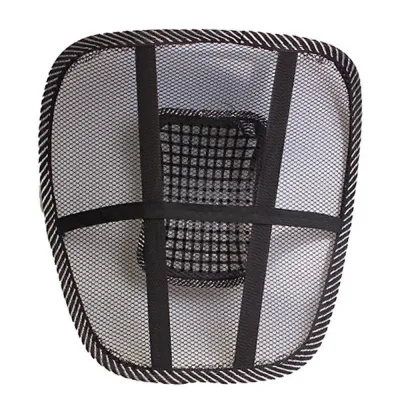
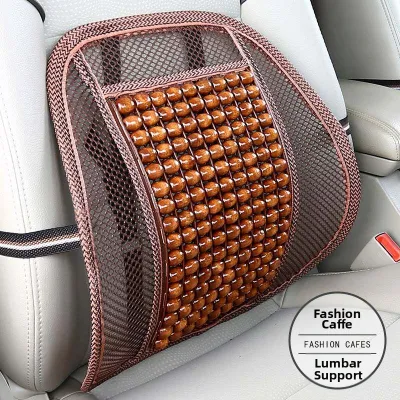
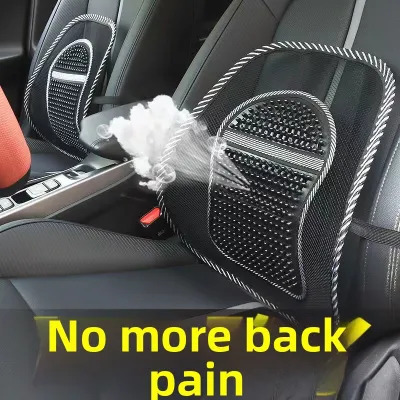
Prices are valid at publication and may change. Please refer to the product page for the latest price.
Comfort and Breathability for Daily Commutes
When evaluating a back cushion, comfort and breathability are the most critical factors for daily driving satisfaction. The material you choose directly dictates how heat and moisture are managed between your back and the seat backrest. Because drivers spend extended periods pressed against these surfaces, understanding the thermal and tactile properties of each material is essential.

Breathable Mesh: Airflow and Cooling
Mesh back cushions are engineered with an open-weave pattern that allows air to flow freely through the support structure. This design is exceptionally effective at preventing the accumulation of body heat and moisture, making it a popular choice for drivers in tropical climates or those who tend to run warm. By facilitating continuous ventilation, mesh helps keep your back dry and comfortable, even during long midday journeys.
However, the tactile experience of a mesh cushion differs significantly from padded alternatives. Because mesh relies on tension across a rigid or semi-rigid internal frame to provide support, it offers a firmer, springier feel. Rather than sinking into a plush cushion, you rest against a supportive, taut surface. This structural design ensures the cushion maintains its shape and airflow properties under pressure, though it may feel less cozy than traditional foam-filled options.
For drivers seeking a middle ground, some manufacturers offer 3D spacer mesh. This material uses a three-dimensional knit structure with micro-filaments sandwiched between outer mesh layers. It provides a slightly softer, more cushioned feel than single-layer mesh while still preserving excellent airflow characteristics.
Fabric: Softness and Temperature Neutrality
Woven fabric cushions offer a classic, inviting feel characterized by immediate softness and a gentle touch. Unlike materials that can feel stiff or slick, fabric provides a cozy, cushioned interface that conforms naturally to the contours of your body. This makes fabric highly appealing if you prefer a traditional, padded support system that feels like an extension of home furniture.
Another major benefit of fabric is its natural temperature neutrality. When you step into a car that has been parked in direct sunlight, fabric surfaces generally do not retain extreme heat or become uncomfortably cold to the touch. This makes them highly reliable for vehicles parked in open-air lots where cabin temperatures can spike rapidly.
However, it is worth noting that thicker woven textiles can trap and hold body heat over prolonged periods. Synthetic fabrics like polyester are highly durable but offer limited breathability, whereas natural cotton or linen blends breathe better but may wear out faster. Without active ventilation, a dense fabric cushion may eventually feel warm against your back during extended drives.
Leather: Smooth Feel and Heat Sensitivity
Leather and premium synthetic alternatives project an undeniable sense of luxury and refinement. The smooth, supple surface of high-quality leather provides a frictionless feel that allows you to slide in and out of the driver’s seat with ease. For many drivers, the tactile feedback of genuine or premium faux leather is unmatched in terms of sophistication and comfort.
The primary trade-off with leather is its sensitivity to temperature and lack of natural ventilation. In warm, humid environments, or after your vehicle has been parked under the sun, solid leather surfaces can become exceptionally hot and sticky. This can lead to localized sweating and discomfort if your cabin’s air conditioning takes time to cool down.
To mitigate this issue, many manufacturers offer perforated leather designs. These cushions feature tiny punctures across the contact surface to allow a modest amount of air exchange. While perforated leather improves breathability compared to solid leather, it still cannot match the open airflow provided by a dedicated mesh cushion.
Durability, Cleaning, and Long-Term Wear
A car back cushion is subjected to constant friction, compression, and exposure to environmental elements like sunlight and dust. Evaluating how each material holds up over months of daily use—and understanding the specific care required to maintain them—will ensure your investment remains supportive and hygienic. Always consult the manufacturer’s care label on your specific cushion before applying any cleaning solutions or treatments.
Leather and Faux Leather: Wipe-Clean Convenience
One of the greatest practical advantages of leather and synthetic PU leather is their resistance to liquid penetration. Spills, sweat, and surface dust do not soak into the material; instead, they sit on the surface, allowing you to wipe them away effortlessly with a damp microfiber cloth. This makes leather an excellent choice for drivers who frequently drink coffee on the go or want a low-effort cleaning routine.
Despite this convenience, leather requires specific long-term care to prevent premature aging. Genuine leather is organic and can dry out, stiffen, or crack over time if it is not treated with a dedicated leather conditioner periodically. When applying conditioner, always use a product authorized for your specific leather type, test it on a small, hidden area first, and follow the manufacturer’s instructions.
Synthetic leather, while requiring less conditioning, is highly vulnerable to intense ultraviolet (UV) radiation. Prolonged exposure to direct sunlight can cause the polyurethane top layer to degrade, leading to peeling, flaking, and unsightly wear that cannot be easily repaired. Avoid using harsh household detergents or alcohol-based wipes, as these can strip away protective coatings and accelerate material breakdown.
Fabric: Stain Resistance and Washing
Fabric cushions excel in structural flexibility but are highly susceptible to absorbing liquids, sweat, and odors. Spilled beverages can quickly penetrate the fibers, leading to deep-seated stains and potential bacterial growth if not addressed promptly. Additionally, the textured weave of fabric tends to trap fine dust particles, pet hair, and lint, requiring regular maintenance to keep the interior cabin fresh.
To offset these vulnerabilities, many high-quality fabric cushions are designed with removable outer covers featuring zippered closures. This allows you to easily strip off the cover and toss it into a washing machine for a thorough, deep clean. To prevent shrinkage or damage, zip the cover closed before washing, use a gentle cycle with cold water, and air dry the cover completely before refitting it over the foam core.
While some fabric cushions come treated with temporary stain-resistant coatings, these chemical barriers gradually wear off after multiple wash cycles. Regular vacuuming and prompt spot-cleaning with a mild, material-safe fabric cleaner are essential to preserving the appearance and hygiene of a fabric cushion over its lifespan.
Mesh: Snagging and Structural Integrity
Mesh is highly resilient against stretching and sagging under normal use, but its open-weave structure presents unique wear-and-tear challenges. The delicate loops of the mesh fabric are highly vulnerable to snagging on sharp objects, such as keys, pocket rivets, velcro fasteners, or pet claws. A single significant snag can unravel a portion of the weave, compromising both the aesthetic appeal and the structural tension of the cushion.
Cleaning a mesh cushion also requires a different approach than wiping or machine washing. Dust, lint, and dead skin cells can settle deep inside the tiny hexagonal openings of the mesh, making them difficult to remove with a simple wipe. To keep a mesh cushion clean, you must regularly vacuum the surface using a soft brush attachment to draw out trapped debris.
Furthermore, because mesh cushions rely on an internal metal or plastic frame to maintain their shape, their ultimate lifespan is often determined by the durability of this frame rather than the mesh fabric itself. If the frame bends, warps, or loses its tension over time, the cushion will no longer provide adequate lumbar support, necessitating a complete replacement.
Aesthetics and Matching Your Car Interior
Beyond physical comfort, a back cushion should visually complement your vehicle’s cabin. An mismatched accessory can disrupt the design flow of your interior, making the space feel cluttered or uncoordinated. Choosing a material that aligns with your car’s existing upholstery and overall design theme helps maintain a clean, cohesive look.
Leather cushions are the natural choice for executive sedans, luxury SUVs, and formal interiors. They offer a streamlined, professional appearance that integrates seamlessly with factory leather seats, especially if you match the color and stitching details. A well-fitted leather cushion looks like an integrated, premium upgrade rather than an aftermarket afterthought.
Fabric cushions provide the greatest versatility in terms of colors, patterns, and textures. They are ideal for casual, family-oriented, or highly personalized vehicles where you want to introduce a cozy, warm aesthetic or add a pop of color. Fabric allows you to express personal style, though care should be taken to choose shades that harmonize with the rest of the cabin.
Mesh cushions project a distinctly utilitarian, sporty, or ergonomic aesthetic. They look right at home in modern, tech-focused vehicles or sporty hatchbacks where functional design is celebrated. However, a mesh cushion with a visible plastic frame can look out of place in a highly luxurious, classic, or wood-trimmed cabin, where it may clash with the traditional materials.
When selecting colors, consider the practical trade-offs of light versus dark shades. Darker colors are highly effective at concealing dirt, dust, and minor stains, but they absorb more solar heat when parked outside. Light-colored cushions can help keep the cabin feeling airy and absorb less heat, but they show dirt, sweat marks, and dye transfer from clothing (such as blue jeans) very quickly. Regardless of the color you choose, verify the UV-resistance specifications on the product label to ensure the material will not fade or discolor under constant exposure to sunlight through your car windows.
Decision Matrix: Matching Material to Your Lifestyle
To help you synthesize these factors and make an informed decision, the following matrix compares the three primary back cushion materials across key performance dimensions:
| Material | Best For | Maintenance Effort | Heat Management | Ideal Cabin Style |
|---|---|---|---|---|
| Breathable Mesh | Hot climates, heavy sweaters, maximum airflow | Moderate (requires vacuuming) | Excellent (maximum ventilation) | Modern, sporty, utilitarian |
| Fabric | Softness, casual comfort, temperature neutrality | High (requires washing/vacuuming) | Moderate (can retain heat over time) | Casual, family, personalized |
| Leather / PU | Luxury cabins, easy cleaning, executive look | Low (simple wipe-clean) | Poor to Moderate (perforated helps) | Executive, luxury, formal |
Before finalizing your purchase, work through this essential checklist to ensure the cushion is safe, compatible, and functional for your specific vehicle:
- Dimensions and Fit: Verify the vehicle model, year, interface, dimensions, and mounting position from the specific product and vehicle documentation. Never infer compatibility from a generic category term. Measure your car seat's backrest and compare it to the cushion's specifications. A cushion that is too wide may not sit flat against the seat bolsters, while one that is too thick can push your hips too far forward. This reduces thigh support, alters your driving posture, and can bring your head dangerously close to the roof or steering wheel. Ensure the cushion does not interfere with the adjustment of your headrest.
- Safety and Airbag Clearance: This is a critical safety boundary. Many modern vehicles feature side airbags integrated into the outer bolsters of the front seats. If your back cushion uses thick straps that wrap entirely around the seat backrest, or if the cushion itself is wide enough to cover the airbag deployment seams, it can delay or completely block the airbag from deploying during a collision. Always check your vehicle's owner manual to locate the side airbag deployment zones. Only purchase cushions that sit strictly within the inner boundaries of the seat or are explicitly certified by the manufacturer as side-airbag compatible.
- Strap Security: A back cushion must remain firmly anchored in place. Look for models featuring robust, adjustable straps and a non-slip backing material. If a cushion shifts, slides, or sags during sudden braking or sharp turns, it can distract you or interfere with your control of the vehicle, creating a serious driving hazard.
Frequently Asked Questions (FAQ)
Can I use a mesh back cushion on seats with side airbags?
Yes, but only if the cushion is designed to avoid interfering with the airbag deployment zones. Any aftermarket accessory that wraps thick elastic straps around the outer bolsters of your seat can obstruct the path of seat-mounted side airbags. Before installing any cushion, consult your vehicle’s owner manual to identify exactly where the side airbags deploy. Choose a cushion that secures via vertical straps, sits entirely within the center panel of the seat, or is explicitly certified as airbag-safe by the manufacturer.
Does leather peel over time in a hot car?
Genuine leather does not peel, but prolonged exposure to intense heat and UV rays can cause it to dry out, stiffen, and eventually crack if it is not regularly conditioned. On the other hand, synthetic leather (such as PU or PVC) is highly susceptible to peeling and flaking over time. The heat inside a parked car can break down the adhesive bonds and the polyurethane top layer of synthetic materials, causing them to separate from their fabric backing. To extend the lifespan of any leather or synthetic cushion, use a high-quality windshield sun shade to block direct sunlight when your vehicle is parked.

Community discussion
Share your experience or ask a question. Comments are reviewed before publication.