
Selecting the right baby car seat cover material is a balancing act between your child’s comfort, how easily you can clean up inevitable messes, and the long-term durability of the product. In warm, tropical climates like Singapore, where high humidity and intense sunlight are daily realities, this choice becomes even more critical for your child’s well-being during car journeys. There is no single material that excels in every category; instead, leather, fabric, and breathable mesh each offer distinct advantages depending on your family’s lifestyle and vehicle setup.
To make an informed decision, you must evaluate how each material handles heat, resists stains, and stands up to daily wear. A cover that is incredibly soft but absorbs liquids instantly might create extra laundry stress, while a highly durable, wipe-clean cover might retain too much heat if your car is frequently parked in the sun. By understanding the practical trade-offs of each material, you can select a cover that keeps your child safe, cool, and comfortable.
Understanding Your Priorities: Comfort, Cleanability, and Durability
When evaluating baby car seat covers, comfort is closely tied to breathability and temperature regulation. Young children and infants cannot regulate their body temperatures as efficiently as adults, making them highly susceptible to overheating. In a warm climate, a car interior can heat up rapidly when parked outdoors. A cover material that traps heat against your baby’s skin can lead to discomfort, fussiness, and heat rash, turning short drives into stressful experiences.
Products mentioned in this guide
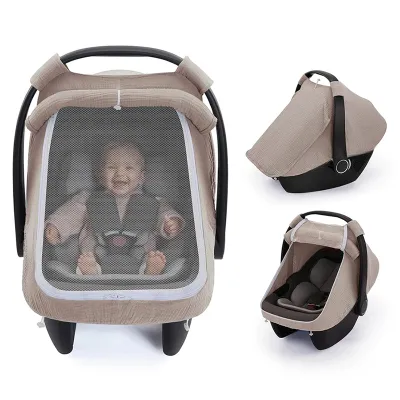
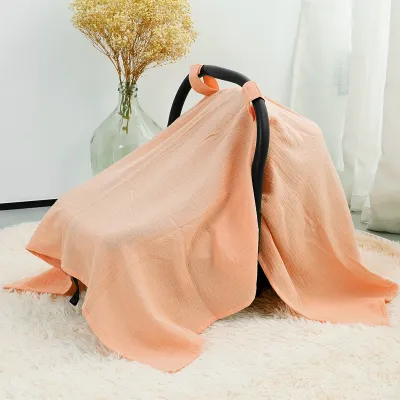
Prices are valid at publication and may change. Please refer to the product page for the latest price.
Cleanability is another major factor for parents managing daily commutes and weekend outings. From spilled milk and crushed snacks to diaper blowouts, a baby car seat is subjected to frequent and varied messes. Some materials allow you to quickly wipe away liquid spills with a damp cloth, while others absorb liquids immediately, requiring you to remove the entire cover for a thorough wash. Understanding how much time you can realistically dedicate to maintenance will help narrow down your choices.
Durability determines how well the cover resists wear, tear, and environmental degradation over time. The constant friction of securing your child into the harness, combined with the abrasive nature of crumbs and toys, can wear down fragile fabrics. Additionally, prolonged exposure to intense ultraviolet (UV) light through car windows can fade colors and weaken fibers. Investing in a durable material ensures the cover remains functional and safe throughout its intended lifespan.
Material Breakdown: Leather, Fabric, and Mesh
While many car seats come with standard covers, aftermarket options and replacement covers are available in a variety of materials. The three primary categories you will encounter are leather (including synthetic alternatives), traditional woven fabrics, and engineered breathable mesh. Each material behaves differently under daily use, and its ultimate performance depends heavily on manufacturing quality, material thickness, and adherence to safety standards.

Leather and Synthetic Leather Covers
Leather and synthetic leather (such as polyurethane or vegan leather) are highly regarded for their premium appearance and exceptional resistance to liquids. When a spill occurs, liquids pool on the surface rather than soaking into the padding beneath. This allows you to clean up milk, juice, or water with a quick wipe of a cloth or baby wipe, often without needing to remove the cover from the car seat.
However, leather has notable limitations regarding temperature control. In sunny environments, leather surfaces can absorb ambient heat and become hot to the touch, potentially causing discomfort or mild burns on sensitive skin if left uncovered. Synthetic leather can also feel sticky against bare skin and offers virtually no airflow, which may cause your child to sweat more during longer journeys. If you choose this material, always check the manufacturer’s label to ensure it is certified free from harmful chemicals and safe for direct contact with baby skin.
Fabric Covers
Traditional fabric covers, typically made from cotton, polyester, or blended fibers, are popular for their soft texture and gentle feel against sensitive skin. These materials provide a plush, cushioned surface that minimizes friction and chafing, making them highly comfortable for infants during long rides. Fabric covers also tend to remain neutral in temperature, avoiding the extreme heat retention associated with leather.
The primary drawback of fabric is its tendency to absorb liquids and trap odors. A spilled bottle or diaper leak will quickly penetrate the fibers, requiring prompt removal and washing to prevent mold growth and persistent smells. Before purchasing a fabric cover, always verify the care instructions on the product tag. Ensure the material is machine-washable, resistant to shrinkage, and compatible with low-heat drying to avoid altering its fit or structural integrity.
Breathable Mesh Covers
Breathable mesh covers are engineered specifically to maximize airflow and combat heat retention. Featuring an open-weave or 3D-honeycomb structure, mesh allows air to circulate freely between your child’s body and the seat cushion. This active ventilation helps dissipate body heat and evaporate sweat, keeping your baby noticeably cooler and drier during warm-weather travel.
Despite their cooling benefits, mesh covers offer minimal protection against liquid spills, as liquids will pass directly through the open pores and onto the car seat’s underlying foam. Mesh materials also tend to have less plush padding than thick fabric covers and can be prone to snagging on Velcro straps, toys, or sharp objects. When selecting a mesh cover, carefully inspect the structural integrity, seam strength, and edge finishing to ensure the material will not fray or unravel with regular use.
Safety and Compatibility Checks Before You Buy
Before purchasing any baby car seat cover, you must establish a strict safety boundary. The primary function of a car seat is to protect your child in the event of a collision, and aftermarket accessories can inadvertently compromise this protection. A cover that does not fit perfectly can interfere with the proper routing of the harness system, prevent buckles from latching securely, or obstruct side-impact protection zones.
Always check your original car seat manufacturer’s instruction manual and warranty terms before adding an aftermarket cover. Many manufacturers explicitly prohibit the use of third-party covers because they have not been crash-tested with that specific seat model. Using an unapproved cover can void your warranty and, more importantly, alter how the seat behaves during an impact. If you need a replacement, look for covers produced or officially approved by the original seat manufacturer.
Additionally, verify that any cover you consider meets relevant flame-retardancy standards. Original car seat materials are treated to resist ignition and slow the spread of fire, a critical safety feature that aftermarket covers must replicate. Look for clear certification labels on the product packaging. If a cover requires you to thread the harness straps through non-standard slots or alter the seat’s internal structure in any way, stop immediately and consult a certified child passenger safety technician or the manufacturer for guidance.
Decision Framework: Which Material Fits Your Family?
To choose the best material for your child, match your daily routine and vehicle environment to the strengths of each option:
- Choose leather or synthetic leather if your primary goal is effortless cleanup of liquid spills and crumbs, and your vehicle is equipped with highly effective air conditioning or is consistently parked in shaded, cool areas.
- Choose fabric if you prioritize maximum softness, plush cushioning, and a gentle texture for sensitive skin, and you do not mind removing the cover for regular machine washing when spills occur.
- Choose breathable mesh if your child sweats heavily, your car interior tends to run warm, or you frequently travel during the hottest parts of the day and want to maximize airflow to prevent overheating.
Regardless of the material you prefer, always prioritize safety by verifying that the specific cover model is explicitly approved, tested, and certified for compatibility with your exact baby car seat model before making a purchase.
Frequently Asked Questions (FAQ)
Can I use a regular car seat cover for a baby car seat?
No, you should never use a generic or adult-sized car seat cover on a baby car seat. Baby car seats require highly precise harness routing, buckle access, and side-impact clearance to function safely during a collision. Generic covers lack the specific, crash-tested cutouts required for infant harnesses, which can cause the straps to become misaligned, slack, or twisted. Using an incompatible cover can compromise the seat’s structural safety and put your child at serious risk.
How do I clean a baby car seat cover without damaging it?
To clean a baby car seat cover safely, always refer to the specific care label attached to the product. Most manufacturers recommend hand washing or using a gentle machine cycle with cold water and a mild, baby-safe detergent. Avoid using harsh chemical cleaners, bleach, or fabric softeners, as these can degrade the material’s flame-retardant properties and irritate your baby’s skin. Unless the label explicitly permits high-heat drying, air-dry the cover in a shaded area to prevent shrinkage and preserve its original shape.

Community discussion
Share your experience or ask a question. Comments are reviewed before publication.