
The choice between leather, fabric, and breathable mesh car seat cushions depends on your daily driving environment, maintenance preferences, and comfort priorities. If you face high humidity and intense cabin heat, breathable mesh offers excellent ventilation to prevent back sweat. For those prioritizing a premium aesthetic and effortless cleanup of spills, leather or synthetic leather is the ideal choice. Meanwhile, fabric cushions provide a soft, slip-resistant surface that remains temperature-neutral throughout the year. Selecting the right car cushion seat requires balancing these material traits against your typical commute length, passenger habits, and vehicle safety features.
Core Decision Criteria for Car Seat Cushion Materials
Evaluating a car cushion seat requires looking beyond aesthetics to understand how different materials perform under daily driving conditions. The first baseline metric is comfort and temperature regulation. In tropical climates like Singapore, a vehicle parked under direct sunlight experiences rapid cabin heat buildup. The cushion material acts as the primary interface between your body and the seat, either trapping this heat or allowing it to dissipate. A material that fails to regulate temperature can lead to discomfort and perspiration within minutes of driving.
Durability and friction are equally critical when assessing cushion materials. A car seat cushion must withstand constant sliding, weight shifting, and friction from clothing as you enter and exit the vehicle. Some materials hold their shape and position securely, while others might slide around, bunch up, or wear down prematurely. Furthermore, the material must provide enough surface friction to keep the driver stable during turns, reducing muscle fatigue over long journeys.
Products mentioned in this guide
![[SG INSTOCK] Seat Cushion Memory Foam Orthopedic Pressure Relief Car Home Soft Office Chair Pad Wheelchair for Tailbone Sciatica Back Pain Relief](https://img.lazcdn.com/g/p/005adf43d933a7c5edf0e3585d56492d.jpg_400x400q80.jpg_.webp)
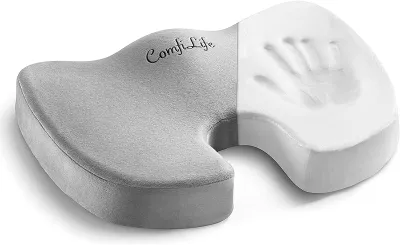
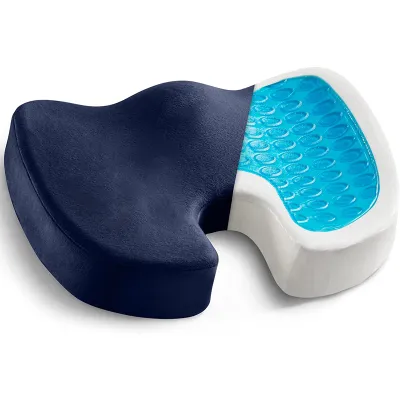
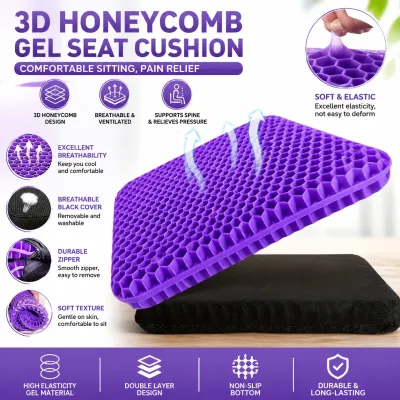
Prices are valid at publication and may change. Please refer to the product page for the latest price.
Finally, cleaning effort and long-term maintenance requirements dictate the practical lifespan of the cushion. Daily commutes introduce coffee spills, crumbs, sweat, and dust into the cabin. The ease of restoring a cushion to its clean state—whether through a simple wipe-down or a full machine wash—determines its hygiene and long-term value. Some materials require specialized care products, while others can be maintained with basic household tools.
Leather Car Seat Cushions: Premium Feel and Easy Wiping
Leather and high-quality synthetic leather (such as polyurethane or vinyl) cushions are popular choices for drivers who prioritize a premium interior aesthetic and effortless cleanup. The primary advantage of leather is its surface wipeability and resistance to liquid spills. If a passenger spills a drink or drops food, the liquid pools on the surface rather than soaking into the padding. This allows for a quick wipe with a microfiber cloth, preventing permanent stains and lingering odors.

However, leather cushions present distinct challenges in sunny conditions. The material absorbs and retains ambient heat and direct sunlight, causing the surface temperature to rise significantly when the car is parked outdoors. Sitting on a sun-baked leather cushion can be highly uncomfortable, and without active seat ventilation, the solid surface traps perspiration against your back during longer drives. This makes them less suitable for drivers who frequently park in uncovered areas.
Long-term durability also depends heavily on proper maintenance. Exposure to UV rays, body oils, and temperature fluctuations can cause genuine leather to dry out, stiffen, and eventually crack. Synthetic alternatives may suffer from peeling or delamination over time. To prevent this degradation, you must use only label-authorized leather cleaners and conditioners. Avoid harsh household detergents, which can strip the protective topcoat of automotive leather and accelerate wear.
Fabric Car Seat Cushions: Everyday Comfort and Softness
Fabric cushions, typically made of woven polyester, velour, or canvas, offer a soft and cozy seating surface that appeals to many daily commuters. One of their main benefits is seating stability. The textured surface of fabric provides excellent friction, preventing the driver or passenger from sliding around during sharp turns or sudden braking. This stability helps maintain a proper driving posture and reduces physical fatigue during extended trips.
In terms of temperature regulation, fabric is highly neutral. Unlike leather, it does not become scorching hot in the sun or freezing cold in air-conditioned cabins, providing immediate comfort when you enter the vehicle. However, the porous nature of fabric means it readily absorbs moisture, sweat, and spilled liquids. This absorption can lead to deep-seated stains and persistent odors, especially in humid environments where damp fabric can become a breeding ground for bacteria.
Maintaining fabric cushions requires regular vacuuming to remove dust, pet hair, and crumbs embedded in the weave. Spot-cleaning spills immediately with a mild, label-authorized upholstery cleaner is crucial before the liquid sets into the fibers. To extend their lifespan and improve liquid resistance, you can apply a fabric protector spray. Always verify that the protector is safe for your specific fabric type by testing it on an inconspicuous area first.
Breathable Mesh Car Seat Cushions: Airflow and Ergonomic Support
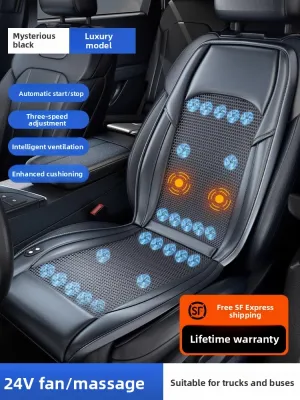
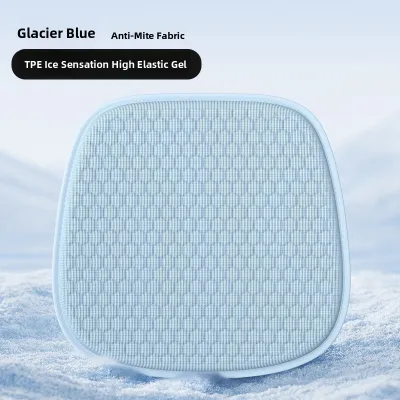
Breathable mesh cushions utilize an open-weave structure, often combined with a 3D honeycomb design, to maximize airflow between the driver’s body and the seat. This continuous air circulation prevents heat and moisture from building up, making mesh the most effective option for preventing back sweat during long commutes in warm, humid weather. By allowing air to flow freely, these cushions help maintain a cool and dry seating surface.
Beyond ventilation, many mesh cushions are engineered to provide structural support and promote better posture. The tension of the mesh fibers can distribute body weight evenly, reducing pressure points on the tailbone and lower back. However, the durability of mesh depends heavily on the quality of its construction. Lower-grade mesh cushions can lose their tension over time, leading to sagging and a loss of ergonomic support, which defeats their primary purpose.
The open pores of mesh also introduce specific maintenance considerations. While the synthetic fibers themselves do not stain easily, the open weave makes them susceptible to snagging on sharp objects like keys, zippers, or velcro, which can unravel the material. Additionally, dust and small crumbs can fall through the pores and accumulate inside the cushion’s core. Cleaning these cushions requires shaking them out, vacuuming with a brush attachment, or hand-washing to flush out trapped debris.
Material Comparison Matrix: Matching Cushions to Driving Habits
To help you determine which material aligns best with your daily driving habits, the table below summarizes the key performance characteristics of leather, fabric, and mesh car seat cushions.
| Material Type | Temperature Control | Cleaning Ease | Durability & Wear | Ideal Driver Profile |
|---|---|---|---|---|
| Leather / Synthetic | Low (Retains heat easily) | High (Wipe clean immediately) | Medium to High (Requires conditioning) | Drivers seeking premium style and quick spill cleanup |
| Fabric | Medium (Temperature neutral) | Low (Absorbs spills and odors) | Medium (Prone to staining and wear) | Daily commuters prioritizing softness and slip resistance |
| Breathable Mesh | High (Excellent airflow) | Medium (Debris can trap in pores) | Medium (Can sag or snag over time) | Long-distance drivers and those prone to back sweat |
No single material excels in every category, meaning you must accept certain trade-offs. For instance, while leather offers unmatched spill resistance and a premium look, it fails to provide the cooling airflow of mesh. Conversely, mesh keeps you cool but requires more effort to clear out trapped crumbs and lacks the plush feel of fabric. Understanding these trade-offs helps you prioritize which features matter most for your daily drive.
How to Choose the Right Car Cushion Seat for Your Vehicle
When selecting a car cushion seat, a clear decision framework can guide your purchase. Choose leather if you frequently travel with young children or pets where spills are common, and you want a quick-wipe solution that maintains a premium cabin appearance. Choose fabric if you prefer a cozy, slip-resistant seat that remains comfortable in all temperatures without feeling sticky. Choose mesh if you suffer from back sweat, drive long distances, or prioritize ergonomic lumbar support.
Before making a purchase, you must verify the safety impact and compatibility of the cushion with your specific vehicle model and year. Many modern vehicles feature side airbags integrated into the outer bolsters of the front seats. A cushion or cover that wraps around the seat sides must have specific, certified breakaway stitching or open sides to ensure the airbag can deploy without obstruction during an accident. Never block these deployment zones, and always consult your vehicle’s manual to locate the exact airbag positions.
Additionally, check how the cushion secures to the seat. Ensure the straps, hooks, and anchor points do not interfere with seat adjustment rails, power seat motors, under-seat wiring harnesses, or seat belt restraint systems. Thick cushions can sometimes interfere with occupant classification sensors—which detect if a passenger is present to activate the airbag—or reduce the effectiveness of built-in seat heaters and ventilation systems.
Finally, always review the manufacturer’s care labels and installation instructions before buying. Verify the return policy of the seller or online marketplace, as a cushion that looks perfect online may not match the contours of your specific vehicle seat, leading to sliding or discomfort. Testing the fitment immediately upon receipt ensures you can exchange it if it does not align with your seat’s dimensions.
Frequently Asked Questions (FAQ)
Do car seat cushions interfere with side airbags?
Yes, universal car seat cushions and full-cover wraps can interfere with side airbags if they cover the outer edges of the seat backrest. To ensure safety, look for cushions that only cover the center seating strip, or choose covers explicitly labeled as airbag-compatible. These compatible models feature specialized breakaway seams or open-sided designs that allow the airbag to deploy instantly in an emergency. Always consult your vehicle’s manual to locate the exact airbag deployment zones before installing any accessory.
Which material is best for preventing back sweat during long drives?
Breathable mesh is the most effective material for preventing back sweat. Its open-weave or 3D honeycomb structure creates a physical gap between your back and the solid seat surface, allowing air to circulate freely. This ventilation helps evaporate perspiration and dissipates trapped body heat. In contrast, solid leather and dense fabric cushions trap heat and moisture against your body, which can lead to discomfort and damp clothing during extended drives in warm climates.

Community discussion
Share your experience or ask a question. Comments are reviewed before publication.