
Quick Answer: Which Material Should You Choose?
Choosing the right car seat cover or car seat cushion depends entirely on your daily driving environment, maintenance habits, and comfort priorities. If you frequently park under the tropical sun and prioritize maximum ventilation, a breathable mesh cover offers the most effective airflow to keep you cool. For drivers seeking a premium aesthetic and effortless cleanup of spills, leather or high-quality leatherette provides a durable, wipe-clean surface. Meanwhile, classic fabric covers offer a soft, slip-resistant grip and consistent temperature neutrality at a highly accessible price point.
Because no single material excels in every category, the ideal choice is highly conditional. You must balance the immediate comfort of your daily commute against the long-term effort you are willing to spend on cleaning and conditioning. By identifying your primary cabin friction points—whether it is trapped back sweat, pet hair, or stubborn liquid stains—you can select a material that directly addresses your daily driving realities.
How Leather, Fabric, and Mesh Compare in Daily Driving
To make an informed decision, it is essential to evaluate how leather, fabric, and mesh perform under the physical demands of daily driving. Each material interacts differently with cabin heat, passenger wear, and unexpected spills.
Products mentioned in this guide
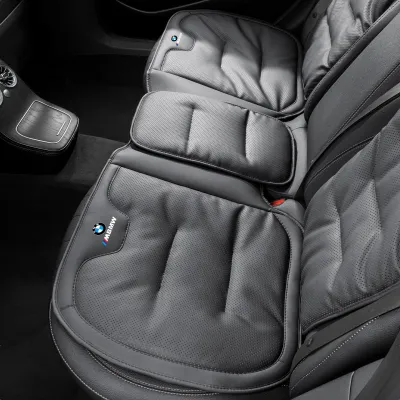
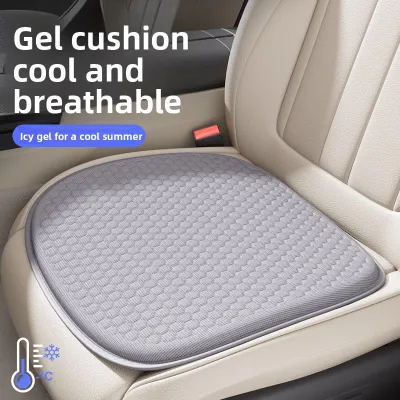
Prices are valid at publication and may change. Please refer to the product page for the latest price.

Temperature Regulation
In tropical climates where vehicles are frequently parked in open-air lots, cabin heat accumulation is a major concern. Leather absorbs and retains ambient heat rapidly, often making the seats uncomfortably hot to touch after a few hours in the sun. Fabric remains relatively neutral, resisting extreme temperature spikes but offering limited active cooling once you are seated. Breathable mesh excels in this category by utilizing an open-weave structure that allows air to circulate freely between your body and the seat, significantly reducing sweat buildup during long drives.
Comfort and Texture
The tactile experience of your seat cover directly influences driving fatigue. Leather provides a smooth, firm, and supportive feel, though it can feel slightly slippery during sharp cornering if you are wearing slick clothing. Fabric offers a softer, high-friction grip that holds passengers securely in place, making it a cozy option for daily commuting. Mesh covers, often designed as a specialized car seat cushion, provide a springy, highly textured surface that prioritizes ventilation over plush cushioning, which some drivers find exceptionally supportive for the lower back.
Cleaning and Maintenance
Spills and dirt are inevitable, but how you handle them depends on your cover material. Leather is highly resistant to liquids, allowing you to wipe away coffee, water, or mud with a simple damp cloth, though it requires periodic conditioning to prevent cracking. Fabric is highly absorbent, meaning spills can quickly turn into deep-seated stains and unpleasant odors if not treated immediately with specialized upholstery cleaners. Mesh is generally easy to maintain because many designs are removable and hand-washable, though dust and small crumbs can sometimes settle into the open pores of the weave, requiring regular vacuuming.
Durability and Wear
Long-term durability depends on how the material handles friction, sunlight, and physical stress. High-quality leather resists tearing and can last for years, but it is susceptible to scratching from sharp objects, keys, or pet claws, and prolonged UV exposure can cause it to fade and dry out. Fabric is highly resilient against scratches and pet claws, but it can suffer from fraying, pilling, and seam strain over years of heavy use. Mesh is lightweight and highly flexible, but budget-friendly options may lose their tension or experience snagging if they come into contact with velcro, zippers, or sharp accessories.
| Material | Temperature Regulation | Maintenance Effort | Durability | Best Suited For |
|---|---|---|---|---|
| Leather / Leatherette | Retains heat; can feel hot after outdoor parking | Low; easy to wipe clean but requires periodic conditioning | High resistance to stains; vulnerable to sharp scratches | Drivers seeking a premium look who prefer quick, wipe-down cleaning |
| Fabric / Textile | Neutral; does not get excessively hot or cold | Moderate to High; absorbs liquids and requires deep washing | High resistance to scratching; prone to staining and fading | Budget-conscious families, pet owners, and drivers who prefer a soft grip |
| Breathable Mesh | Excellent; open-weave design maximizes airflow | Low to Moderate; requires vacuuming crumbs from pores | Flexible and lightweight; prone to snagging on sharp objects | Commuters in hot climates prioritizing sweat reduction and ventilation |
Matching the Right Car Seat Cover to Your Driving Profile
Selecting the right material requires matching these material characteristics to your personal driving profile, budget, and vehicle usage patterns.
Choose Leather (or Leatherette) If:
- You want to elevate your cabin's aesthetic with a sleek, premium finish.
- You frequently eat or drink in the car, or travel with young children, making instant wipe-downs essential.
- You are willing to invest a higher initial amount—often ranging from S$150 to over S$400 for custom-fit sets—and perform occasional conditioning.
Choose Fabric If:
- You prioritize a soft, slip-resistant seating surface and want to avoid the scorching heat of sun-exposed seats.
- You are working with a tighter budget, as universal fabric sets are often available for under S$80.
- You frequently transport pets, as fabric resists claw scratches much better than leather.
Choose Breathable Mesh If:
- Your primary driving discomfort is back sweat and trapped body heat during long daily commutes.
- You want a lightweight, highly affordable, and easily removable car seat cushion rather than a full-seat upholstery overhaul.
- You operate a commercial or delivery vehicle and spend long hours behind the wheel in humid tropical weather.
Verify First If:
- Your vehicle features integrated seat heating or cooling systems, as thick leather or heavily padded fabric covers can act as insulators and reduce their efficiency.
- Your vehicle's manufacturer warranty outlines any restrictions regarding aftermarket seat modifications, particularly if you are leasing the vehicle.
Critical Fitment and Safety Checks Before Purchasing
Installing aftermarket seat covers involves more than just choosing a style; it requires careful attention to vehicle safety systems and physical compatibility.
Side Airbag Compatibility Many modern vehicles are equipped with side-impact airbags embedded directly within the outer bolsters of the front seats. Installing an incompatible seat cover can delay or completely block airbag deployment during a collision, posing a severe safety risk. Always check the product packaging and manufacturer specifications for explicit “airbag-compatible” labels. These covers are engineered with specialized breakaway stitching or open side panels designed to tear open instantly when an airbag deploys.
Seat Contour and Adjustability A poorly fitting cover can obstruct essential seat controls and manual adjustment levers. Ensure the cover design accommodates your specific seat shape, including integrated headrests, folding armrests, and split-folding rear benches (such as 60/40 split configurations). If your vehicle features power-adjustable seats or electronic lumbar support, verify that the cover straps and anchors do not wrap around moving mechanical parts under the seat, which could damage the motors or tear the cover.
Material Interaction Consider how the backing of the aftermarket cover interacts with your original factory upholstery. Some cheap synthetic backings or rubberized non-slip grips can degrade, melt, or transfer dye onto light-colored leather or fabric seats when exposed to high cabin temperatures. Look for covers with soft, non-abrasive inner linings to protect your original seats from friction wear.
Stop and Consult If you encounter resistance during installation, if the cover requires you to permanently cut original upholstery, or if you are unsure whether the cover obstructs a safety sensor, stop immediately. Consult your vehicle’s owner manual or seek assistance from a qualified automotive upholstery professional to ensure a secure, compliant fit.
Frequently Asked Questions (FAQ)
Are breathable mesh seat covers safe for cars with side airbags?
Breathable mesh seat covers are safe only if they are explicitly designed and certified as airbag-compatible. You must verify this by checking the product label for documentation of breakaway seams, open-side designs, or specialized stitching patterns that allow the airbag to deploy without obstruction. Never install a universal cover over a seat-mounted airbag unless the manufacturer clearly states it is safe to do so. If the product documentation is vague or missing, consult a qualified automotive technician or choose an alternative product with verified safety certifications.
Can I install leather seat covers over factory fabric seats myself?
Yes, you can install leather or leatherette seat covers over factory fabric seats, but achieving a wrinkle-free, professional fit requires patience and precise tensioning. Unlike flexible fabric or mesh, leather is stiff and must be pulled taut and anchored securely using the provided straps, hooks, or chucks to prevent slipping and squeaking. Many custom-fit leather kits are designed for DIY installation, but if your seats have complex contours, integrated electronic controls, or delicate safety sensors, hiring a professional installer is highly recommended to avoid damaging your vehicle’s interior components.

Community discussion
Share your experience or ask a question. Comments are reviewed before publication.