
Quick Answer: Which Seat Cover Material Should You Choose?
Choosing the right seat cover is one of the most effective ways to protect your vehicle’s interior, but finding the perfect balance between comfort, durability, and style requires understanding how different materials perform in daily use. If you are shopping for a leather car seatcover, a classic woven fabric cover, or a highly breathable mesh option, your choice will directly impact how comfortable your cabin feels, especially during hot and humid days.
To make an immediate decision, you can use this quick selection framework based on your primary driving needs:
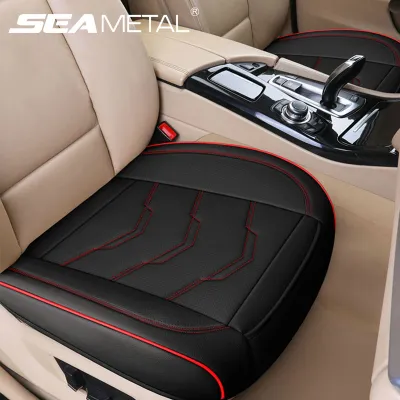
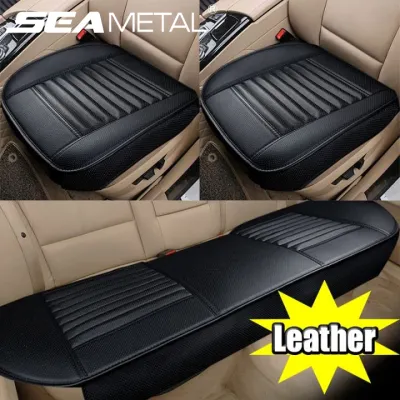
- Choose Leather (or high-quality synthetic leather) if: You prioritize a premium, executive aesthetic, require effortless cleanup of liquid spills, and do not mind paying a higher upfront cost or dealing with initial heat retention when your car is parked in direct sunlight.
- Choose Fabric if: You want a highly comfortable, temperature-neutral seating surface that does not get excessively hot, offers a wide range of custom colors or patterns, and fits a moderate budget.
- Choose Mesh if: You prioritize maximum ventilation and airflow for hot and humid climates, prefer a lightweight and easily washable option, and do not mind a firmer, less cushioned seating texture.
Before finalizing any purchase, always verify that the specific seat cover model is compatible with your vehicle’s exact make, model, and year. It is critical to confirm that the covers do not obstruct safety mechanisms, such as seat-mounted side airbags or built-in seatbelt buckles, by checking both the product packaging and your vehicle owner’s manual.
Products mentioned in this guide
![[SG stock] Car Seat Cover PU Leather Interior Protector Mats Cushion 5 Seaters Chair Seatcover Pad for SUV Sedan Truck](https://img.lazcdn.com/g/p/9f61771676365ac6e3abbde05ab5c72f.jpg_400x400q80.jpg_.webp)
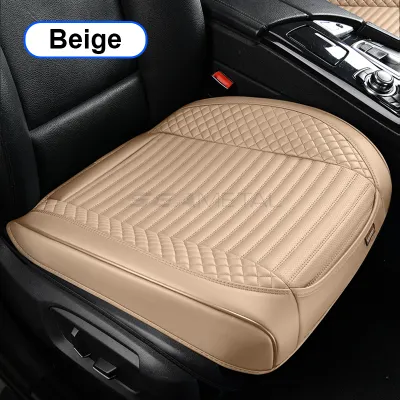
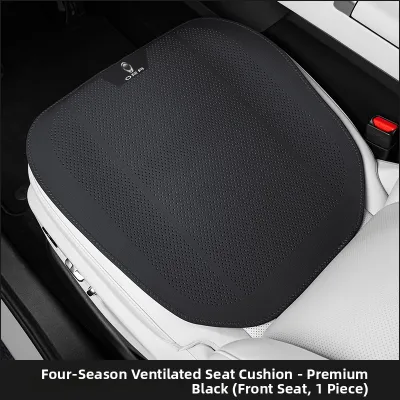
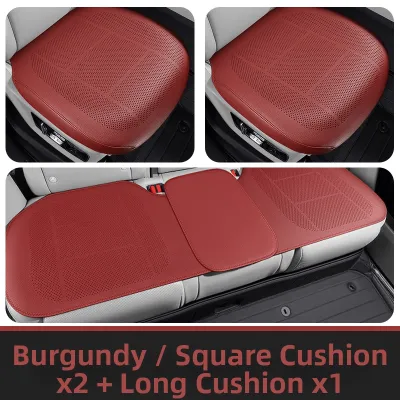
Prices are valid at publication and may change. Please refer to the product page for the latest price.
Material Breakdown: Leather, Fabric, and Mesh Seat Covers
Protecting your original upholstery is a smart investment that preserves your car’s resale value and keeps the cabin looking fresh. However, because you interact with your seats every time you drive, the material you select dictates your daily physical comfort. Each option has distinct physical properties that behave differently under varying environmental conditions.

Leather and Synthetic Leather Seat Covers
A leather car seatcover is highly sought after for its ability to instantly elevate a car’s interior aesthetic, giving even a basic cabin a premium, luxury feel. Genuine leather is incredibly durable, develops a unique patina over time, and offers a distinct premium scent. However, when browsing online marketplaces or local automotive shops, many products labeled as leather are actually made from synthetic alternatives like Polyurethane (PU) or Polyvinyl Chloride (PVC) leather. It is essential to carefully inspect product specifications, tags, and manufacturer documentation to distinguish genuine leather from synthetic variants, as their long-term wear patterns and care requirements differ significantly.
The primary practical benefit of both genuine and synthetic leather is superior spill resistance. If you accidentally spill coffee, water, or soft drinks, the liquid beads up on the surface rather than soaking into the cushion, allowing you to wipe it away cleanly with a microfiber cloth. The major drawback, particularly in tropical climates like Singapore, is heat retention. When parked in an open-air carpark under direct sunlight, leather seats absorb heat rapidly and can become scorchingly hot to the touch. Furthermore, the non-porous surface can feel sticky against bare skin on humid days, which may reduce comfort during long drives. To prevent the material from drying, fading, or cracking under intense UV exposure, you must regularly apply specialized leather conditioners and cleaners that are explicitly authorized on the product’s care label.
Fabric (Cloth) Seat Covers
Fabric or cloth seat covers are a popular, highly practical choice for drivers who prioritize immediate physical comfort and temperature neutrality. Typically constructed from woven materials like polyester, nylon, canvas, or jacquard, fabric covers do not absorb and retain ambient heat the way leather does. When you return to your vehicle after it has been parked in the sun, a fabric seat cover will feel significantly cooler and more comfortable to sit on immediately, without requiring you to wait for the air conditioning to fully cool the cabin.
The primary challenge with woven fabric is its susceptibility to stains and liquid absorption. If a drink is spilled, the liquid quickly penetrates the fibers and can seep into the underlying seat foam if not treated immediately. This makes prompt spot-cleaning essential, and many drivers choose to apply specialized fabric protectors to add a temporary hydrophobic barrier. On the positive side, fabric covers offer an exceptional variety of weaves, textures, and patterns, allowing you to customize your interior to match your personal style. Before cleaning, always check the manufacturer’s care instructions to determine if the covers are machine washable or if they require specialized upholstery shampoo and spot-cleaning to prevent shrinkage or color fading.
Breathable Mesh Seat Covers
Mesh seat covers are engineered specifically to address the challenges of driving in hot, humid environments. Constructed with an open, perforated weave, mesh allows air to circulate freely between your body and the seat cushion. This continuous airflow prevents the buildup of sweat and body heat, making mesh an exceptionally comfortable option for drivers who do not have ventilated seats or those who frequently drive during the hottest parts of the day.
While mesh excels at ventilation, it offers a very different physical experience compared to leather or fabric. The material is generally firmer, more textured, and less plush, which may not appeal to drivers seeking a soft, cushioned, or luxurious seating surface. However, this firm structure provides excellent durability against daily friction and resists stretching or sagging over time. Mesh is also highly practical for active lifestyles; dust, sand, and dry debris can be easily shaken out or vacuumed away. It is common for manufacturers to combine mesh with other materials, such as utilizing mesh for the center backrest and seat panels while using durable fabric or synthetic leather for the high-wear side bolsters. Always check the product label to verify the exact material composition and ensure it meets your expectations for both breathability and durability.
Key Comparison Dimensions for a Leather Car Seatcover and Alternatives
In Singapore’s tropical climate, daily driving comfort is heavily influenced by how materials handle heat, humidity, and daily wear. The table below outlines how these materials compare across key practical dimensions:
| Material | Heat Retention | Spill Resistance | Breathability | Relative Cost | Ideal User Profile |
|---|---|---|---|---|---|
| Genuine Leather | High | High | Low | Premium (S$$$) | Luxury seekers, low-spill cabins |
| Synthetic Leather (PU/PVC) | High to Medium | High | Low to Medium | Mid to Premium (S$$-S$$$) | Families with young kids, ride-hailing |
| Fabric (Cloth) | Medium | Low | Medium | Budget to Mid (S$-S$$) | Budget-conscious drivers, daily commuters |
| Breathable Mesh | Low | Low | High | Budget to Mid (S$-S$$) | Active lifestyles, hot-climate commuters |
Heat and Humidity
The physics of heat transfer in parked cars means that non-porous materials like genuine and synthetic leather trap heat against the driver’s body, creating a barrier that prevents sweat from evaporating. On a typical afternoon, a car cabin can easily exceed 50 degrees Celsius when parked outdoors. Leather covers absorb this heat and retain it, taking several minutes to cool down even after the air conditioning is turned on. Fabric covers have lower thermal mass and cool down much faster. Mesh covers perform the best in this category, allowing the vehicle’s air conditioning to circulate directly through the seat backrest, cooling your body almost instantly.
Maintenance Effort
Maintaining a hygienic cabin requires different levels of effort depending on the material. Leather and synthetic leather are the easiest to clean on a daily basis; a quick wipe with a damp microfiber cloth removes dust, sweat, and light dirt. However, genuine leather requires periodic conditioning every three to six months to prevent the material from drying out and cracking under intense UV rays. Fabric covers require regular vacuuming to prevent dust mites and fine grit from grinding into the weave. If a spill occurs on fabric, it must be extracted immediately using an upholstery cleaner to prevent permanent staining and odors. Mesh covers are highly resistant to surface dust, but because of their open weave, fine particles can pass through the mesh and settle onto the original seat upholstery underneath, meaning you must occasionally remove the covers to vacuum the seats beneath them.
Wear and Tear
Daily friction from entering and exiting the vehicle gradually wears down all materials, but they fail in different ways. Genuine leather is highly resilient to stretching but can be easily scratched by sharp objects like keys, rivets on jeans, or pet claws. Synthetic leather is highly durable but can begin to peel or crack after several years of intense exposure to heat and UV light. Woven fabric is highly resistant to scratching but can develop pilling, fraying, or fading in high-contact areas over time. Mesh is exceptionally tough and resists tearing, but low-quality mesh can snag on Velcro, zippers, or jewelry. To ensure long-term durability, look for explicit UV-resistance claims on the product packaging, as untreated materials will degrade much faster when exposed to constant sunlight through your car’s windows.
Matching the Material to Your Vehicle and Lifestyle
To get the most value out of your seat covers, you should align your material choice with your vehicle type, passenger profile, and daily driving habits.
Family Vehicles (Kids and Pets)
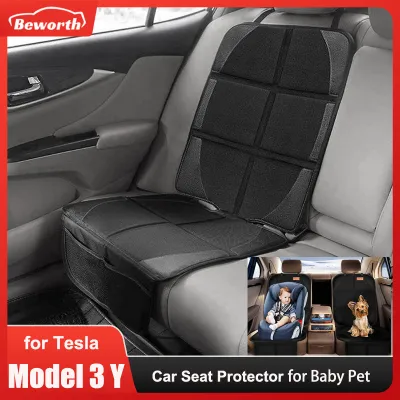
If your backseat frequently hosts young children, spilled snacks, and pets, your material choice should prioritize easy cleaning and physical protection. Synthetic leather is often the most practical choice here, as it allows you to wipe away mud, juice, and crumbs in seconds without leaving stains. If you have large dogs, however, a heavy-duty canvas fabric cover might be preferable to prevent pet claws from puncturing or scratching a delicate leather surface.
Daily Commuters and Ride-Hailing
For drivers who spend several hours behind the wheel every day, comfort and hygiene are paramount. Ride-hailing drivers, who must maintain a clean and odor-free cabin for a rotating cast of passengers, often opt for high-quality synthetic leather because it can be quickly wiped down and sanitized with disinfectant wipes between trips. Alternatively, commuters who suffer from back sweat during long drives in tropical weather will find that a breathable mesh cover significantly improves daily comfort by preventing sweat buildup.
Commercial or Work Vehicles
Delivery vans, utility vehicles, and work trucks require maximum durability and minimal maintenance. Heavy-duty woven fabric (such as canvas) or thick mesh covers are ideal for these environments. They resist the heavy abrasion caused by drivers frequently sliding in and out of the cabin while wearing work gear, and they do not become uncomfortably hot when the vehicle is parked at outdoor job sites.
Fitment and Ergonomics
Regardless of your lifestyle, it is vital to ensure that the seat cover’s thickness and design do not compromise your vehicle’s ergonomics. A cover that is too thick or poorly fitted can block lumbar support adjustments, restrict the movement of power seat controls, or prevent headrests from locking securely into place. Always verify that the cover’s mounting straps do not interfere with under-seat wiring harnesses, seat sensors, or mechanical adjustment rails.
Installation, Fitment, and Safety Considerations
Installing aftermarket seat covers involves more than just aesthetics; it directly impacts your vehicle’s safety systems. Proper fitment and adherence to safety guidelines are essential to protect you and your passengers.
Side-Airbag Compatibility
The absolute highest priority when selecting any aftermarket seat cover is safety. Many modern vehicles feature side-impact airbags housed inside the outer bolsters of the front seats. If you install a seat cover that does not have specialized, safety-certified breakaway stitching, the airbag may fail to deploy or deploy incorrectly during an accident, leading to severe injury. Never assume a “universal fit” cover is safe for airbag-equipped seats; you must strictly verify that the product packaging features an explicit, certified “airbag compatible” label with specialized stitching designed to tear open instantly upon deployment.
Fitment Types
Seat covers generally fall into three categories: universal, semi-custom, and custom-fit. Universal covers are highly affordable and easy to find, but they often fit loosely, slide around during entry and exit, and can look messy. Custom-fit covers are designed specifically for your vehicle’s exact year, make, model, and trim level. They hug the contours of the seat perfectly, provide dedicated openings for headrests and seatbelts, and utilize secure anchoring systems that prevent the cover from shifting, ensuring both safety and a factory-like aesthetic.
Professional vs. DIY
While most basic seat covers are designed for straightforward DIY installation, certain vehicles present unique challenges. If your car has highly contoured sports seats, integrated seatbelts, complex electronic adjustments, or weight sensors for passenger detection, installing covers can be difficult. In these cases, or if you are unsure how to safely route mounting straps around under-seat electrical cables, it is highly recommended to seek professional installation or carefully consult your vehicle’s official owner’s manual to avoid damaging sensitive electronic components.
Frequently Asked Questions (FAQ)
Can I install seat covers over heated or ventilated seats?
Yes, but the material you choose will heavily impact the performance of these features. Thick leather or heavily padded fabric covers act as insulators, significantly blocking heat transfer from heated seats and restricting the airflow of ventilated seats. If your vehicle has climate-controlled seats, look for thin, highly perforated leather or specialized mesh covers designed specifically to allow air and heat to pass through. Always consult the seat cover manufacturer’s specifications and your vehicle’s owner’s manual to ensure compatibility before installation.
How do I clean and maintain leather vs. fabric seat covers?
Proper maintenance depends entirely on the material. For genuine or synthetic leather, wipe the surface regularly with a damp microfiber cloth to remove dust and body oils, and use authorized leather cleaners and conditioners to prevent drying and UV damage. For fabric and mesh covers, vacuum the seats weekly using an upholstery brush attachment to draw out embedded grit and dust. If a spill occurs on fabric, blot it immediately with a clean towel and treat the area with a mild upholstery cleaner, checking the care tag first to see if the covers are machine washable or spot-clean only.

Community discussion
Share your experience or ask a question. Comments are reviewed before publication.