
Quick Answer: Which Mercedes Seat Cover Material Wins?
Selecting the ideal seat cover material for your Mercedes-Benz is not a matter of finding a single universal winner. Instead, the correct choice depends on how you balance luxury aesthetics, regional climate challenges, and your willingness to perform regular maintenance. Each material serves a distinct lifestyle and set of driving conditions.
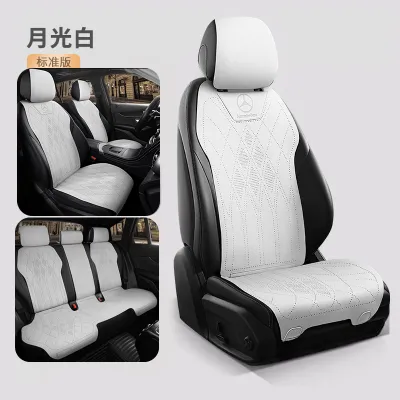
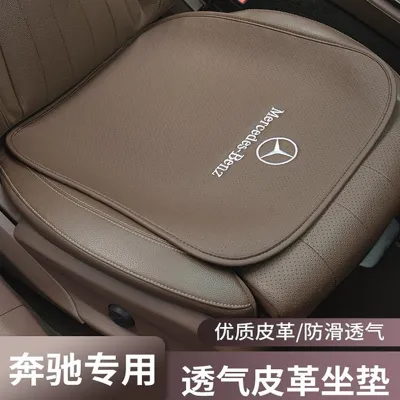
For drivers prioritizing a seamless, original-equipment look that preserves the premium atmosphere of a Mercedes cabin, leather or high-grade synthetic leather is the leading choice. It offers excellent resistance to immediate liquid spills and matches the sophisticated interior design language of the brand.
If everyday utility, family transport, or pet travel defines your driving routine, fabric covers provide a highly durable and tactilely comfortable alternative. Fabric resists scratches and does not suffer from extreme temperature shifts, making it a reliable choice for daily wear.
Products mentioned in this guide

Prices are valid at publication and may change. Please refer to the product page for the latest price.
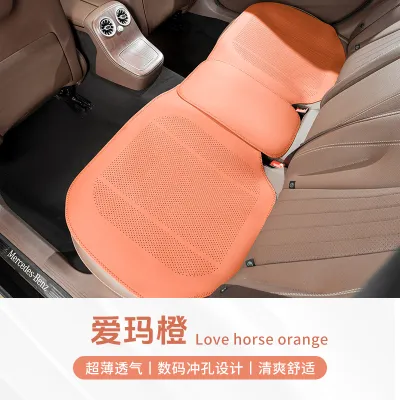
For those operating in hot, humid climates like Singapore, breathable mesh provides an effective solution for thermal comfort. The open-weave structure allows continuous airflow, actively reducing back sweat and heat retention during long drives.
How to Evaluate Seat Cover Materials for Your Mercedes
Before selecting a specific material, you must establish a clear set of evaluation criteria tailored to your vehicle. A Mercedes-Benz is a precision-engineered luxury vehicle, and any aftermarket accessory must respect both its aesthetic standards and its advanced safety systems. Evaluating options across four primary dimensions ensures a balanced purchase.

Durability and Wear Resistance
Durability involves how well a material resists friction, tearing, puncture, and UV degradation. The intense sunlight experienced in tropical regions can accelerate the fading and cracking of interior materials. You should assess whether a seat cover material can withstand daily entry and exit slides without thinning or fraying over time.
Climate Comfort and Heat Regulation
Thermal performance determines how comfortable the seat feels after your car has sat in an open-air parking lot. Materials differ significantly in how they absorb, conduct, and dissipate ambient heat and body warmth. A material that traps heat can lead to discomfort during extended commutes, while a highly breathable option maintains a neutral temperature.
Cabin Integration and Aesthetics
Your chosen seat cover should complement the existing luxury design of your Mercedes interior. This includes matching or tastefully contrasting with the dashboard trim, door panels, and ambient lighting. A poorly fitting or cheap-looking cover can significantly detract from the vehicle’s overall cabin experience and potential resale value.
Maintenance and Care Demands
Every material requires a different cleaning protocol. Some options allow for quick wipe-downs with a damp cloth, while others demand specialized chemical cleaners, deep vacuuming, or complete removal for machine washing. Consider how much time you are willing to dedicate to keeping the covers looking pristine.
Crucial Safety and Fitment Boundaries
Safety must remain your absolute priority when choosing any seat cover. Modern Mercedes-Benz models feature side-impact airbags integrated directly into the outer bolsters of the front seatbacks. They also utilize advanced occupant classification sensors in the seat cushions to manage airbag deployment force.
Before purchasing any seat cover, you must verify that the product is explicitly certified as airbag-compatible by the manufacturer. These covers feature specialized, low-tension breakaway seams designed to split open instantly if an airbag deploys. Using a non-compatible cover can obstruct the airbag, resulting in severe safety failures.
Additionally, avoid generic, loose-fitting covers. Opt for custom-fit designs matched to your specific Mercedes chassis code and model year to ensure that seat adjustment switches, seatbelt buckles, and folding rear armrests remain fully functional and unobstructed.
Leather Seat Covers: Premium Aesthetics and Care Requirements
Leather and high-quality synthetic leather (such as polyurethane or vegan leather) represent the traditional choice for luxury vehicles. They are designed to replicate or protect the premium upholstery that defines the Mercedes-Benz brand, offering a sleek, tailored appearance that integrates naturally with the cabin.
Visual Appeal and Liquid Resistance
The primary advantage of leather seat covers is their sophisticated aesthetic. High-quality custom leather covers fit tightly over the original seats, often making it difficult to distinguish them from the factory upholstery. This material aligns perfectly with the polished wood, metal, and carbon fiber accents found in Mercedes cabins.
In terms of spill management, leather is highly practical. If a liquid is spilled on a leather surface, it pools on top rather than soaking in immediately. This allows you to wipe away coffee, water, or food particles with a simple cloth, preventing permanent stains and lingering odors.
Thermal Challenges and Sunlight Exposure
Despite its premium look, leather has notable physical limitations regarding temperature regulation. Leather has high thermal density, meaning it absorbs and retains heat rapidly. If your Mercedes is parked under direct sunlight in a warm climate, the leather surfaces can become uncomfortably hot to the touch, requiring you to run the air conditioning for several minutes before sitting comfortably.
Conversely, in heavily air-conditioned environments, leather can feel cold and stiff initially. It lacks natural breathability, which can lead to a clammy sensation against your skin during long drives as body heat and perspiration become trapped between your body and the seat surface.
Demanding Maintenance Routines
To preserve its suppleness and prevent premature aging, leather requires consistent, active maintenance. Over time, exposure to UV rays, body oils, and friction can dry out the material, leading to unsightly cracks, fading, and peeling.
You must commit to cleaning the covers with a dedicated, pH-balanced leather cleaner, followed by the application of a high-quality leather conditioner every three to six months. Always check the seat cover manufacturer’s label to confirm whether the material is genuine leather or synthetic, as synthetic variants (like PU or vinyl) can be damaged by conditioners designed exclusively for natural hides. Synthetic leather typically requires only a mild soapy water solution for cleaning.
Fabric Seat Covers: Everyday Comfort and Durability
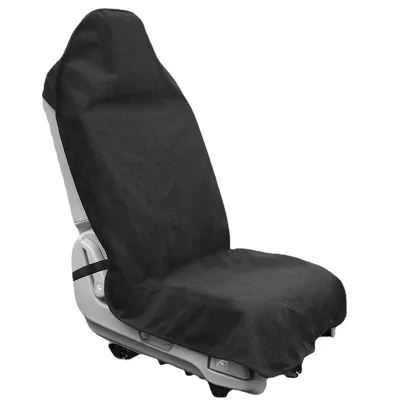
Fabric seat covers, made from materials such as heavy-duty canvas, woven polyester, or neoprene blends, offer a practical, comfort-focused solution. They are engineered to handle the rigorous demands of daily commuting, family transport, and outdoor lifestyles.
Tactile Comfort and Temperature Stability
Fabric excels at maintaining a stable temperature, regardless of external weather conditions. Unlike leather, fabric does not become scorching hot after hours under the sun, nor does it feel freezing after prolonged exposure to air conditioning. This thermal stability provides immediate comfort the moment you enter your vehicle.
Furthermore, woven fabrics offer a soft, textured feel that provides natural grip, preventing you from sliding around during spirited cornering. The material is inherently pliable, conforming easily to the contours of your Mercedes seats without creating stiff pressure points.
Resilience Against Daily Wear and Pets
For drivers who frequently travel with pets or carry outdoor gear, fabric is highly resilient. Heavy canvas or tightly woven polyester covers resist scratches from dog claws, sharp keys, and cargo edges much better than leather. They are also less prone to showing minor scuffs and friction wear over years of use.
Neoprene blends (the material used in wetsuits) offer an exceptionally high level of durability and a sporty, snug fit. Neoprene is highly resistant to moisture, making it an excellent option if you frequently return to your car sweaty from outdoor sports or beach trips.
Vulnerability to Spills and Odors
The primary drawback of fabric is its high absorbency. If a liquid spill occurs, the fabric fibers quickly draw the moisture deep into the cover and potentially into the underlying foam of your seat. This makes fabric highly susceptible to staining and the accumulation of unpleasant odors over time.
While some fabric covers feature water-resistant hydrophobic coatings, these treatments can wear off with repeated cleaning and friction. Cleaning fabric requires prompt attention; you must blot spills immediately and use specialized fabric upholstery cleaners to lift stains. If the manufacturer’s care label permits, you may need to remove the covers entirely to machine wash them on a gentle cycle, which can be a time-consuming installation and removal process.
Breathable Mesh Seat Covers: Temperature Control and Support
Breathable mesh seat covers, often constructed from 3D spacer mesh or multi-layered polyester weaves, are specialized accessories designed primarily to optimize airflow and ergonomic support. They provide a modern, athletic look that fits well with sportier Mercedes models.
Unmatched Airflow and Moisture Management
The defining feature of breathable mesh is its open-weave, double-layered construction. This design creates a physical micro-climate boundary layer between your back and the seat cushion. Air is allowed to circulate freely through the material, carrying away body heat and evaporating moisture before sweat can accumulate.
In hot and humid environments, such as Singapore’s tropical climate, this ventilation is highly beneficial. It prevents the uncomfortable experience of arriving at your destination with a damp shirt, making long drives or slow-moving city traffic far more tolerable without relying solely on maximum air conditioning settings.
Ergonomic Tension and Sporty Aesthetics
High-quality mesh covers are engineered with a degree of elastic tension that provides firm, springy support. This structure helps distribute your body weight evenly across the seat, reducing localized pressure points on your lower back and thighs during extended journeys.
The clean, geometric patterns of mesh covers offer a contemporary, high-tech aesthetic. This look complements the digital displays, turbine-style air vents, and modern styling cues of newer Mercedes-Benz cabins, giving the interior a performance-oriented feel.
Susceptibility to Snags and Debris Trapping
Despite its ventilation advantages, mesh has specific physical vulnerabilities. The open, looped structure of the weave makes it susceptible to snagging on sharp objects. Pet claws, metal rivets on jeans, keys, and Velcro straps can easily catch on the mesh fibers, causing unsightly pulls, runs, or tears that are difficult to repair.
Additionally, the porous nature of mesh means that fine debris can easily penetrate the surface. Breadcrumbs, dust, sand, and pet hair can slip through the outer weave and become trapped in the internal spacer layers. Cleaning these trapped particles requires a powerful vacuum cleaner equipped with a stiff brush attachment, or complete removal of the cover for a thorough shaking and hand-washing process.
Side-by-Side Material Comparison
To help you visualize how these three materials compare across key decision-making categories, the table below outlines their typical performance characteristics based on standard material properties.
| Material | Best For | Temperature Regulation | Spill Resistance | Maintenance Level | Potential Drawbacks |
|---|---|---|---|---|---|
| Leather / Synthetic | Premium aesthetics, executive styling, and quick cleaning | Poor (retains heat and lacks airflow) | High (liquids pool on surface for easy wiping) | Moderate to High (requires regular conditioning) | Can get very hot in sun; prone to cracking over time |
| Fabric (Canvas/Neoprene) | Daily utility, pet owners, and family road trips | Good (remains temperature-stable) | Low to Moderate (absorbs liquids unless treated) | Moderate (requires vacuuming and deep washing) | Prone to staining and absorbing cabin odors |
| Breathable Mesh | Maximum ventilation, hot climates, and ergonomic support | Excellent (promotes continuous airflow) | Low (liquids pass directly through weave) | Moderate (requires vacuuming of trapped debris) | Vulnerable to snags from claws, keys, and Velcro |
Note: The actual performance, longevity, and level of protection provided by any seat cover depend heavily on the manufacturing quality, material thickness, and strict adherence to the care instructions printed on the product label.
Final Decision Framework: Match the Material to Your Lifestyle
To make your final purchase decision, evaluate your daily driving habits, passenger profile, and local environmental conditions against this structured framework.
Choose Leather if:
- You want to maintain or enhance the premium, executive aesthetic of your Mercedes-Benz cabin.
- You frequently drink coffee or water while driving and want to easily wipe away accidental spills before they stain.
- You park primarily in shaded or temperature-controlled garages, mitigating the risk of heat buildup.
- You are committed to a regular maintenance routine involving specialized leather cleaners and protective conditioners.
Choose Fabric if:
- Your Mercedes serves as a busy daily driver carrying children, pets, or outdoor sports equipment.
- You prioritize a soft, non-slip seating surface that remains comfortable in both hot sun and cool air conditioning.
- You want a highly durable shield against physical scratches, scuffs, and mechanical wear.
- You do not mind occasionally removing the covers for deep cleaning or machine washing to manage spills and odors.
Choose Breathable Mesh if:
- Your primary goal is to eliminate back sweat and maximize cooling comfort during long drives in a hot, humid climate.
- You prefer a modern, sporty, and lightweight look that matches contemporary cabin electronics.
- You do not travel with pets or carry sharp, loose items that could snag the delicate woven fibers.
- You have access to a high-powered vacuum to regularly clear out fine dust and crumbs from the mesh layers.
Final Verification Steps Before You Buy
Once you have selected your preferred material, perform these final safety and compatibility checks before completing your purchase:
- Airbag Compatibility: Read the product specifications to confirm the seat cover is certified for use with integrated side airbags. Look for explicit mentions of "airbag-safe" construction or specialized breakaway stitching.
- Seat Control Access: Ensure the cover design does not block electric seat adjustment switches, lumbar support controls, or memory buttons located on the side of the seat base.
- Occupant Sensors: Check that the cover does not interfere with the passenger seat occupant classification system (OCS) sensors, which are vital for correct airbag operation.
- Professional Installation: If your Mercedes features complex, highly contoured sports seats with active bolsters or integrated headrests, consider seeking professional installation. A professional installer can ensure the covers fit tightly, look pristine, and do not compromise any underlying safety or electronic systems.

Community discussion
Share your experience or ask a question. Comments are reviewed before publication.