
Choosing the right seat cover material depends entirely on your primary pain points, whether that is managing cabin heat in a tropical climate, dealing with spills from children and pets, or staying within a specific budget. There is no single best option; leather offers easy wipe-downs and a premium look but retains heat, fabric provides a temperature-neutral feel but absorbs stains, and breathable mesh maximizes airflow but offers less comprehensive coverage. This guide breaks down the practical trade-offs of each material to help you match the right seat cover to your daily driving needs and vehicle specifications.
By understanding how these materials perform under daily use, you can avoid common pitfalls like buying covers that block your seat’s built-in safety features or choosing a fabric that becomes impossible to clean after a single spill. Taking the time to evaluate your driving environment, passenger habits, and installation preferences ensures your investment protects your car’s interior while enhancing your overall comfort.
Core Characteristics of Leather, Fabric, and Mesh Seat Covers
Leather: Premium Aesthetics and Wipe-Clean Convenience
Leather seat covers, which include both genuine leather and synthetic alternatives like polyurethane (PU) or vinyl, are highly valued for their upscale appearance and practical spill resistance. Synthetic leather is particularly common in the aftermarket industry because it mimics the texture of genuine hide while offering a non-porous surface that prevents liquids from soaking into the seat foam. This makes it incredibly easy to maintain, as most dirt, dust, and liquid spills can be wiped away immediately with a damp cloth. However, because leather is a dense, solid material, it acts as a barrier to airflow, which naturally leads to higher heat retention during warm weather.
Products mentioned in this guide
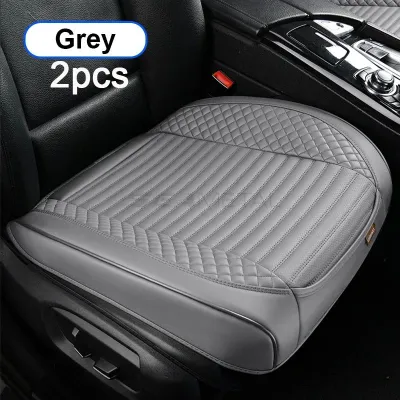
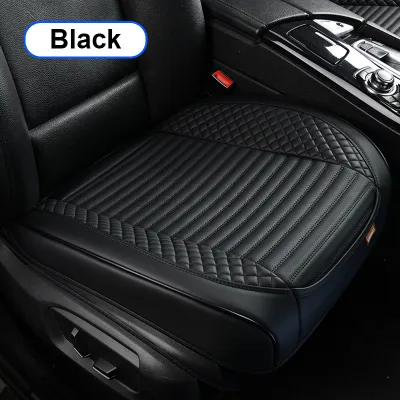
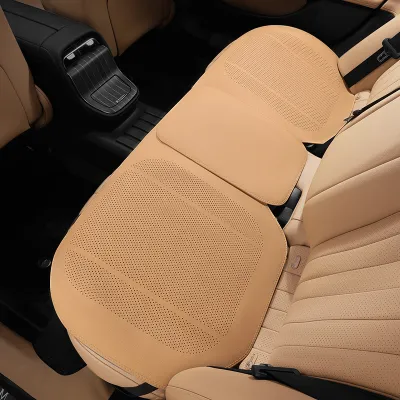
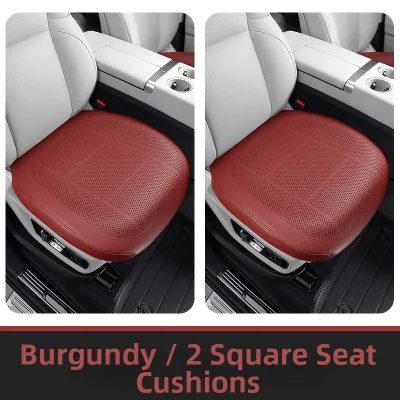
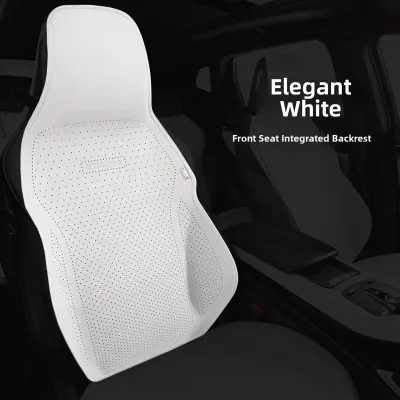
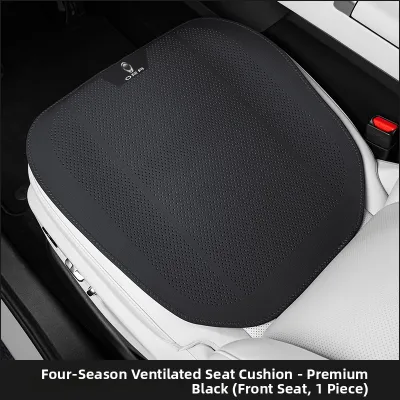
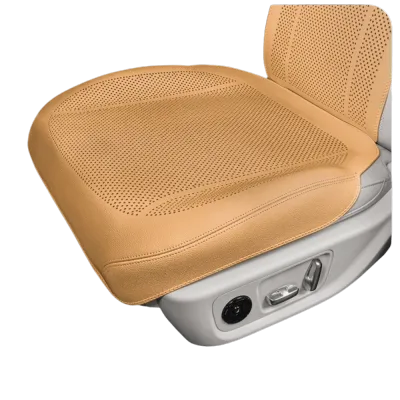
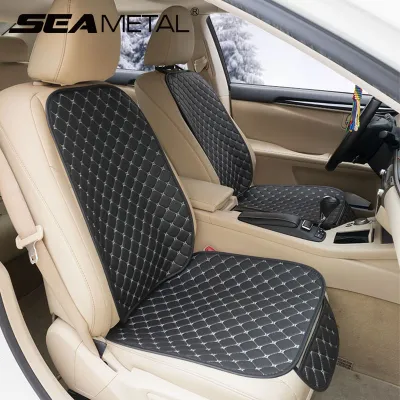
Prices are valid at publication and may change. Please refer to the product page for the latest price.
Fabric: Soft Comfort and Varied Textures
Fabric seat covers encompass a wide range of woven textiles, including polyester, cotton blends, and heavy-duty neoprene. These materials are generally appreciated for their soft, familiar texture and excellent initial comfort, as they do not feel sticky against bare skin. Neoprene, a popular choice for active lifestyles, offers a high level of water resistance and cushioning, making it ideal for wet gear or sports equipment. The primary drawback of standard woven fabrics is their absorbent nature; dust, sweat, and spilled drinks can quickly penetrate the fibers, requiring more intensive cleaning methods to prevent permanent stains and unpleasant cabin odors.
Breathable Mesh: Maximum Airflow and Lightweight Utility
Breathable mesh covers are engineered specifically to promote ventilation and reduce body heat buildup. Most high-quality mesh covers utilize a multi-layered 3D spacer mesh design, which features a porous top layer separated from the backing by a network of tiny polyester pillars. This unique structure allows air to circulate freely beneath and behind the driver, preventing the sweaty, sticky feeling common on long commutes. While mesh is exceptionally lightweight and highly effective at temperature regulation, it is typically sold as a partial overlay or a sporty insert rather than a full-coverage protective barrier, meaning it offers less protection against liquid spills or physical wear on the seat bolsters.
Comfort and Climate Performance in Tropical Weather
Managing Solar Heat Retention
In tropical regions where vehicles are frequently parked under direct sunlight, cabin temperatures can rise rapidly, turning solid seat surfaces into major heat traps. Leather and synthetic vinyl covers absorb solar radiation efficiently, often reaching surface temperatures that are uncomfortable or even painful to touch upon first entering the vehicle. If you do not have access to shaded parking or a garage, entering a car with leather seats after a few hours in the sun requires waiting for the air conditioning to cool the cabin down before you can sit comfortably. Fabric and breathable mesh, by contrast, do not retain heat to the same degree, remaining relatively temperature-neutral even after prolonged sun exposure.

Humidity and Airflow Dynamics
High humidity levels amplify the discomfort of poor cabin ventilation, making airflow a critical factor for driver comfort. Solid leather covers block all natural ventilation, which can lead to localized sweating on your back and thighs during extended drives. Breathable mesh excels in these humid conditions by creating a physical gap between your body and the seat back, allowing the vehicle’s air conditioning to circulate behind you and evaporate moisture. Standard fabric covers sit in the middle; while they do not actively promote airflow like mesh, their breathable weave allows some moisture dissipation, preventing the immediate clamminess associated with non-perforated synthetic leather.
Compatibility with Climate-Controlled Seats
If your vehicle is equipped with factory-ventilated or heated seats, the material of your aftermarket cover will directly impact how well these features function. Installing a solid, non-perforated leather or thick neoprene cover over a ventilated seat will completely block the airflow, rendering the cooling system useless. To maintain these luxury features, you must select seat covers specifically designed with perforated panels that align with the vehicle’s ventilation zones. Alternatively, a lightweight mesh overlay can be used, as its open structure allows the forced air from the seat vents to pass through to the passenger with minimal restriction.
Durability, Stain Resistance, and Daily Maintenance
Spill Management and Cleaning Protocols
The ease of cleaning is often the deciding factor for families, pet owners, and daily commuters. Leather and high-grade synthetic leather are the undisputed champions of spill management, allowing you to wipe away coffee, juice, or mud with a simple microfiber cloth before any damage occurs. Fabric covers require immediate attention when a spill occurs; liquids quickly sink into the weave, often requiring specialized fabric upholstery cleaners, spot treatments, or a wet extraction vacuum to lift the stain. Mesh covers present a different cleaning challenge, as crumbs, sand, and small debris can become trapped within the open pores of the 3D weave, requiring regular vacuuming with a brush attachment to keep the material clean.
Wear, Tear, and UV Protection
Daily friction from entering and exiting the vehicle, combined with the abrasive sliding of child car seats or pet claws, will gradually wear down any seat cover material. Heavy-duty fabrics like neoprene and thick polyester blends offer excellent resistance to physical tearing and puncture, making them highly suitable for rugged use. Synthetic leather is also highly durable, but cheaper vinyl options can be prone to cracking or peeling over time, especially when exposed to intense UV rays through the side windows. To maximize the lifespan of your covers, look for products that explicitly state they have been treated for UV resistance, and apply label-authorized leather conditioners or fabric protectants according to the manufacturer’s instructions.
Budget, Fitment, and Long-Term Value
Universal vs. Custom-Fit Options
When shopping for seat covers, you will generally choose between universal-fit and custom-fit designs, which heavily influences both the price and the final appearance. Universal covers are mass-produced to fit a wide range of vehicle sizes, making them highly affordable, with prices often starting under S$50 for basic sets. However, because they are not tailored to a specific cabin, they may bunch up, slide around during drives, or look loose and untidy. Custom-fit covers are patterned precisely to your vehicle’s exact make, model, year, and trim level, providing a seamless, factory-like appearance that stays firmly in place, though they require a much higher initial investment.
Installation Complexity and Hidden Costs
The complexity of the installation process is another factor that can affect the overall cost of your upgrade. Lightweight mesh overlays and basic fabric covers are usually straightforward to install, utilizing simple elastic straps and plastic hooks that can be secured in a few minutes. Custom-fit leather or heavy neoprene covers, however, require a tight, precise fit that often demands significant physical effort, specialized tucking tools, or even the temporary removal of the rear seat cushions. If the installation instructions seem overly complex or require tools you do not own, you may need to factor in the additional cost of professional installation at a local automotive upholstery shop.
Decision Framework: Matching Material to Your Lifestyle
When to Choose Leather
Leather or premium synthetic leather is the ideal choice if your primary goal is to maintain a sophisticated, high-end cabin appearance while ensuring maximum protection against liquid spills. It is highly suited for drivers who frequently carry young children, transport groceries, or use their vehicles for professional ride-sharing services where quick cleanups between trips are essential. To mitigate the heat retention of leather in hot climates, this option is best paired with vehicles that have tinted windows, shaded parking, or built-in seat ventilation systems.
When to Choose Fabric
Fabric seat covers are best suited for budget-conscious drivers who prioritize a soft, cozy seating surface that remains comfortable in all weather conditions. If you dislike the cold feel of seats in the morning or the scorching heat of parked leather in the afternoon, fabric provides a reliable, temperature-neutral alternative. This material is excellent for daily commuters who do not mind performing periodic deep cleaning or vacuuming to keep the cabin smelling fresh and free of dust.
When to Choose Breathable Mesh
Breathable mesh is the ultimate solution for drivers who struggle with back sweat and discomfort during long commutes in hot, humid weather. If your primary concern is personal cooling and airflow rather than protecting your seats from major liquid spills, a high-quality 3D mesh cover or overlay will provide the relief you need. It is also a fantastic, lightweight option for sporty vehicles or for drivers who want an easily removable cover that can be washed and reinstalled with minimal effort.
Pre-Purchase Verification and Safety Checks
Airbag Compatibility and Restraint Systems
Before purchasing any aftermarket seat cover, you must verify that it will not interfere with your vehicle’s safety systems. Many modern cars feature side-impact airbags embedded directly within the outer bolsters of the front seats. Installing a standard, fully enclosed seat cover over these areas can delay or completely prevent the airbag from deploying during a collision, posing a severe safety risk to occupants. Always check the product packaging or manufacturer specifications to ensure the covers are explicitly certified as “airbag compatible,” which indicates they feature specialized breakaway stitching or open side panels designed to let the airbag deploy safely.
Sensor and Buckle Obstructions
In addition to airbags, modern vehicle seats are equipped with various electronic sensors, including passenger occupancy sensors that determine if an airbag should be armed, and seatbelt tension sensors. The mounting straps, buckles, and thick backing materials of aftermarket covers must not compress these sensors incorrectly or block access to the seatbelt buckles. When installing your new covers, carefully route all straps away from electrical wiring harnesses under the seat, and ensure that the material does not bunch up around the buckle receivers, which could prevent the seatbelt from latching securely.
Consulting the Owner's Manual
If you encounter any ambiguity during the selection or installation process, stop and consult your vehicle’s owner’s manual. The manual provides crucial diagrams showing the exact locations of side airbags, sensor zones, and instructions on how to safely remove headrests or seat cushions without damaging the onboard electronics. If your vehicle has complex seat designs, integrated headrests, or advanced electronic adjustments, seeking the assistance of a qualified professional installer is the safest way to ensure your new seat covers look excellent and function without compromising your safety.

Community discussion
Share your experience or ask a question. Comments are reviewed before publication.