
Finding the right car seat covers for your Toyota in Singapore involves balancing aesthetics, comfort, and practical protection. With our tropical climate delivering high humidity and intense afternoon sun, the interior of your vehicle can quickly become a thermal trap. There is no single “best” material for every driver; the ideal choice depends entirely on your daily driving habits, parking situations, and maintenance preferences.
If you prioritize a premium, upscale cabin appearance and want effortless cleanup after liquid spills, leather or high-quality synthetic leather is your best option. For drivers who want a soft, budget-friendly surface with a wide array of design patterns and comfortable initial contact, traditional fabric covers are highly suitable. Meanwhile, if your primary daily struggle is back sweat and heat buildup during long commutes along the PIE or CTE, breathable 3D mesh covers provide the necessary airflow to keep you cool.
Before focusing on aesthetics or tactile comfort, however, you must address critical safety parameters. Modern Toyota vehicles utilize advanced safety systems integrated directly into the seats, meaning your choice of seat cover must never compromise passenger protection.
Products mentioned in this guide
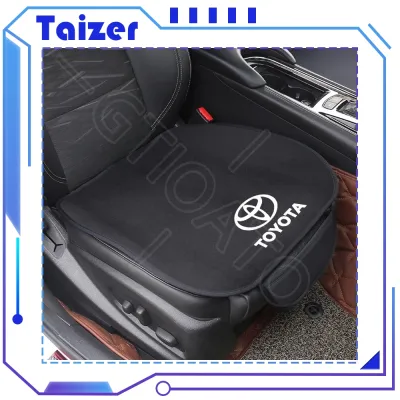
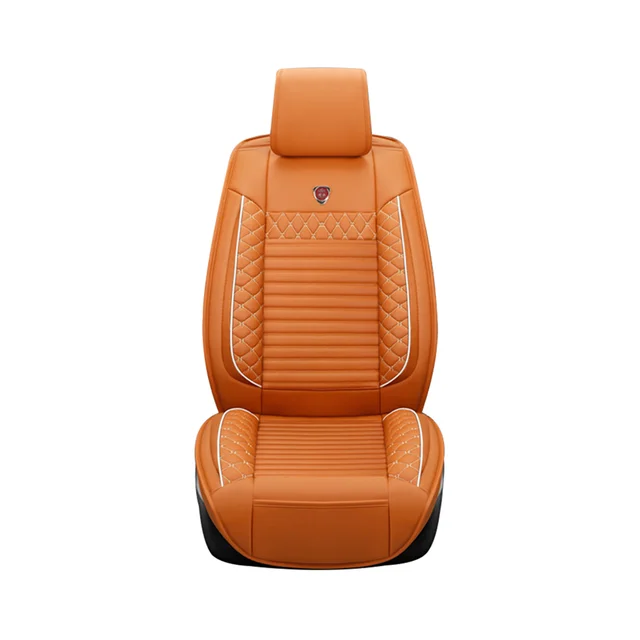
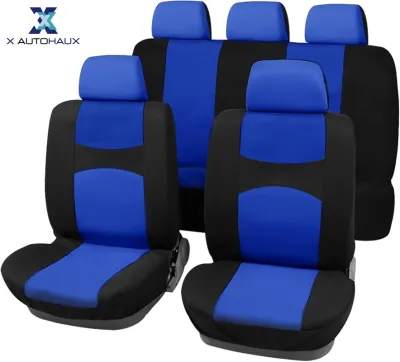
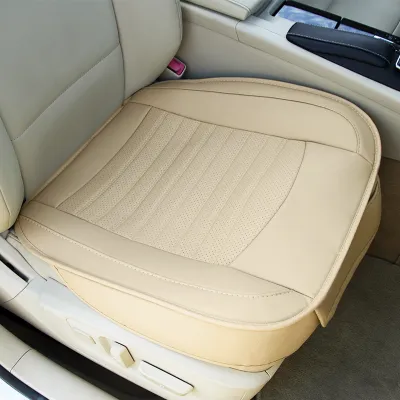
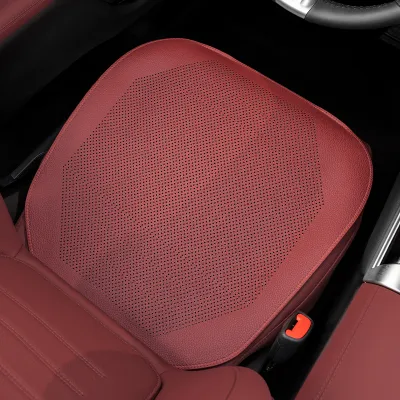
Prices are valid at publication and may change. Please refer to the product page for the latest price.
Safety First: Verifying Side Airbag Compatibility and Fitment
Safety must remain your absolute priority when selecting aftermarket car seat covers for your Toyota. Modern Toyota models—ranging from the compact Yaris Cross and Corolla Altis to larger family SUVs like the Harrier, RAV4, and multi-purpose vehicles like the Alphard or Vellfire—are equipped with Supplemental Restraint System (SRS) side airbags. These airbags are housed inside the outer bolsters of the front seats, designed to deploy outward in milliseconds during a side-impact collision.
Installing an incompatible or poorly designed seat cover can delay, alter, or completely block the deployment of these side airbags. This obstruction can lead to catastrophic failure in a collision, leaving occupants without critical protection. To prevent this, you must strictly look for seat covers that are explicitly labeled as “airbag-compatible.” These covers feature specialized, computer-tested tear-away stitching or precise side cutouts designed to break effortlessly under the force of an inflating airbag.
Never assume a “universal fit” seat cover is safe for your vehicle. Universal covers often utilize heavy elastic bands or thick synthetic backings that can wrap tightly over the airbag deployment seams. When shopping for your Toyota, cross-reference your vehicle’s specific model, year, and trim level with the seat cover manufacturer’s official fitment guide.
Additionally, consult your Toyota owner’s manual to locate the exact positions of the seat-mounted airbags. If you find any discrepancies between the seat cover’s installation instructions and your vehicle’s physical seat design—such as the presence of active headrests or unique bolster shapes—do not proceed with the installation. In such cases, it is highly recommended to seek professional installation from a certified automotive upholstery specialist to ensure all safety systems remain fully operational.
Material Breakdown: Leather, Fabric, and Breathable Mesh
Choosing the right material requires understanding how different textiles behave under daily wear, intense sunlight, and high-humidity conditions. Each material has distinct physical properties that affect comfort, cabin temperature, and long-term durability.

Leather (Genuine and Synthetic/PU)
Leather seat covers are the traditional choice for drivers seeking a luxurious, high-end aesthetic that mimics or upgrades Toyota’s factory leather trims. Genuine leather offers exceptional structural support, adapts to the contours of your body over time, and emits a classic, premium scent. From a practical standpoint, leather is highly resistant to liquid spills; a spilled drink or coffee can be wiped away immediately with a microfiber cloth, preventing liquids from seeping into the seat foam.
However, leather has a major drawback in Singapore’s tropical climate: high heat retention. When your Toyota is parked in an open-air HDB carpark or an outdoor lot under the midday sun, leather surfaces absorb and retain thermal energy rapidly. Returning to your vehicle can mean sitting on an uncomfortably hot surface that takes several minutes of maximum air conditioning to cool down.
It is also essential to distinguish between genuine leather and synthetic options like polyurethane (PU) or polyvinyl chloride (PVC) leather. Genuine leather is highly durable and breathable due to its natural pores, but it requires regular cleaning and conditioning to prevent drying and cracking under intense UV rays. Synthetic PU leather is more affordable and requires less specialized maintenance, but it is less breathable than genuine leather and can feel sticky against bare skin. Over time, lower-grade synthetic leather is prone to peeling and cracking if exposed to high UV levels and friction, so you should check product labels for UV-resistance treatments before purchasing.
Fabric (Polyester, Cotton, and Blends)
Fabric seat covers, typically made from polyester, cotton, or synthetic blends, offer a soft, tactile touch and a welcoming feel. Unlike synthetic leather, fabric does not get excessively hot when parked in direct sunlight, providing a much more comfortable initial contact when you step back into your vehicle. Fabric covers also come in a vast range of colors, weave patterns, and textures, allowing you to customize your Toyota’s interior to match your personal style.
The primary challenge with fabric is its susceptibility to liquid spills, oils, and food stains. Because fabric is porous, liquids are quickly absorbed into the fibers, which can lead to deep-set stains and unpleasant, lingering odors if not treated immediately. This makes fabric covers less ideal for families with young children or pet owners, unless you choose specialized water-resistant blends.
Materials like neoprene or heavy-duty polyester canvas are popular sub-options for active lifestyles. These materials offer improved resistance to dampness, making them useful if you frequently return to your car wet from the beach or a rainstorm. However, “water-resistant” coatings are not fully waterproof; they merely buy you time to blot away spills before they soak through. When choosing fabric, always check the manufacturer’s care instructions to verify whether the covers are machine-washable or require professional spot-cleaning treatments.
Breathable Mesh
Breathable mesh seat covers are engineered specifically to combat heat and humidity. These covers typically utilize a 3D spacer fabric structure, which consists of two layers of mesh separated by a microscopic network of vertical polyester fibers. This unique design creates a physical gap between your back and the seat, allowing air to circulate freely beneath you. By promoting continuous airflow, mesh covers significantly reduce back sweat and skin irritation during long, humid drives across Singapore.
While mesh excels at thermal management, it involves several practical trade-offs. Visually, mesh covers have a highly functional, utilitarian look that may not appeal to drivers seeking a sleek, sporty, or luxurious cabin atmosphere. The open-weave structure also makes mesh susceptible to snagging on sharp objects, such as pet claws, heavy velcro straps, keys, or rough clothing accessories, which can pull the threads and ruin the cover’s appearance.
Cleaning mesh can also be challenging. Dust, hair, and small crumbs can easily slip through the outer mesh pores and become trapped within the internal 3D spacer layer, making simple wiping ineffective. To address these structural limitations, many high-quality manufacturers offer hybrid designs, using breathable mesh panels only in the center contact zones (the backrest and seat bottom) while utilizing durable fabric or synthetic leather bolsters for structural support and easier cleaning.
Head-to-Head Comparison: Heat, Spills, and Daily Wear
To help you evaluate these materials side by side, the following matrix compares Leather, Fabric, and Breathable Mesh across the most critical ownership dimensions.
| Comparison Dimension | Leather (Genuine / PU) | Fabric (Polyester / Blends) | Breathable Mesh (3D Spacer) |
|---|---|---|---|
| Heat Retention (Parked) | High (Absorbs solar heat rapidly) | Moderate (Remains warm but touchable) | Low (Dissipates heat efficiently) |
| Cooling Speed (Driving) | Slow (Relies on cabin air cooling) | Moderate (Acclimatizes gradually) | Fast (Promotes immediate airflow) |
| Spill & Stain Resistance | High (Liquids pool on the surface) | Low (Absorbs liquids quickly) | Very Low (Liquids pass directly through) |
| Cleaning & Maintenance | Easy (Wipe clean; needs conditioning) | Moderate (Requires vacuuming/washing) | Complex (Traps dust; needs vacuuming) |
| Friction & Wear Durability | High (Resists tearing and stretching) | Moderate (Prone to pilling over time) | Moderate (Vulnerable to snagging) |
| Aesthetic Appeal | Premium, sleek, luxurious | Casual, customizable, cozy | Sporty, functional, utilitarian |
Singapore’s unique climate plays a massive role in how these materials age. Our high relative humidity means that any moisture trapped within your car’s cabin can quickly lead to mold and mildew growth. If you choose fabric covers and spill water or get them damp after a sudden downpour, you must dry them thoroughly. Leaving fabric covers damp in a closed, humid car can result in musty odors that are incredibly difficult to remove.
Conversely, high humidity combined with intense heat can accelerate the breakdown of the polyurethane layers in cheap synthetic leather, causing them to peel or become sticky. Genuine leather requires periodic conditioning with specialized automotive leather care products to maintain its natural moisture balance and prevent the leather from drying out under the intense equatorial sun.
Remember that material names alone do not guarantee performance. When purchasing car seat covers for your Toyota, always verify the specific product details, weave density, and protective coatings listed on the packaging or the manufacturer’s website. A high-density, treated fabric cover may offer better spill resistance than a cheap, thin synthetic leather cover that degrades after a few months of sun exposure.
Decision Framework: Match the Material to Your Lifestyle
Selecting the perfect seat cover comes down to analyzing your daily driving routine, cabin environment, and personal priorities. Use this condition-based framework to guide your final decision.
Choose Leather if:
- You want to maintain or elevate your Toyota's premium interior aesthetic.
- You frequently travel with young children, pets, or food, making instant spill cleanup a necessity.
- You primarily park your vehicle in shaded, covered, or multi-storey carparks, minimizing direct exposure to the sun.
- You are willing to perform occasional leather conditioning to preserve the material's suppleness and prevent cracking.
Choose Fabric if:
- You prioritize a soft, comfortable seating surface that does not feel excessively hot or cold upon entry.
- You want a budget-friendly option with a wide variety of colors and patterns to match your personal style.
- You do not mind performing regular vacuuming and immediate spot-cleaning when spills occur.
- You prefer a material that can be easily removed and washed (if labeled as machine-washable) to maintain cabin hygiene.
Choose Breathable Mesh if:
- Your single greatest driving discomfort is back sweat, heat buildup, and humidity during hot day commutes.
- You prioritize functional cooling and maximum airflow over a luxury or leather-look cabin.
- You are willing to use specialized vacuum attachments to lift deep-seated dust and debris from the 3D spacer pores.
- You do not frequently transport pets with sharp claws or items with heavy velcro that could snag the open mesh weave.
Before finalizing your purchase, verify your Toyota’s exact seat specifications. Pay close attention to features like integrated headrests, side airbag locations, seat adjustment levers, and split-folding rear seats. If your seat cover installation instructions conflict with your vehicle’s physical layout or your owner’s manual, stop and consult a professional installer. Ensuring a precise, secure fit is the only way to guarantee that your new seat covers will look excellent, feel comfortable, and perform safely on every drive.
Frequently Asked Questions (FAQ)
Do aftermarket seat covers void my Toyota warranty?
Installing aftermarket seat covers generally does not void your overall Toyota vehicle warranty. However, they can affect specific warranty claims related to your original seat upholstery or seat electronics if the aftermarket covers cause direct damage. For example, if a cheap synthetic cover suffers from color bleeding that permanently stains your original fabric seats, or if trapped moisture beneath a non-breathable cover causes rust on the seat’s metal frames, Toyota’s warranty will not cover the repair costs. Additionally, if an uncertified cover interferes with seat-mounted sensors or airbag systems, any resulting damage or system errors may not be covered under warranty. To protect your investment, always choose high-quality, certified covers and consult your authorized Toyota dealer if you have questions regarding interior modifications.
How do I clean breathable mesh without pushing dirt deeper?
Cleaning breathable mesh requires a gentle, calculated approach to avoid pushing dust and debris into the internal 3D spacer layer. Start by using a vacuum cleaner equipped with a soft brush attachment, gently sweeping across the mesh surface to lift loose dust, hair, and crumbs from the pores. For liquid stains, avoid rubbing the fabric, as this pushes the stain deeper into the fibers. Instead, apply a small amount of mild, automotive-specific upholstery cleaner to a clean microfiber cloth and gently blot the affected area. If the manufacturer’s care label permits, you can remove the covers and hand-wash them in cool water with a mild detergent, allowing them to air-dry completely in a shaded, well-ventilated area. Never use high-pressure water, steam cleaners, or harsh chemical solvents, as these can degrade the delicate 3D spacer fibers or cause the backing material to delaminate.

Community discussion
Share your experience or ask a question. Comments are reviewed before publication.