
Selecting the right lorry seat cover depends on your daily driving environment, maintenance habits, and comfort priorities. For drivers operating in humid tropical climates, a seat cover is not just an aesthetic upgrade but a functional necessity that protects the vehicle’s interior from sweat, dirt, and wear. Leather or synthetic leatherette offers excellent spill resistance and rapid wipe-downs for messy worksites. Fabric provides immediate temperature neutrality and reliable everyday comfort. Breathable mesh delivers essential airflow to reduce back sweat during long-haul shifts. Matching your specific cabin conditions and driving habits to the correct material ensures long-term comfort and protects your vehicle’s resale value.
Assessing Your Driving Habits and Cabin Environment
Before comparing materials, you must evaluate how you use your lorry on a daily basis. Consider the total hours you spend behind the wheel during a typical shift. Long-haul drivers or those operating delivery routes with frequent stops experience different physical demands than drivers who only use their vehicles for short, occasional trips. You should also observe how much direct sunlight enters your cabin through the windshield and side windows, as prolonged exposure to solar heat significantly affects the surface temperature of your seats.
Cabin climate control is another critical factor. Assess whether your lorry has an air-conditioning system that runs constantly, or if you frequently drive with the windows down or rely on basic ventilation. In warm, humid environments, a cabin without continuous air conditioning will quickly make certain seat materials feel sticky or uncomfortably hot.
Products mentioned in this guide
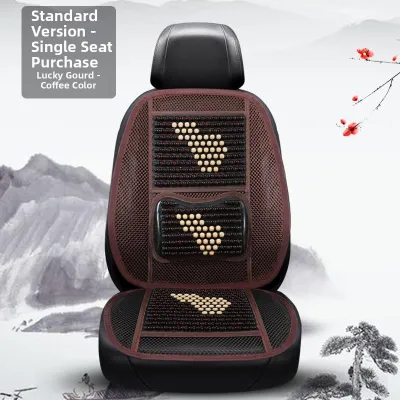
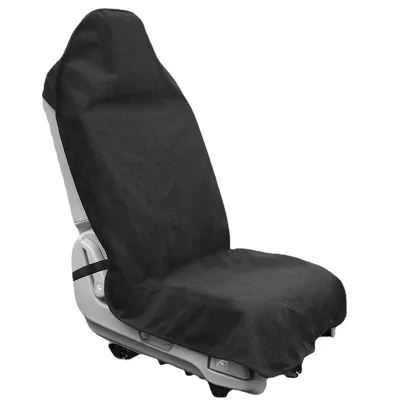
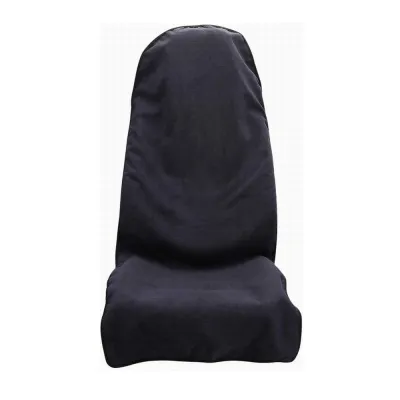
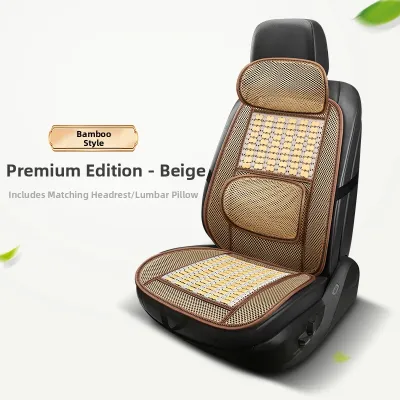
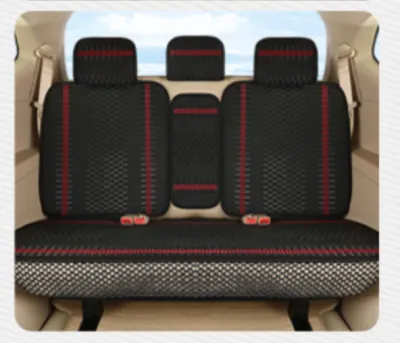
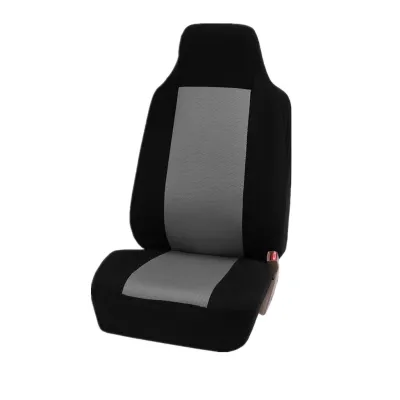
Prices are valid at publication and may change. Please refer to the product page for the latest price.
Finally, analyze your daily work environment and cargo. If your job involves transporting dusty construction materials, wet goods, or greasy tools, your cabin is highly susceptible to dirt transfer. Similarly, if you regularly eat or drink inside the vehicle to save time between deliveries, the risk of accidental spills increases. Understanding these baseline factors helps narrow down whether you need a material focused on heavy-duty protection, thermal comfort, or ease of cleaning.
Leather Seat Covers: Spill Resistance and Easy Maintenance
Leather and high-quality synthetic leatherette seat covers are highly valued for their durability and premium appearance. The primary advantage of leather is its non-porous surface, which prevents liquids, grease, and dirt from penetrating the underlying seat foam. If you frequently enter the cabin with dirty work clothes or carry tools that might transfer grime, a leather cover allows you to wipe the surface clean with a damp cloth in seconds. This makes it an excellent choice for construction, landscaping, and logistics operations where dirt is a constant presence.

However, leather has distinct thermal characteristics that you must consider. In hot climates, leather surfaces absorb and retain heat when exposed to direct sunlight. If your lorry is parked in an open lot, the seats can become uncomfortably hot to the touch, requiring you to run the air conditioning for several minutes before driving comfortably. Without adequate cabin ventilation, leather can also feel sticky against bare skin or thin clothing during long drives.
Maintaining leather covers requires regular attention to prevent premature aging. Over time, exposure to ultraviolet (UV) rays and sweat can cause leatherette or natural leather to dry out, crack, or peel. To prevent this, you should periodically apply a dedicated interior UV protectant or leather conditioner, following the manufacturer’s instructions. Regularly checking the material for signs of wear along the bolster seams will help you address friction damage before it tears.
Fabric Seat Covers: Temperature Neutrality and Everyday Comfort
Fabric seat covers, often made from woven polyester, canvas, or jacquard blends, are popular for their immediate comfort and cost-effective utility. Unlike leather, fabric is temperature-neutral. It does not become excessively hot under direct sunlight, nor does it feel cold or clammy. This makes fabric highly comfortable the moment you climb into the cab, reducing the need to wait for the air conditioning to cool the seating surface.
The main trade-off with fabric is its susceptibility to stains and liquid absorption. If you spill coffee, water, or oil on a fabric cover, the liquid will quickly soak into the fibers. Once absorbed, stains can be difficult to remove without specialized upholstery cleaners or wet-vacuuming equipment. If left untreated, trapped moisture can lead to unpleasant odors and mold growth within the cabin, especially in humid climates.
When selecting fabric, pay close attention to the weave density and friction durability. Drivers who frequently climb in and out of the lorry—such as local delivery couriers—put significant friction wear on the outer seat bolsters. Heavy-duty canvas or tightly woven polyester covers resist this abrasive wear much better than lighter, brushed fabrics. Inspecting the seams and choosing reinforced stitching will ensure the cover handles the daily physical strain of commercial use.
Breathable Mesh Seat Covers: Airflow and Long-Haul Support
Breathable mesh seat covers are engineered specifically to maximize ventilation and reduce physical fatigue during extended driving shifts. These covers typically feature a multi-layered, open-weave design that allows air to circulate freely between your body and the seat backrest. By facilitating constant airflow, mesh significantly reduces sweat accumulation on your back and thighs, keeping you dry and comfortable even during long hours in a warm cabin.
While mesh excels at temperature regulation, it offers different structural characteristics than padded leather or fabric. Mesh covers are generally thinner and rely on the lorry’s original seat cushioning for primary support. Some mesh options include integrated lumbar support panels or tensioned frames to improve posture, but they do not add the plush, heavy padding found in thick fabric or leather covers. If your original seat foam is already worn out or collapsed, a thin mesh cover will not restore comfortable cushioning.
Cleaning mesh covers requires a specific approach due to their open-weave structure. Fine dust, sand, and food crumbs easily slip through the mesh pores and become trapped in the layers beneath or on the original seat surface. To maintain cleanliness, you must vacuum the cover regularly using a brush attachment to pull debris out of the weave. For deeper cleans, you will typically need to remove the cover entirely to wash it according to the manufacturer’s care label.
Material Comparison and Decision Framework
To help you finalize your choice, compare how each material performs across key operational categories. The table below outlines the practical differences to guide your purchasing decision.
| Material | Spill Resistance | Initial Temperature Feel | Primary Cleaning Method | Ideal Driver Profile |
|---|---|---|---|---|
| Leather / Leatherette | High (Wipe-clean) | Warm/Hot in sun | Damp cloth & wipe | Dirty worksites, high spill risk, quick clean needs |
| Fabric | Low (Absorbent) | Neutral | Vacuum & spot cleaner | Frequent entry/exit, budget-conscious, dry cargo |
| Breathable Mesh | Low (Porous) | Cool (High airflow) | Vacuum with brush | Long-haul driving, warm cabins, sweat reduction |
Use this decision framework to match your daily routine to the right material:
- Choose Leather if your daily work involves mud, grease, or frequent liquid spills, and you want a surface that can be restored to clean condition with a simple wipe-down.
- Choose Fabric if you prioritize immediate seating comfort without temperature extremes, do not frequently deal with wet or oily cargo, and want a durable, cost-effective option.
- Choose Mesh if you spend long, uninterrupted hours behind the wheel, operate in a warm or poorly ventilated cabin, and require maximum airflow to prevent sweat and back discomfort.
Note that if your lorry’s original seats have severe structural damage, collapsed foam, or exposed metal frames, a slip-on seat cover is not a suitable solution. In these cases, you must seek professional upholstery repair or seat replacement to ensure proper physical support and safety before installing any aftermarket cover.
Fitment, Safety, and Installation Checks
Before purchasing any lorry seat cover, you must verify its compatibility with your specific vehicle model, year, and built-in safety systems. Modern lorries often feature side-impact airbags integrated into the outer edges of the front seats. If your vehicle is equipped with these airbags, you must only install seat covers explicitly certified as airbag-compatible. These covers feature specialized, weak seams designed to tear open instantly when an airbag deploys. Installing an incompatible cover can block the airbag, causing severe safety risks during a collision.
Additionally, check the routing of your integrated seatbelt mechanisms. The seat cover must not obstruct, pinch, or alter the path of the seatbelt webbing or buckle. Verify that all headrests, armrests, and seat adjustment levers remain fully functional and accessible after installation. If a cover requires you to disable or bypass any original safety control, do not use it.
To prevent the cover from shifting while you drive, ensure it features a robust, non-slip backing and secure anchoring straps. A loose or sliding seat cover can distract you, interfere with your access to the pedals, or cause muscle strain as you constantly adjust your posture. Always follow the manufacturer’s installation instructions carefully, and re-tighten the mounting straps after the first week of use to accommodate initial stretching.
Frequently Asked Questions (FAQ)
Can I install a seat cover over a torn or damaged lorry seat?
Installing a seat cover over a torn or damaged seat is generally not recommended as a permanent fix. If the original seat foam is torn or crumbling, covering it will trap loose debris and moisture underneath, accelerating the degradation of the remaining cushion. Over time, the lack of structural support can lead to poor driving posture and back pain. If the damage is minor, patch the tear using a suitable repair kit before applying the cover. For extensive damage or collapsed foam, consult a professional vehicle upholsterer to repair the seat structure first.
How do I clean breathable mesh without damaging the material?
To clean breathable mesh without damaging its open-weave structure, start by thoroughly vacuuming the surface using a soft brush attachment to dislodge and remove embedded dust and crumbs. Avoid using stiff wire brushes or high-pressure water sprays, which can fray the synthetic fibers or stretch the mesh out of shape. For spot cleaning, use a mild, pH-neutral detergent diluted in warm water, and gently blot the area with a microfiber cloth. Always check the manufacturer’s care label for specific washing limits, and allow the cover to air dry completely in a well-ventilated area before reinstalling it to prevent mold.

Community discussion
Share your experience or ask a question. Comments are reviewed before publication.