
Quick Answer: Which Headrest Cushion Material Suits You?
Selecting the ideal headrest cushion depends on balancing your daily driving environment, maintenance preferences, and comfort priorities. For drivers seeking a premium aesthetic and effortless cleanup, leather or synthetic leather is the standard choice, as spills can be wiped away instantly. If you prioritize a soft, plush feel and want a surface that remains temperature-neutral in both cold and warm weather, woven fabric is highly suitable. For those operating vehicles in tropical climates like Singapore, where high humidity and heat are constant, a breathable 3D mesh cushion is often the most practical option because its open-weave structure actively promotes airflow and heat dissipation.
Material Breakdown: Characteristics and Trade-offs
Every headrest cushion material possesses distinct physical properties that dictate how it feels against your neck and how it holds up inside a vehicle. Manufacturers utilize different construction methods, ranging from natural animal hides to engineered synthetic polymers. The thickness of the cushion, combined with its internal backing layers, directly influences how well the accessory conforms to your car seat and supports your posture. Because performance characteristics vary widely by brand, always verify the manufacturer’s exact specifications and product labels before making a purchase.

Leather and Synthetic Leather
Genuine leather and synthetic alternatives (such as polyurethane or vinyl) offer a smooth, continuous surface that gives car interiors a polished, upscale appearance. This non-porous surface makes it incredibly simple to wipe away dust, sweat, and accidental liquid spills with a damp cloth. However, these materials are prone to heat retention; when a vehicle is parked in direct sunlight, the surface can become uncomfortably hot and may feel sticky against bare skin. While genuine leather requires periodic conditioning to prevent drying and cracking, synthetic leather is generally lower maintenance but may have a shorter overall lifespan under intense UV exposure.
Products mentioned in this guide
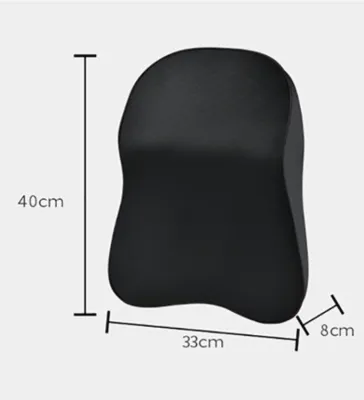
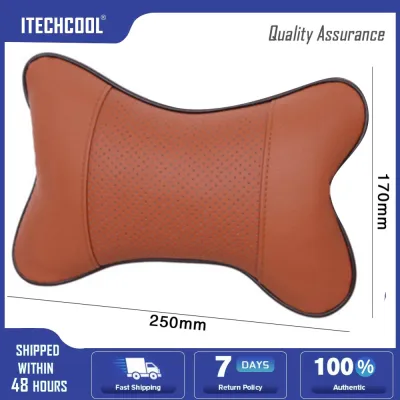
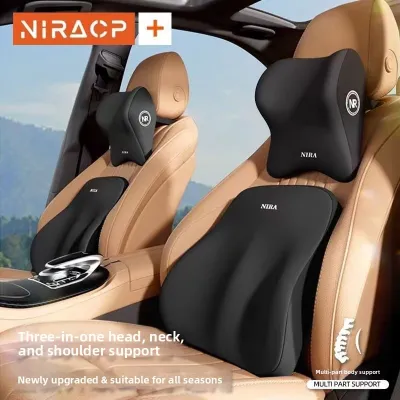
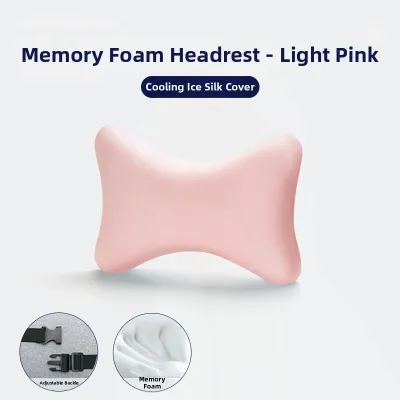
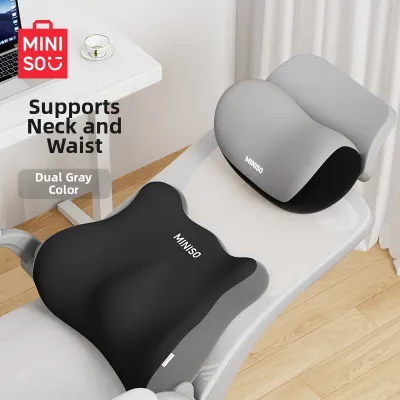
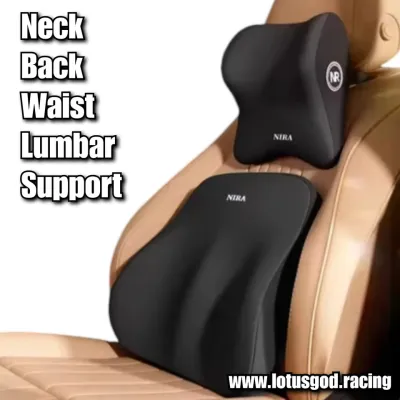
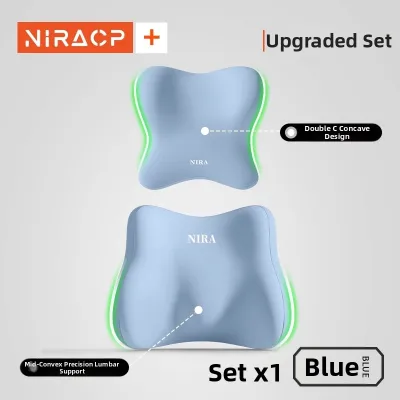
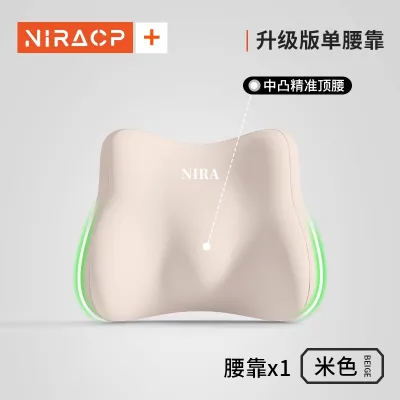
Prices are valid at publication and may change. Please refer to the product page for the latest price.
Fabric and Cloth
Woven fabric and cloth cushions are widely appreciated for their soft, inviting texture and excellent temperature neutrality. Unlike leather, fabric does not become excessively hot in the sun or freezing in cold weather, providing a consistent level of comfort the moment you sit down. The primary trade-off is that woven fibers are highly porous, meaning they easily absorb moisture, sweat, body oils, and ambient odors over time. To maintain hygiene, it is crucial to check the product labels for removable and machine-washable covers, allowing you to launder the fabric periodically.
Breathable Mesh
Breathable mesh cushions utilize an open-weave or specialized 3D spacer fabric designed specifically to maximize air circulation. This structural design allows heat and moisture to escape continuously, significantly reducing the likelihood of a sweaty neck during long drives. Because of their springy, woven polymer construction, mesh cushions typically offer a firmer, more elastic support profile compared to plush foam or fabric options. One minor drawback is that the open mesh pattern can occasionally snag on sharp objects, jewelry, or rough clothing seams, which may pull the fibers over time.
Evaluating Comfort, Durability, and Maintenance
To make an informed decision, you must compare how these three materials perform across the essential categories of daily comfort, long-term durability, and routine maintenance.
Comfort is highly subjective and depends on your physical support needs. Fabric cushions offer a traditional, cushioned plushness that gently cradles the neck. Breathable mesh provides a springy, high-tension support that keeps its shape under pressure, making it excellent for drivers who dislike sinking too deeply into a pillow. Leather sits in the middle, offering a smooth, conforming feel that gradually adapts to your posture, though its lack of breathability can compromise comfort on humid days.
Durability is heavily influenced by environmental exposure inside the cabin. High-quality genuine leather offers exceptional resistance to daily friction and wear, often lasting for years if treated with protective conditioners. Fabric cushions resist friction well but are vulnerable to staining and fiber degradation from accumulated moisture and sweat. Breathable mesh is highly resilient against moisture and stretching, but its exposed weave makes it more susceptible to physical snags. Always check the manufacturer’s warranty terms to understand the expected lifespan of the specific product.
Maintenance requirements vary from effortless to highly involved. Leather cushions require only a quick wipe with a damp microfiber cloth to remove surface dirt, though they benefit from occasional leather cleaner application. Fabric cushions require regular vacuuming to remove dust and must be laundered to eliminate deep-seated odors and stains. Mesh cushions also require vacuuming with a brush attachment to clear debris from the open pores, and they must be washed according to specific care instructions to avoid damaging the structural tension of the weave.
How to Select the Best Material for Your Driving Environment
Your local climate and daily parking situation should play a major role in your material choice. In Singapore’s tropical climate, vehicles parked in open-air lots absorb massive amounts of solar heat. Under these conditions, a leather cushion can reach scorching temperatures, making breathable mesh or temperature-neutral fabric a much more comfortable choice for daily commuters. Conversely, if your vehicle is primarily parked in shaded, multi-story, or basement car parks, or if you run the air conditioning at high settings constantly, a premium leather cushion remains a highly viable and comfortable option.
Your passenger profile and lifestyle are equally important factors. If you frequently travel with young children or pets, spills and dirt are inevitable; in this scenario, the easy-wipe nature of leather or synthetic leather will save you significant cleaning time. If you or your passengers have highly sensitive skin, a soft, hypoallergenic woven fabric cushion may prevent the irritation sometimes caused by synthetic materials or firm mesh textures.
Finally, consider aesthetic matching to maintain a cohesive interior design. A high-end leather cushion can look out of place on entry-level fabric seats, just as a sporty mesh cushion might disrupt the elegant look of a luxury leather cabin. Try to match the texture, color, and stitching style of the headrest cushion to your existing upholstery to ensure a seamless, factory-installed appearance.
Installation and Routine Care Guidelines
Proper installation is critical to ensure both comfort and safety. Most headrest cushions secure to the seat using elastic straps, buckles, or hook-and-loop fasteners that wrap around the headrest posts. When fitting the cushion, ensure it does not interfere with the seat’s adjustment mechanisms or block the deployment paths of side airbags. Crucially, if your vehicle is equipped with active headrests—which move forward automatically during a collision to prevent whiplash—ensure the cushion straps do not restrict or disable this safety mechanism.
For routine care, always follow the manufacturer’s guidelines to preserve the material’s integrity. Use only approved cleaning agents; for instance, harsh household detergents can strip the natural oils from genuine leather or degrade the flame-retardant coatings on fabric and mesh.
Establish clear stop conditions for using your accessory. If you notice the cushion slipping out of place during transit, obstructing your rearward visibility, or forcing your head into an unnatural forward angle that strains your neck, remove the cushion immediately. A headrest accessory should support your natural driving posture, not compromise your control or safety on the road.
Frequently Asked Questions (FAQ)
Can I use a leather headrest cushion on fabric car seats?
Yes, you can physically install a leather headrest cushion on fabric car seats, but you must pay attention to stability. Leather and synthetic backings often lack grip when placed against woven fabric, which can cause the cushion to slide or shift during turns. To prevent this, look for cushions that feature a non-slip, textured backing material, or use a small non-slip grip pad between the strap and the seat structure to keep the accessory firmly in place.
How do I clean a breathable mesh headrest cushion?
To clean a breathable mesh cushion, start by using a vacuum cleaner equipped with a soft brush attachment to draw out dust, lint, and crumbs embedded deep within the 3D weave. For deeper cleaning, check the care label to see if the cover is removable. If it is machine-washable, wash it on a gentle cycle inside a mesh laundry bag using mild detergent. If it is not removable, gently spot-clean the surface with a damp cloth and mild soapy water, then allow it to air-dry completely in a well-ventilated area away from direct sunlight.
Will a headrest cushion affect my car's safety features?
An improperly chosen or poorly installed headrest cushion can seriously compromise your safety. Car headrests are designed to limit the rearward movement of your head during a rear-end collision, reducing the risk of whiplash. If you install a cushion that is too thick, it can push your head too far forward or alter the critical distance between your head and the headrest. Always ensure the cushion allows your head to rest in a natural, upright position, and verify that the mounting straps do not block active headrest systems or seat-mounted airbag deployment zones.

Community discussion
Share your experience or ask a question. Comments are reviewed before publication.