
Selecting the right full-surround car mat for your driver’s seat depends on how you balance aesthetic preferences, local weather exposure, and maintenance habits. While synthetic polyurethane (PU) leather offers a premium, tailored look that complements luxury cabins, thermoplastic elastomer (TPE) provides robust, waterproof protection ideal for wet seasons. Meanwhile, cross-linked polyethylene (XPE) offers a lightweight, cushioned middle ground with moderate water resistance. Because the driver’s footwell is a high-wear zone directly linked to vehicle control, selecting the right material requires evaluating how each option handles friction, moisture, and pedal clearance.
Identifying Your Priorities for the Driver's Seat
Before comparing materials, you must assess your daily driving environment and physical requirements. If you frequently commute in heavy stop-and-go traffic, underfoot comfort and heel support become primary concerns. Drivers who often face sudden downpours, muddy paths, or spilled drinks will prioritize quick-cleaning, waterproof barriers over plush textures.
Consider the typical cabin environment of your vehicle. A luxury sedan with delicate leather upholstery might benefit from a mat that matches its refined interior styling. Conversely, a family sports utility vehicle or a work truck might demand a rugged, utilitarian material that can withstand heavy dirt, sand, and frequent washing.
Products mentioned in this guide
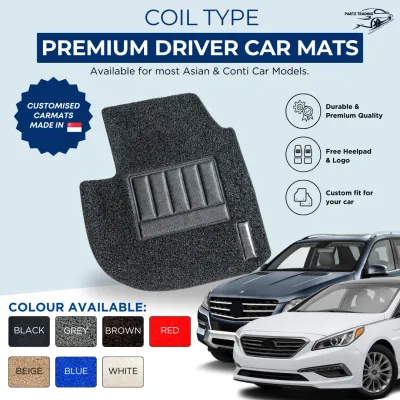
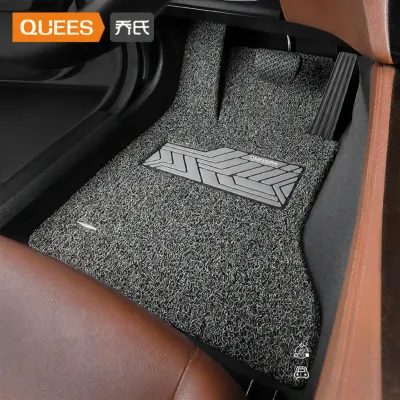
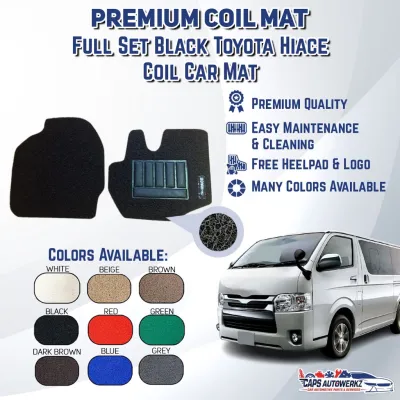
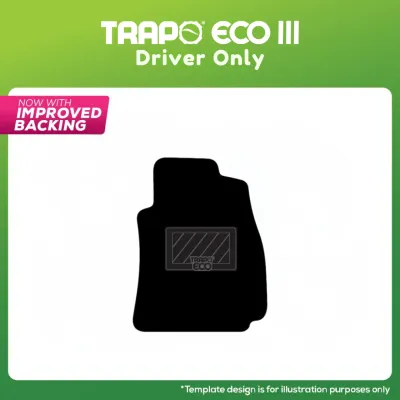
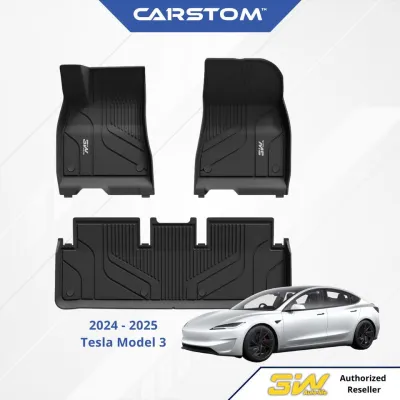
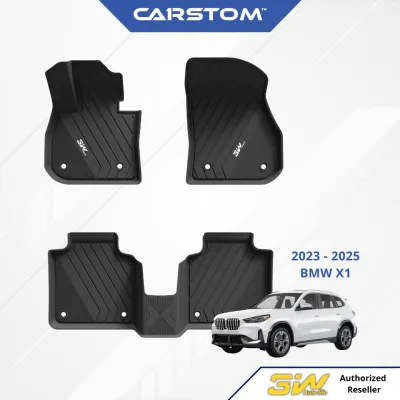
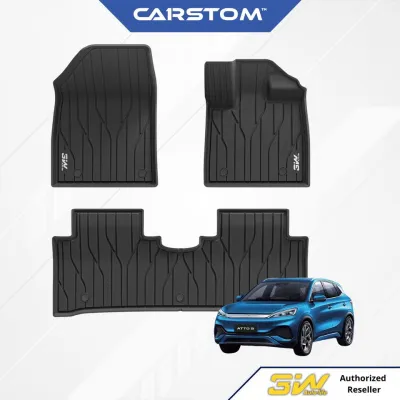
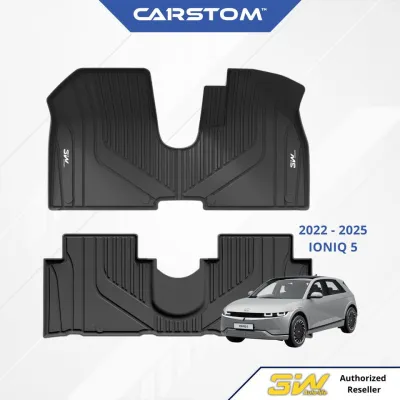
Prices are valid at publication and may change. Please refer to the product page for the latest price.
You must also examine your vehicle’s existing floor layout. Take note of the factory floor anchors, the position of the dead pedal, and the travel path of the accelerator and brake pedals. Some vehicles feature floor-mounted accelerator pedals, while others have suspended designs. This physical layout dictates how a full-surround mat must sit to avoid interfering with vehicle operation.
Material Profiles: Leather, TPE, and XPE
Standard flat car mats only cover the horizontal floor area, leaving the side carpets, transmission tunnel, and dead pedal exposed to dirt and wear. Full-surround mats, often referred to as 3D or 5D mats, are molded to climb up the walls of the footwell, providing comprehensive coverage. This design prevents debris from slipping underneath the mat and staining the factory carpet.

When evaluating these mats, it is important to understand what the terms actually mean. The “leather” used in automotive floor mats is almost exclusively synthetic polyurethane (PU) leather rather than genuine animal hide. PU leather is engineered to withstand the high-friction environment of a footwell while remaining easier to clean than natural leather.
The performance of any full-surround mat depends heavily on its manufacturing quality. A precise, vehicle-specific mold is essential to ensure the raised edges align precisely with your car’s interior contours. Additionally, the backing material—whether it uses anti-slip nibs, hook-and-loop fasteners, or a textured friction layer—plays a critical role in keeping the mat securely in place.
Leather (PU Leather) Full-Surround Mats
Synthetic leather full-surround mats are highly favored for their premium appearance. They often feature intricate diamond-stitch patterns and a semi-gloss finish that elevates the overall look of the cabin. For drivers who want their car interior to feel cohesive and upscale, PU leather offers an aesthetic integration that utility mats cannot match.
In terms of daily maintenance, synthetic leather is relatively straightforward to care for when dealing with dry dust or light dirt. You can easily wipe the surface clean with a damp microfiber cloth to restore its appearance. This makes it a convenient option for drivers who keep a tidy cabin and rarely track heavy mud or water into the vehicle.
However, synthetic leather has distinct limitations in wet or harsh conditions. Because these mats rely on stitched seams to create their 3D shape, water can eventually seep through the needle holes if liquids are allowed to pool in the footwell. Over time, trapped moisture can degrade the inner foam layers or cause musty odors to develop in the cabin.
Furthermore, the smooth surface of PU leather can become slippery when wet, potentially affecting your foot grip on the pedals. The material is also susceptible to surface scratching from sharp shoe heels, gravel embedded in shoe soles, or heavy friction. In hot climates, prolonged exposure to direct sunlight through the windshield can cause the synthetic material to retain heat and potentially emit a synthetic odor if low-quality adhesives were used during manufacturing.
TPE (Thermoplastic Elastomer) Mats
Thermoplastic elastomer (TPE) is a rubber-like material that combines the durability of industrial plastics with the flexibility of rubber. TPE mats are typically manufactured using advanced injection molding or thermoforming processes, resulting in a highly precise, rigid fit that conforms exactly to the driver’s footwell.
One of the primary advantages of TPE is its exceptional all-weather performance. The material is completely waterproof, non-porous, and naturally odorless, even when exposed to high cabin temperatures. Because TPE does not rely on stitched seams, it forms an absolute barrier against spilled liquids, mud, and melting snow, keeping moisture entirely isolated from the vehicle’s factory carpet.
Cleaning a TPE mat is exceptionally simple. You can remove the mat from the vehicle, hose it down with clean water, and wipe it dry with a towel or let it air-dry for a few minutes. The non-porous surface does not absorb stains or odors, making it highly resilient against spilled coffee, mud, or pet messes. Many TPE mats feature deep channels and raised outer lips designed to trap liquids and debris until they can be cleaned.
Despite these benefits, TPE mats have some trade-offs. They tend to have a more utilitarian, industrial appearance that may not blend well with luxury or classic car interiors. The material is also heavier and stiffer than other options, which can make installation and removal slightly more physically demanding. If the mat is not molded with absolute precision for your specific vehicle model, the rigid edges can warp or flare outward over time, creating gaps where dirt can accumulate.
XPE (Cross-Linked Polyethylene) Mats
Cross-linked polyethylene (XPE) is a lightweight, closed-cell foam material known for its excellent cushioning and insulation properties. In full-surround car mats, XPE is often used as a core layer sandwiched between a protective top wear layer and an anti-slip backing. This multi-layer construction provides a unique balance of comfort and utility.
The foam-like structure of XPE offers notable underfoot comfort, absorbing vibrations from the road and reducing foot fatigue during long commutes. It also acts as an effective sound dampening barrier, helping to quieten road noise that enters through the floorboards. For drivers who prioritize a soft, cushioned feel under their heels, XPE provides a noticeably more comfortable surface than rigid TPE.
From a maintenance perspective, XPE mats feature a water-resistant top layer that prevents minor spills and wet shoes from soaking into the core. However, because XPE mats are softer and more flexible, you must regularly check the backing and seams. If water bypasses the edges or penetrates the stitching of a multi-layer XPE mat, moisture can become trapped underneath, leading to mold growth on the vehicle’s original carpet.
The primary limitation of XPE is its long-term durability under high-stress conditions. The soft, cushioned nature of the foam means it can compress permanently over time in areas subjected to constant pressure, such as directly beneath the driver’s heel. Additionally, XPE is more vulnerable to punctures, tears, or deep gouges from sharp shoe heels, heavy boots, or stones wedged in shoe treads.
Comparing Durability, Grip, and Maintenance
To help you decide which material aligns best with your driving habits, it is useful to compare their core characteristics side by side. Each material excels in different areas, meaning your choice will involve trading off certain benefits to secure others.
| Feature | Synthetic PU Leather | TPE (Thermoplastic Elastomer) | XPE (Cross-Linked Polyethylene) |
|---|---|---|---|
| Aesthetic Style | Premium, luxury, diamond-stitched | Utilitarian, functional, modern | Clean, textured, low-profile |
| Water Resistance | Moderate (seams may leak) | Excellent (100% waterproof) | Good (water-resistant top layer) |
| Underfoot Comfort | Moderate | Firm and rigid | Soft and cushioned |
| Cleaning Method | Wipe with damp cloth | Hose down and air dry | Wipe clean or light wash |
| Durability | Moderate (prone to scuffs) | High (highly wear-resistant) | Moderate (can compress over time) |
| Weight | Moderate | Heavy | Very lightweight |
When evaluating grip and pedal safety, surface texture is paramount. TPE mats often feature molded ridges, patterns, or textured surfaces designed to provide traction even when your shoes are wet. Synthetic leather mats may require additional heel pads—often made of metal or textured rubber—integrated into the driver’s side to prevent your foot from slipping during critical braking or acceleration maneuvers. XPE mats typically feature a textured synthetic top layer that offers moderate grip, but you must ensure the surface does not wear smooth over time.
Long-term wear indicators vary significantly across these materials. For synthetic leather, look out for fraying stitches, peeling surface layers, or deep scuffs where your heel rests. For TPE, inspect the edges to ensure they remain flush against the footwell walls and check for any cracking in extreme temperature zones. For XPE, monitor the mat for deep depressions under the pedals, cracking along fold lines, or separation of the laminated layers.
Safety Boundaries and Fitment Verification
Regardless of the material you choose, safety must be your absolute priority when installing any aftermarket floor mat in the driver’s footwell. An improperly fitted mat can slide forward, trap the accelerator pedal, or obstruct the brake pedal, leading to extremely dangerous driving conditions.
Before purchasing any full-surround mat, verify that it is designed specifically for your vehicle’s exact make, model, year, and trim level. Never rely on generic “universal fit” claims for full-surround designs, as even minor variations in floor contours can cause the mat to sit incorrectly. If your vehicle has a floor-mounted accelerator pedal, the mat must have a precise cutout or contour that allows the pedal to depress fully without any resistance.
Always utilize your vehicle’s factory retention systems. Most modern cars feature floor anchors, clips, or twist-locks designed to keep the driver’s mat securely in place. Ensure the aftermarket mat you select is fully compatible with these factory anchors. If the mat relies on additional clips that attach to the plastic trim of your footwell, verify that they hold the mat firmly and do not allow any forward or lateral movement.
Immediately after installing a new driver’s mat, perform a thorough safety check before starting the engine. With the vehicle parked and the ignition off, manually depress the accelerator, brake, and clutch pedals (if applicable) through their entire range of motion. Confirm that none of the pedals catch on the edges, surface patterns, or heel pads of the mat. Adjust the driver’s seat through its full travel range to ensure it does not bind against the raised sides of the full-surround mat. If you detect any interference, remove the mat immediately and consult the manufacturer’s documentation or a qualified professional.
Final Decision Guide: Which Material Fits Your Drive?
Choosing the right full-surround car mat comes down to matching the material’s strengths with your daily driving reality.
Opt for synthetic PU leather if you prioritize a refined, luxury aesthetic and primarily drive in urban, dry environments. This material is ideal for drivers who appreciate a clean, coordinated cabin look and are comfortable performing regular, light maintenance with a microfiber cloth.
Select TPE if you require maximum durability, absolute waterproof protection, and hassle-free cleaning. This is a highly practical choice for active drivers, families, or those living in regions with frequent heavy rain, as it ensures mud, water, and dirt are completely contained and easily washed away.
Choose XPE if you want a lightweight, comfortable mat that offers excellent sound insulation and a cushioned feel underfoot. It is well-suited for daily commuters who spend long hours behind the wheel and want to reduce road vibrations without sacrificing side-wall coverage.
Before making your final selection, always check your vehicle’s owner’s manual for any specific warnings or guidelines regarding aftermarket floor mats. Verify the return policy of the retailer to ensure you can return or exchange the mat if the physical fitment is not absolutely precise for your driver’s seat.

Community discussion
Share your experience or ask a question. Comments are reviewed before publication.