
Selecting the right cover for your vehicle’s On-Board Unit (OBU) is a balancing act between protecting the device, preserving your dashboard’s appearance, and ensuring uninterrupted electronic transactions. There is no single superior material for an OBU cover; the right choice depends on whether you prioritize premium aesthetics, practical grip, or glare reduction. Leather offers a refined look that matches many car interiors but requires regular conditioning to prevent drying and cracking under intense sunlight. Silicone provides excellent non-slip stability and easy cleaning, making it highly practical for daily use, though it may lack a premium feel. Fabric reduces windshield glare and offers a soft texture but can trap dust and requires more careful cleaning. Before selecting any material, you must verify that the cover design does not obstruct the OBU unit’s ventilation gaps, infrared sensors, or smart card slot, and ensure the material can withstand the high cabin temperatures typical of Singapore’s tropical climate.
Defining Your Dashboard Protection Priorities
Before comparing specific materials, you must evaluate the environmental and physical conditions your vehicle experiences daily. Singapore’s tropical climate subjects parked cars to intense solar radiation, causing cabin temperatures to rise significantly. This extreme heat can affect both the dashboard surface and any electronic devices mounted on it, including your OBU. Therefore, any protective accessory you introduce must be capable of handling prolonged heat exposure without degrading, emitting harmful fumes, or trapping excess heat around the device.
Additionally, you need to check the physical dimensions and layout of your specific OBU model. Modern units rely on clear ventilation paths to dissipate heat generated during operation, as well as unobstructed pathways for infrared signals and physical smart card insertion. A cover that fits too tightly or lacks precise cutouts can cause the unit to overheat or fail during toll transactions.
Products mentioned in this guide
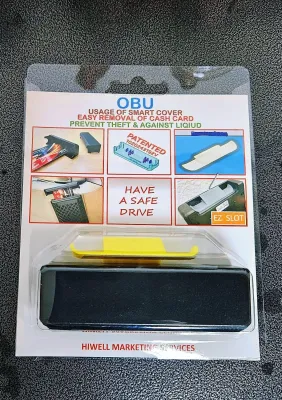
Prices are valid at publication and may change. Please refer to the product page for the latest price.
Finally, identify your personal driving priorities. If your dashboard is highly sloped, grip stability is crucial to prevent the unit or its cover from sliding during sudden stops. If you frequently drive during peak daylight hours, reducing windshield reflections might be your primary concern. Alternatively, if you prioritize a seamless interior aesthetic, matching the cover to your existing upholstery will guide your decision.
Leather OBU Covers: Premium Look and Maintenance Needs
Leather OBU covers are often favored by drivers who want to maintain a cohesive, high-end look inside their vehicles. If your car features leather seats, a stitched dashboard, or premium trim, a leather cover can integrate seamlessly without looking like an aftermarket afterthought. These covers are typically available in various colors and stitching patterns, allowing you to match or complement your existing cabin styling.

However, choosing leather requires careful verification of the material’s specifications. Because the dashboard receives direct, unfiltered sunlight through the windshield, you should check manufacturer labels for UV resistance and heat tolerance. Look for products that explicitly state they are treated to resist peeling, fading, or shrinking when exposed to high temperatures. Untreated or low-grade leather can quickly stiffen, warp, or discolor under constant solar exposure.
Maintenance is another critical factor to consider before purchasing a leather cover. Unlike synthetic materials, leather requires regular upkeep to preserve its flexibility and appearance. You will need to apply a dedicated leather conditioner periodically to prevent the material from drying out and cracking. When cleaning, you must avoid harsh chemical cleaners, solvents, or abrasive wipes, as these can strip the protective oils from the leather and cause permanent damage.
There are also physical limitations to keep in mind. Leather surfaces can be relatively slick, which may cause stability issues on steep or curved dashboards unless the cover features a specialized non-slip backing. Furthermore, leather is a dense material that naturally retains heat; if the cover design does not include generous ventilation cutouts, it could trap heat against the OBU casing, potentially affecting the device’s performance over time.
Silicone OBU Covers: Practical Grip and Heat Resistance
Silicone OBU covers represent the highly practical, utility-focused end of the spectrum. One of the primary advantages of silicone is its inherent non-slip property. The material naturally grips smooth surfaces, allowing it to remain securely in place on curved or sloped dashboards without the need for strong, permanent adhesives that could damage your car’s interior. This makes silicone an excellent choice for drivers who prefer a simple, slip-on solution that can be repositioned easily.
Heat tolerance is another area where silicone excels. High-quality, automotive-grade silicone is engineered to withstand extreme temperatures without melting, warping, or losing its structural integrity. When shopping for a silicone cover, verify the product specifications to ensure it has a high-temperature deformation limit suitable for enclosed vehicle cabins. Avoid low-grade silicone products, which can become tacky, sticky, or emit unpleasant chemical odors when subjected to intense midday heat.
From a maintenance perspective, silicone is exceptionally easy to clean. If the cover accumulates dust, fingerprints, or residue, you can simply remove it and wipe it down with mild soap and water. It dries quickly and does not require any specialized conditioners or protective sprays to maintain its performance. This low-maintenance nature makes it highly convenient for busy drivers who want a fuss-free accessory.
The trade-offs of silicone are primarily aesthetic and tactile. Silicone covers tend to have a utilitarian, rubbery appearance that may not align with luxury or classic car interiors. Additionally, while the material is highly durable, its slightly grippy texture can attract airborne dust, pet hair, and lint over time. If not cleaned regularly, a silicone cover can begin to look dusty, requiring frequent quick wipes to keep it looking clean.
Fabric OBU Covers: Soft Texture and Dust Considerations
Fabric OBU covers offer a distinct tactile feel and unique functional benefits that appeal to many drivers. One of the most significant advantages of a fabric cover is its ability to reduce windshield glare. Bright daylight reflecting off a smooth plastic or leather dashboard can create distracting reflections on the glass, compromising visibility. A fabric cover, particularly one with a matte or brushed texture, absorbs light rather than reflecting it, helping to maintain a clear view of the road ahead.
When evaluating fabric options, it is essential to check the material’s weave and breathability. The OBU unit generates a small amount of heat during operation, which must be allowed to dissipate. A breathable fabric weave prevents heat from becoming trapped against the unit’s casing, supporting stable operating temperatures. Look for fabrics designed specifically for automotive use, as these are typically treated to resist UV fading and degradation from sun exposure.
However, fabric covers present unique maintenance challenges. Unlike leather or silicone, which can be wiped clean, fabric can easily trap dust, pollen, and pet dander within its fibers. If liquid is spilled on a fabric cover, it can absorb the moisture, potentially leading to stains or odors if not treated promptly. Cleaning a fabric cover usually requires gentle vacuuming with a brush attachment or spot cleaning with a damp cloth and mild fabric cleaner, making it more labor-intensive than other materials.
Despite these upkeep requirements, fabric remains a popular choice for drivers who prefer a soft, cozy interior aesthetic. It coordinates well with fabric seats, cloth headliners, and carpeted dash mats, providing a unified look that feels comfortable and inviting.
Comparing Materials: Which OBU Cover Fits Your Driving Habits?
To help you decide which material best aligns with your daily driving routine and vehicle setup, it is helpful to compare their performance across key operational categories. Each material presents a distinct set of characteristics that suit different user preferences and cabin environments.
| Feature | Leather | Silicone | Fabric |
|---|---|---|---|
| Grip Stability | Moderate (requires non-slip backing) | Excellent (inherently non-slip) | Low to Moderate (depends on backing) |
| Heat Management | Moderate (can retain heat if thick) | High (excellent thermal stability) | High (breathable weaves allow heat escape) |
| Cleaning Ease | Moderate (requires leather conditioner) | High (washable with mild soap and water) | Low (requires vacuuming or spot cleaning) |
| Aesthetic Style | Premium, classic, and integrated | Utilitarian, modern, and functional | Soft, textured, and glare-reducing |
Use this decision framework to finalize your choice:
- Choose leather if you prioritize a premium, seamless look that matches a high-end car interior, and you are willing to perform regular conditioning to protect the material from drying out.
- Choose silicone if you want maximum grip stability on a sloped dashboard, hassle-free cleaning, and excellent heat resistance without worrying about material degradation.
- Choose fabric if your primary goal is to minimize distracting windshield glare during bright daylight hours and you prefer a soft, textured aesthetic that coordinates with cloth upholstery.
Regardless of the material you select, you must perform a final verification step before completing your purchase. Ensure that the cover’s physical design features precise cutouts that do not block the OBU’s infrared transponder or the smart card insertion slot. A cover that interferes with these areas can prevent successful toll payments, leading to administrative hassles or fines.
Installation Checks and Dashboard Care
Properly preparing your dashboard before installing any OBU cover is essential to protect both the vehicle’s interior surfaces and the electronic unit itself. Begin by thoroughly cleaning the dashboard area where the OBU is mounted. Use a clean microfiber cloth to remove accumulated dust, oils, and any adhesive residues left behind by previous accessories. Ensuring a clean surface prevents dirt from becoming trapped beneath the cover, which could otherwise cause minor abrasions over time due to vehicle vibrations.
When securing the cover, prioritize designs that minimize the risk of permanent dashboard damage. Opt for custom-fit slip-on covers, static-cling designs, or those utilizing low-tack, removable mounting pads. Avoid using strong, permanent glues or high-tack adhesives, as these can chemically react with the dashboard’s plastic or vinyl, leading to discoloration, bubbling, or tearing if you ever need to remove the accessory.
Once the cover is installed, monitor your OBU closely during your first few drives. Pay attention to any signs of overheating, such as the unit feeling unusually hot to the touch, or the appearance of error codes on the display. It is also important to verify that your smart card can be inserted and removed smoothly without catching on the edges of the cover.
If you notice any operational issues, such as failed toll transactions, card reading errors, or warning indicators on the OBU, stop using the cover immediately. Remove the accessory and consult the OBU manufacturer’s guidelines or a qualified automotive technician to ensure the device is functioning correctly. Never compromise the operational safety or legality of your vehicle’s electronic toll system for the sake of cosmetic protection.
Frequently Asked Questions (FAQ)
Can an OBU cover block the smart card or sensor?
Yes, an improperly fitted cover can interfere with the OBU’s physical and electronic functions. When installing a cover, carefully check the alignment of all cutouts to ensure they do not obstruct the smart card slot or the infrared transponder. If you experience failed toll transactions or if the device displays a sensor error after installation, remove the cover immediately and test the unit without it to determine if the accessory was the cause of the interference.
Do I need to remove the OBU cover when parking under direct sunlight?
You do not need to remove the cover daily if you have verified that the material has a high-temperature tolerance specified by the manufacturer. However, to protect both your OBU and your dashboard from extreme heat buildup, it is highly recommended to use a reflective windshield sunshade when parked outdoors. A sunshade helps lower the overall cabin temperature, preventing the OBU and its cover from exceeding their safe operating limits.

Community discussion
Share your experience or ask a question. Comments are reviewed before publication.