
The effectiveness of a cooling gel seat cushion depends heavily on the seat cover material paired with it. Breathable mesh maximizes airflow and allows the gel to absorb heat efficiently, while fabric offers a comfortable middle ground with moderate heat transfer. Leather, though durable and easy to clean, tends to trap heat and can significantly reduce the cooling effect. This guide breaks down the physical properties of each material to help you choose the right seat cover for your daily driving conditions.
To get the most out of your cooling gel seat cushion, you must understand how these materials interact with the physical properties of the gel. Choosing the wrong cover can turn a highly efficient cooling accessory into an insulating barrier, leaving you warm and uncomfortable during long drives.
How Seat Cover Materials Impact Gel Cooling
To understand how seat covers affect cooling, it is essential to look at the physics of heat transfer. Cooling gel cushions do not generate cold air; instead, they act as heat sinks. They work primarily through conduction, absorbing thermal energy from your body when you sit on them. For this process to work efficiently, there must be minimal thermal resistance between your body and the gel material.
Products mentioned in this guide
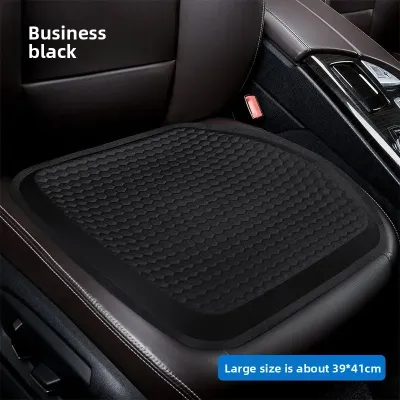
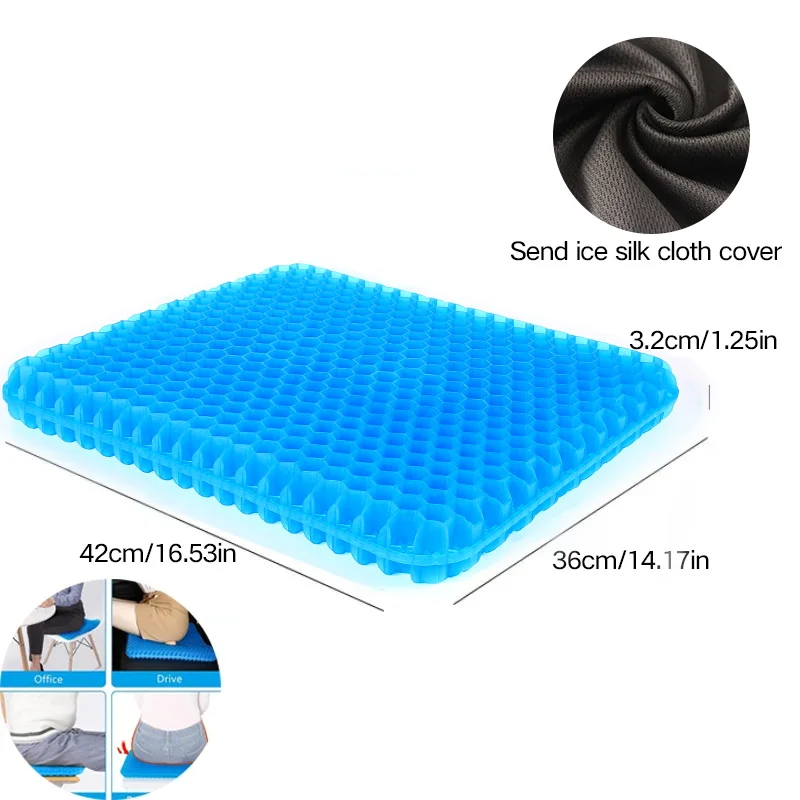
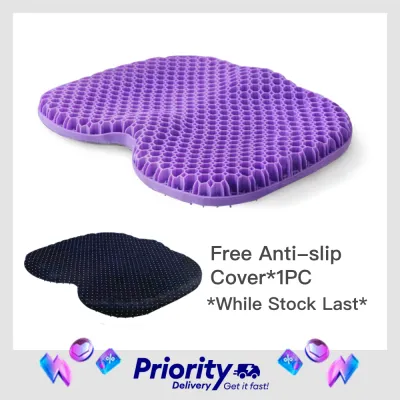
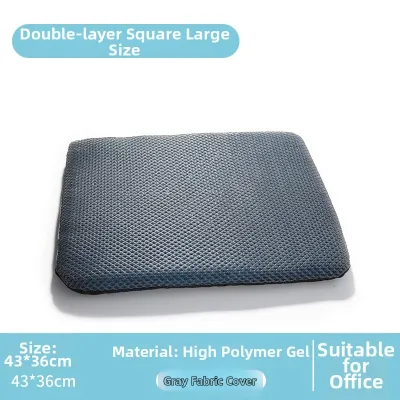
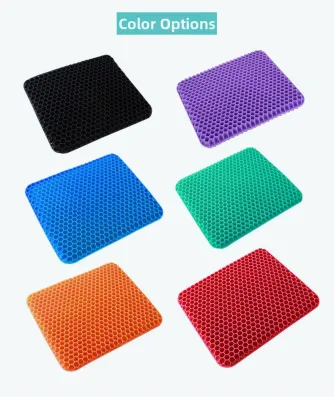
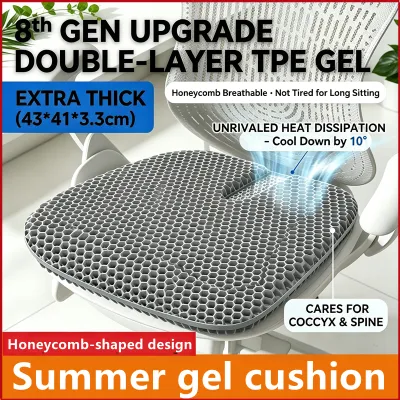

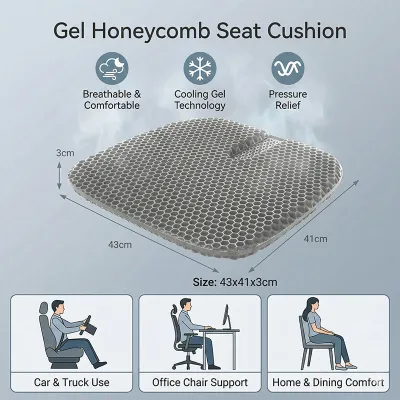
Prices are valid at publication and may change. Please refer to the product page for the latest price.
Thickness and density are the primary factors that determine how much a seat cover will insulate you from the cushion. A thick, heavily padded seat cover acts as a thermal barrier, slowing down the rate at which heat can travel from your body to the gel. Consequently, the cushion takes much longer to feel cool, and it may never reach its full heat-absorbing potential.
Convection, or heat transfer through moving air, is equally important. Once the gel cushion absorbs your body heat, it must dissipate that heat to continue cooling. If the cushion is wrapped in a material that blocks airflow, the heat remains trapped inside the gel, causing it to warm up to your body temperature quickly. Proper ventilation around the cushion allows ambient cabin air to carry away the stored heat, resetting the gel’s cooling capacity.
Breathable Mesh: Prioritizing Airflow and Maximum Cooling
Breathable mesh seat covers are designed specifically to facilitate maximum airflow. Made from woven synthetic fibers with open, porous patterns, mesh offers the lowest thermal resistance of any common seat cover material. This open structure allows your body heat to pass directly into the cooling gel cushion with minimal obstruction, resulting in a rapid and noticeable cooling sensation.

The primary benefit of mesh is its ability to promote convection. As you drive, air circulates through the open pores of the mesh, helping to dissipate the heat absorbed by the gel cushion. This continuous air exchange is particularly beneficial in hot, humid climates, such as during afternoon drives in Singapore, where stagnant air quickly leads to discomfort and sweating.
However, mesh covers do come with certain trade-offs. The textured surface of mesh can feel abrasive against bare skin, making it less comfortable if you frequently wear shorts. Additionally, the open weave is prone to trapping dust, lint, and small crumbs. Over time, this debris can accumulate in the pores, requiring regular vacuuming to maintain both hygiene and airflow. Mesh may also lack the plush, cushioned feel of thicker fabrics, relying entirely on the underlying gel cushion for comfort.
Fabric: Balancing Comfort and Thermal Transfer
Fabric seat covers, typically made from polyester, nylon, or cotton blends, offer a balanced compromise between thermal performance and everyday comfort. Unlike mesh, fabric provides a smooth, soft surface that is gentle on skin and clothing. It offers moderate breathability, allowing a reasonable amount of heat to pass through to the gel cushion.
Many modern automotive fabrics feature moisture-wicking properties. These materials draw sweat away from your body, allowing it to evaporate more quickly. When paired with a cooling gel cushion, a moisture-wicking fabric cover helps keep you dry, enhancing the overall sensation of coolness even if the direct heat transfer is slightly slower than that of mesh.
The main drawback of fabric is its potential to insulate if the weave is too dense or if the cover includes integrated foam backing. Thick fabric layers slow down conduction, meaning it will take longer for the gel cushion to start absorbing your body heat. Furthermore, fabric is highly susceptible to staining and liquid spills. If a drink spills in the car, the liquid can easily penetrate the fabric cover and reach the gel cushion, which may damage the cushion’s outer protective lining or create a breeding ground for odor-causing bacteria.
Leather and Faux Leather: Durability vs. Heat Retention
Leather and synthetic faux leather are highly desired for their premium appearance, exceptional durability, and ease of maintenance. Spills can be wiped away instantly, and the material resists wear and tear from daily use. However, from a thermal perspective, solid leather is a highly effective insulator that presents significant challenges when paired with a cooling gel cushion.
Solid leather blocks almost all airflow and has high thermal mass, meaning it retains heat for long periods. When you place a solid leather cover over a cooling gel cushion, you create a dense barrier that severely restricts conduction. Your body heat struggles to reach the gel, and the gel struggles to dissipate any heat it does manage to absorb. This often results in a sweaty, uncomfortable seating surface, especially after the car has been parked in the sun.
Perforated leather covers offer a partial solution to this problem. The tiny punctures in perforated leather allow a small amount of air to circulate, which helps mitigate heat buildup and improves the performance of the underlying gel cushion. While perforated leather performs better than solid leather, it still cannot match the high thermal conductivity and convection capabilities of breathable mesh or thin fabric.
Quick Comparison: Mesh vs. Fabric vs. Leather
To help visualize how these materials compare when paired with a cooling gel seat cushion, consider the following breakdown of their physical characteristics:
| Material Type | Breathability | Thermal Conductivity | Tactile Comfort | Durability | Gel Compatibility |
|---|---|---|---|---|---|
| Breathable Mesh | Excellent | Excellent | Moderate | Moderate | Excellent |
| Fabric | Moderate | Moderate | High | High | Moderate |
| Leather (Solid) | Poor | Poor | High | Excellent | Poor |
| Leather (Perforated) | Moderate | Low to Moderate | High | High | Moderate |
While these general material traits provide a solid foundation for your decision, always prioritize the specific product documentation and manufacturer guidelines. Some specialized fabric blends may offer higher breathability than standard options, while certain heavy-duty mesh covers might provide enhanced durability.
Decision Framework: Choosing Your Ideal Seat Cover
Selecting the right seat cover material requires evaluating your local climate, driving habits, and personal comfort priorities. If you live in a consistently hot and humid environment and your primary goal is to prevent sweating and maximize the cooling effect of your gel cushion, breathable mesh is the clear choice. Its superior airflow ensures the gel cushion can perform at its absolute best.
If you prefer a softer, more traditional seating surface and want to avoid the textured feel of mesh, fabric is the most suitable option. It is ideal for drivers who want a balance of moderate cooling, moisture management, and everyday comfort. Fabric is also a practical choice if you frequently carry passengers who prefer a softer seat.
If durability, luxury aesthetics, and easy cleanup are your top priorities, choose perforated leather. This option is particularly beneficial for families with young children or pets, where spills and stains are common occurrences. Avoid solid leather covers if you plan to use a cooling gel cushion, as the lack of ventilation will largely negate the cushion’s cooling benefits.
Before making any purchase, always verify the compatibility of your seat cover and gel cushion. Check the user manuals or product labels for both items. Some gel cushions feature non-slip rubber backings that can react chemically with certain synthetic leather dyes or finishes, potentially causing permanent staining or damage to your car’s original upholstery.
Installation and Maintenance for Optimal Performance
Proper installation is crucial to ensure both the performance of your cooling setup and the safety of your vehicle’s occupants. When installing a seat cover over a cooling gel cushion, avoid adding extra layers such as thick blankets, towels, or additional foam pads. These extra layers increase thermal resistance and will prevent the gel from absorbing your body heat effectively.
Safety must always be your primary consideration when modifying your car’s interior. Many modern vehicles feature side airbags integrated directly into the front seat backrests, as well as occupant detection sensors in the seat cushions. Before installing any seat cover or heavy cushion, consult your vehicle’s owner manual to ensure the accessories do not obstruct airbag deployment paths or interfere with passenger safety sensors. If you are unsure about the installation, seek assistance from a qualified automotive professional.
Maintaining your setup properly will extend the lifespan of both the cover and the cushion. Always remove the cooling gel cushion from the seat before cleaning or washing the seat cover. Avoid using harsh chemical solvents, bleach, or abrasive cleaners on either the cover or the cushion, as these substances can degrade the materials and compromise the gel’s integrity. If the gel cushion shows any signs of physical damage, flattening, or leakage, stop using it immediately and consult the manufacturer for a replacement.
Frequently Asked Questions (FAQ)
Can I use a cooling gel cushion directly on a bare car seat without a cover?
Yes, using a cooling gel cushion directly on a bare car seat provides the most direct contact, resulting in the fastest and most efficient heat transfer. However, this setup exposes the cushion to direct friction, sweat, dirt, and UV rays, which can accelerate wear and tear on both the cushion and your car’s original upholstery. If you prefer not to use a full seat cover, consider using a very thin, highly breathable protective liner to shield the cushion while preserving its cooling performance.
Do cooling gel cushions work effectively in air-conditioned cars?
Yes, cooling gel cushions are highly effective when paired with a vehicle’s air conditioning system. Because gel absorbs heat relative to its surrounding environment, the cool air from the air conditioner helps the gel dissipate its stored heat much faster. This continuous heat dissipation extends the duration of the cooling sensation. The choice of seat cover still matters in an air-conditioned cabin, as a breathable cover allows the cool air to reach the gel cushion more efficiently.
How do I clean a seat cover without damaging the cooling gel cushion underneath?
To clean your seat cover safely, always remove the cooling gel cushion from the seat first. Refer to the care labels on both the seat cover and the gel cushion for specific washing instructions. Most fabric and mesh covers can be hand-washed or machine-washed on a gentle cycle, while leather covers should be wiped down with a damp cloth and a mild leather cleaner. Never saturate the gel cushion itself with water or harsh chemicals, as moisture can seep through the seams and damage the internal gel structure.

Community discussion
Share your experience or ask a question. Comments are reviewed before publication.