
Choosing the right car seat cover material comes down to balancing daily comfort, maintenance habits, and local climate conditions. While leather offers a premium look and easy wipe-down cleanup, fabric provides a softer, budget-friendly feel, and mesh delivers unmatched ventilation in hot, humid weather. Identifying your primary driving needs and verifying safety compatibility will guide you to the ideal material for your vehicle.
Investing in a seat cover is a practical decision to protect your vehicle’s original upholstery from wear, tear, and environmental damage. The right choice depends heavily on how you use your car, who rides in it, and the typical weather conditions you encounter. By understanding the distinct physical properties of leather, fabric, and mesh, you can make an informed decision that enhances your daily driving experience.
Understanding the Core Traits of Leather, Fabric, and Mesh
Leather seat covers, which encompass both genuine animal hides and synthetic alternatives like polyurethane (PU) or vinyl, are characterized by their smooth, non-porous surface. This tight structural barrier prevents liquids and dirt from penetrating the material, giving leather its signature spill-resistant quality. However, this same density means the material has high heat retention, absorbing ambient temperatures and holding onto them for extended periods.
Products mentioned in this guide
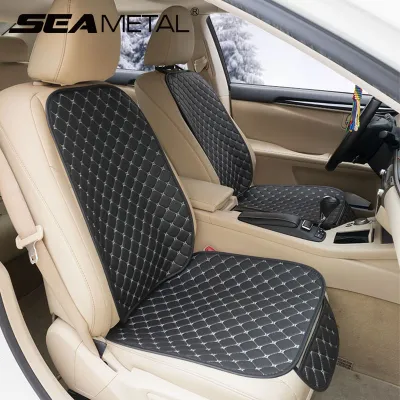
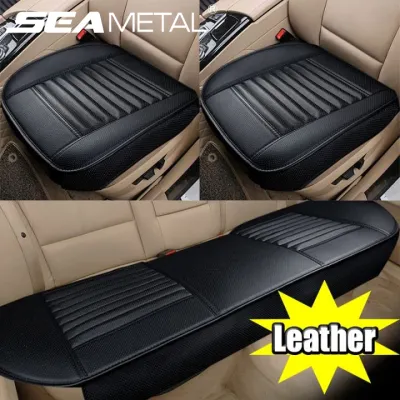
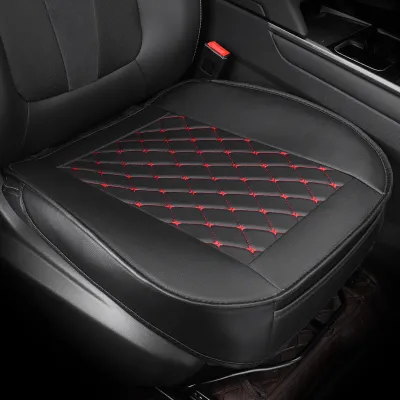
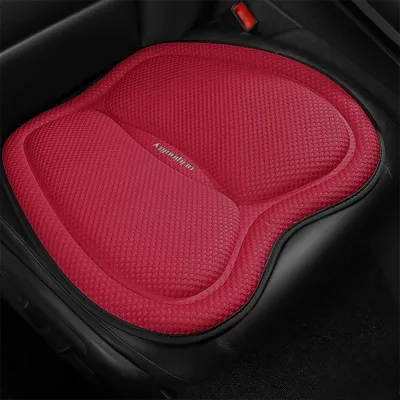
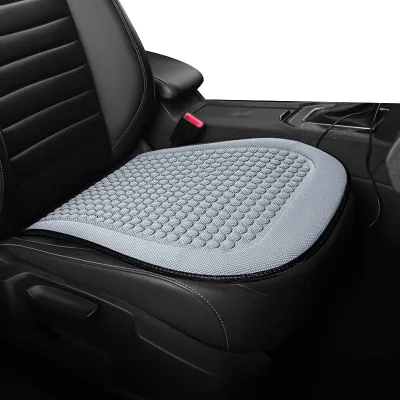
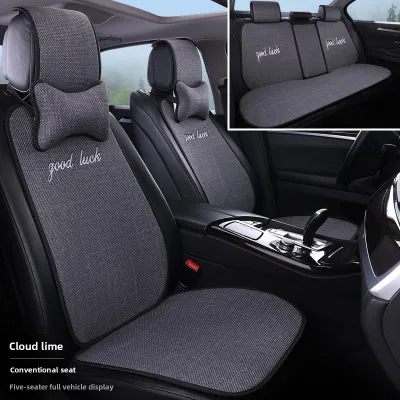
Prices are valid at publication and may change. Please refer to the product page for the latest price.
Fabric seat covers, including traditional woven cloth, canvas, and synthetic neoprene blends, rely on tightly interlaced fibers to create a soft, textured surface. These materials offer a high degree of tactile softness and natural flexibility, conforming easily to the contours of your body. Because fabric is porous, it naturally absorbs moisture and allows for a slight degree of passive airflow, though it can also trap dust, pet dander, and fine debris within its weave.
Mesh seat covers utilize an open, cellular weave pattern specifically engineered to maximize ventilation. The structural design of mesh creates a springy, high-tension surface that suspends the occupant slightly above the solid seat backrest. This gap allows air to circulate freely behind your back and under your thighs, actively preventing the buildup of body heat and perspiration during long drives.
Comparing Durability and Daily Maintenance
Spill and stain management varies significantly across these three materials, directly impacting how much effort you must spend on upkeep. Liquids pool on the surface of leather, allowing you to wipe away coffee, water, or pet accidents immediately with a simple cloth. Fabric and mesh, by contrast, tend to absorb liquids rapidly, which can lead to deep-seated stains and lingering odors if the spill is not treated immediately with a specialized fabric cleaner.

Routine cleaning methods also differ based on the material’s texture and weave. Leather requires periodic wiping with a damp cloth and occasional treatment with a label-authorized leather conditioner to prevent drying and cracking. Fabric and mesh covers demand regular vacuuming with a brush attachment to extract crumbs, dust, and pet hair from the fibers, and they may occasionally require complete removal for hand washing or machine washing according to the manufacturer’s instructions.
Long-term wear and tear present unique challenges for each material type. Leather is highly durable against friction but is susceptible to punctures from sharp objects, keys, or pet claws, and prolonged exposure to intense sunlight can cause it to fade and crack. Fabric and mesh are highly resistant to scratching and claw marks, but they are more prone to fraying, pilling, and seam separation over years of heavy use.
Evaluating Comfort and Temperature Regulation
Temperature regulation is a critical consideration for drivers, particularly in tropical climates where parked vehicles act as heat traps. Leather covers absorb solar radiation rapidly, often reaching temperatures that are uncomfortable to touch when the vehicle has been parked in direct sunlight. While running the air conditioning eventually cools the cabin, the initial contact with hot leather can be unpleasant.
Fabric covers maintain a much more stable and neutral temperature, avoiding the extreme heat spikes of leather in the sun and remaining comfortable to sit on immediately. However, because fabric absorbs moisture, it can begin to feel damp and humid against your skin during long journeys, especially if the vehicle’s cabin humidity is high.
Mesh excels in high-temperature and high-humidity environments by facilitating continuous, active airflow. By allowing the vehicle’s air conditioning to circulate directly through the seat cover to your body, mesh prevents sweat from accumulating on your clothes. The tactile feel of mesh is firmer than fabric, providing a high-friction grip that keeps you securely in place during sudden turns or braking maneuvers.
Matching the Right Material to Your Driving Lifestyle
For families with young children or pet owners, synthetic leather or heavy-duty neoprene fabric covers are often the most practical choices. These materials are built to withstand the chaotic environment of daily family life, offering the scratch resistance and quick-wipe convenience needed to handle spilled juice, muddy paws, and dropped snacks without staining the original seats.
Daily commuters who spend hours on the road in warm climates will find the greatest relief in mesh seat covers. The superior breathability of mesh reduces physical fatigue and keeps you feeling fresh, making it an excellent choice for those who prioritize climate comfort and sweat prevention over a luxury aesthetic.
Drivers who want to elevate their vehicle’s interior styling typically gravitate toward custom-fit synthetic or genuine leather covers. These options provide a sleek, premium appearance that mimics original factory upholstery, offering a tailored fit that enhances the overall cabin environment while preserving the vehicle’s long-term resale value.
Verifying Fitment and Safety Compatibility
Before purchasing any car seat cover, you must verify its compatibility with your specific vehicle model, year, and seat configuration. Universal-fit covers are designed to stretch over a wide range of seats but can slip, bunch, or sag over time, whereas custom-fit covers are patterned to match the exact dimensions, headrest shapes, and mounting points of your vehicle.
Safety is the most critical boundary when installing aftermarket interior accessories. If your vehicle is equipped with seat-mounted side-impact airbags, you must verify that the seat cover is explicitly certified as airbag-compatible, featuring specialized breakaway stitching or dedicated cutouts. Installing a non-compatible cover over an airbag deployment zone can delay or completely block the airbag from deploying during a collision, posing a severe safety risk to occupants.
Additionally, you should review the manufacturer’s installation instructions to ensure the covers do not interfere with seatbelt buckles, child seat anchor points, or manual and electronic seat adjustment tracks. Taking the time to properly anchor and secure the covers ensures they remain firmly in place, preventing any interference with your vehicle’s original safety systems and control interfaces.
Frequently Asked Questions (FAQ)
Can I install seat covers over seats with built-in side airbags?
Yes, but you must only install seat covers that are explicitly certified by the manufacturer as airbag-compatible. These covers are engineered with specialized breakaway stitching or open side panels designed to tear open instantly when the side airbag deploys. Never attempt to modify a standard seat cover yourself or force a non-compatible cover over an airbag-equipped seat, as this can interfere with critical safety systems.
Do mesh seat covers provide enough cushioning for long drives?
Mesh seat covers are designed primarily to promote airflow and temperature regulation rather than to add thick, plush padding. The high-tension weave offers a supportive, firm seating surface that helps distribute body weight, but it does not mimic the soft cushioning of thick foam. If you require extra physical cushioning for long-distance driving, consider hybrid seat covers that combine breathable mesh panels with integrated memory foam inserts, or use a separate ergonomic lumbar support cushion.
Community discussion
Share your experience or ask a question. Comments are reviewed before publication.