
No single surface material provides back support on its own. Back support is determined by the cushion’s internal core, such as high-density memory foam or ergonomic gel, while the surface material—leather, fabric, or breathable mesh—dictates temperature regulation, friction, and ease of cleaning. The best choice depends on aligning the cover’s climate and maintenance traits with the core’s structural support, especially for driving conditions in Singapore.
When selecting a car seat cushion for back support, drivers often focus solely on the outer material. However, a cushion must be evaluated as a complete system. The outer cover interacts directly with your body and the car’s cabin environment, while the inner core does the heavy lifting of maintaining spinal alignment. In a tropical climate like Singapore, where high humidity and intense cabin heat are daily realities, choosing the wrong cover material can quickly lead to discomfort, regardless of how supportive the internal foam is.
Understanding the Difference Between Cushion Covers and Core Support
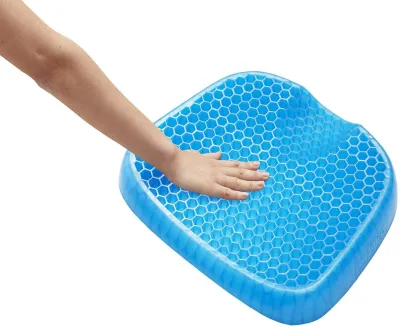
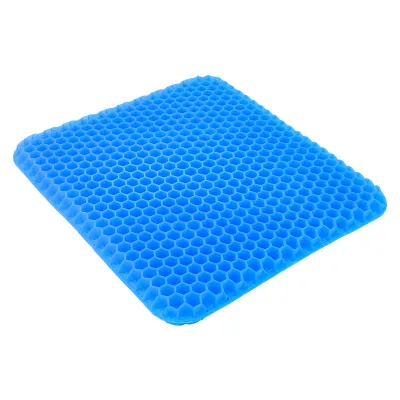
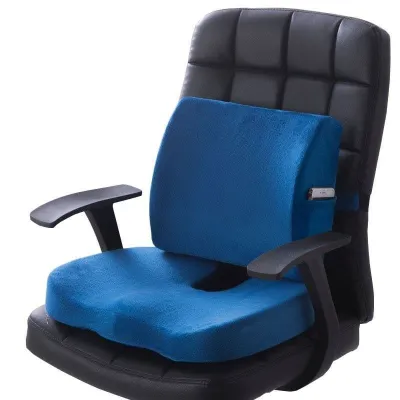
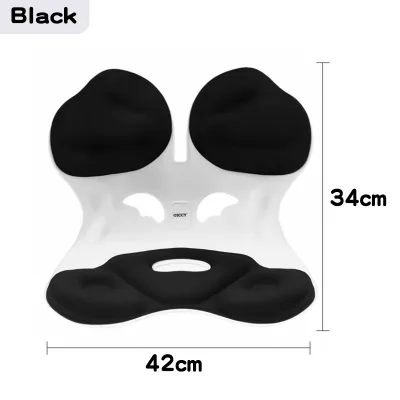
To find the right car seat cushion for back support, it is essential to separate the function of the outer cover from the internal core. The internal core is responsible for maintaining the natural curvature of your spine, particularly the lumbar region, and distributing your body weight evenly across the seat. High-density memory foam, polyurethane foam, and contoured gel inserts are common core materials designed to absorb road vibrations and prevent pressure points. Without a structurally sound core, even the most luxurious outer cover will fail to prevent slouching or lower back fatigue during extended commutes.
Products mentioned in this guide
![[SG INSTOCK] Seat Cushion Memory Foam Orthopedic Pressure Relief Car Home Soft Office Chair Pad Wheelchair for Tailbone Sciatica Back Pain Relief](https://img.lazcdn.com/g/p/005adf43d933a7c5edf0e3585d56492d.jpg_400x400q80.jpg_.webp)
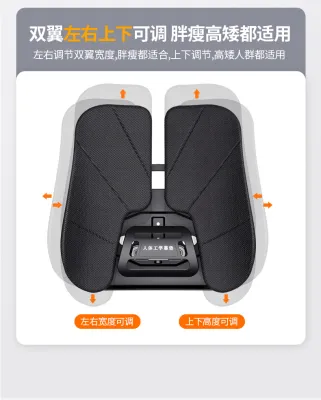
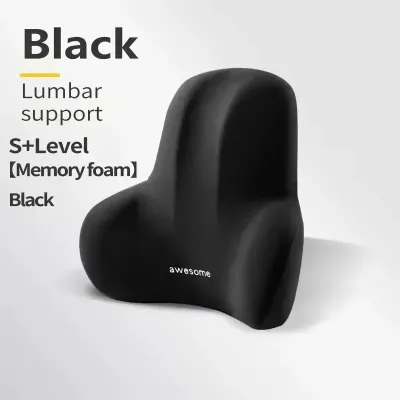
Prices are valid at publication and may change. Please refer to the product page for the latest price.
Conversely, the cover material dictates how the cushion feels against your body and how it behaves over time. It regulates heat retention, manages moisture from sweat, and provides the tactile friction needed to keep you from sliding out of an optimal driving position. A highly supportive memory foam core wrapped in a non-breathable cover can become uncomfortably hot, prompting you to shift or slouch to find relief.
Before making a purchase, always check the product specifications for both the cover material and the core density. Look for high-density foam cores that offer resilient support rather than soft, low-density options that collapse completely under weight. Ensure the cover is designed to complement the core’s shape without restricting its ability to contour to your body.
Evaluating Leather Covers for Easy Maintenance and Premium Feel
Leather and synthetic leather (such as polyurethane or vinyl) are popular for drivers who prioritize a premium look that matches their car’s original interior. A primary benefit of a leather cover is its ease of maintenance. Spills can be wiped away instantly, and dust is easily cleaned with a damp microfiber towel. For those who share their vehicle or drive commercially, leather covers allow for quick sanitization between trips.

However, leather has physical limitations regarding temperature regulation and friction. In warm climates, a car parked under the sun can experience extreme cabin temperatures, causing leather surfaces to become hot. Because standard leather does not breathe, it traps body heat and sweat against your back during long drives. Additionally, smooth leather can be slippery, requiring more physical effort from your core muscles to stay centered during sharp turns.
To mitigate these issues, look for perforated leather covers that feature ventilation holes to assist with heat dissipation. Some manufacturers also use textured finishes or combine leather side panels with fabric center sections to improve grip. Always verify that any leather care products you use are authorized by the manufacturer to avoid making the surface slick.
Assessing Fabric Covers for Everyday Grip and Temperature Neutrality
Fabric covers, typically made from woven polyester, nylon, or cotton blends, offer a balanced middle ground for everyday drivers. The standout advantage of fabric is its natural temperature neutrality. Unlike leather, fabric does not become scorching hot in the sun, nor does it feel excessively cold after a night of air conditioning. This makes it highly comfortable for immediate use when entering a hot vehicle.
Furthermore, fabric provides excellent tactile friction. The textured weave of the cloth naturally grips your clothing, preventing you from sliding forward or shifting side-to-side while driving. This stability is highly beneficial for back support, as it helps maintain your pelvis in a neutral, upright position against the lumbar support core.
The primary drawback of fabric is its susceptibility to staining, odors, and moisture absorption. Sweat, spilled drinks, and dust can easily penetrate the fibers, leading to deep-seated dirt and potential odors over time. To manage this, it is highly recommended to choose a car seat cushion for back support that features a removable, machine-washable fabric cover. Regular vacuuming and prompt spot cleaning are essential to keep the material hygienic and looking fresh.
Choosing Mesh Covers for Maximum Airflow in Warm Climates
For drivers operating in hot, humid environments, breathable mesh covers offer unmatched cooling performance. Mesh is constructed with an open, net-like weave that allows air to circulate freely between your back and the cushion core. This continuous airflow prevents the buildup of heat and moisture, significantly reducing the likelihood of back sweat during long commutes or heavy traffic.
While mesh excels at temperature control, it does have specific trade-offs. The texture of mesh can feel less plush or slightly abrasive against delicate clothing fabrics compared to smooth leather or soft woven cloth. Additionally, the open weave is susceptible to snagging on sharp objects, such as keys, belt buckles, or velcro straps, which can fray the material over time.
When evaluating a mesh cushion, it is critical to verify that the mesh is stretched over a highly supportive internal core. Mesh material on its own has very little structural integrity and cannot provide adequate lumbar support. Ensure the product description specifies a solid foam or gel core beneath the mesh layer, rather than a hollow frame that may sag and worsen back strain.
A Decision Checklist for Matching Material to Your Driving Habits
Selecting the ideal material for your car seat cushion for back support requires matching your daily driving habits and vehicle conditions to the characteristics of each cover type. Use this practical framework to guide your decision:
- Choose leather or synthetic leather if you prioritize a premium aesthetic, require a surface that is easy to wipe clean, and have a strong vehicle air conditioning system to manage cabin heat.
- Choose fabric if you want a stable, non-slip seating surface that keeps your posture secure, prefer a material that remains temperature-neutral, and do not mind occasionally washing the cover.
- Choose mesh if your primary discomfort is back sweat, you drive frequently in hot and humid conditions, and you want maximum airflow without sacrificing the underlying support of a solid foam core.
Before purchasing from an online marketplace, perform a few essential verification steps. Check the product dimensions to ensure the cushion fits securely within your car’s seat bolsters without shifting. Confirm that the bottom of the cushion features non-slip silicone dots or adjustable straps to anchor it firmly. Crucially, verify that the cushion and its mounting straps do not interfere with the operation of seat-integrated side airbags, seatbelts, or electronic seat adjustment controls. Refer to your vehicle’s owner manual to locate airbag deployment zones before installing any aftermarket accessory.
If back pain persists or worsens, stop relying on standard automotive accessories and consult a healthcare professional for medical-grade orthopedic advice.
Frequently Asked Questions (FAQ)
Does a thicker cushion always provide better back support?
No, a thicker cushion does not automatically guarantee better back support. If a cushion is excessively thick but lacks proper density, your body weight will cause it to collapse unevenly, which can tilt your pelvis and strain your lower back. Furthermore, an overly thick cushion can raise your seating position too high, altering your line of sight, reducing headroom, and moving your feet away from the pedals. Look for a cushion with ergonomic contouring and a high-density core that maintains its shape, rather than relying on thickness alone.
Can I use a mesh cushion on a leather car seat without it slipping?
Using a mesh cushion on a smooth leather car seat can lead to sliding during sudden braking, acceleration, or sharp turns. This movement can disrupt your posture and reduce the effectiveness of the lumbar support. To prevent this, ensure the cushion you select is equipped with a high-friction, non-slip rubberized backing or integrated silicone dots. Adjustable straps that wrap around the seatback or anchor chucks that tuck into the seat crevice are also highly effective at keeping the cushion securely in place.
Are memory foam cushions with leather covers suitable for long drives?
Memory foam cushions provide excellent pressure relief and contouring for long drives, but a solid leather cover can trap heat over extended periods. In warm climates, this combination may lead to discomfort and back sweat. If you prefer the premium feel of leather for long journeys, look for a cushion that features perforated leather to allow some heat dissipation, or ensure your vehicle’s air conditioning is directed effectively to keep the cabin cool. Alternatively, consider a hybrid cover that uses leather on the wear-prone edges and breathable mesh or fabric where your back makes direct contact.

Community discussion
Share your experience or ask a question. Comments are reviewed before publication.