
Seat cover materials do not generate lumbar support themselves, but they significantly influence how effectively your car’s built-in lumbar system works. By altering surface friction, breathability, and overall seat thickness, the material dictates whether your lower back remains stable or shifts due to heat and sliding. If you need maximum airflow to prevent heat-induced posture shifts, mesh is a strong candidate; if you require high surface grip to prevent sliding and prioritize easy cleaning, leather is preferable, provided your cabin cooling is adequate; if you seek a balance of temperature regulation and ergonomic conformity, fabric is a highly versatile choice. Ultimately, the most suitable material depends on your specific driving environment, sweat levels, and the physical design of your car’s original seats.
How Seat Cover Materials Interact with Built-in Lumbar Support
To understand how a seat cover affects your lower back, you must look at the mechanics of spinal alignment while driving. Your car’s built-in lumbar support is designed to maintain the natural inward curve of your lumbar spine, reducing pressure on your spinal discs and lower back muscles. When you introduce an aftermarket seat cover, you place an additional physical barrier between your body and this built-in ergonomic system. This barrier alters three critical factors: thickness, surface friction, and thermal regulation.
First, the thickness and padding of the cover can physically distance your back from the built-in lumbar mechanism. If a seat cover is too thick or heavily padded, it can bridge the gap between the upper backrest and the seat base, effectively flattening or masking the active or passive lumbar bulge. Second, surface friction plays a major role in posture stability. A slippery cover allows your pelvis to slide forward, causing your lower back to slouch and flattening the lumbar curve. This micro-sliding forces your lower back muscles to constantly contract to stabilize your posture, leading to fatigue. Finally, thermal comfort directly impacts your posture. When heat and humidity build up between your back and the seat, you naturally squirm and shift to find a cooler position, which repeatedly breaks your optimal lumbar alignment.
Products mentioned in this guide
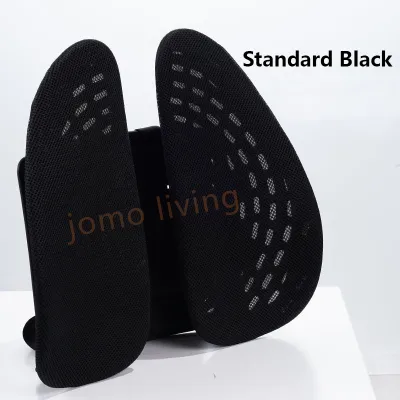
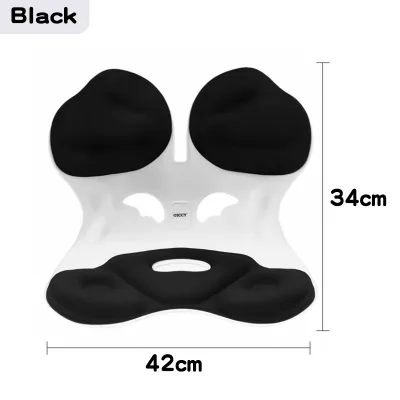
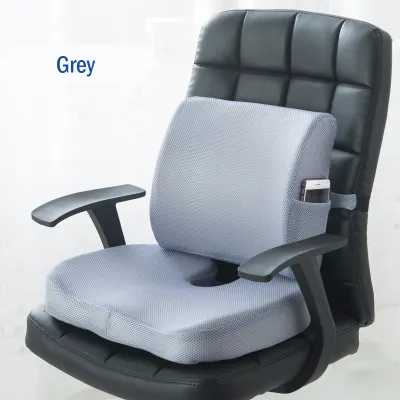
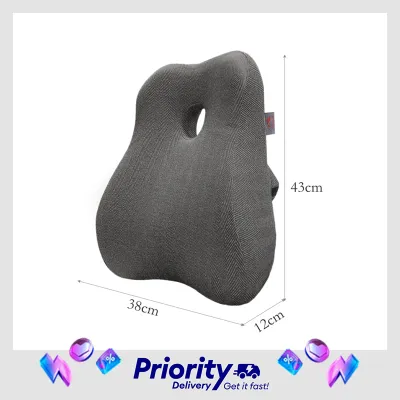
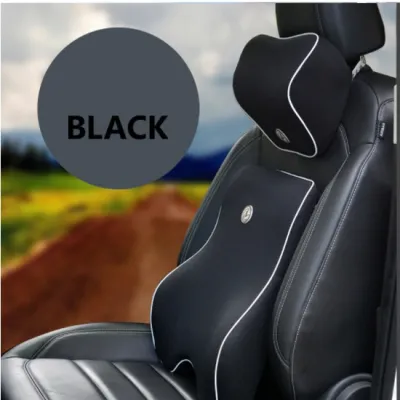
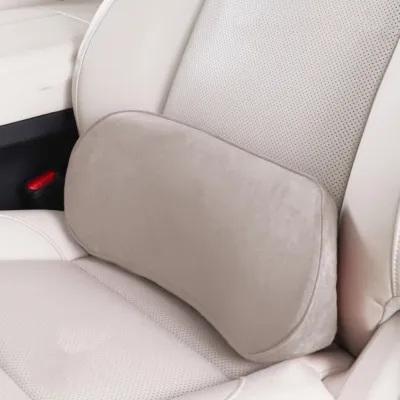
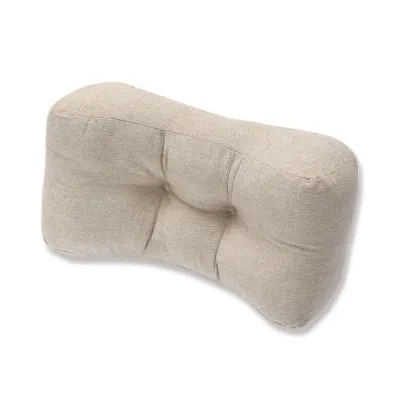
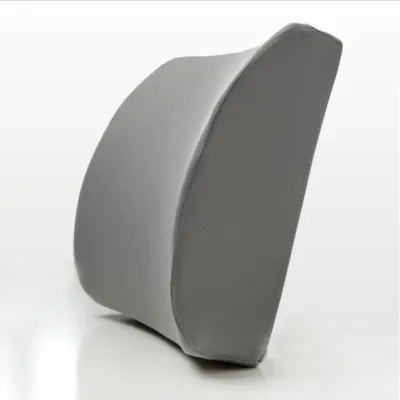
Prices are valid at publication and may change. Please refer to the product page for the latest price.
Leather and Synthetic Leather Seat Covers
Leather and synthetic leather (such as polyurethane or vinyl) are popular choices for car interiors due to their premium appearance and ease of maintenance. When evaluating these materials for lumbar health, surface grip and thermal properties are the primary factors to consider. High-quality leather covers often provide excellent surface friction when dry, helping to lock your pelvis in place and reducing the micro-sliding that leads to lower back fatigue during cornering or sudden braking.

However, leather’s poor natural breathability presents a significant challenge, particularly in hot and humid climates. Without active ventilation, heat and sweat quickly accumulate at the contact points along your lower spine. This moisture can make the surface slippery, causing you to slide forward and lose the benefit of your seat’s lumbar support. To compensate, drivers often shift into poor posture habits, such as slouching. Additionally, many leather seat covers feature thick, integrated foam backings to mimic the look of luxury upholstery. Before purchasing, you must verify this padding thickness; excessively thick leather covers can completely bridge the lumbar curve, preventing the vehicle’s built-in lumbar adjuster from making meaningful contact with your spine.
Fabric and Cloth Seat Covers
Fabric and cloth seat covers offer a balanced approach to temperature regulation, cushioning, and ergonomic conformity. Unlike rigid leather or structured mesh, woven fabrics naturally conform closely to the original contours of your car’s seat. This flexibility ensures that the shape of your built-in lumbar support is transmitted directly to your lower back without being flattened or distorted by a stiff material barrier.
The breathability of woven fabric also helps reduce heat-induced posture shifts. By allowing air to circulate and moisture to dissipate, fabric keeps your back cooler, minimizing the urge to squirm and lose your optimal driving posture. However, fabric covers do have structural limitations. The soft weave and underlying foam backing can add a layer of cushioning that softens the firm, targeted support of a mechanical lumbar adjuster. Over time, fabric is also prone to stretching and sagging. As the material loses its tension, it can bunch up or create uneven wrinkles against your lower back, leading to localized pressure points that can irritate the lumbar region during long drives.
Mesh and Breathable Netting Seat Covers
Mesh and breathable netting seat covers are engineered primarily for maximum airflow, making them highly effective at managing cabin heat. By creating an open, ventilated barrier between your back and the seat, mesh prevents the accumulation of sweat and heat that typically triggers posture shifting. This thermal stability allows you to remain settled in the optimal ergonomic position for longer periods.
Despite these ventilation benefits, mesh covers present unique structural drawbacks for lumbar support. The material can be relatively slippery compared to textured fabric or dry leather, which may allow your hips to slide forward if the seat base lacks sufficient angle. Furthermore, many mesh covers utilize thick, rigid borders or plastic frames to maintain their tension. These hard edges can create physical gaps between your spine and the seat’s lumbar contour, preventing your lower back from making full contact with the support system. Some mesh designs also feature raised plastic beads or coarse weave patterns that can create uneven pressure grids, potentially causing discomfort or irritation along the sensitive muscles of the lower back during extended journeys.
Decision Matrix: Matching Material to Your Driving Needs
Selecting the right seat cover material requires balancing your personal comfort preferences with the physical characteristics of your vehicle’s seats.
Choose leather or synthetic leather if you prioritize a material that is easy to wipe clean, need high surface grip to prevent sliding, and have a strong cabin air conditioning system to manage heat buildup. This option works well if your car’s built-in lumbar support is highly adjustable, allowing you to dial in extra firmness to overcome the thickness of the leather.
Choose fabric if you want a balance of breathability and cushioning, and prefer a material that conforms closely to the seat’s original ergonomic shape. Fabric is ideal for drivers who want to preserve the exact feel of their built-in lumbar support without adding a stiff or slippery barrier.
Choose mesh if maximum airflow is your absolute priority to prevent sweating, and your car’s built-in lumbar support is highly pronounced and firm enough to push through the mesh material.
Before making any purchase, you must perform a critical safety check. If your vehicle is equipped with seat-mounted side airbags, you must verify that any aftermarket seat cover is explicitly designed with certified, airbag-compatible seams. Standard seat covers can block or delay airbag deployment, posing a severe safety risk. Always consult your vehicle owner’s manual and ensure the cover manufacturer guarantees compatibility with your specific seat model before proceeding with installation.
Installation and Fitment Checks to Preserve Lumbar Ergonomics
Proper installation is just as important as material selection when it comes to preserving your car’s lumbar ergonomics. A poorly fitted seat cover can ruin the supportive characteristics of even a highly supportive ergonomic seat. During installation, pay close attention to the placement of tightening straps and hooks. If you pull the cover too taut across the lumbar zone, you can create a “hammock effect,” where the material stretches tightly from the top of the seat to the bottom, completely flattening the built-in lumbar curve.
Additionally, you must verify that the seat cover does not block or restrict access to physical buttons, dials, or levers used to operate manual or power lumbar adjusters. If the controls are covered or compressed by the tight material, you may be unable to adjust your support on the fly, or the motor could overheat from accidental activation. Once the cover is installed, perform a post-installation test. Sit in the driver’s seat for at least 10 minutes in your normal driving position. Check for any new pressure points, notice if your hips tend to slide forward, and verify that you can still feel the firm support of the lumbar system against your lower back before committing to a long trip.
Frequently Asked Questions (FAQ)
Can I add an aftermarket lumbar cushion if my seat cover lacks support?
Adding an aftermarket lumbar cushion over a seat cover is possible, but you must carefully assess the combined thickness of both layers. Stacking these items can push your entire torso too far forward, altering your safe distance from the steering wheel and pedals, and potentially compromising your control over the vehicle. Additionally, you must ensure that the added cushion does not block the deployment zones of seat-mounted side airbags or interfere with the proper routing of your seatbelt. Test the combined setup on a very short drive first to ensure it does not create new pressure points along your spine or cause you to slouch.
Do heated or cooled seat functions affect lumbar support materials?
Yes, seat cover materials interact directly with active seat climate controls, which can indirectly affect your lumbar comfort. Thick fabric or leather covers can insulate the seat, blocking cooled air from reaching your lower back and increasing the likelihood of heat-induced posture shifting. Conversely, if you use a mesh cover with rigid plastic beads or frames over a heated seat, the heating elements may distribute heat unevenly, or the hard plastic components could damage the delicate heating wires embedded in the seat. Always check your vehicle owner’s manual for specific guidelines on using aftermarket covers with active climate-controlled seats.

Community discussion
Share your experience or ask a question. Comments are reviewed before publication.