
Selecting the right car head cushion is a practical way to improve your daily commute, but the ideal choice depends heavily on your driving habits, maintenance preferences, and local climate. The three primary materials—leather, fabric, and breathable mesh—each offer distinct characteristics in terms of tactile comfort, heat management, and ease of cleaning. While leather provides a sleek, premium appearance that is simple to wipe down, fabric offers a soft, familiar texture that remains temperature-neutral throughout the day. Meanwhile, breathable mesh is specifically engineered to maximize airflow, making it a popular choice for drivers operating in warm, humid environments. Ultimately, the best material is one that aligns with your personal comfort needs while fully respecting the safety and structural requirements of your vehicle’s original seating system.
Safety and Compatibility Checks Before You Choose
Before prioritizing aesthetic appeal or material softness, you must ensure that any aftermarket car head cushion does not compromise your vehicle’s safety systems. Modern car seats are highly engineered structures containing side-curtain airbags, occupancy sensors, and active head restraint mechanisms. When evaluating a cushion, verify that its mounting straps or sleeve design do not obstruct the deployment paths of seat-mounted airbags or interfere with the proper routing and tension of the seatbelts.
You should also consult your vehicle owner’s manual to understand how your original headrests adjust and whether they feature active safety technology. The cushion must allow you to maintain the correct headrest height and angle, ensuring your head is properly supported in the event of a sudden stop. Additionally, inspect the attachment mechanism—whether it uses elastic straps, adjustable buckles, or slip-on sleeves—to confirm it secures tightly without slipping during transit. A loose cushion can distract the driver or slide out of position, while overly tight straps might damage delicate original upholstery or put undue pressure on internal seat sensors.
Products mentioned in this guide
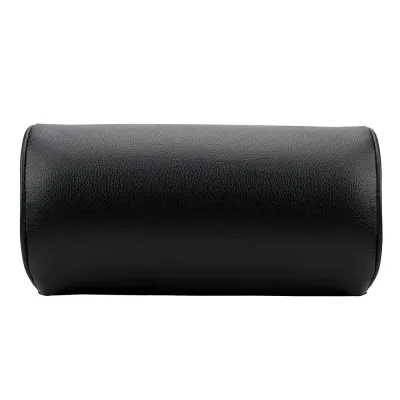
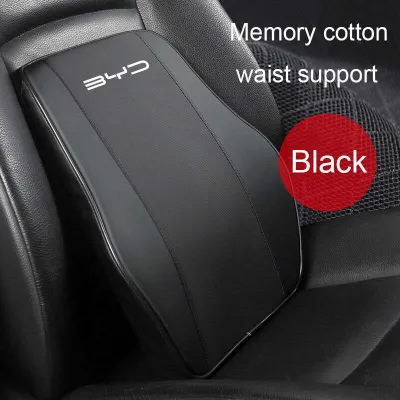
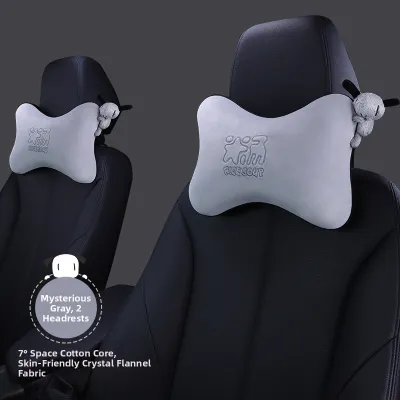
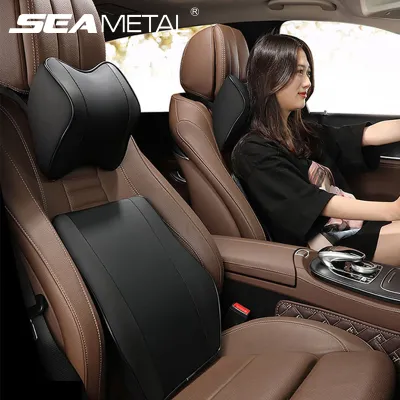
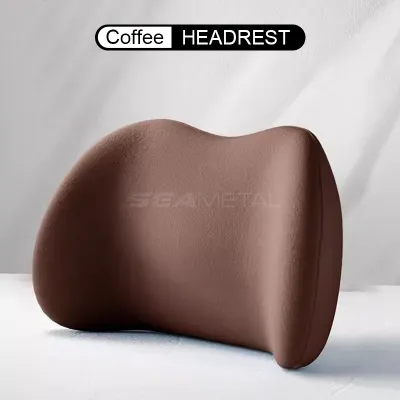
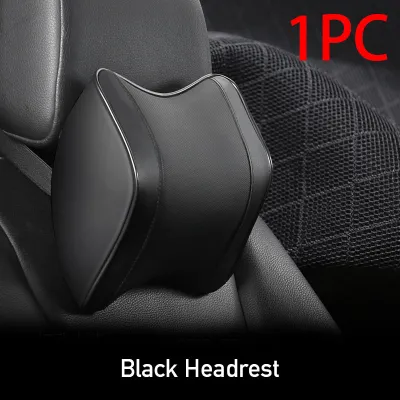
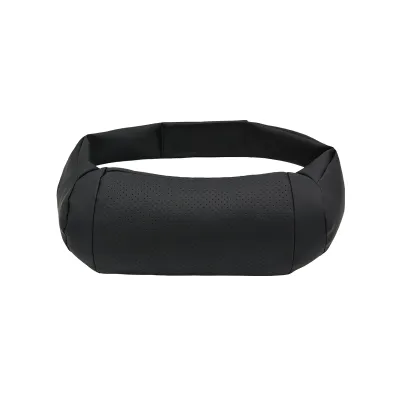
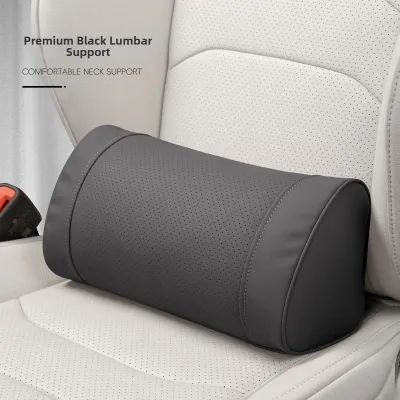
Prices are valid at publication and may change. Please refer to the product page for the latest price.
Evaluating Leather Car Head Cushions
Leather car head cushions are widely favored for their sophisticated appearance and their ability to blend seamlessly with premium vehicle interiors. From a practical standpoint, leather is exceptionally easy to maintain when it comes to surface spills, dust, and daily wear. If you frequently drink beverages on your commute or travel with pets, a simple wipe with a damp cloth is often all that is required to keep the surface clean. However, you should always refer to the cushion manufacturer’s care label to identify approved cleaning agents, as harsh chemicals can strip the protective coating of the leather.

The primary trade-off with solid leather is its tendency to retain heat, particularly when the vehicle is parked under direct sunlight in warm, tropical climates. To mitigate this, look for product tags indicating perforated leather designs or specialized cooling gel inserts that help dissipate heat. When it comes to long-term preservation, leather requires periodic conditioning to prevent drying, cracking, or fading from ultraviolet exposure. Ensure you use only leather-safe conditioners recommended by the manufacturer, and apply them according to the product instructions to maintain the material’s suppleness.
Evaluating Fabric Car Head Cushions
Fabric car head cushions offer a soft, cozy texture that many drivers find immediately comfortable and familiar. Unlike leather, fabric is naturally temperature-neutral, meaning it does not feel excessively hot in the summer or uncomfortably cold during cooler mornings. This makes fabric an excellent choice for daily commuters who want consistent comfort the moment they step into the cabin.
However, fabric is inherently more porous than leather, making it susceptible to absorbing sweat, oils, and spilled liquids. Before purchasing, check the manufacturer’s product tag to see if the fabric has been treated for stain resistance or if it features a removable, machine-washable cover. Being able to unzip the cover and wash it regularly is a major advantage for maintaining cabin hygiene. Additionally, take time to inspect the weave density and the internal padding structure of the cushion; a high-quality fabric cushion should use resilient fillings, such as high-density memory foam or supportive microfiber, to ensure it retains its ergonomic shape and does not flatten over time.
Evaluating Breathable Mesh Car Head Cushions
For drivers who prioritize airflow and temperature regulation above all else, breathable mesh car head cushions are an outstanding option. The open-weave structure of mesh fabric allows air to circulate freely behind your neck and head, preventing the buildup of perspiration during long drives or in heavy traffic. This high level of ventilation is particularly beneficial in humid regions where air conditioning can take time to cool the entire cabin.
While mesh excels at breathability, you must carefully evaluate the structural support it provides. Because mesh is flexible, the cushion relies heavily on its internal frame or the density of the backing material to maintain its shape. Check the product specifications to ensure there is a robust ergonomic support structure behind the mesh layer so your neck remains properly aligned. Maintenance for mesh is relatively straightforward, though dust and small debris can sometimes become trapped in the open pores. Regularly vacuuming the cushion with a brush attachment, as recommended by product guidelines, will keep the mesh clean and free of allergens.
Matching Material to Your Driving Profile
Selecting the right material requires balancing your daily driving conditions with your personal maintenance habits. If you prioritize a premium look and want a surface that can be wiped clean in seconds, leather is the logical choice. If you prefer a soft, cushioned feel that remains comfortable regardless of cabin temperature, fabric is highly suitable. For those who struggle with heat retention or sweat during long commutes, a breathable mesh cushion offers the most effective ventilation.
Before making a final decision, always verify if your vehicle has specialized seat features, such as integrated headrests or ventilated seats, which might limit your cushion options. Use the following comparison framework to help guide your choice:
| Material Type | Temperature Feel | Cleaning Method | Support Structure | Ideal Driving Conditions |
|---|---|---|---|---|
| Leather | Retains heat; cool to touch initially | Wipe down; leather conditioner | Typically solid foam core | Premium styling, easy spill cleanup |
| Fabric | Temperature-neutral; soft | Machine-washable cover or spot clean | Memory foam or microfiber | Daily commuting, cozy comfort |
| Mesh | Highly breathable; cool | Vacuuming pores; hand wash cover | Internal frame or resilient backing | Warm climates, long-distance driving |
Remember to cross-reference these material profiles with the safety and compatibility checks established earlier. No matter how comfortable a material feels, it must fit securely and safely on your specific vehicle seat model.
Installation and Ongoing Maintenance
Proper installation is key to ensuring your car head cushion performs as intended without causing safety hazards. Begin by aligning the cushion with your vehicle’s headrest posts, adjusting the height so the contoured support sits directly in the curve of your neck. Secure the attachment straps or buckles according to the manufacturer’s instructions, taking care not to over-tighten them, which could strain the straps or damage the seat fabric.
Establish a routine inspection habit to keep the cushion in safe working order. Every few weeks, check for signs of strap wear, loose stitching, or material tearing, and ensure the cushion has not slipped down from its optimal position. If you notice any fitment conflicts, or if a vehicle warning light (such as an airbag indicator) illuminates after installation, remove the cushion immediately. Consult both the cushion manufacturer’s customer support and your vehicle owner’s manual to resolve any compatibility issues before reinstalling the accessory.
Frequently Asked Questions (FAQ)
Will a head cushion affect my car's active head restraints?
Active head restraints are designed to move forward automatically during a rear-end collision to minimize whiplash. Adding a bulky aftermarket head cushion can alter the spacing between your head and the restraint, potentially reducing the system’s effectiveness. Before purchasing, consult your vehicle owner’s manual to determine if your car is equipped with active head restraints, and check the cushion manufacturer’s compatibility list to ensure the product is safe for your specific seat configuration.
How do I know if the cushion provides enough neck support?
The level of support depends on the cushion’s internal filling and its overall shape rather than the outer material alone. Review the product specifications to identify the filling material, such as contoured memory foam or adjustable microfiber padding. To evaluate the support, test the cushion in your actual driving position; it should comfortably fill the natural gap between your neck and the seatback without pushing your head forward or forcing your chin downward.

Community discussion
Share your experience or ask a question. Comments are reviewed before publication.